
Should This Lake Exist?
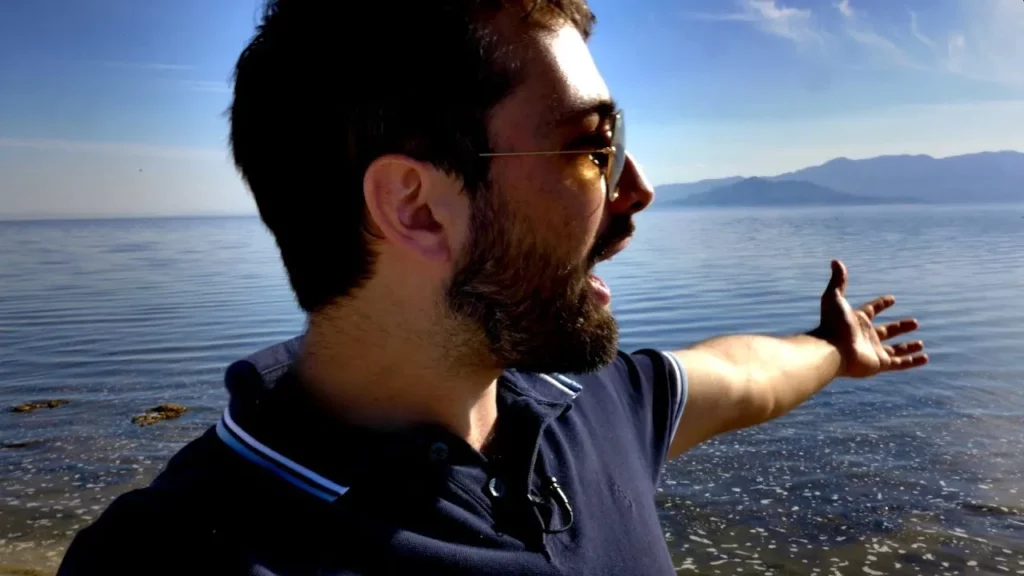
The lesson on the Salton Sea explores its accidental creation in the early 1900s due to a flood from the Colorado River, leading to its rise as a popular resort destination in the mid-20th century. However, increasing salinity and environmental neglect have transformed it into a ghost town, highlighting the significant impact of human actions on ecosystems. Ultimately, the Salton Sea serves as a poignant reminder of our responsibility to care for the environment and the consequences of inaction.
Galileo the Scientific Parrot
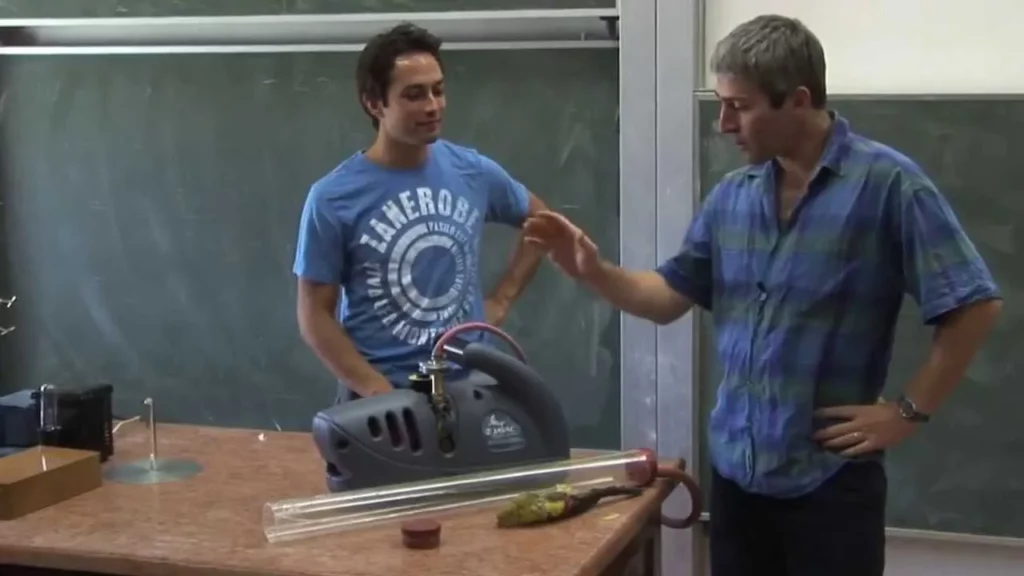
The lesson explores a modern experiment conducted at the University of Sydney that revisits Galileo’s groundbreaking discoveries about gravity. By testing the fall of a feather and a metal coin in a vacuum to eliminate air resistance, the experiment confirmed that all objects fall at the same rate regardless of their mass, reinforcing Galileo’s principle that gravity affects all objects equally. This experiment highlights the significance of controlling variables in scientific research to validate foundational concepts in physics.
What Could Survive An Atomic Bomb?
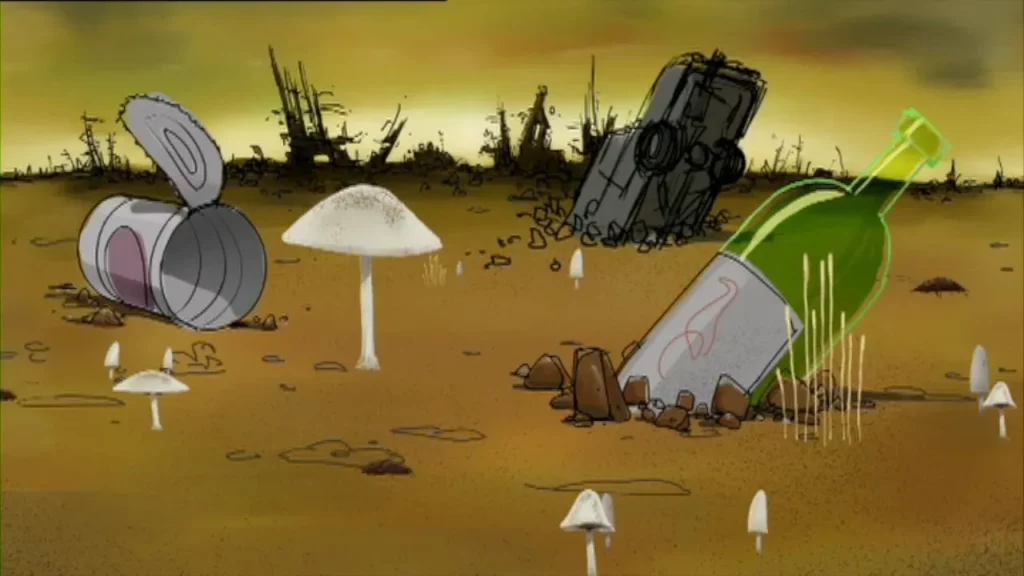
The lesson explores the remarkable resilience of fungi in radioactive environments, particularly highlighting their survival in Chernobyl due to their high melanin content, which protects them from radiation and even allows them to thrive by absorbing energy from it. This unique ability opens up potential applications for these fungi in radioactive waste cleanup and cancer treatment. Ultimately, the lesson emphasizes the importance of understanding these organisms, as they may offer valuable insights into life in extreme conditions and contribute to future scientific advancements.
Can We Really Touch Anything?
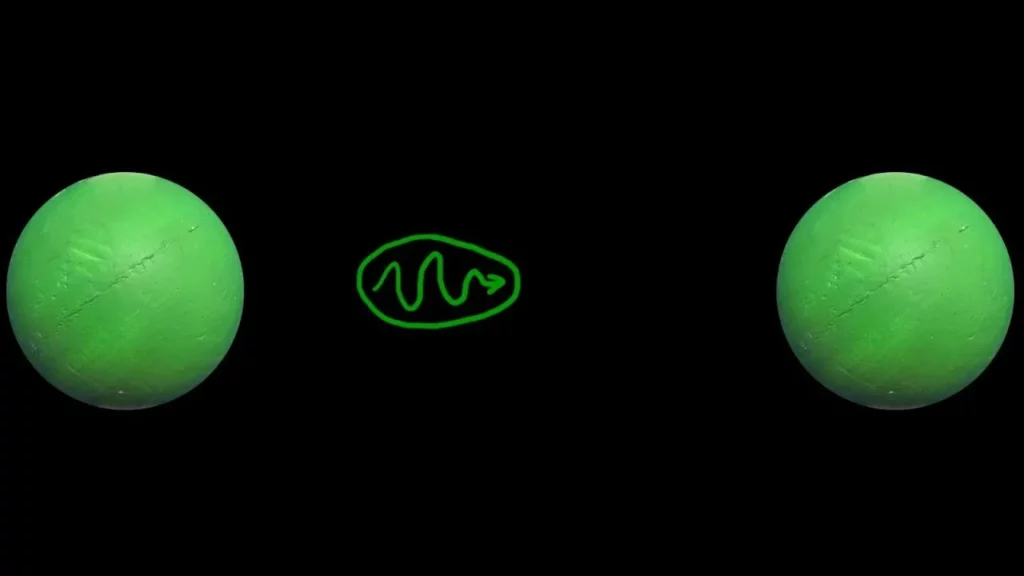
The lesson “Understanding Touch at the Quantum Level” explores the concept of touch in physics, highlighting that at the quantum level, particles like electrons interact through the exchange of photons rather than direct contact. It discusses the nature of photons, the stability of atomic structures through electron shell filling, and the continuous spectrum of light frequencies emitted by atoms. Additionally, it touches on the future of genetics, emphasizing the rapid advancements in the field and its potential for groundbreaking discoveries.
Physics Nobel Prize 2011 – Brian Schmidt
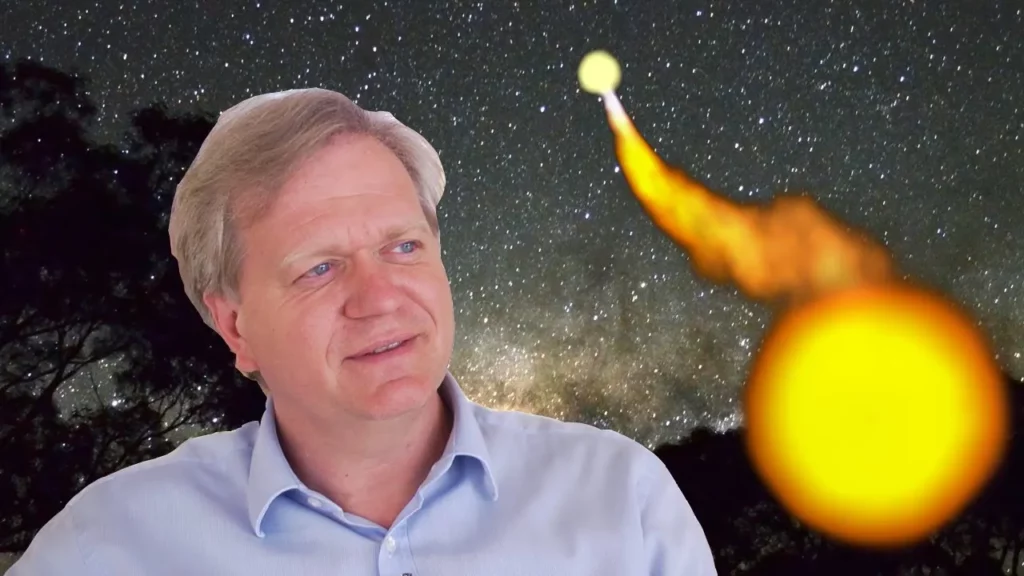
The lesson on “The Dynamic Universe: Understanding Cosmic Expansion” explores the evolution of our understanding of the universe, highlighting key discoveries that reveal its dynamic nature. Initially thought to be static, evidence from astronomers like Vesto Melvin Slipher and Edwin Hubble demonstrated that galaxies are moving away from each other, indicating an expanding universe. Recent findings by Professor Schmidt and his team revealed that this expansion is actually accelerating due to the influence of dark energy, leading to profound implications for the future of the cosmos.
What Exactly is the Present?
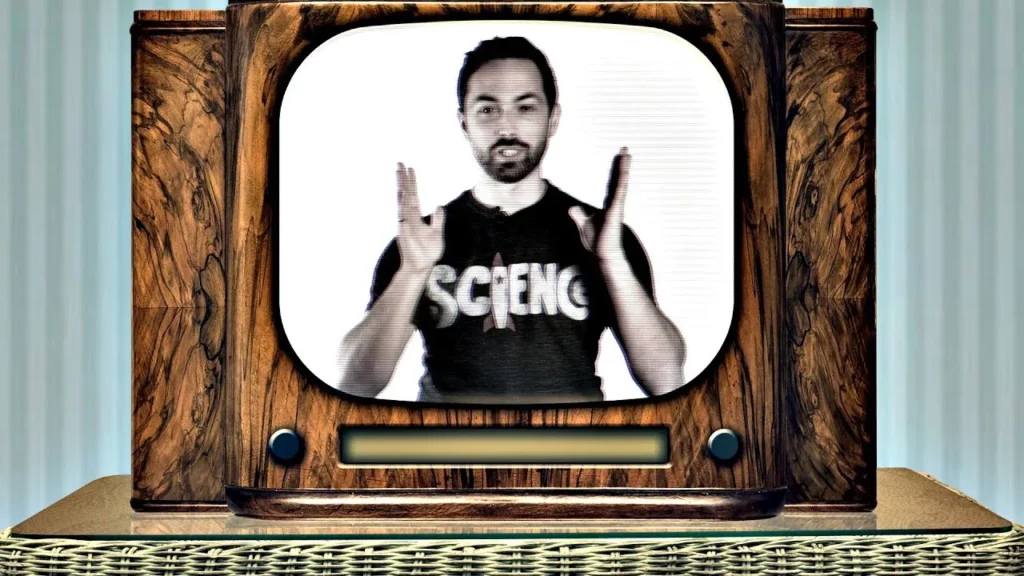
The lesson explores the technical challenge of audio-video synchronization in live broadcasts, highlighting its historical significance during events like the 1939 World’s Fair. It discusses how human perception allows for certain delays in audio without noticeable discrepancies, emphasizing that our brains are better at aligning audio with preceding visual cues. This understanding aids engineers in creating seamless broadcasts and reveals the complexities of how we perceive synchronized sensory information.
Climate Change is Boring

The lesson emphasizes the critical importance of understanding climate change, which is often overlooked due to misconceptions and public doubt fueled by misinformation. It highlights the need for effective communication and education to engage people in the topic, as well as the inconsistency of government actions in addressing the issue. Ultimately, the lesson calls for a shift in perception to foster active involvement in combating climate change.
How Ultrasound Can Deactivate Parts of the Brain
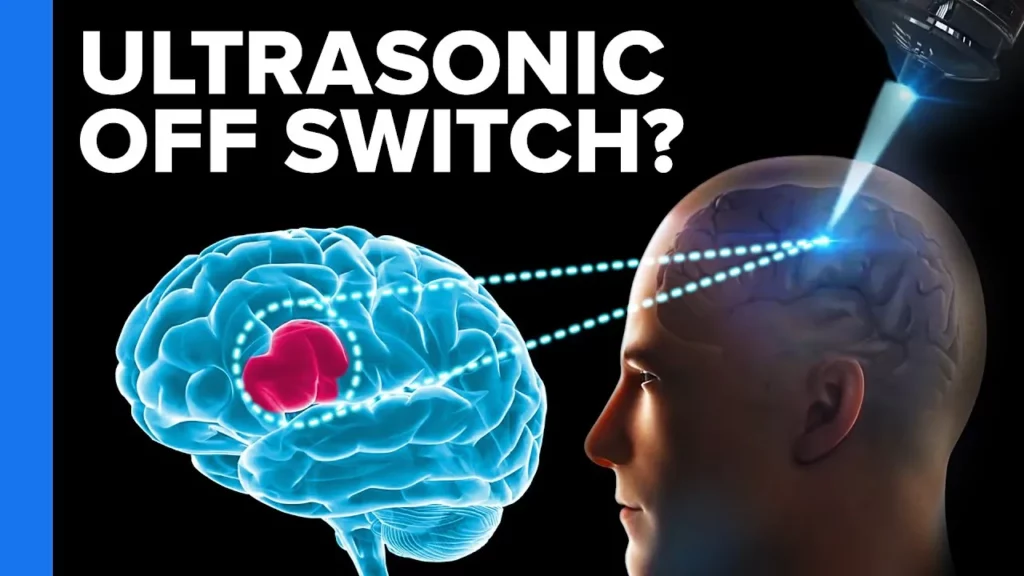
The lesson discusses Mikhail Shapiro’s pioneering work in non-invasive brain modulation using sound waves, which aims to treat brain disorders without the risks associated with traditional surgical methods. By employing ultrasound to temporarily open the blood-brain barrier and deliver therapeutic agents, researchers can precisely control neuronal activity, as demonstrated in experiments with mice affecting memory retention. This innovative approach holds promise for developing new treatments for various neurological conditions while addressing ethical considerations regarding its potential misuse.
Spinning Disk Trick Solution
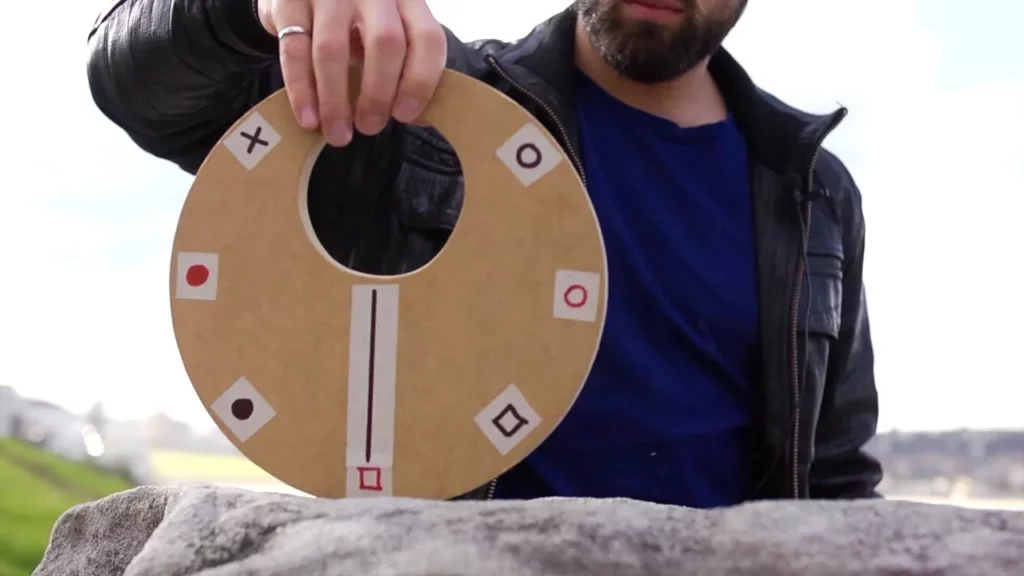
The spinning disc trick illustrates the principles of rotational dynamics, particularly how a disc with uneven weight distribution behaves when spun. Through experiments and expert insights, it was found that the disc’s angular momentum remains constant, and its flipping motion is influenced by torque generated from sliding friction. Despite some inconsistencies in behavior during different tests, the phenomenon continues to intrigue both enthusiasts and physicists, prompting further exploration into its complex mechanics.
What Causes The Northern Lights?

The lesson explores the phenomenon of the Northern Lights, or Aurora Borealis, highlighting the science behind their formation and why they are more visible in places like Fairbanks, Alaska. Despite challenges such as weather conditions that can obscure the view, the allure of witnessing this natural spectacle remains strong, making it a sought-after experience for travelers. Understanding the solar activity and atmospheric interactions that create these stunning light displays enhances the appreciation of this breathtaking event.