
Chain Drop Experiment
In the lesson “Exploring Gravity: A Fun Drop Test at Tamarama Beach,” students engage in a hands-on experiment to observe the effects of gravity by dropping two objects of equal weight from a height. The activity encourages predictions about which object will land first, ultimately demonstrating that gravity affects all objects equally, regardless of their attachment or weight, as both will hit the ground simultaneously in the absence of air resistance. This experiment serves as an enjoyable way to explore fundamental scientific concepts related to gravity.
Why the Future of Cars is Electric
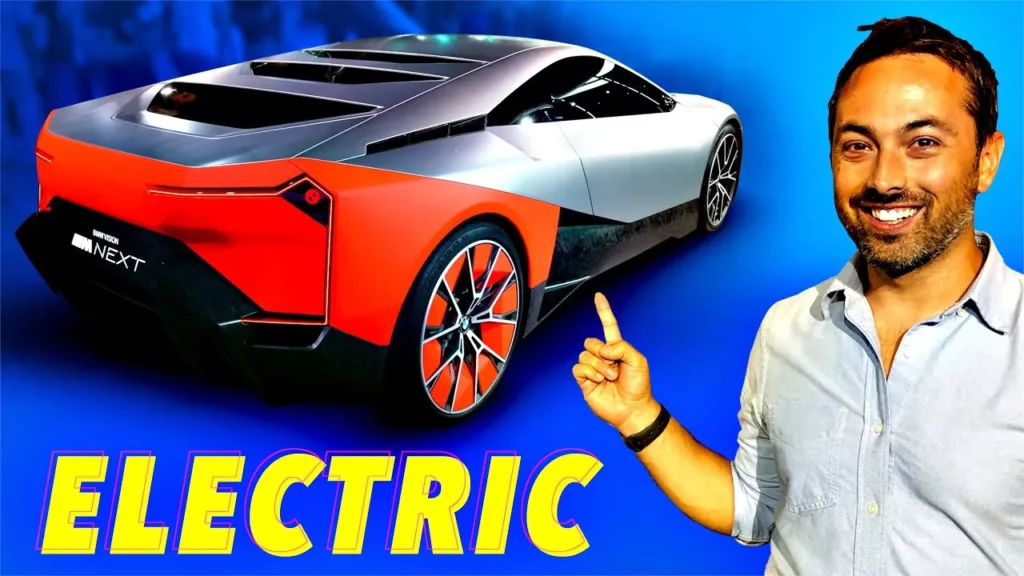
The lesson discusses the historical evolution and resurgence of electric vehicles (EVs), highlighting their advantages over traditional gasoline cars, such as cost efficiency, lower maintenance, and environmental benefits. It also emphasizes the future of transportation, which will likely include not only electric vehicles but also advancements in autonomous driving and shared mobility, indicating a significant shift in how we approach car ownership and usage. Overall, the lesson underscores that electric vehicles are poised to play a crucial role in the future of transportation.
Northern Lights From 100,000 ft!
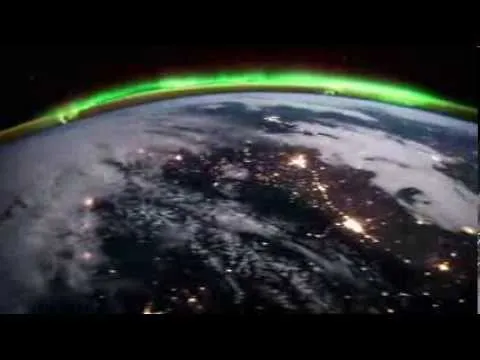
The lesson explores the Aurora Borealis, or Northern Lights, detailing its formation due to solar activity and its impact on Earth. A research trip to Fairbanks, Alaska, involved launching high-altitude balloons to capture images of the Aurora, providing valuable data for understanding this natural phenomenon and its effects on technology and daily life. The successful capture of the Aurora from a weather balloon marked a significant achievement in auroral research, highlighting the importance of continued exploration in this field.
Can You Overdose on Vitamins?
The lesson emphasizes the critical role of vitamin A in global health, particularly highlighting the alarming deficiency rates among children in regions like Africa and Southeast Asia, where access to this essential nutrient is limited. It discusses the severe consequences of vitamin A deficiency, such as night blindness, and the potential for recovery through timely supplementation. Additionally, the documentary “Vitamania” explores the dual nature of vitamins, their historical context, and the ongoing debate regarding the necessity and safety of vitamin supplements, ultimately aiming to inform better health choices for future generations.
The Man Who Accidentally Killed The Most People In History
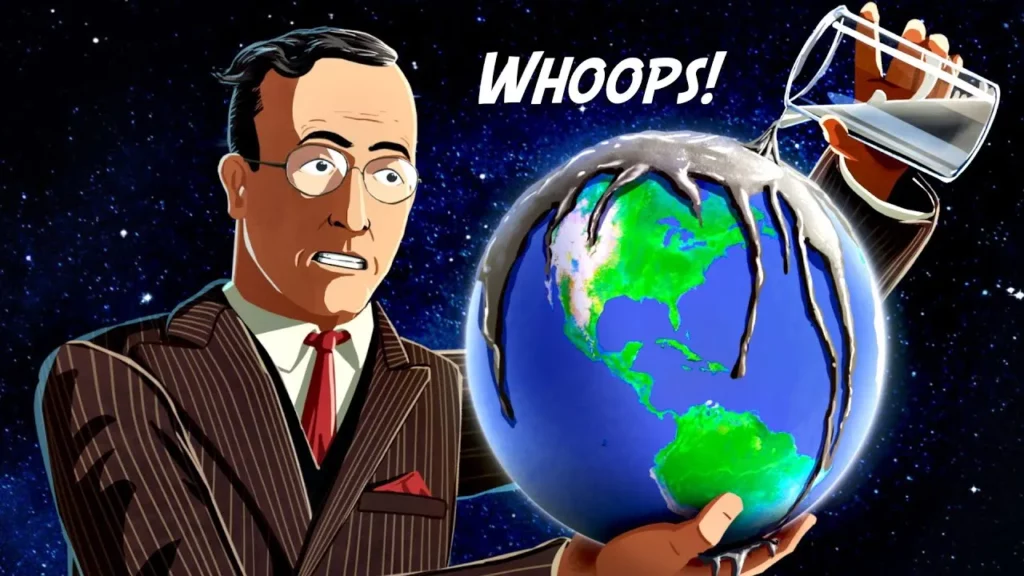
The lesson explores the unintended consequences of scientific innovation through the stories of Clair Patterson and Thomas Midgley Jr. Patterson’s research on lead contamination revealed alarming health risks linked to lead exposure, while Midgley’s development of leaded gasoline and chlorofluorocarbons (CFCs) initially solved problems but ultimately led to significant public health and environmental crises. Their legacies underscore the importance of ethical considerations in scientific advancements and the need to prioritize public health and environmental protection.
Five Firsts for Mars InSight
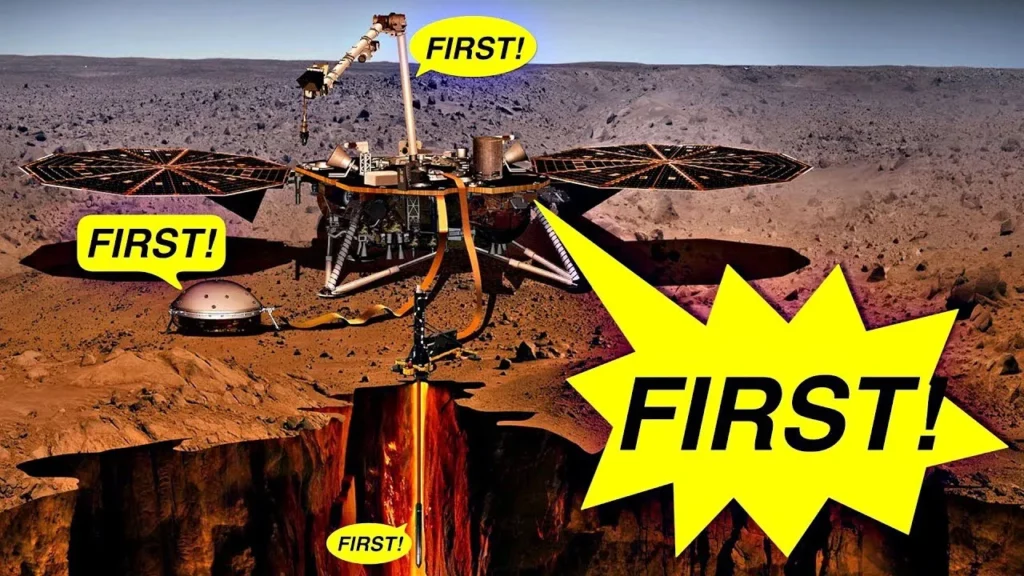
NASA’s InSight mission, set to land on Mars on November 26, focuses on exploring the planet’s interior rather than searching for signs of life. Equipped with a robotic arm, a seismometer, a heat probe, and a magnetometer, InSight aims to gather data on Mars’ geological activity, core composition, and thermal properties, providing insights into the planet’s evolution compared to Earth. This mission represents a significant advancement in our understanding of rocky planets and their formation processes.
Evolutionarily Stable Strategies ft. Richard Dawkins
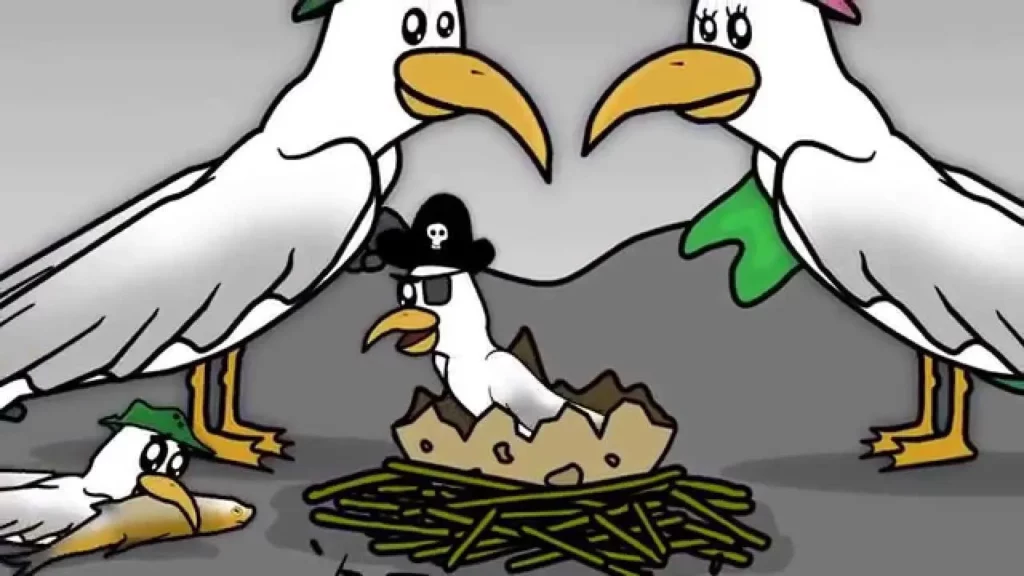
The lesson on Evolutionarily Stable Strategies (ESS) explains how certain behaviors or traits persist in populations based on the interactions and strategies of individuals within that population. Using the example of sea birds as fishers and pirates, it illustrates that neither strategy is stable on its own; rather, a balanced mix of both can coexist successfully. This concept is further exemplified by the stable sex ratio in populations, highlighting how natural selection maintains equilibrium among competing strategies.
This is why we can’t have nice things
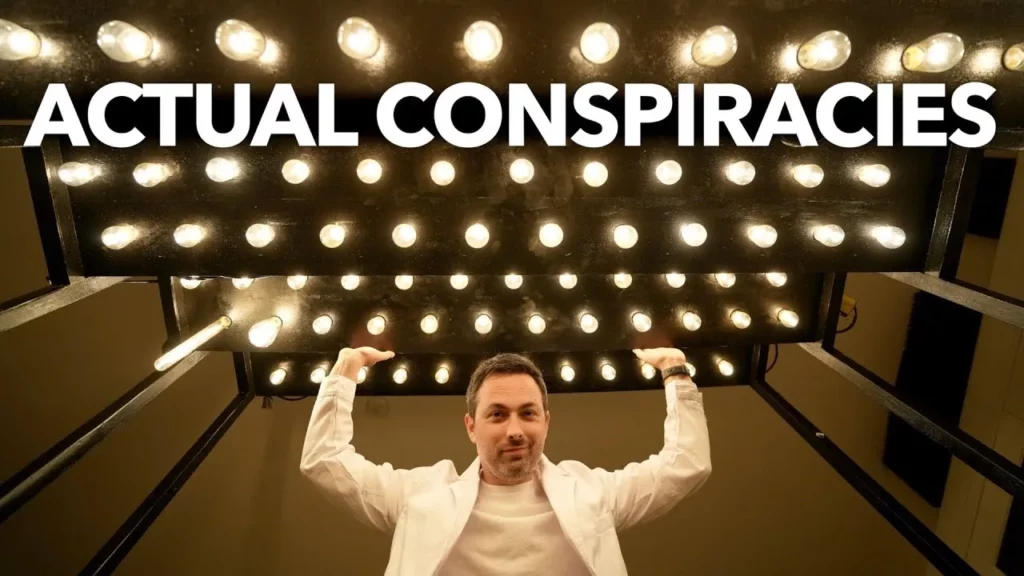
The lesson explores the historical influence of the Phoebus Cartel on the lifespan of light bulbs, revealing how this secret group intentionally reduced bulb longevity to boost sales through planned obsolescence. It highlights the contrast between the enduring Livermore light bulb and the engineered short lifespan of modern bulbs, while also discussing the broader implications of planned obsolescence in consumer products today. The lesson concludes by emphasizing the need for transparency and sustainability in product design to combat this cycle.
A Physics Prof Bet Me $10,000 I’m Wrong
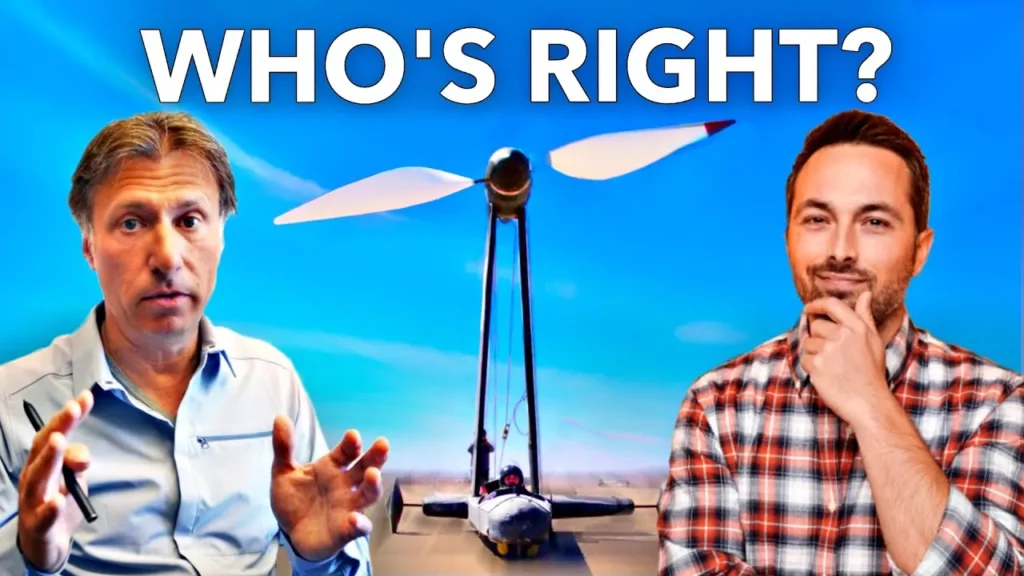
The lesson explores the intriguing claim that a car named Blackbird can travel faster than the wind using only wind power, leading to a $10,000 bet between its creator and UCLA physics professor Alex Kusenko. Despite initial skepticism regarding factors like wind speed variability and experimental accuracy, the evidence presented by the creator ultimately convinced Kusenko, highlighting the importance of scientific inquiry and open-mindedness in the pursuit of knowledge. The outcome underscores how scientific debates can foster learning and promote effective science communication.
How Can Trees Be Taller Than 10m?
In this lesson, we explored the fascinating process by which trees transport water from their roots to their leaves, highlighting that it involves a complex system of cells rather than a single long column. Key mechanisms include osmotic pressure, which helps create the necessary force to move water upward, and various theories such as capillary action and the non-continuous nature of the water column. Overall, the lesson emphasizes the ongoing mystery of tree water movement and encourages curiosity about tree biology.