
How Long Will You Live?
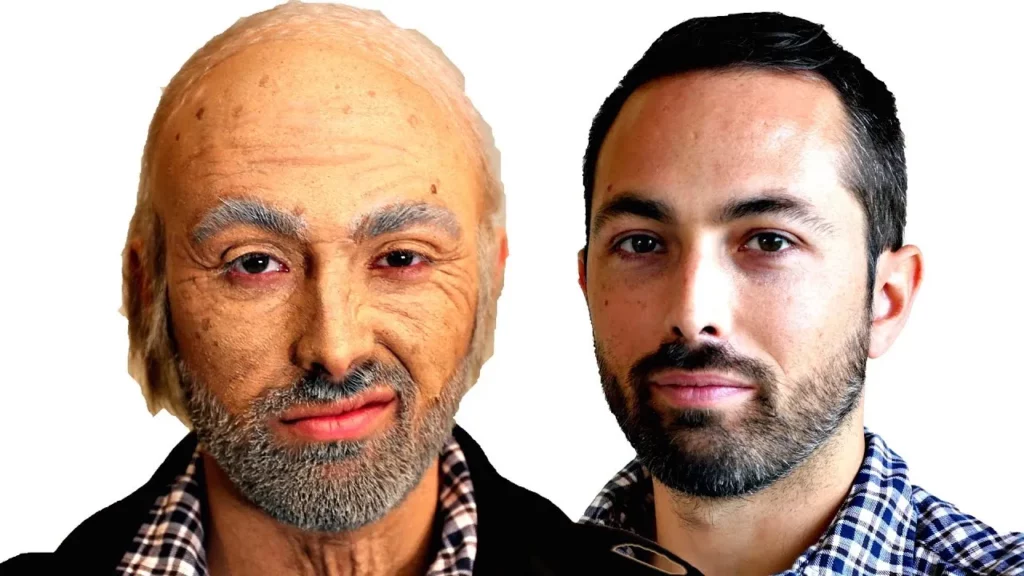
The lesson “Understanding Aging: Insights from Science” explores the evolution of human life expectancy over the past 10,000 years, highlighting significant increases due to medical advancements. It delves into the biological mechanisms of aging, particularly the role of cellular processes and telomeres, which serve as a molecular clock for cell division. The lesson emphasizes the potential for future breakthroughs in aging research that could further extend healthy lifespans, while also acknowledging the complexities and risks associated with manipulating these biological processes.
Why Trees Are Taller Than They Need To Be
The lesson draws a parallel between the chaotic behavior of passengers at airport baggage claims and the evolutionary growth patterns of trees. Just as trees grow taller to compete for sunlight, passengers crowd around the carousel, creating a rush and blocking views for others. By recognizing this analogy, we can approach the frustrating experience of waiting for luggage with greater patience and understanding.
Q&A + Giveaway for 10 Years on YouTube
In this lesson, Veritasium reflects on a decade of creating YouTube content, sharing insights about his journey from a traditional academic background in engineering and physics to becoming a full-time creator. He emphasizes the importance of perseverance during the challenging early days, the value of showcasing one’s work to seize opportunities, and the role of family in shaping content. As he looks to the future, he invites audience feedback to guide his creative direction.
3 Sources of Water on the Moon
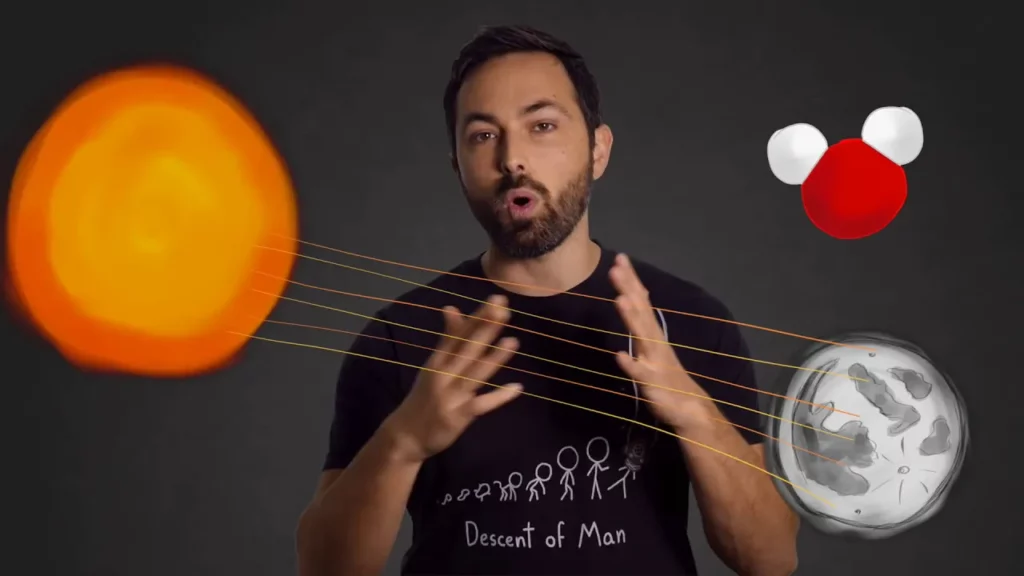
The lesson discusses the surprising discovery of water on the Moon, challenging the long-held belief that it was completely dry due to its harsh environment. Recent findings, including evidence from the 2009 impact experiment and the presence of water in permanently shadowed regions and volcanic glass beads, suggest that the Moon has water in various forms, which has significant implications for future space exploration and potential colonization. This new understanding opens up exciting possibilities for utilizing lunar resources in upcoming missions.
How We’re Redefining the kg
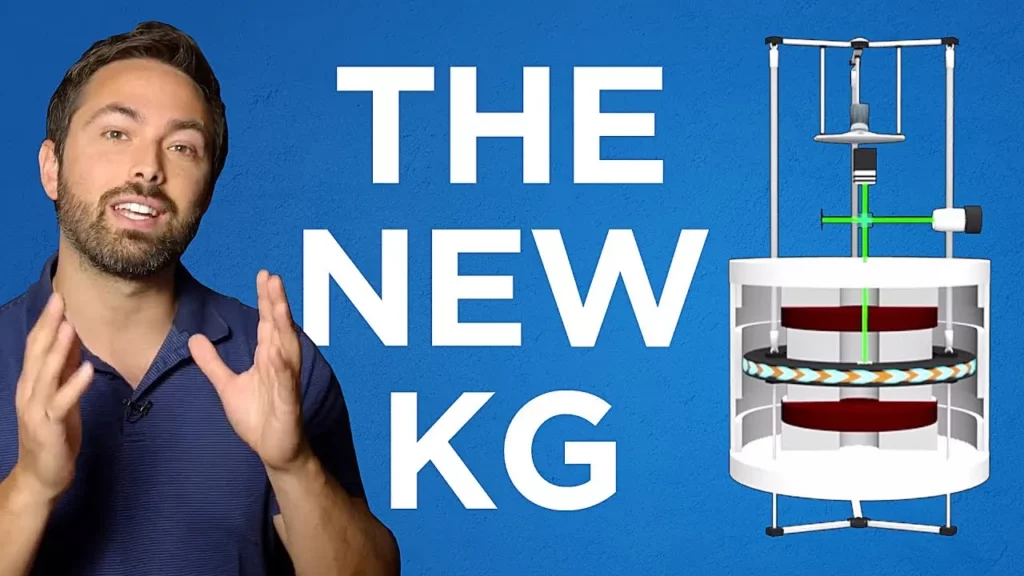
The lesson discusses the historical reliance on a physical object, the international prototype kilogram, for defining the kilogram, which has led to inconsistencies in mass measurements. It highlights the transition to a new definition based on universal constants, specifically Planck’s constant, through advanced methods like the Kibble balance and silicon sphere measurements. This shift, finalized in 2018, enhances precision in mass measurements and aligns the kilogram with modern scientific standards.
Risking My Life To Settle A Physics Debate
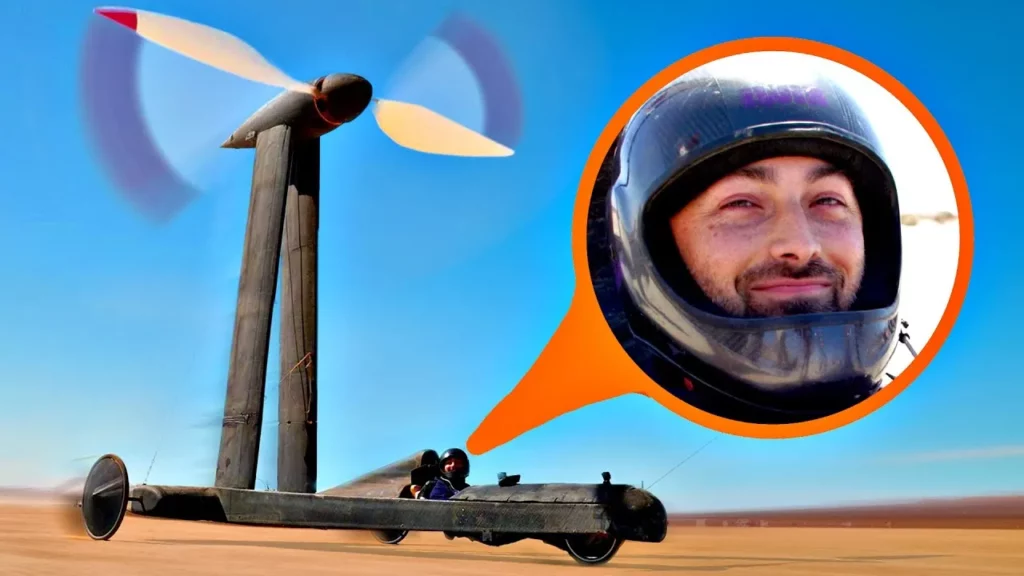
The lesson explores the innovative Blackbird propeller craft, designed to investigate whether a wind-powered vehicle can travel directly downwind faster than the wind itself, challenging traditional physics concepts. Through testing at El Mirage, the team successfully demonstrated that the Blackbird could indeed exceed wind speed by utilizing its propeller to convert wind energy into kinetic energy, highlighting the craft’s unique mechanics and the potential for new advancements in wind-powered transportation. This exploration emphasizes the importance of unconventional designs in expanding our understanding of physics and encourages further inquiry into such phenomena.
How Quantum Computers Break The Internet… Starting Now

The lesson discusses the emerging threat of quantum computing to current encryption methods, particularly the strategy known as Store Now, Decrypt Later (SNDL), where encrypted data is intercepted and stored for future decryption when quantum computers become powerful enough. It highlights the vulnerabilities of widely used algorithms like RSA, which could be easily broken by quantum algorithms such as Shor’s algorithm, prompting the development of new cryptographic standards that can withstand both classical and quantum attacks. As researchers focus on creating robust encryption methods, particularly those based on lattice mathematics, the importance of adapting to these advancements in technology is emphasized for the security of digital communications.
Spinning Tube Trick Explained
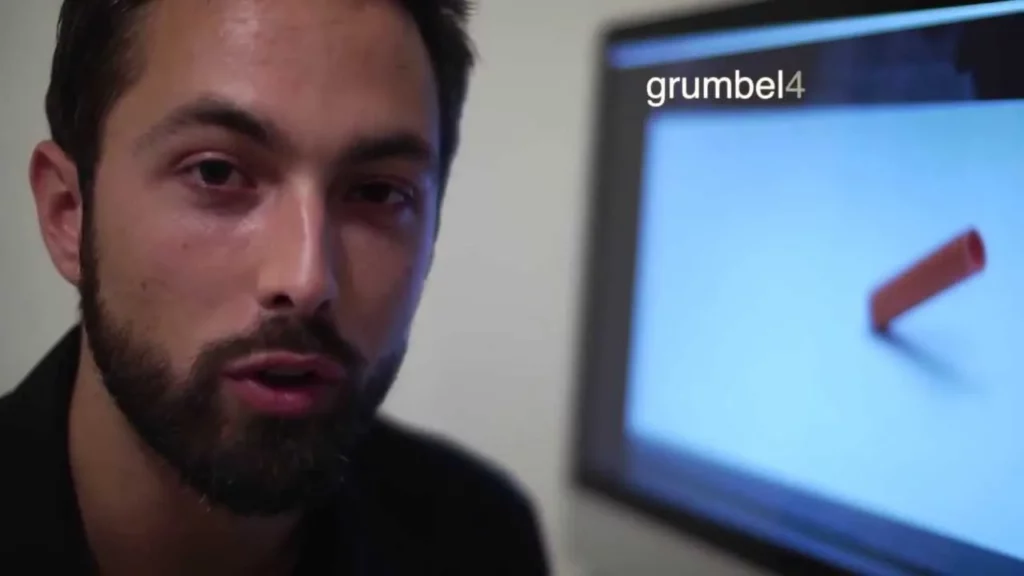
The spinning tube trick is an engaging demonstration of physics that illustrates how motion affects visibility. The trick involves a tube that spins both around its long axis and horizontally, causing certain symbols to appear more or less visible depending on their orientation and the direction of the spin. This lesson not only highlights the fascinating interplay between motion and perception but also encourages community engagement and exploration of complex physics concepts.
How They Caught The Golden State Killer
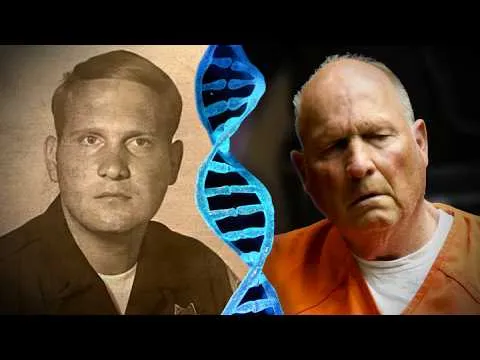
The lesson on the Golden State Killer explores the evolution of a notorious criminal case that began in the 1970s, detailing the perpetrator’s initial burglaries and subsequent escalation to sexual assault and murder. It highlights the significant challenges faced by law enforcement in solving these crimes, particularly the limitations of traditional investigative methods until the advent of DNA technology, which ultimately led to the identification and arrest of Joseph James DeAngelo in 2018. The case underscores the transformative impact of genetic testing in solving cold cases while raising important ethical considerations regarding privacy and the use of genetic data in law enforcement.
World’s Strongest Magnet!
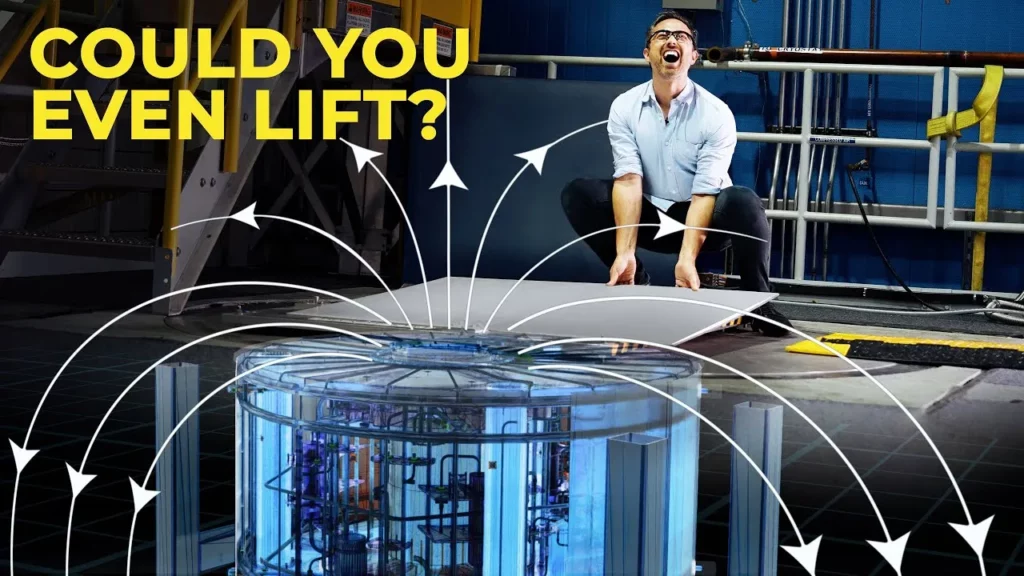
The lesson explores the National High Magnetic Field Laboratory in Tallahassee, Florida, home to the world’s strongest continuous magnetic field at 45 Tesla, significantly surpassing everyday magnets and even MRI machines. It delves into the science of magnetism, including the behavior of materials in magnetic fields, the creation of eddy currents, and the fascinating effects of ferrofluid and superconductors, while also addressing the energy consumption and sustainability efforts of the lab. Overall, the lab’s research holds promise for advancements in material science and technology.