
These Illusions Fool Almost Everyone
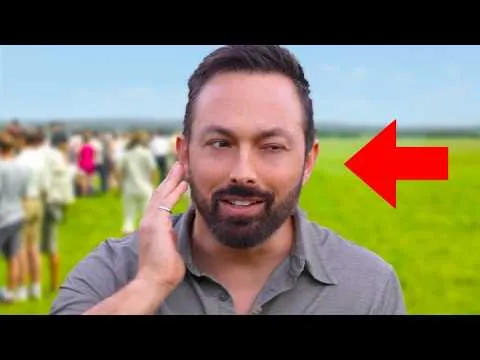
The lesson explores the intricate relationship between sound perception and the brain, highlighting how our auditory system interprets sounds beyond mere frequencies. Through examples like the Sydney Town Hall pipe organ, the missing fundamental, and various audio illusions such as the Shepard tone and phantom word illusion, it illustrates that our hearing is influenced by context, expectations, and even the physical shape of our ears. Ultimately, the lesson emphasizes the complexity of sound perception and the remarkable ways our brains construct our auditory experiences.
10 Facts About Great White Sharks

Great white sharks are fascinating and often misunderstood marine predators, known for their unique reproductive and physiological traits. They give birth to live pups, have a long gestation period, and can maintain a higher body temperature than the surrounding water, aiding their survival in colder environments. Despite common misconceptions about their behavior and health, ongoing research is essential for their conservation and understanding of their ecological role in the ocean.
Indestructible Coating?!
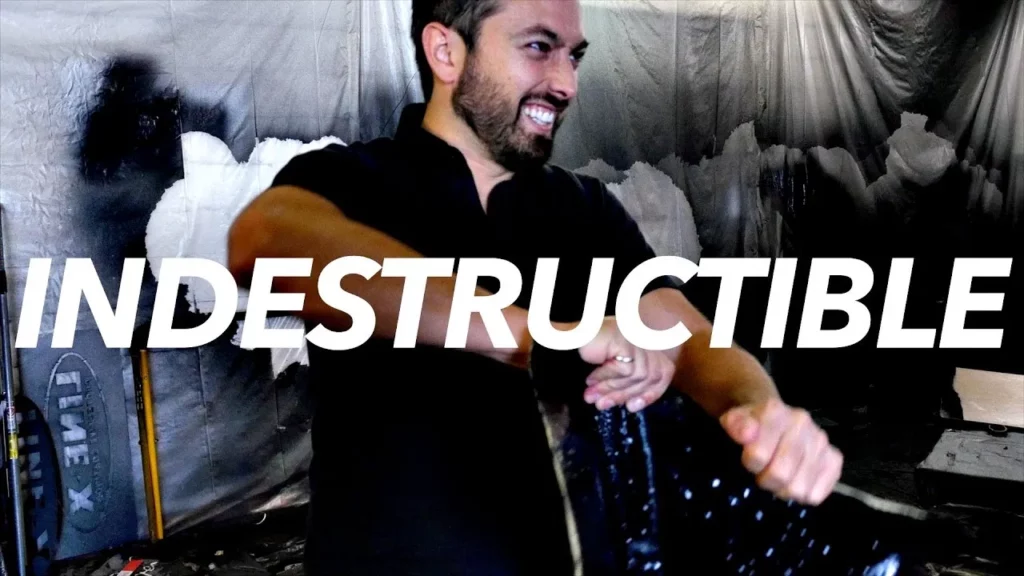
The “Incredible Watermelon Drop Experiment” conducted by the “How Ridiculous” YouTube channel demonstrated the protective capabilities of Line-X coating by comparing a regular watermelon drop to one coated with Line-X from a height of 45 meters. While the unprotected watermelon shattered upon impact, the Line-X coated watermelon bounced and remained mostly intact, showcasing the coating’s unique properties derived from its polyurea composition, which provides both hardness and flexibility. This experiment not only entertained but also highlighted the real-world applications of Line-X in enhancing safety in various environments, including military and protective gear.
The Most Controversial Problem in Philosophy

The Sleeping Beauty problem presents a philosophical dilemma regarding probability and perception, illustrated through a thought experiment where Sleeping Beauty is awakened based on the outcome of a coin flip. The debate centers around two positions: the Halfer position, which asserts a 50% probability for heads, and the Thirder position, which argues for a 33.3% probability due to the multiple awakening scenarios. This discussion not only challenges our understanding of probability but also prompts deeper reflections on how we interpret information and make decisions in uncertain contexts.
What Is The Coastline Paradox?

The lesson explores the Great Ocean Road in Australia, highlighting its stunning landscapes and the famous Twelve Apostles rock formations. It introduces the Coastline Paradox, illustrating how the length of a coastline can vary significantly based on the measurement method used, and discusses the fractal nature of coastlines, exemplified by the Koch snowflake. Ultimately, the lesson emphasizes the complexities of measurement in relation to natural features.
Does Planet 9 Exist?
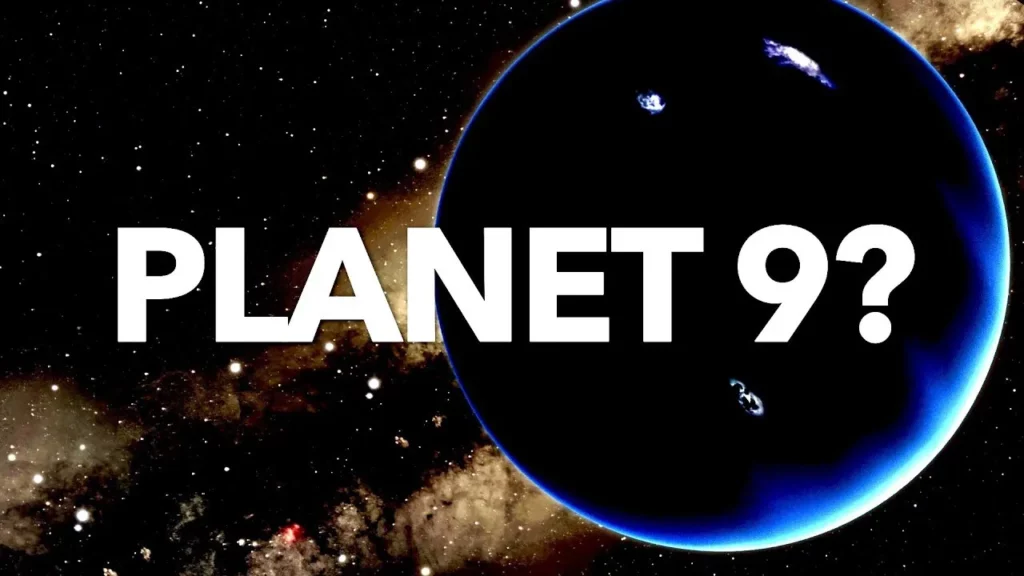
The lesson explores the ongoing search for Planet 9, a hypothesized massive planet in our solar system that may influence the orbits of distant objects in the Kuiper Belt. It discusses the historical context of planet discovery, the significance of observational data, and the challenges faced by astronomers in locating this elusive planet. The lesson concludes with the anticipation of new technology, such as the Large Synoptic Survey Telescope, which could enhance the search and deepen our understanding of the solar system.
Slinky Drop
The lesson at the University of Sydney, led by physicist Rod Cross, explores the principles of motion and gravity through an engaging slinky experiment. Participants predict the outcome of dropping a slinky and observe the surprising results, which illustrate key concepts in physics. This hands-on approach makes complex scientific ideas more accessible and enjoyable to understand.
These are the asteroids to worry about

The Chelyabinsk asteroid incident on February 15, 2013, underscored the urgent need for improved detection and prediction of asteroid impacts, as a previously undetected asteroid exploded over Russia, injuring over 1,500 people. Despite advancements in technology, the challenges of spotting small, dark near-Earth objects remain significant, with only a small fraction of asteroids detected before impact. To mitigate potential threats, enhancing detection capabilities and developing effective response strategies are crucial, as smaller asteroids still pose a risk of considerable damage to Earth.
World’s First Car!

The lesson explores the evolution of automotive safety, beginning with the invention of the first motor vehicle by Karl Benz in 1886 and highlighting key advancements over the years. It discusses the introduction of crucial safety features such as crumple zones, seatbelts, airbags, and active safety systems like Anti-lock Braking System (ABS), emphasizing the ongoing commitment to improving vehicle safety. The lesson concludes by looking forward to future innovations, such as Intelligent Drive technology, which aim to enhance safety and efficiency on the roads.
The Bayesian Trap
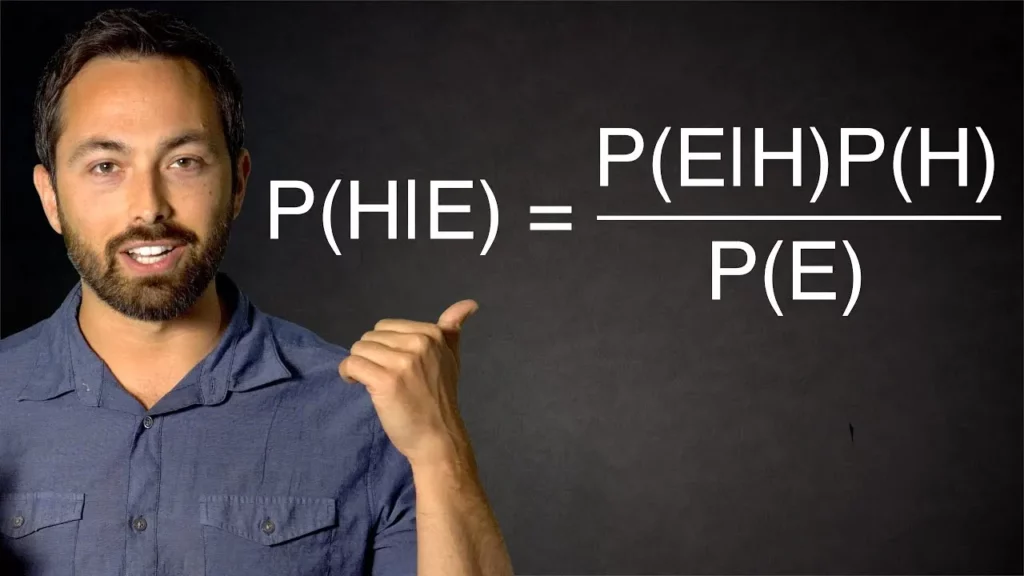
The lesson on Bayes’ Theorem emphasizes its role in updating probabilities based on new evidence, particularly in medical testing scenarios. By illustrating how a positive test result for a rare disease can lead to a misleading assumption of certainty, it highlights the importance of context and sample size in interpreting results. Additionally, the lesson discusses the theorem’s broader applications, psychological implications, and the necessity of reassessing beliefs in light of new information to make more informed decisions.