
The Science of Curveballs
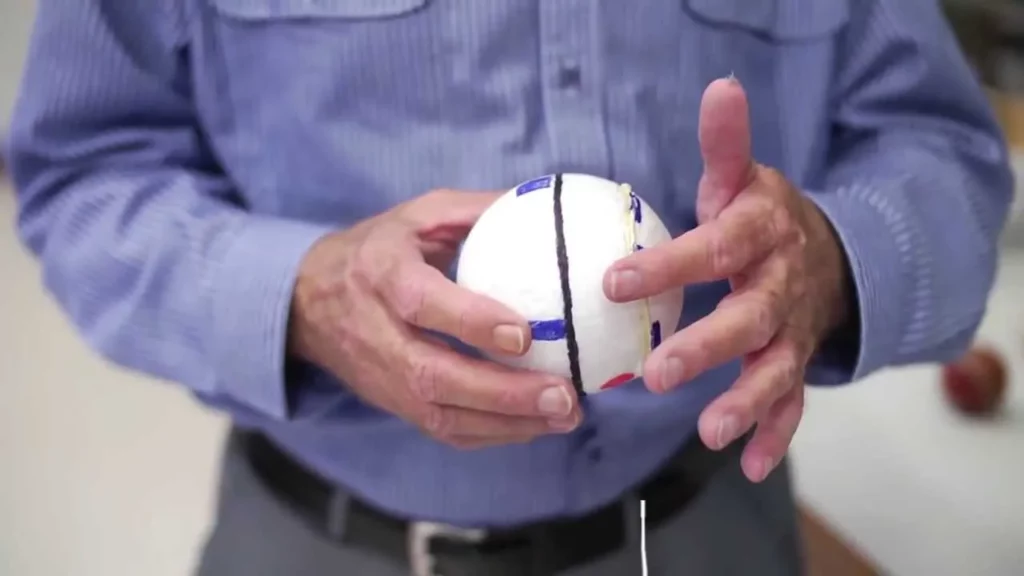
The lesson explores the physics behind ball curvature in sports like baseball and cricket, highlighting how airflow and the design of the ball influence its movement. It explains the role of the ball’s seam and surface texture in creating turbulent air, which affects the ball’s trajectory, and introduces concepts like the Magnus effect and recent discoveries that enhance players’ ability to control the ball’s swing. Understanding these principles not only deepens appreciation for the sport but also aids in improving players’ skills.
An Astronaut’s View of Earth
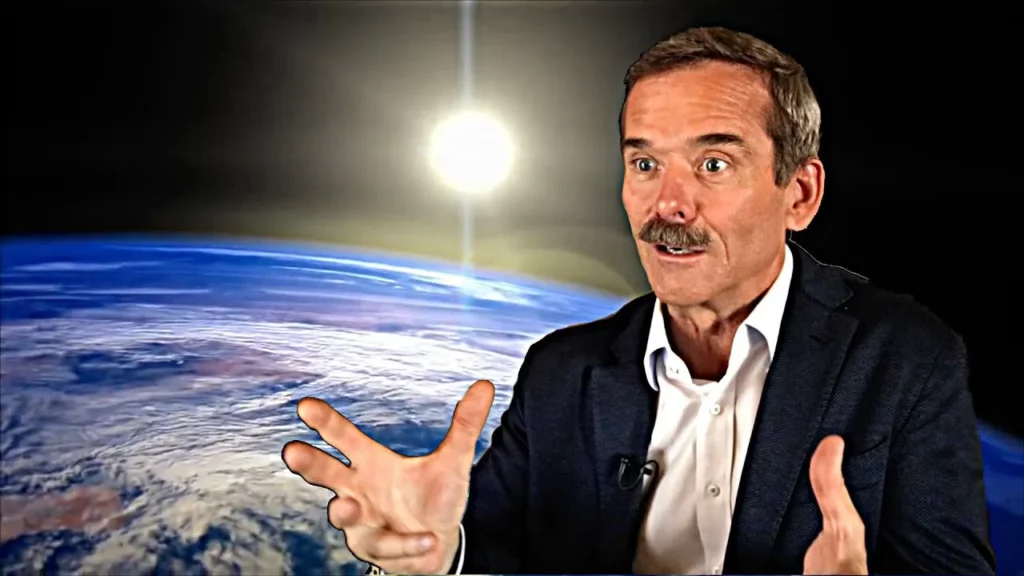
In the lesson “A Journey Through Space: Reflections on Earth from Above,” the author shares their profound experiences during a space walk, highlighting the beauty of Earth and the interconnectedness of its systems. They reflect on the impact of human activity, such as pollution and the shrinking of the Aral Sea, emphasizing the urgent need for collective responsibility in addressing environmental challenges. Ultimately, the lesson serves as a call to action, encouraging individuals to recognize their role in fostering a sustainable future for the planet.
Levitating Barbecue! Electromagnetic Induction
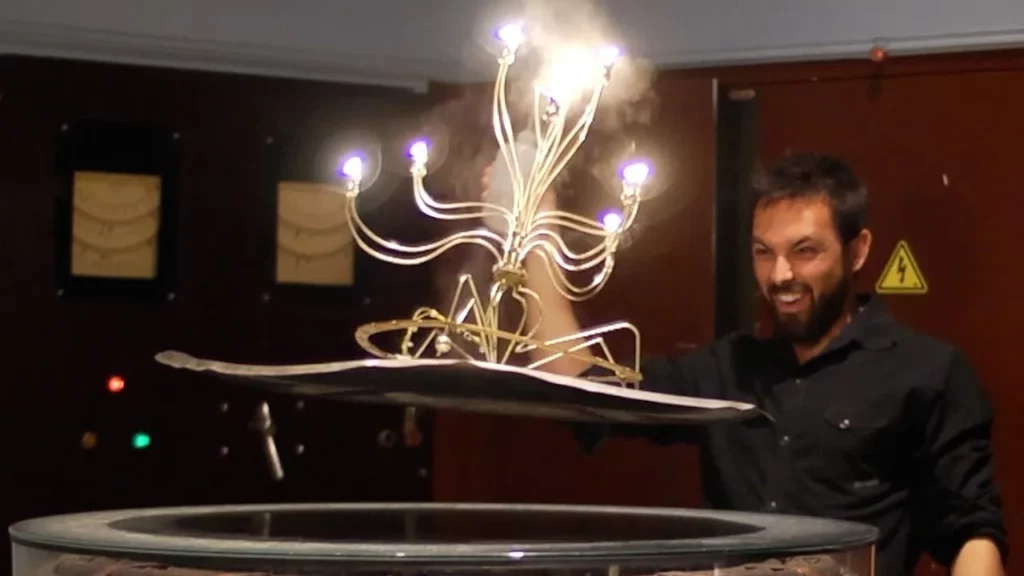
The lesson explores the concept of electromagnetic induction, first discovered by Michael Faraday in the 19th century, highlighting his groundbreaking experiments at the Royal Institution. Through a modern demonstration involving an aluminum plate and a coil of wire, the lesson illustrates how a changing magnetic field can induce electric currents, showcasing the practical applications of this phenomenon in levitation, lighting, and cooking. Faraday’s Law remains a fundamental principle in electromagnetic science, emphasizing its significance and versatility.
The Illusion Only Some People Can See
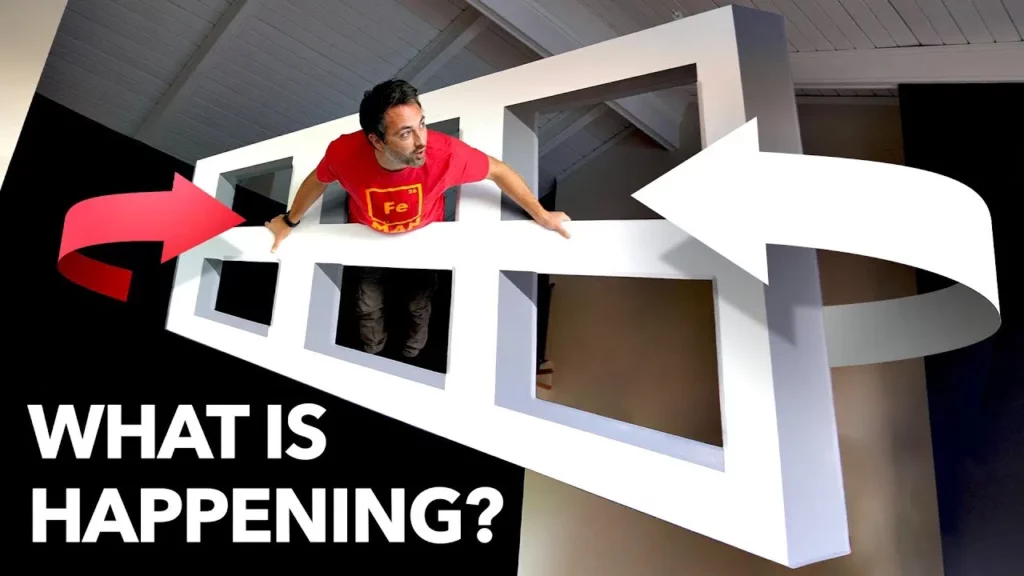
The Ames Window illusion challenges our perception by creating the appearance of movement in a trapezoidal shape that is actually spinning in a circle. This optical trick highlights how our brains, influenced by familiar rectangular environments, can misinterpret visual information, as demonstrated in experiments and cultural studies. Ultimately, the illusion serves as a reminder of the complexities of perception and encourages us to remain open-minded about our understanding of reality.
Sparks from Falling Water: Kelvin’s Thunderstorm
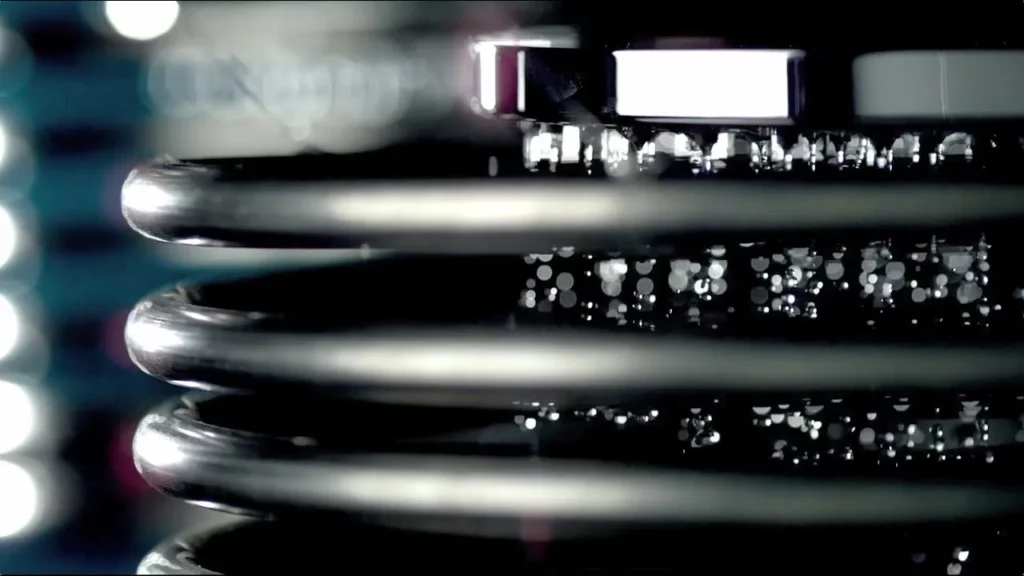
In this lesson, we explored the physics behind generating electricity using water through an experiment inspired by the Hunger Games. By utilizing rain shower heads to create charged water streams, we demonstrated how a separation of charge occurs, leading to the generation of high voltage sparks, albeit with low current. This experiment, reminiscent of Lord Kelvin’s discoveries, showcases the principles of electricity and energy generation, while also highlighting the limitations of such a system in practical applications.
How did they actually take this picture? (Very Long Baseline Interferometry)
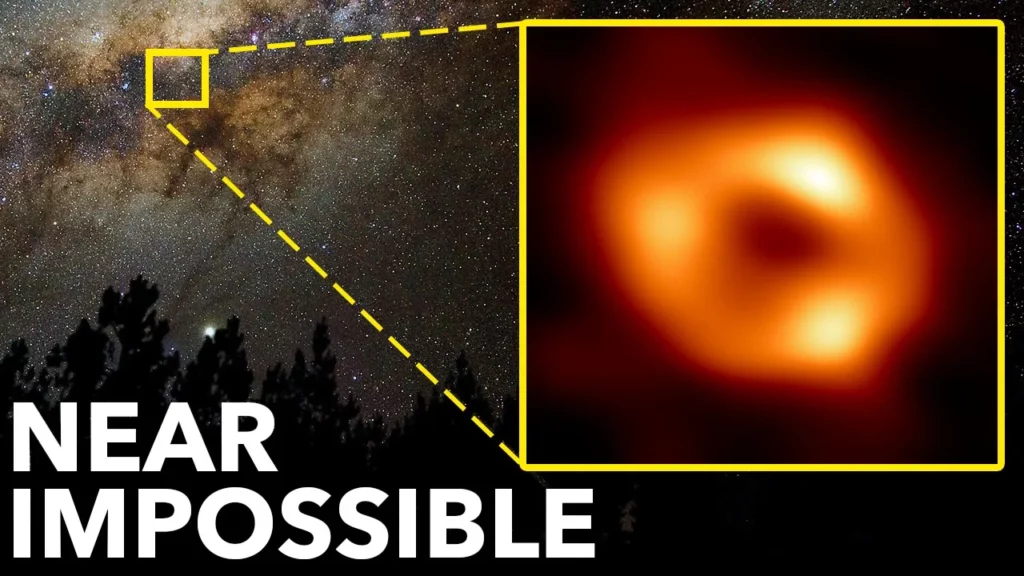
The lesson on Sagittarius A* explores the supermassive black hole at the center of the Milky Way, detailing the challenges of observing it due to its size and the obstructive interstellar material. Utilizing advanced techniques like Very Long Baseline Interferometry (VLBI), astronomers captured an image revealing the black hole’s event horizon and surrounding accretion disk, enhancing our understanding of black holes and their impact on the universe. This achievement marks a significant milestone in astrophysics, showcasing the collaborative efforts of global observatories in unraveling cosmic mysteries.
Snatoms! The Magnetic Molecular Modeling Kit
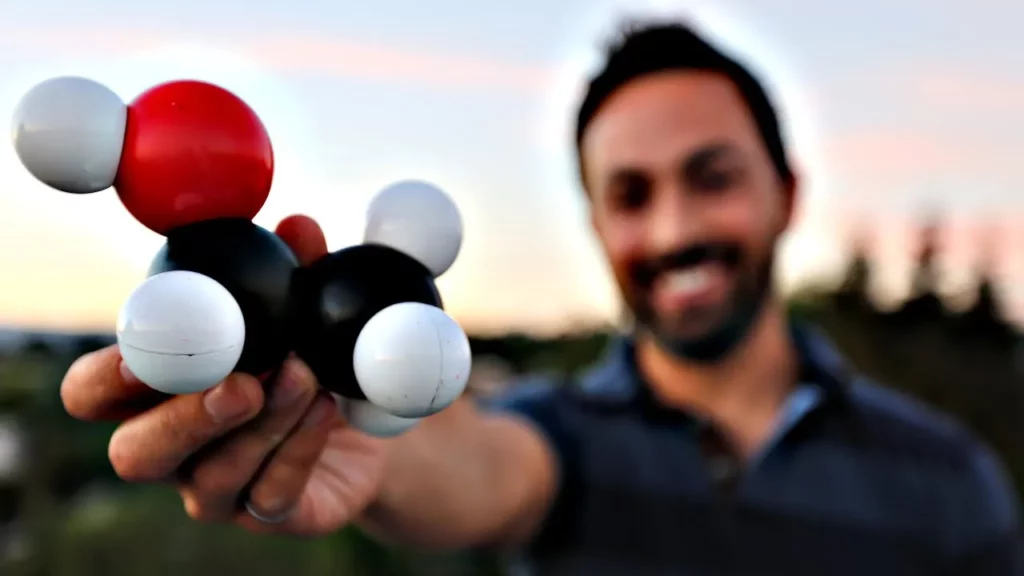
The lesson focuses on understanding chemistry through a hands-on approach using Snatoms, a Magnetic Molecular Modeling Kit designed to simplify the learning of molecular structures and chemical bonding. By allowing students to physically build molecules, Snatoms address common misconceptions about energy in chemical bonds and provide a more realistic representation of molecular interactions compared to traditional models. The lesson emphasizes the importance of tactile learning and encourages support for the development of Snatoms to enhance science education.
How to Launch a Nuclear Missile

The lesson explores the Titan II missile silos from the Cold War era, highlighting their role in the tense standoff between the United States and the Soviet Union. It details the sophisticated launch process, including sound-absorbing technology to mitigate noise during launches, strict authentication procedures, and the dual purpose of the Titan missiles in both deterrence and space exploration. Ultimately, the lesson underscores the complexities of nuclear deterrence and the importance of responsible management of powerful technologies.
What The Ultimate Study On Happiness Reveals

The lesson emphasizes that true happiness and fulfillment stem primarily from the quality of our relationships and physical health, rather than wealth alone. Insights from the Harvard Study of Adult Development reveal that strong social connections significantly enhance longevity and well-being, while loneliness poses serious health risks. To cultivate happiness, individuals should prioritize meaningful relationships and engage in regular efforts to connect with others.
Can Humans Sense Magnetic Fields?
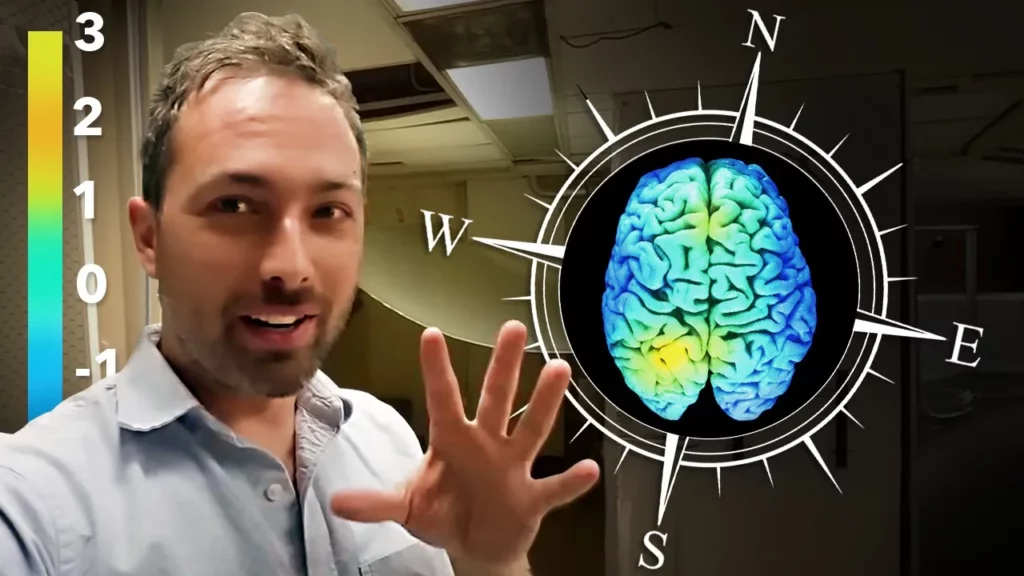
The study conducted by Professor Shin Shimojo and his team at Caltech investigates the potential for human magnetoreception, exploring whether humans can subconsciously detect changes in magnetic fields. Using a specialized chamber and monitoring brain activity, preliminary findings indicate that some participants exhibit a decrease in alpha wave power in response to rotating magnetic fields, suggesting an implicit ability to sense these changes. This research opens avenues for understanding the evolutionary significance of magnetoreception in humans and its possible cultural influences on navigation skills.