
The Discovery That Transformed Pi
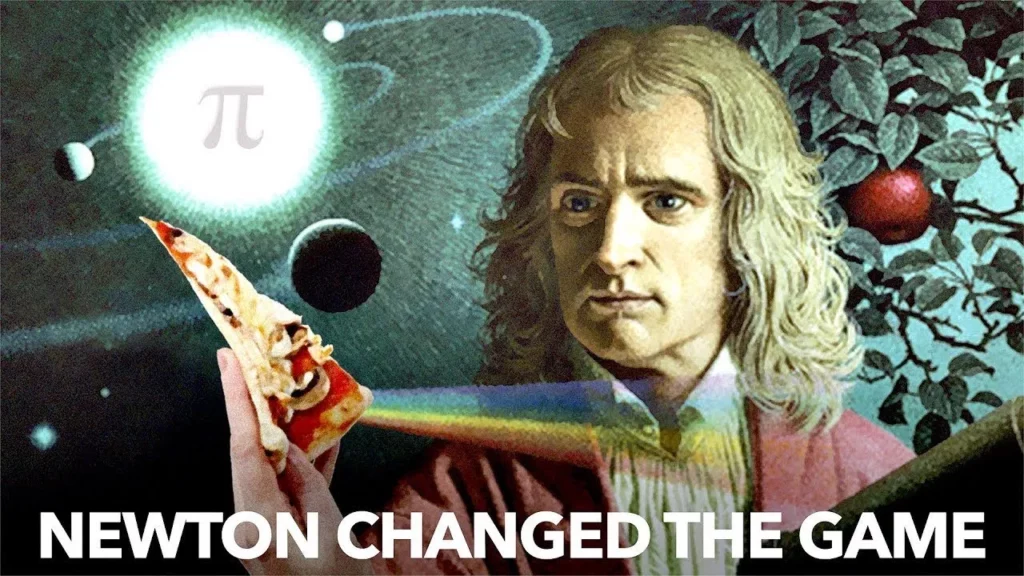
The lesson explores the historical evolution of Pi calculation, highlighting the transition from Archimedes’ geometric methods involving inscribed polygons to Isaac Newton’s groundbreaking use of calculus. Newton’s extension of the binomial theorem to include negative and fractional powers allowed for the development of infinite series, significantly improving the efficiency and precision of Pi calculations. This shift not only transformed the computation of Pi but also marked a pivotal moment in the advancement of mathematical techniques.
Turbulent Flow is MORE Awesome Than Laminar Flow

This lesson explores the fundamental concepts of laminar and turbulent flow within fluid dynamics. Laminar flow is characterized by smooth, orderly movement of fluid particles in parallel layers, while turbulent flow is marked by chaotic, unpredictable behavior with swirling eddies. The lesson highlights the significance of the Reynolds number in predicting flow regimes, the practical applications of turbulence in fields like aviation and sports, and the essential role turbulence plays in natural phenomena, emphasizing its complexity and importance in understanding fluid behavior.
The Absurd Search For Dark Matter
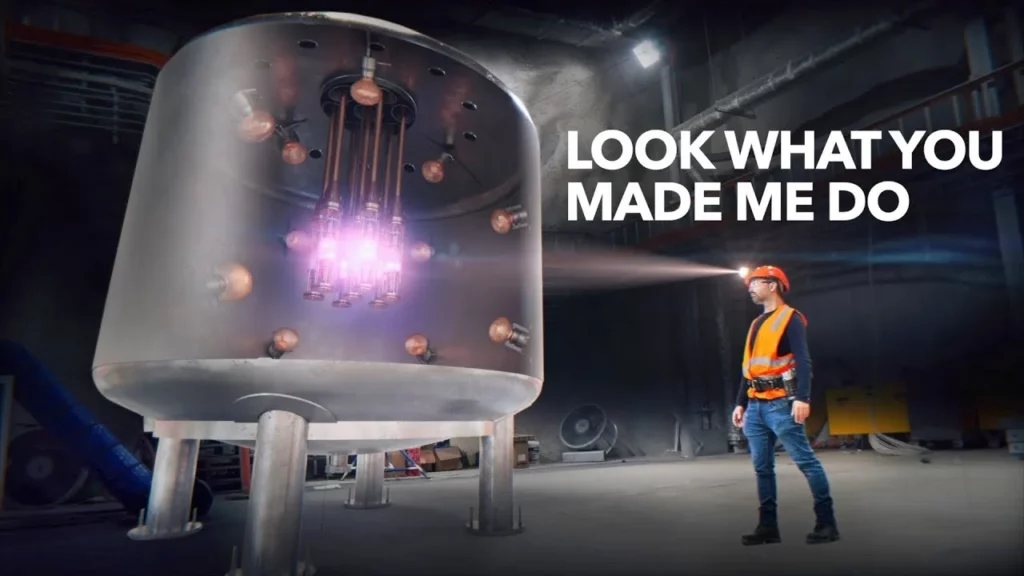
The lesson explores the ongoing quest to uncover the mysteries of dark matter, a substance believed to constitute about 85% of the universe’s mass. Scientists are setting up a new detector one kilometer underground in a Melbourne gold mine to search for dark matter particles, particularly focusing on the intriguing periodic signals detected by the DAMA/LIBRA experiment. The research aims to either confirm the existence of dark matter or challenge existing theories, ultimately enhancing our understanding of the cosmos.
The world depends on a collection of strange items. They’re not cheap

The lesson explores the critical role of Standard Reference Materials (SRMs) produced by the National Institute of Standards and Technology (NIST) in ensuring accuracy and consistency across various industries. These materials, ranging from everyday items like peanut butter to unique samples such as domestic sludge, are essential for calibrating equipment and validating measurements, thereby supporting food safety, environmental monitoring, and industrial standards. As NIST continues to innovate, the development of new SRMs, including living materials for medical applications, underscores their ongoing importance in scientific research and public safety.
The Riddle That Seems Impossible Even If You Know The Answer

The 100 prisoners riddle illustrates how a counterintuitive strategy can significantly enhance survival odds through strategic thinking and mathematical reasoning. Instead of randomly selecting boxes, prisoners can follow a loop strategy based on cycles, which increases their chances of success to about 30% by leveraging the structure of permutations. This lesson emphasizes the importance of understanding underlying principles in problem-solving to improve outcomes in seemingly impossible situations.
How Close We’ve Come to Nuclear War

The lesson highlights the significant dangers associated with nuclear weapons, focusing on historical near-disasters that could have led to catastrophic outcomes. Key incidents, such as the Palomares incident and the Cuban Missile Crisis, underscore the risks of accidental detonations, lost bombs, and false alarms, revealing that the greatest threat may stem from accidents rather than deliberate use. Despite a reduction in nuclear arsenals since the Cold War, the ongoing existence of these weapons continues to pose a serious risk to global safety.
The 4 things it takes to be an expert

The lesson “Understanding Expertise: The Science Behind Mastery” explores the cognitive processes that differentiate experts from novices, emphasizing the roles of memory, recognition, and deliberate practice. It highlights the importance of structured environments and timely feedback in developing expertise, while also debunking the myth that mere experience guarantees mastery. Ultimately, the lesson underscores that true expertise is achieved through a combination of focused effort, continuous learning, and the ability to recognize and respond to complex patterns.
Why The First Computers Were Made Out Of Light Bulbs

The lesson outlines the evolution of electronics, beginning with the invention of the light bulb and its implications for modern technology. Key developments, such as the thermionic diode and triode, paved the way for amplification and the birth of digital computing, culminating in the creation of the ENIAC, the first electronic programmable computer. The transition from vacuum tubes to solid-state electronics marked a significant advancement, leading to the compact and efficient devices we rely on today.
Do Salt Lamps Work?

The lesson explores the concept of negative ions and their potential health benefits, highlighting that while some studies suggest positive effects such as improved mood and reduced headaches, the scientific evidence remains inconclusive. It discusses the sources of negative ions, the questionable efficacy of Himalayan salt lamps, and the mixed results of research on their health implications. Ultimately, the lesson suggests that spending time in nature may offer more tangible benefits for mental and physical well-being than relying solely on negative ions.
The Rainiest Place On Earth

The world’s largest rainfall simulator in Tsukuba, Japan, plays a crucial role in disaster prevention by allowing researchers to study the effects of extreme weather, particularly heavy rainfall, which can lead to devastating floods and landslides. With its ability to mimic various rainfall intensities, the simulator aids in understanding the complex interactions between water, soil, and human activities, ultimately contributing to effective strategies for protecting communities from natural disasters exacerbated by climate change. This innovative technology not only enhances disaster preparedness but also supports advancements in fields like autonomous vehicle safety in adverse weather conditions.