
The Universe is Hostile to Computers
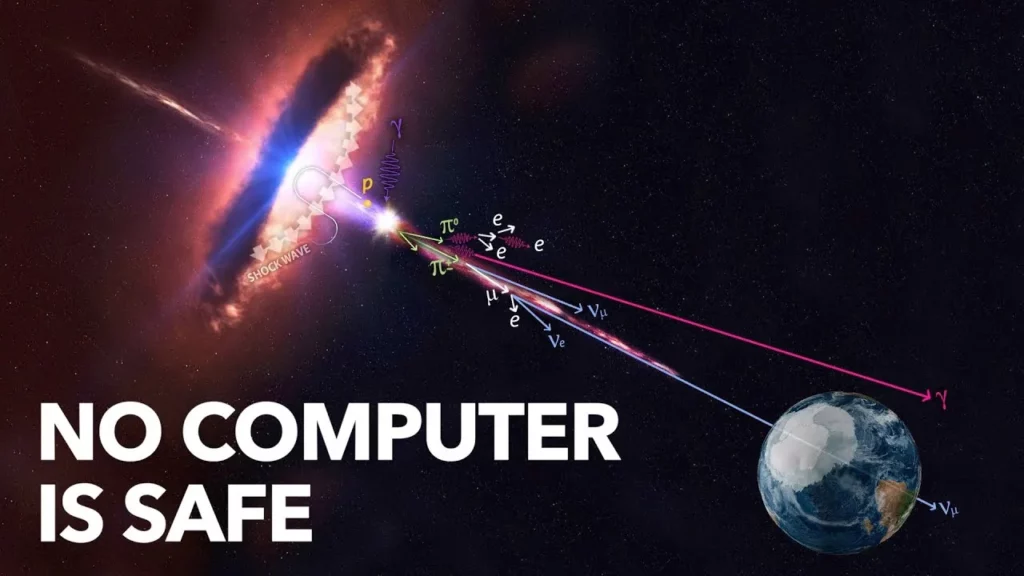
The lesson discusses the mysterious incident during the 2003 Belgian elections, where candidate Maria Vindevogel received an inexplicably high vote count that was later found to be linked to a potential bit flip caused by cosmic rays. Investigations revealed that cosmic rays, high-energy particles from space, can induce errors in electronic systems, highlighting the importance of understanding their impact on technology, especially in critical applications like aviation. This case serves as a reminder of the unseen forces that can affect technology and the need for robust error correction mechanisms to ensure reliability.
What Happens If A Star Explodes Near The Earth?

The lesson explores the catastrophic potential of supernovae and gamma ray bursts (GRBs) occurring near Earth, detailing how these stellar explosions can threaten our atmosphere and life. It explains the mechanics of supernovae, their historical observations, and the potential impacts on Earth, including evidence of past supernovae influencing extinction events. Ultimately, while these cosmic phenomena pose significant risks, they also play a vital role in the formation of stars and planets, highlighting the dual nature of destruction and creation in the universe.
The Most Powerful Computers You’ve Never Heard Of

The Antikythera mechanism, discovered in 1901, is an ancient Greek analog computer that utilized 37 interlocking bronze gears to model celestial movements and predict eclipses, showcasing advanced engineering for its time. The lesson highlights the evolution of computing from analog systems, like the Antikythera mechanism and Lord Kelvin’s innovations for tidal predictions, to the dominance of digital computers, while also noting a resurgence of interest in analog computing for modern applications. This history illustrates the continuous human quest for solving complex problems through innovative technology.
The Surprising Secret of Synchronization

The lesson explores the concept of spontaneous order within the context of the second law of thermodynamics, which suggests a natural tendency towards chaos. Through various examples, such as the wobbling of the Millennium Bridge and the synchronization of metronomes and fireflies, it illustrates how complex systems can exhibit emergent order despite chaotic tendencies. Ultimately, the lesson emphasizes the importance of understanding the interactions within these systems to grasp the balance between order and chaos in the universe.
Parallel Worlds Probably Exist. Here’s Why
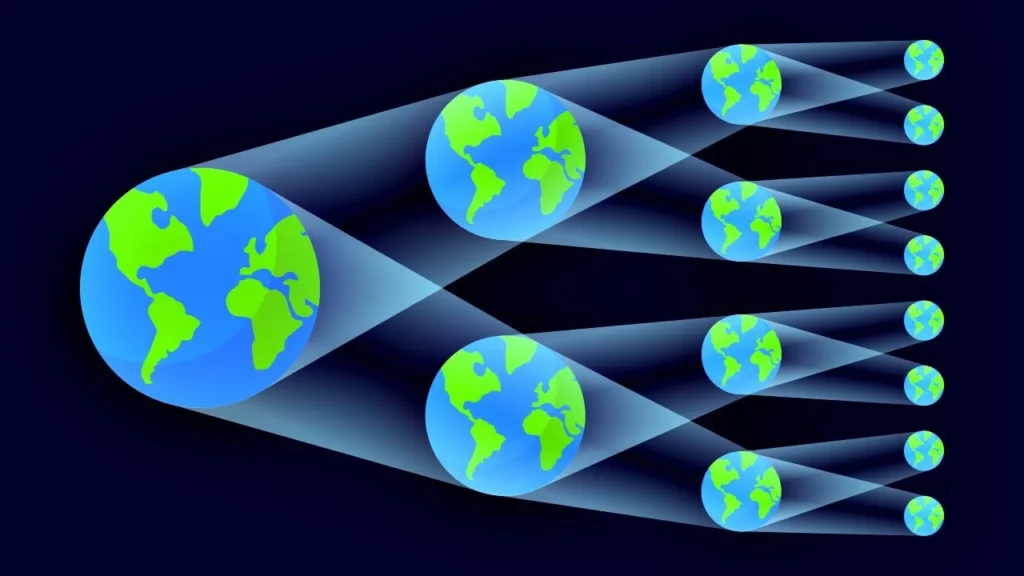
This lesson delves into the complexities of quantum mechanics, using Schrödinger’s cat thought experiment to illustrate key concepts such as superposition, entanglement, and the nature of measurement. It contrasts classical mechanics with quantum mechanics, highlighting the probabilistic nature of the latter and introducing the many-worlds interpretation, which posits that every quantum event creates multiple realities. Ultimately, the lesson encourages a reevaluation of our understanding of reality, suggesting that our experiences are merely a fraction of a vast multiverse.
The Problem With Science Communication
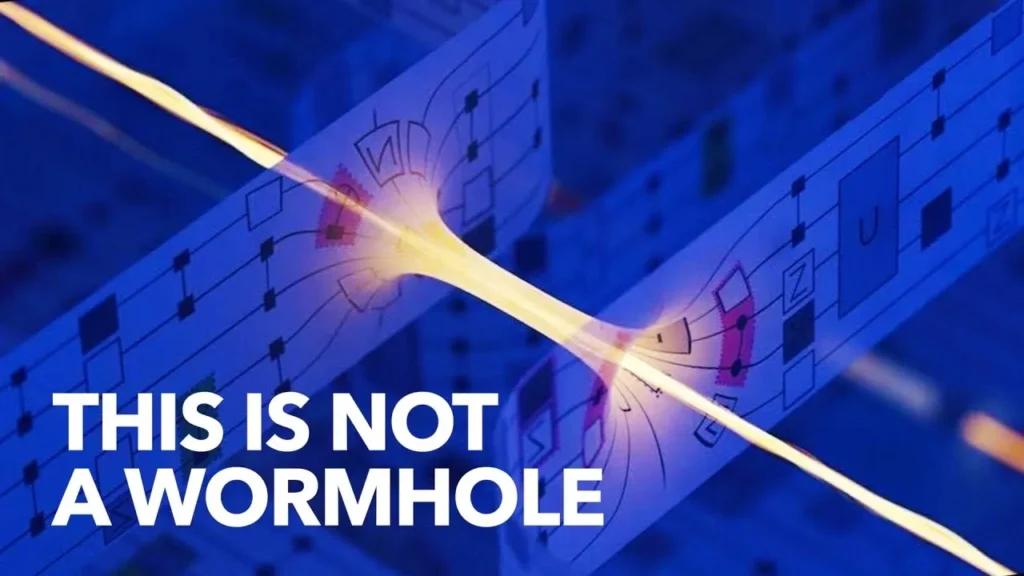
The lesson critically examines the hype surrounding scientific discoveries, highlighting how sensationalized reporting can misrepresent research findings and erode public trust in science. It discusses the incentives that drive researchers and institutions to prioritize media visibility over accuracy, using examples like the holographic wormhole claim and the BICEP2 experiment to illustrate the dangers of overhyping. Ultimately, the lesson emphasizes the importance of critical thinking, rigorous peer review, and cautious interpretation of scientific claims to ensure a more accurate representation of research.
What causes the seasons?

The lesson “Understanding the Seasons: A Scientific Perspective” explains how the Earth’s tilt, orbit, and the angle of sunlight contribute to the changing seasons. It highlights that the 23.5-degree tilt of the Earth causes varying sunlight exposure, leading to summer and winter, while the elliptical orbit affects temperature variations. Additionally, the lesson addresses the impact of global warming on seasonal patterns, emphasizing the importance of understanding these changes for the environment.
How Gravity Actually Works
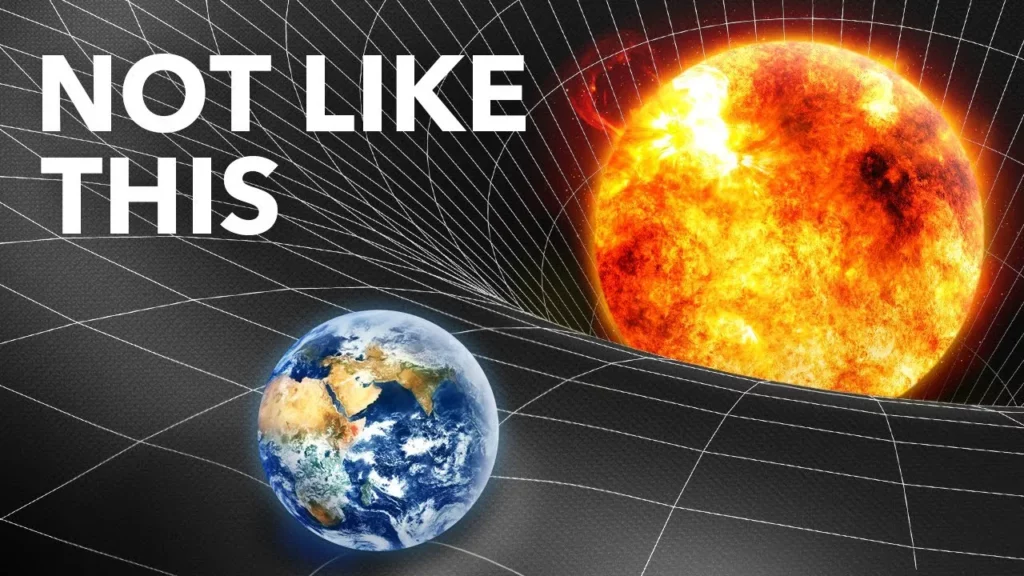
This lesson explores Einstein’s theory of general relativity, which redefines gravity not as a force but as an illusion created by the curvature of spacetime. Through concepts like the equivalence principle and geodesics, it illustrates how both falling objects and astronauts in orbit experience weightlessness due to their inertial frames of reference. Ultimately, the lesson challenges traditional notions of gravity, suggesting that it arises from the geometry of spacetime rather than a direct force acting between masses.
The Surprising Genius of Sewing Machines
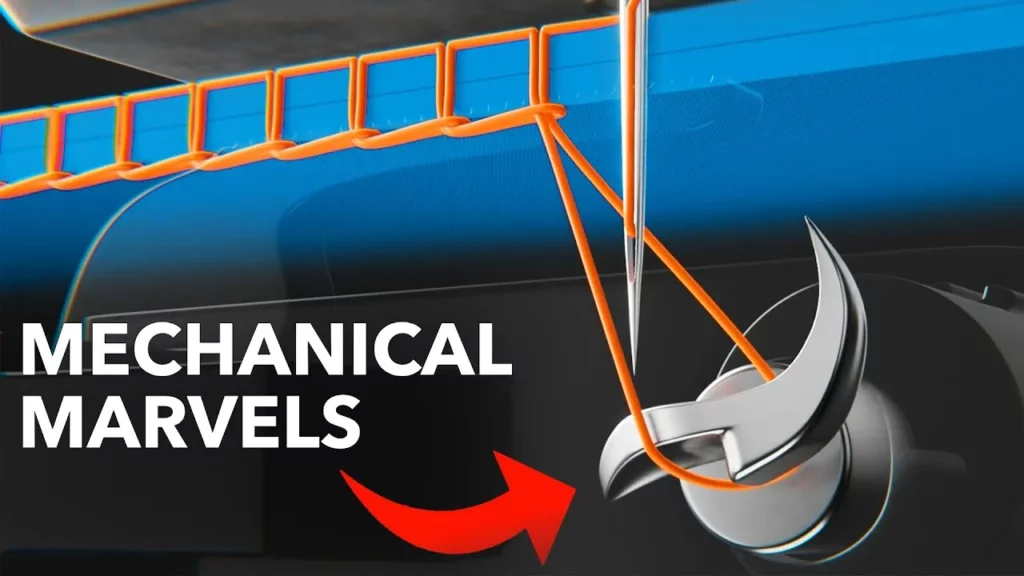
This lesson explores the mechanics and historical development of sewing machines, highlighting their evolution from hand-sewing techniques to modern innovations. It discusses key advancements, such as the introduction of the lock stitch and the role of feed dogs, which have significantly improved sewing efficiency. Ultimately, the lesson emphasizes the transformative impact of sewing machines on the textile industry and everyday life, showcasing human ingenuity in technology.
Why People Prefer More Pain

The lesson on pain perception explores how individuals experience and remember discomfort through a psychological experiment involving cold water immersion. Participants demonstrated a preference for longer trials, despite increased discomfort, highlighting the concepts of “duration neglect” and the “peak-end rule,” which suggest that memories are influenced more by the most intense moments and the conclusion of an experience rather than its overall duration. These findings have practical implications for enhancing experiences in various fields, including healthcare and customer service, by focusing on creating positive endings to improve overall satisfaction and memory.