
The Bizarre Behavior of Rotating Bodies
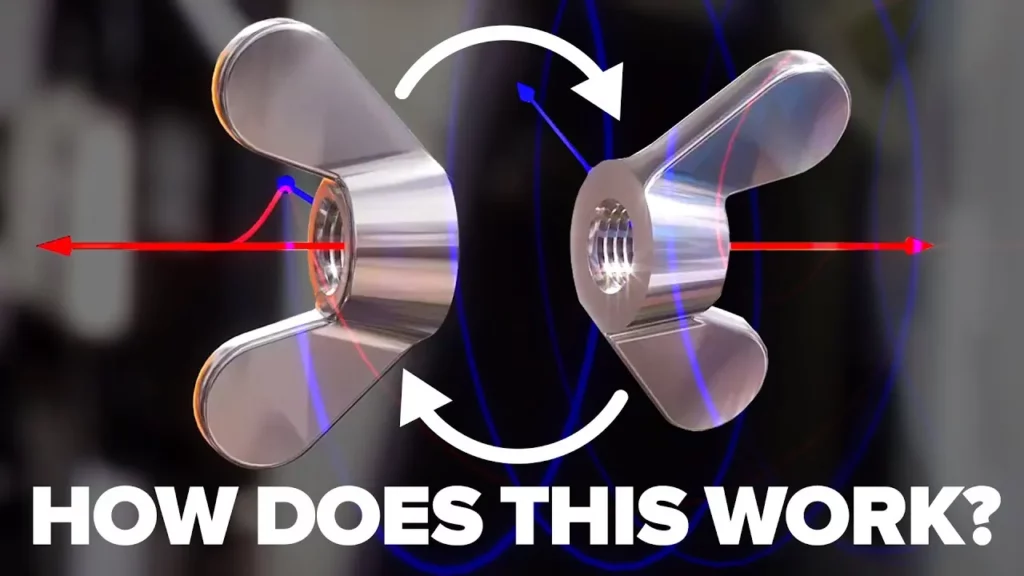
The Dzhanibekov effect, also known as the tennis racket theorem, reveals the intriguing behavior of rotating objects, particularly how asymmetric shapes can experience unexpected flipping motions when rotated around their intermediate axis. First observed by cosmonaut Vladimir Dzhanibekov in 1985, this phenomenon illustrates the significance of mass distribution and moments of inertia in rotational dynamics. Understanding the Dzhanibekov effect not only enhances our knowledge of physics but also prompts speculation about its implications in larger systems, such as celestial bodies.
How Kodak Exposed Nuclear Testing
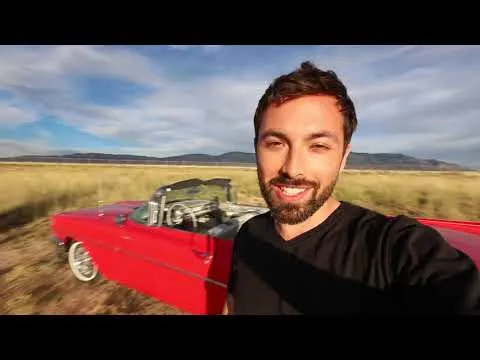
The lesson on the Trinity Test explores the historical significance and secrecy surrounding the first nuclear bomb explosion in 1945, highlighting the unexpected consequences of radioactive fallout that affected industries far beyond the test site. It details Kodak’s discovery of radiation contamination in their x-ray film, leading to investigations that revealed the widespread impact of nuclear testing on public health and the environment. Ultimately, the lesson underscores the long-term repercussions of nuclear tests, including increased cancer rates and the evolution of monitoring methods for radioactive materials.
I Vacuum Venom from the World’s Deadliest Spider

The lesson explores the dangerous world of funnel-web spiders, particularly their potent venom and the risks associated with their bites, which can be fatal within a short time. It highlights the unique characteristics of these spiders, their evolutionary history, and the efforts of the Australian Reptile Park in producing anti-venom to protect against bites. By understanding these spiders and taking precautions, people can coexist safely with these intriguing yet hazardous creatures.
The Most Radioactive Places on Earth
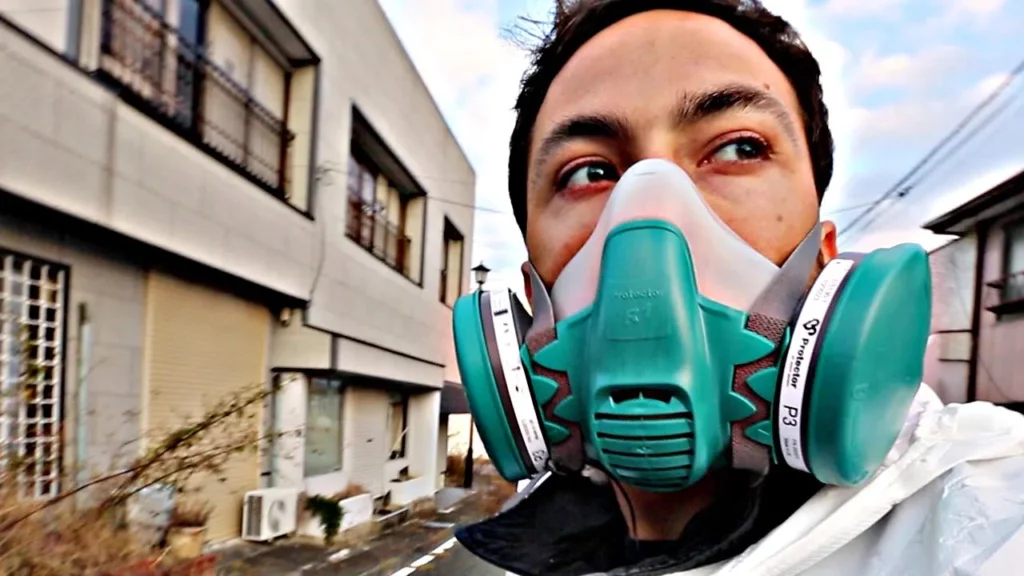
The lesson on radiation provides a comprehensive overview of its different forms, particularly focusing on ionizing radiation, which has enough energy to create ions and can be harmful in high doses. It highlights everyday exposure to low levels of radiation, such as from bananas and natural background radiation, while also discussing notable radioactive locations and activities, like air travel and smoking, that contribute to higher exposure. Ultimately, the lesson aims to demystify radiation, emphasizing that while certain environments and behaviors can increase exposure, most daily interactions with radiation are minimal and manageable.
Explained: Beaker Ball Balance Problem
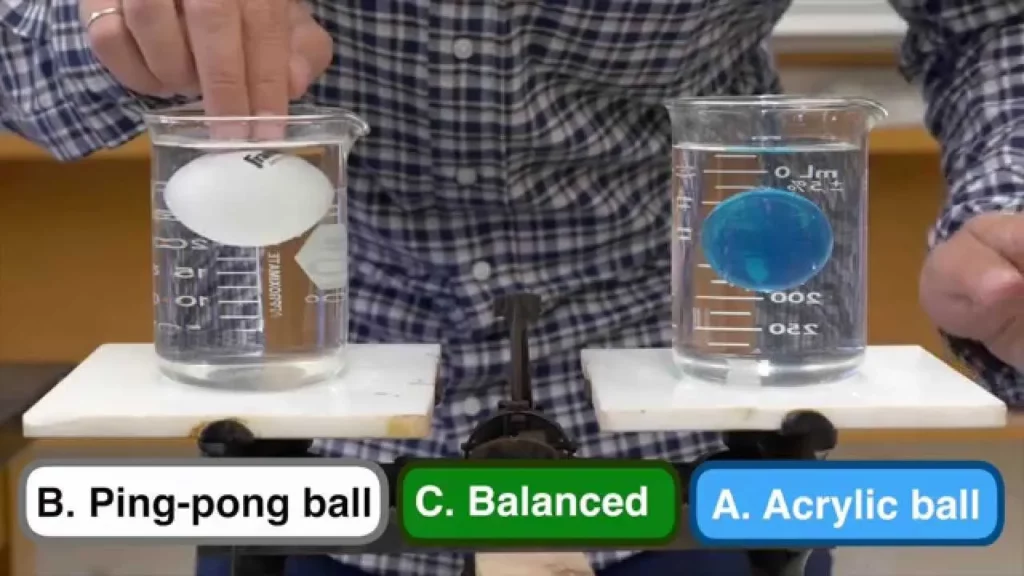
In this lesson, we explore the concepts of buoyancy and weight distribution through an experiment involving a hanging acrylic ball and a ping pong ball submerged in water. The results demonstrate Archimedes’ Principle, revealing that the beaker with the hanging ball becomes heavier due to the buoyant force acting on it, while the beaker with the ping pong ball only increases in weight by the ball’s own weight. The lesson encourages further experimentation and predictions, fostering scientific thinking.
Why Apollo Astronauts Trained in Nuclear Bomb Craters
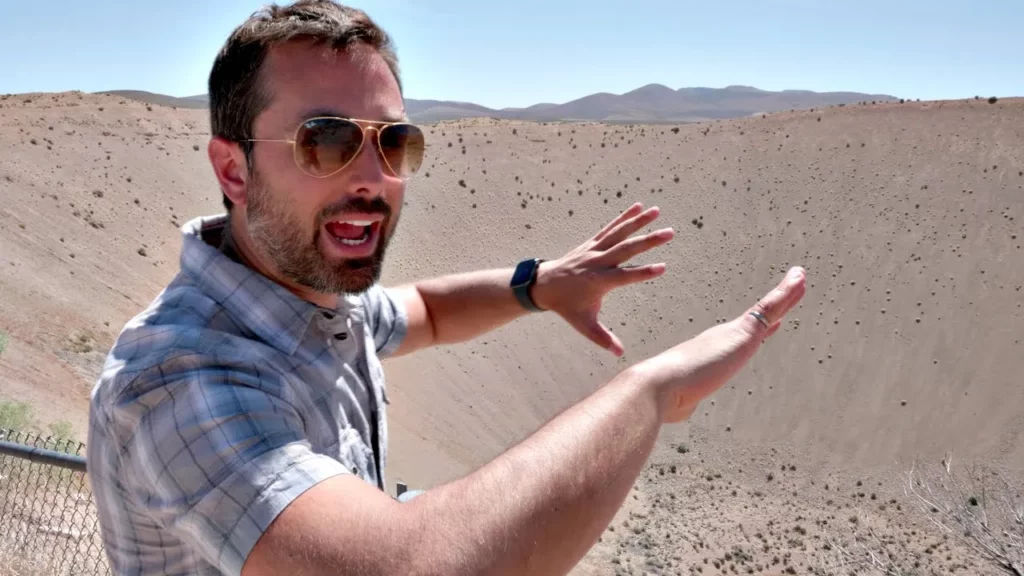
The Apollo astronauts, including Neil Armstrong and Buzz Aldrin, underwent extensive training at the Nevada Test Site, specifically at Sedan Crater, which was formed by a nuclear explosion. This unique training ground allowed them to practice walking on cratered terrain similar to that of the moon, enhancing their geological knowledge and skills necessary for their historic lunar missions. The insights gained from their training not only contributed to the success of the Apollo missions but also advanced our understanding of the moon’s formation and the history of our solar system.
What Actually Expands In An Expanding Universe?
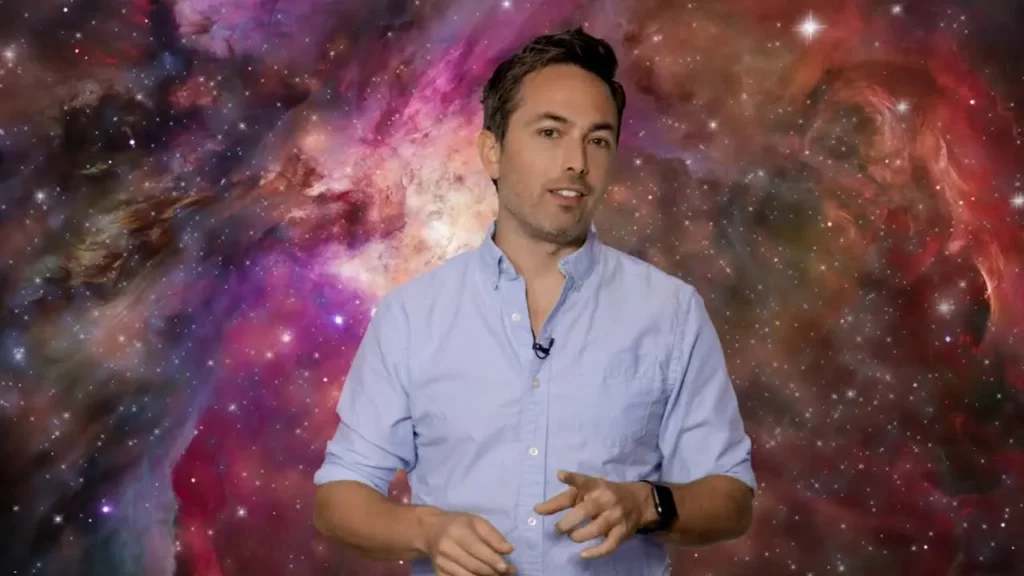
The lesson on “Understanding Redshift: The Expanding Universe and Its Implications” explains the phenomenon of redshift, which occurs when light from distant galaxies shifts towards longer wavelengths due to the expansion of the universe. It outlines three main types of redshift—Doppler, gravitational, and cosmological—highlighting their shared principles and the role of observers’ frames of reference. The lesson concludes by clarifying that while the universe is expanding, this does not imply that matter within it, including ourselves, is stretching apart.
Is There Gravity In Space?
The lesson “Exploring Weightlessness in Space” explains that astronauts aboard the International Space Station (ISS) experience weightlessness not because there is no gravity, but because they are in a state of free fall towards Earth while simultaneously moving forward at high speed. This unique balance between gravitational pull and the ISS’s forward motion creates the sensation of floating, even though gravity is still present. Ultimately, the lesson highlights the fascinating interplay between gravity and motion that allows astronauts to feel weightless in space.
The Biggest Myth In Education
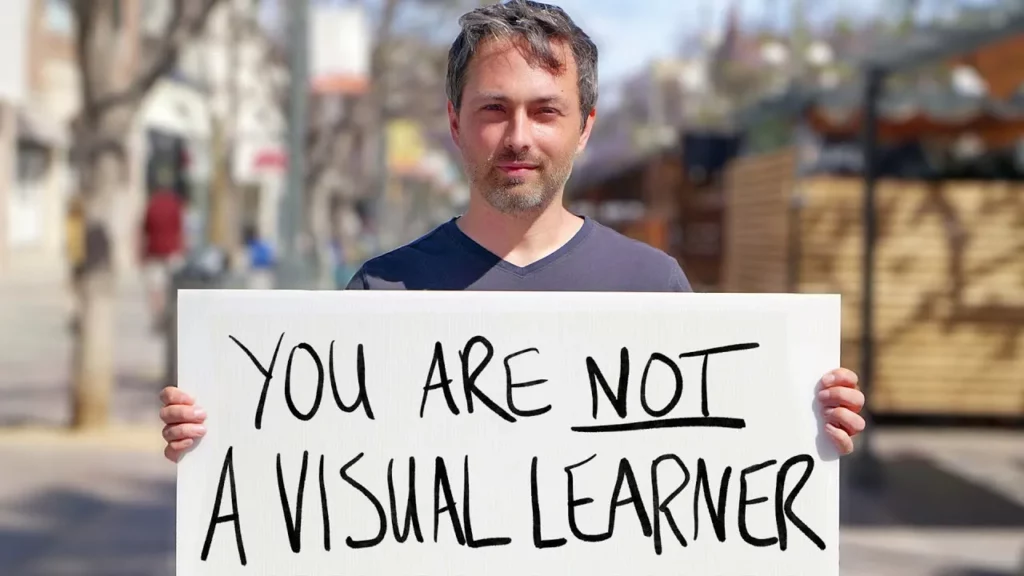
The lesson on “Understanding Learning Styles: Myths and Realities” explores the popular belief that individuals have distinct learning preferences, such as visual or auditory styles, and examines the lack of evidence supporting this notion. It emphasizes that effective learning is more about engaging with the material meaningfully and using multimodal approaches rather than adhering to specific learning styles, encouraging educators to adopt evidence-based teaching methods for better student outcomes.
Chernobyl – What It’s Like Today
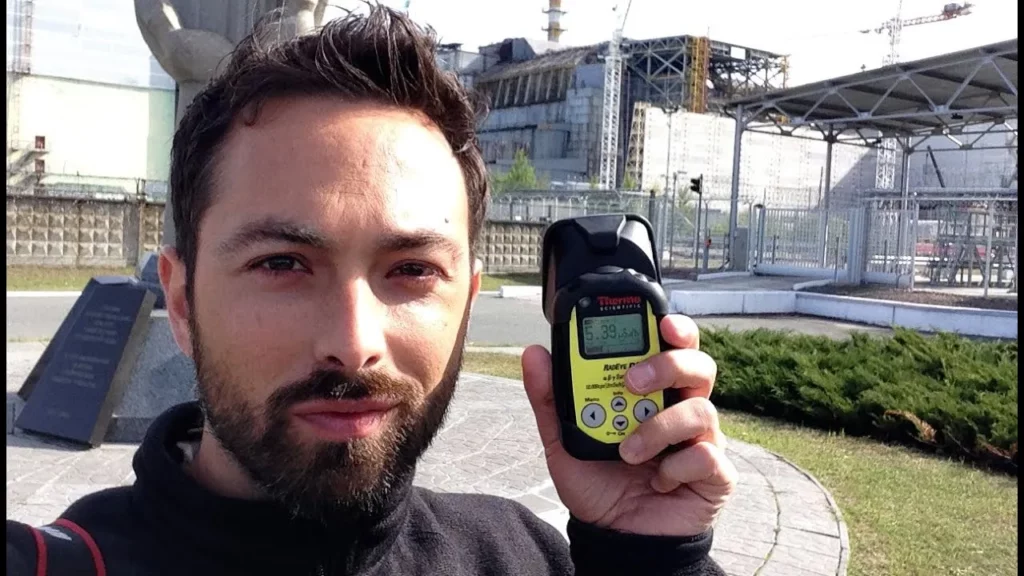
The Chernobyl disaster, which occurred on April 26, 1986, involved a catastrophic meltdown at Reactor Number Four, releasing dangerous radioactive materials into the atmosphere and affecting much of Europe. In the aftermath, the abandoned town of Pripyat serves as a haunting reminder of the event, with nature reclaiming the area while the old sarcophagus covering the reactor is being replaced by a new containment structure to prevent further radiation spread. This lesson highlights the long-lasting environmental and human impacts of the disaster, emphasizing the fragility of life and the resilience of nature.