
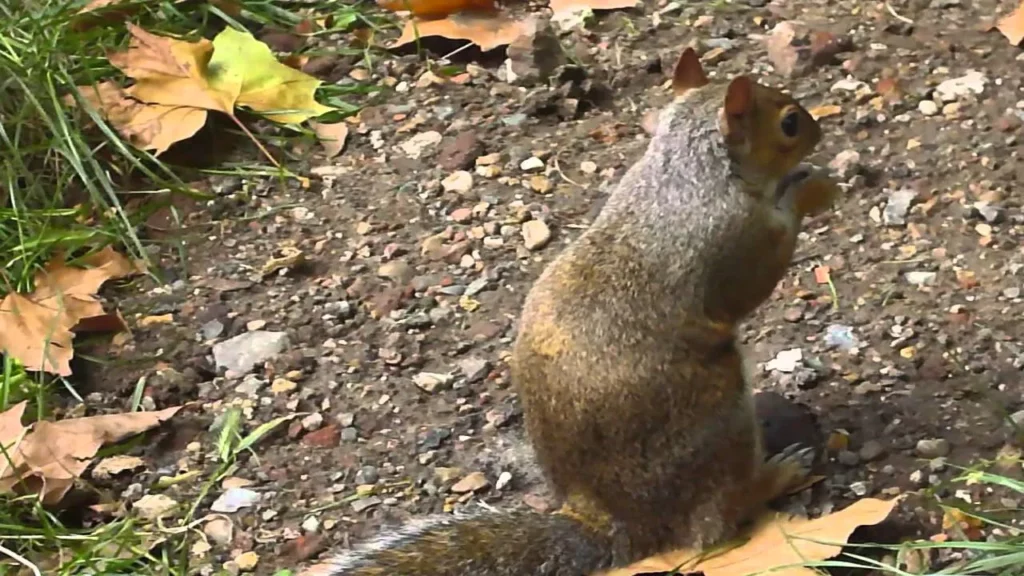
Cute Grey Squirrels – Up Close & Personal
The lesson delves into the emotional complexities of relationships, particularly the feelings of distance and frustration that can arise when one partner feels pushed away. It emphasizes the importance of self-empowerment and the desire to fight for love, showcasing a turning point where individuals can take decisive action to regain control. Ultimately, the lesson highlights the need for introspection and communication to navigate the challenges inherent in maintaining healthy relationships.
British Wildlife – Red Squirrels
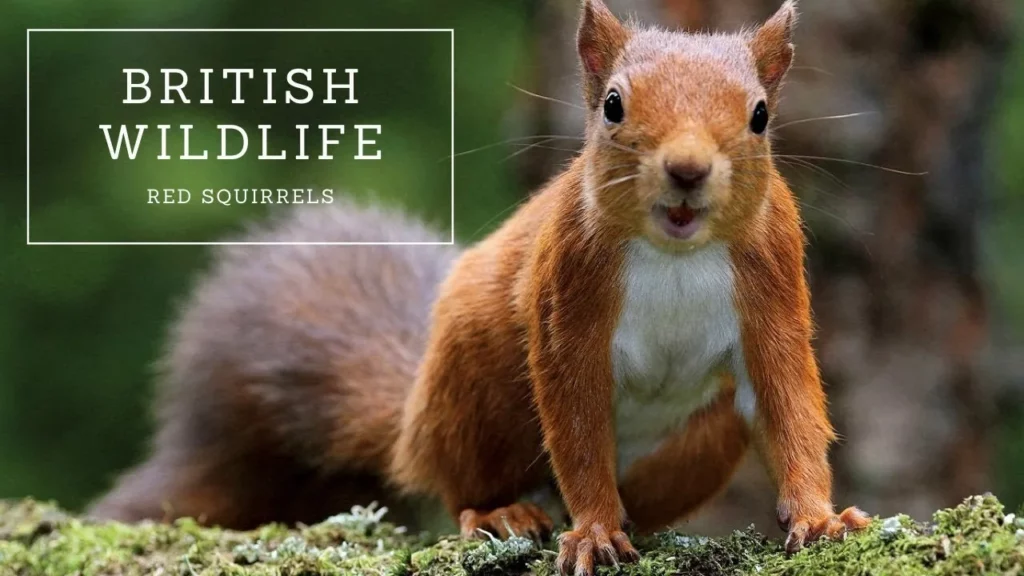
The lesson highlights the plight of the red squirrel, an endangered species in the UK, primarily due to the introduction of the grey squirrel and the diseases it carries. It discusses the red squirrel’s habitat, diet, and breeding behavior, emphasizing conservation efforts in places like Jersey that provide safe environments for these native mammals. Understanding and protecting red squirrels is essential for preserving Britain’s natural heritage.
The Whisper of the Woods
The lesson “The Whisper of the Woods: A Reflection on Nature’s Symphony” explores the enchanting connection between humans and nature, highlighting how the once vibrant sounds and stories of the woods have diminished due to modern changes and pollution. Despite these challenges, the lesson encourages a renewed appreciation for the beauty that still exists in nature and advocates for the protection of wild spaces. Ultimately, it calls for a reconnection with the natural world, fostering hope for a future where nature’s symphony can thrive once more.
Crested Gecko Fact File – Reptiles & Amphibians
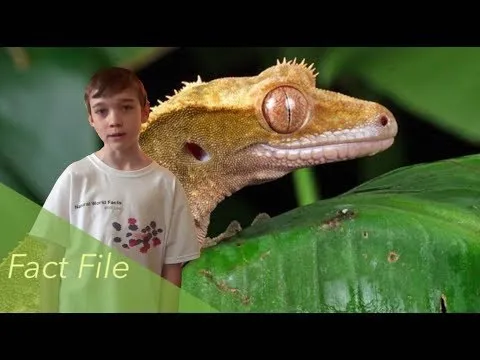
The lesson highlights the crested gecko, a remarkable reptile native to Southern New Caledonia, which was once thought to be extinct but has since recovered due to conservation efforts. It discusses their habitat, diet, unique physical characteristics, and reproductive behavior, emphasizing the importance of wildlife protection in ensuring their survival. Overall, the crested gecko serves as a testament to the positive impact of conservation on endangered species.
Facts about the Cassowary
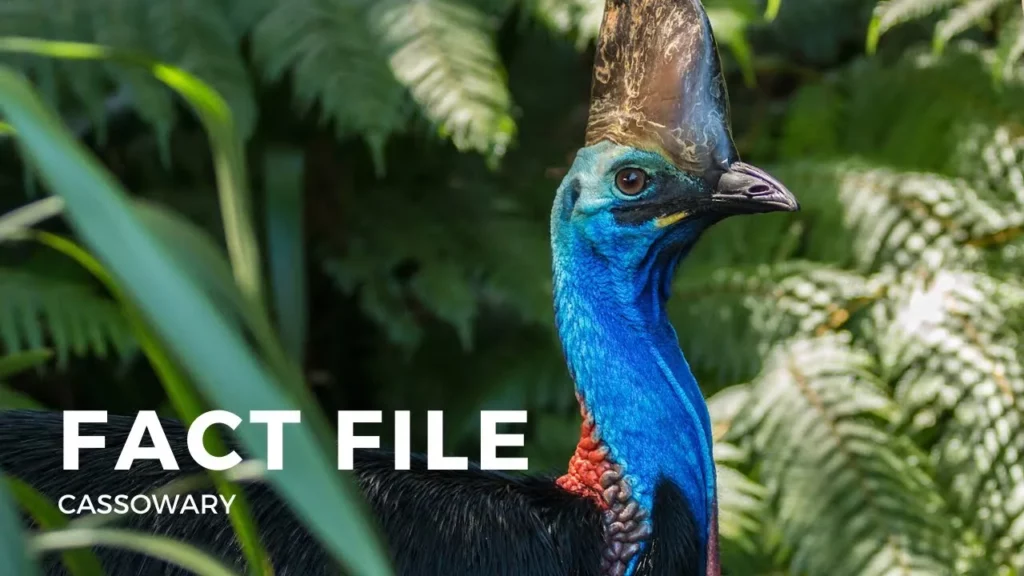
The lesson on the cassowary highlights the unique characteristics and behaviors of this fascinating flightless bird, including its habitat in tropical forests, impressive physical traits, and omnivorous diet that contributes to seed dispersal in the ecosystem. It also emphasizes the conservation challenges cassowaries face, such as habitat loss and predation, underscoring the importance of protecting these birds and their environments to ensure their survival.
Hermit Crabs Fact File – Ocean Life
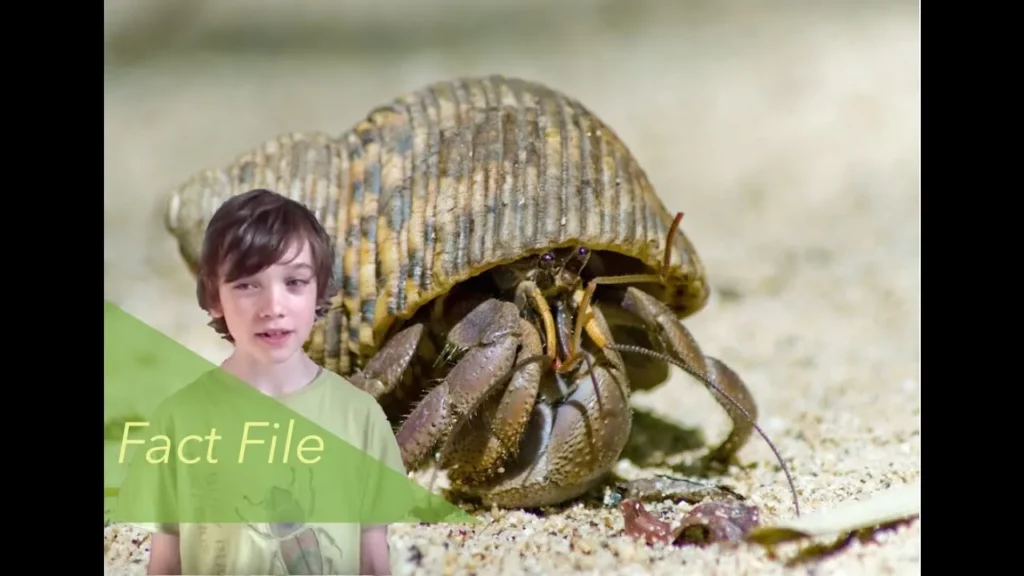
The lesson explores the intriguing world of hermit crabs, highlighting their unique characteristics, such as their four pairs of legs and reliance on empty seashells for protection. It discusses their molting process, competition for shells, and the diverse habitats they occupy, emphasizing the importance of these creatures in marine ecosystems. Overall, hermit crabs are presented as fascinating animals that contribute to the rich biodiversity of ocean life.
Exploring the Deep Sea Food Web
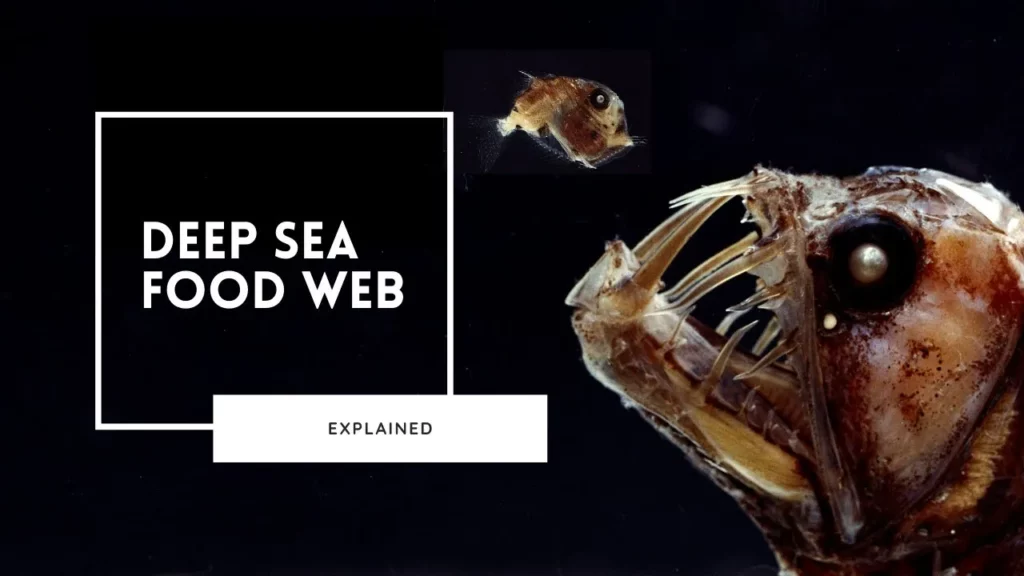
The lesson on “Understanding the Deep Sea Food Web” reveals the intricate relationships among organisms in the deep ocean, where life thrives despite the absence of sunlight. It highlights the importance of primary producers like bacteria at hydrothermal vents and the role of marine snow in nutrient cycling, as well as the unique ecosystems created by whale falls. Overall, the lesson emphasizes the resilience and adaptability of deep-sea life within a complex and interconnected ecosystem.
Deep Sea Symbiosis | The Key to Survival
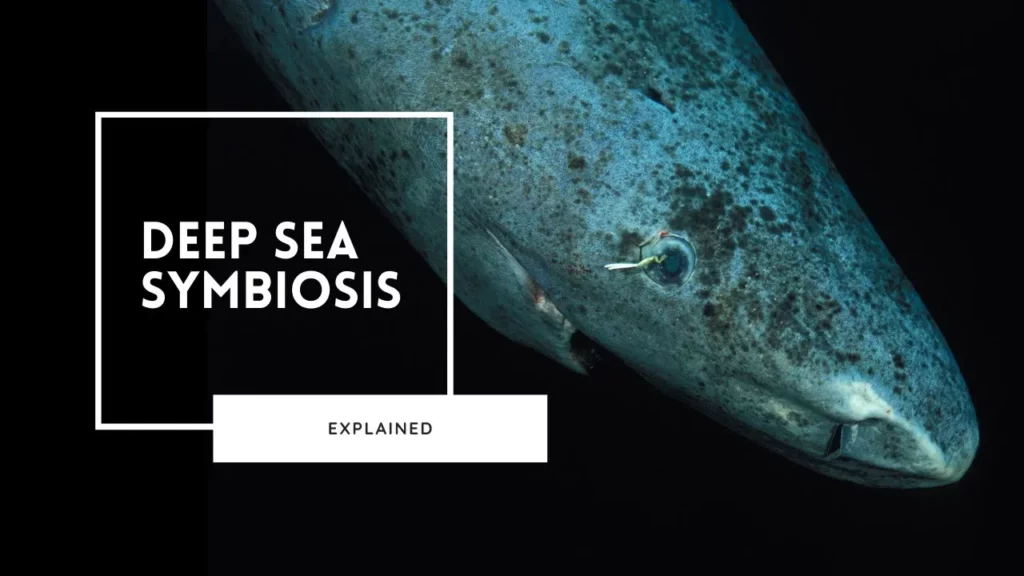
The lesson explores the critical role of symbiosis in the deep sea ecosystem, where organisms rely on close relationships to survive in extreme conditions. It highlights various types of symbiotic relationships, including mutualism, parasitism, and commensalism, emphasizing how these interactions support individual species and entire communities. Ultimately, the lesson illustrates that cooperation and adaptation are essential for life in the deep ocean, showcasing the resilience of organisms in one of Earth’s most challenging environments.
The Natural History of Bikini Atoll
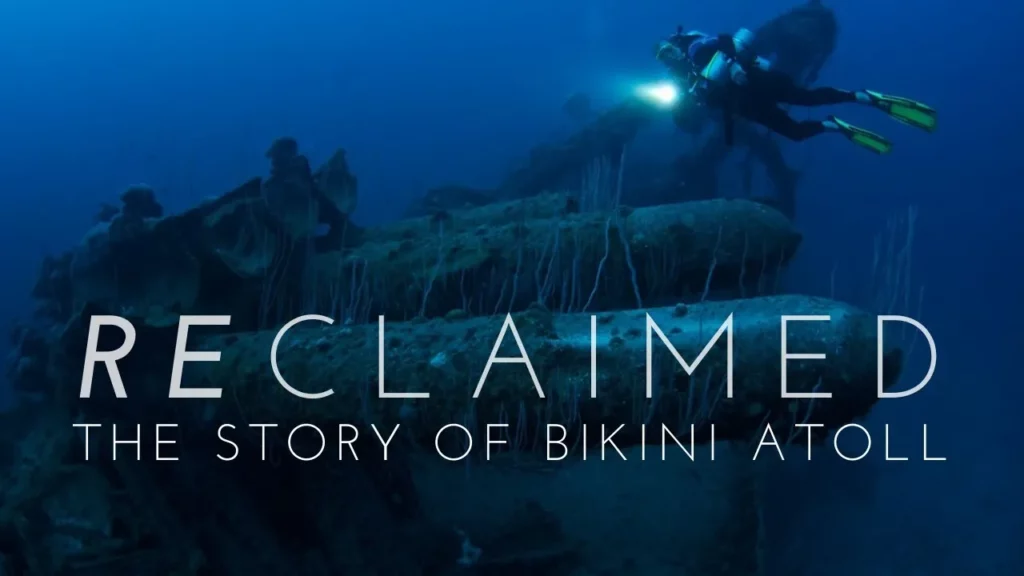
The lesson explores the historic moment of the atomic bomb’s creation and its profound implications for the future of warfare and international relations. It details the tense atmosphere at the military test site, the dramatic explosion that showcases the bomb’s immense power, and the significant damage inflicted on naval vessels. Ultimately, the lesson emphasizes the need to reflect on the responsibilities and consequences associated with nuclear technology as we navigate a new era.
The Ghostly Dumbo Octopus #deepsea
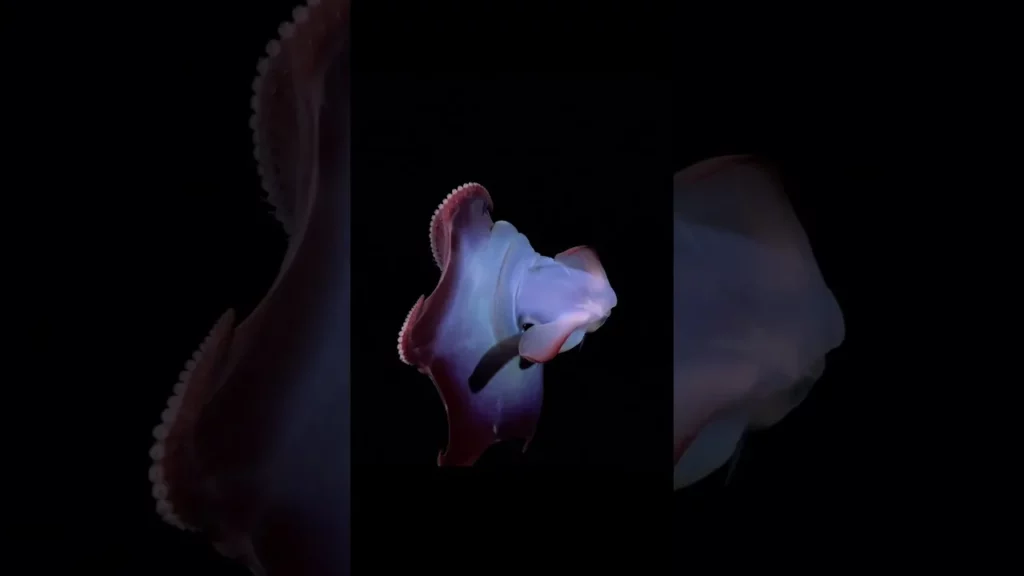
The Dumbo octopus is a remarkable deep-sea creature known for its unique movement and adaptations that allow it to thrive in extreme ocean depths. With its ear-like fins and webbed arms, it glides gracefully through the water, capable of diving up to 6,000 meters where pressure is incredibly high. This soft-bodied octopus exemplifies the incredible diversity of life in the ocean’s depths and showcases how organisms can adapt to survive in harsh environments.