
Harvest Mouse Fact File – Mammals
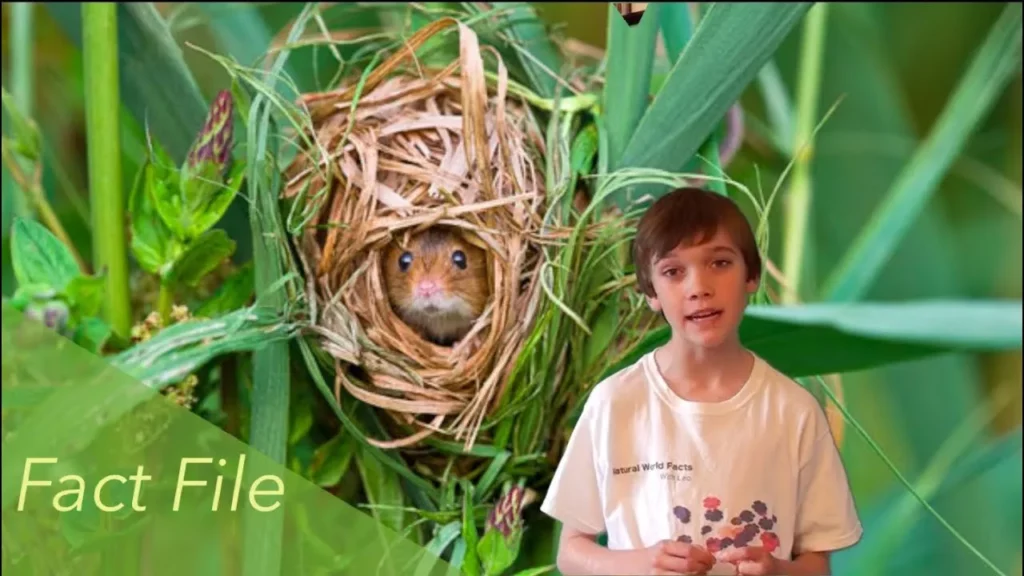
The lesson explores the harvest mouse, the smallest rodent in Britain, highlighting its physical characteristics, habitat, diet, behavior, nesting habits, and conservation status. It emphasizes the importance of protecting this unique species, which faces threats from modern farming practices despite being classified as “lower risk” by the IUCN Red List. Understanding the harvest mouse’s role in the ecosystem underscores the need for conservation efforts to ensure its survival.
Green Anaconda Fact File – Reptiles & Amphibians
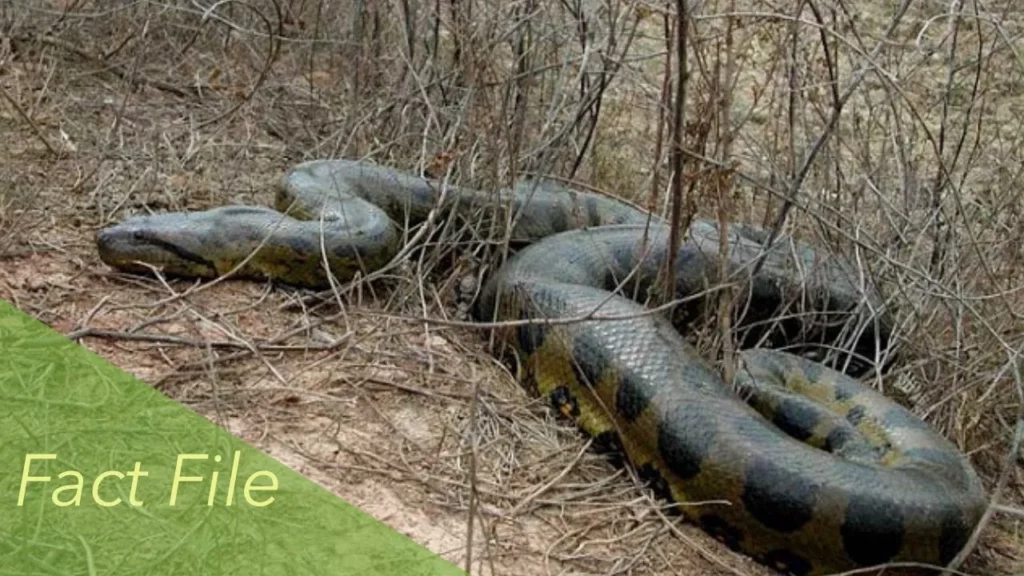
The lesson on the green anaconda highlights its status as the largest snake in the world, reaching lengths over 29 feet and weights exceeding 550 pounds. It explores the snake’s habitat in South America, its diet consisting of various animals, and its unique reproductive method of giving birth to live young. Overall, the green anaconda exemplifies the diversity and adaptability of reptiles, making it a subject of fascination for many.
Facts about the Great White Shark
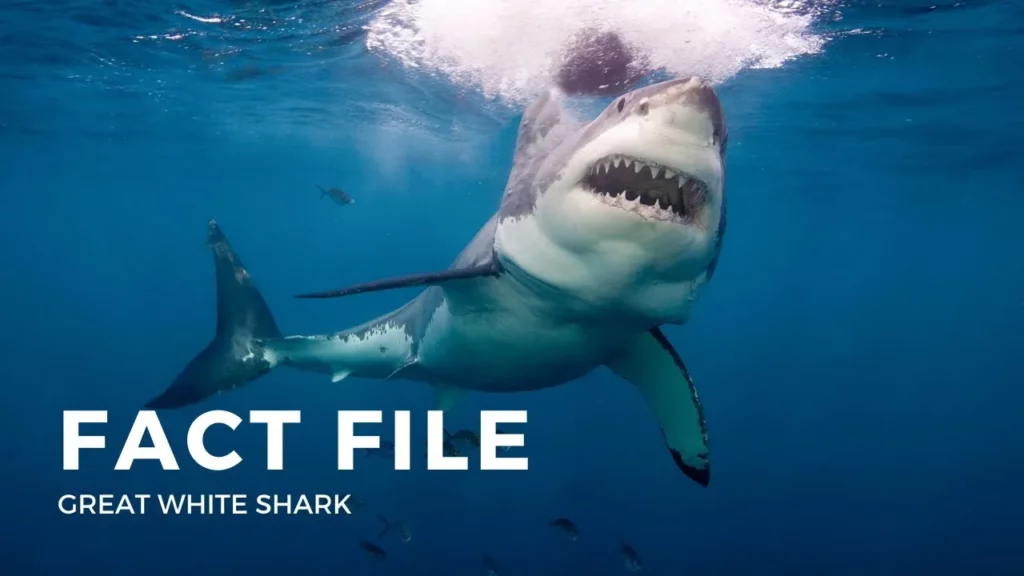
The lesson provides an overview of the great white shark, highlighting its impressive size, hunting behaviors, and ecological significance. Despite common misconceptions about their danger to humans, these sharks are primarily curious and play a vital role in maintaining healthy ocean ecosystems. The lesson emphasizes the need for conservation efforts due to their vulnerable status caused by overfishing and habitat threats.
These Animals Eat Their Partners Alive | Weird Animal Facts #3
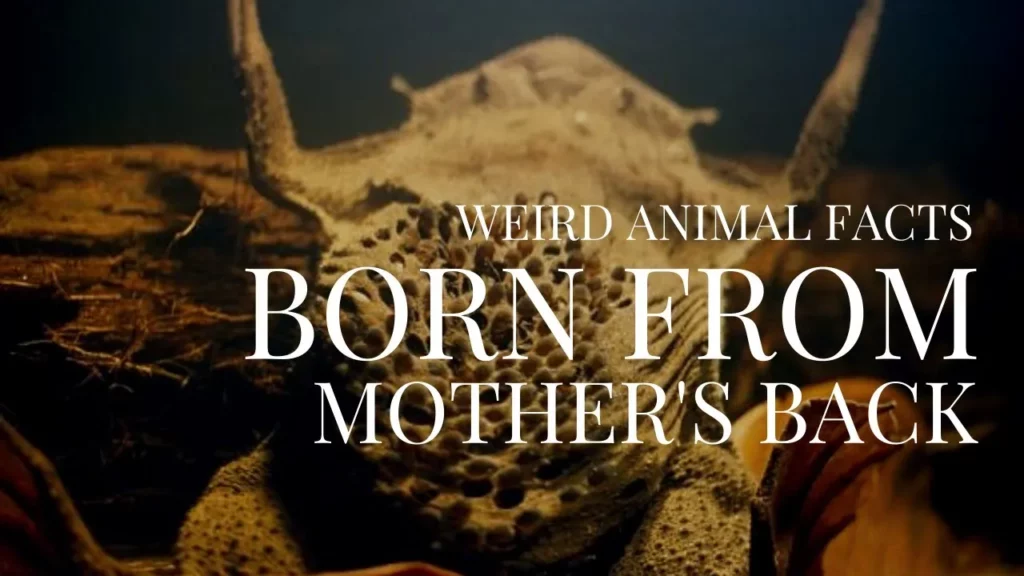
The lesson explores five unusual animal behaviors that highlight the fascinating adaptations of various species for survival. From the cannibalistic mating rituals of praying mantises to the unique parenting method of the Suriname sea toad, these behaviors illustrate the incredible diversity and ingenuity found in the animal kingdom. Each example showcases how animals have evolved distinct strategies to thrive in their environments.
Facts about the Killer Whale (Orca)
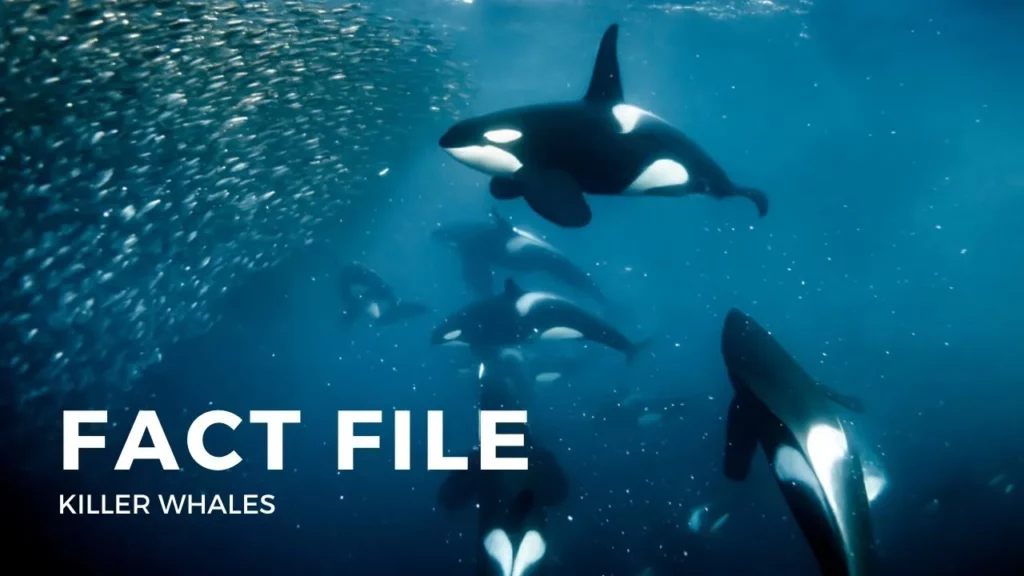
The lesson provides an overview of killer whales, or orcas, highlighting their physical characteristics, diet, social behavior, breeding, habitat, and conservation status. As apex predators, they play a crucial role in marine ecosystems and exhibit remarkable adaptability across various environments. The lesson emphasizes the importance of conservation efforts to ensure the survival of these magnificent creatures in the wild.
Finding Frogs and Slow Worms in the British Countryside
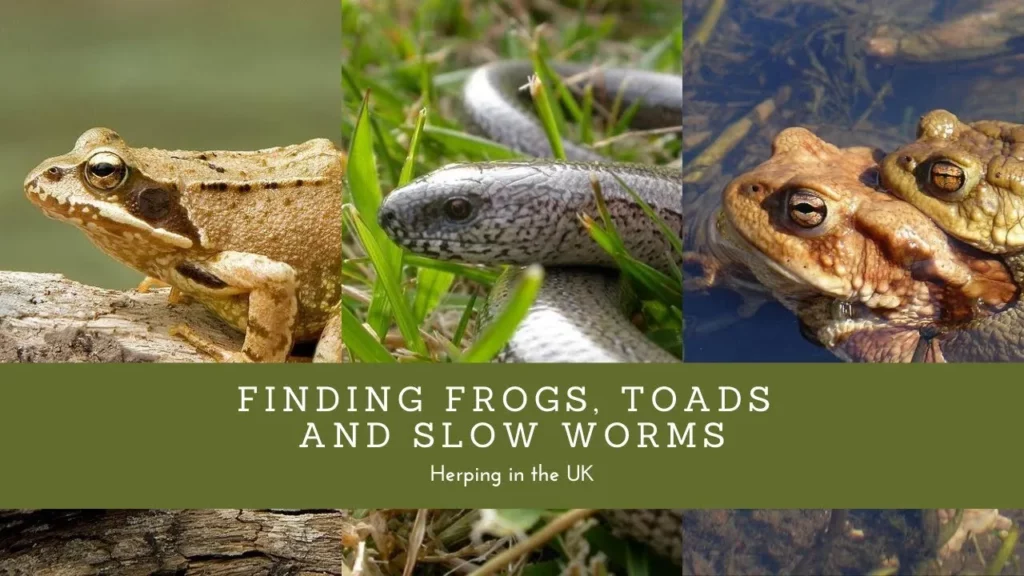
In this lesson, we explored the Tottenham Wildlife Trust Nature Reserve, celebrating a milestone of 7,000 subscribers while learning about various aspects of nature. Key highlights included distinguishing between toads and frogs, discovering a woolly bear caterpillar cocoon, observing an ant nest, and encountering a slow worm. The adventure emphasized the beauty and complexity of wildlife, fostering a passion for nature and conservation.
Facts about the Polar Bear
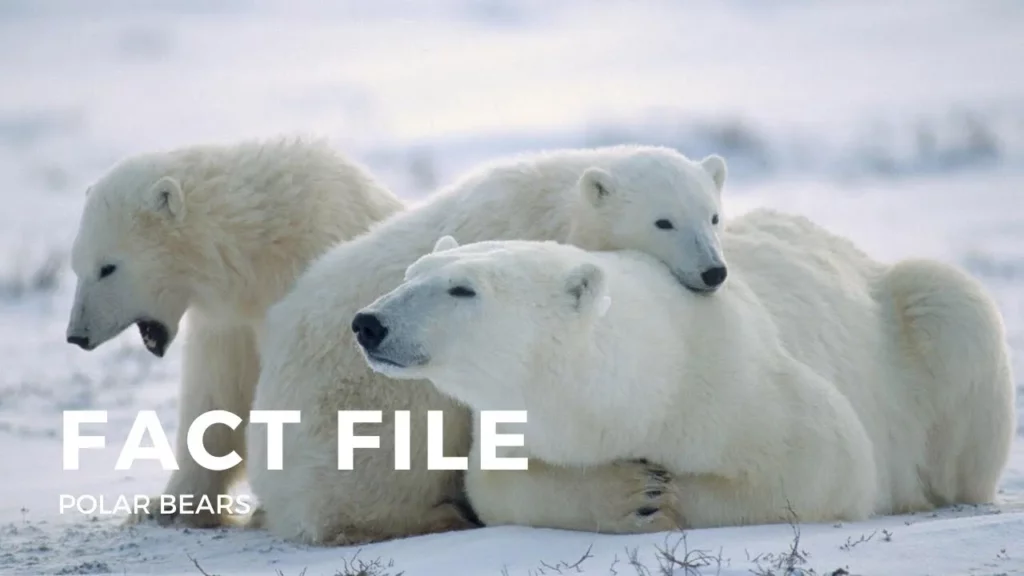
The lesson provides a comprehensive overview of polar bears, highlighting their physical characteristics, diet, reproduction, habitat, and conservation status. These magnificent animals, the largest bear species, are adapted to the Arctic environment but face threats due to climate change, leading to a decline in their population. Understanding their unique traits and the challenges they encounter is crucial for efforts to protect and preserve their species and habitat.
British Wildlife – Red Deer
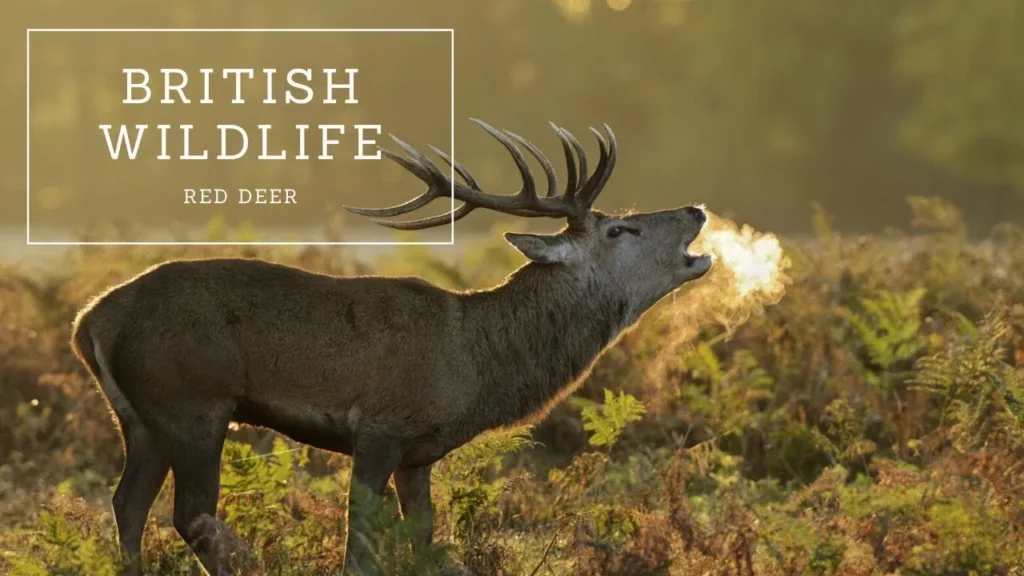
In this lesson, we explored the Red Deer, the largest land animal in Britain, known for its majestic appearance and seasonal fur changes. We learned about their habitat in forests, their stable conservation status, and the intense behaviors exhibited during the breeding season. The Red Deer serves as a symbol of Britain’s unique wildlife, highlighting the importance of appreciating and protecting these remarkable creatures and their environments.
Gerbil Care – Instructional Videos

The lesson “Caring for Your Jals: A Fun Guide” teaches pet owners how to properly care for their jals, adorable creatures from Mongolia. Key responsibilities include daily cage cleaning, biweekly deep cleaning, providing a balanced diet of mly and fresh fruits, ensuring a constant supply of clean water, and engaging in regular playtime to build trust and strengthen the bond with their pets. By following these guidelines, owners can ensure their jals remain happy, healthy, and well-adjusted companions.
Wild Zambezi – 4K Full Documentary
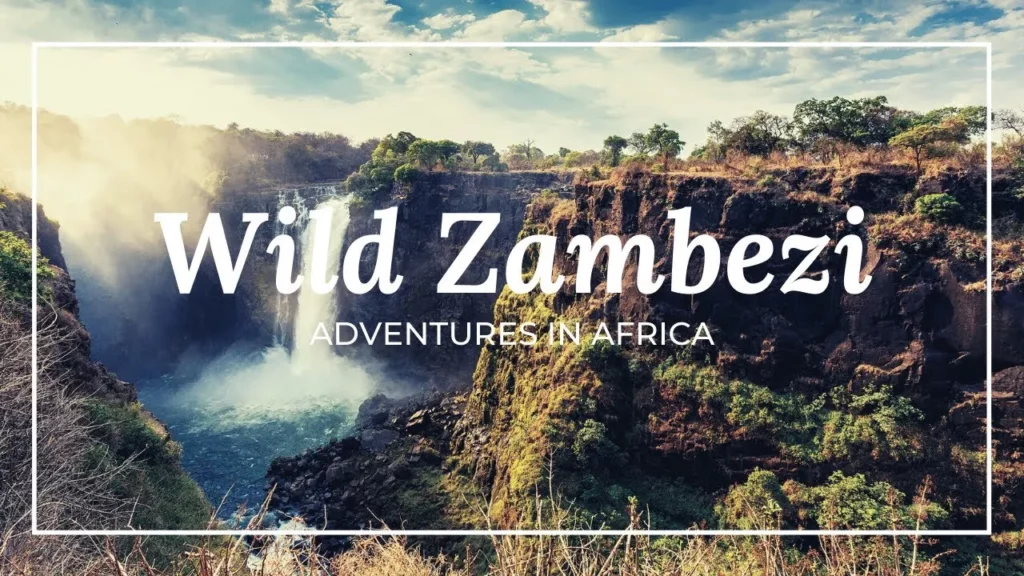
This lesson explores Africa’s diverse wildlife, focusing on the significance of the Zambezi River and its surrounding ecosystems. It highlights key locations such as Victoria Falls and the Kalahari Desert, showcasing the unique adaptations of animals like giraffes and elephants, as well as the rich biodiversity found in Chobe National Park. The journey emphasizes the importance of these habitats for the survival of various species and sets the stage for further exploration of Africa’s wilderness.