
Facts about the Marine Iguana
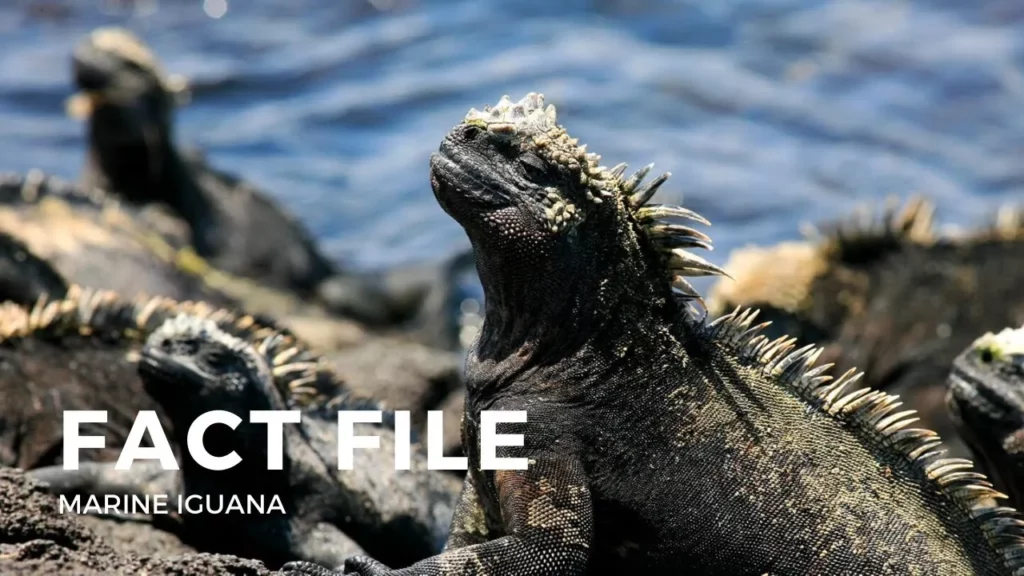
The Galapagos marine iguana is a unique reptile that has adapted to life in the ocean, showcasing the remarkable diversity of the Galapagos Islands. With specialized features such as webbed feet and the ability to dive deep, these herbivorous iguanas primarily feed on algae and seaweed while facing threats that put their vulnerable status at risk. Conservation efforts are crucial to protect this fascinating species and maintain the ecological richness of their habitat.
Facts about the Humpback Whale
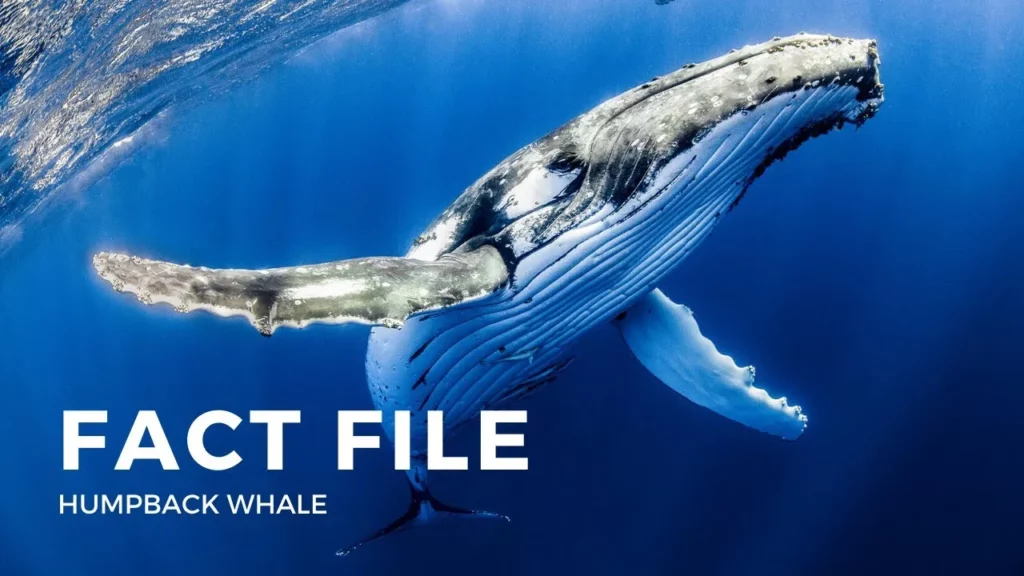
The lesson on humpback whales highlights their impressive size, unique behaviors, and migratory patterns, emphasizing their role as remarkable ocean creatures. It discusses their feeding techniques, such as bubble-net feeding, and the importance of conservation efforts to protect their populations from threats like noise pollution and overfishing. Overall, the lesson underscores the need to appreciate and safeguard these magnificent animals for future generations.
The Marine Carbon Cycle Explained
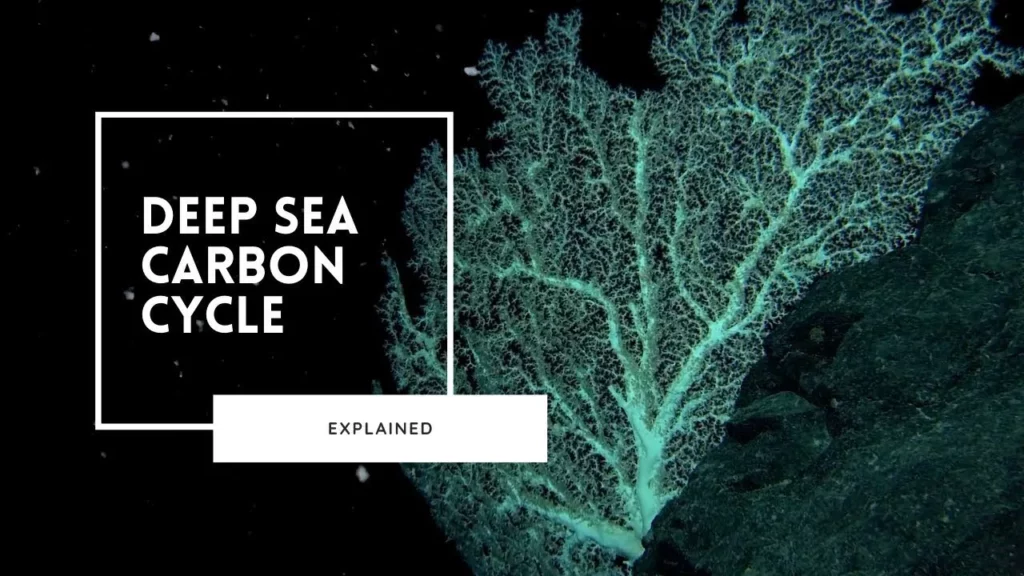
The lesson on the marine carbon cycle highlights its critical role in capturing carbon and mitigating climate change through various biological and physical processes. Key players like phytoplankton and larger marine organisms contribute to the movement and storage of carbon within the ocean, while mechanisms such as diel vertical migration and ocean circulation facilitate long-term carbon sequestration. However, human activities pose significant threats to this delicate system, emphasizing the need for urgent action to protect marine ecosystems and maintain the ocean’s ability to function as a vital carbon sink.
British Wildlife – Newts
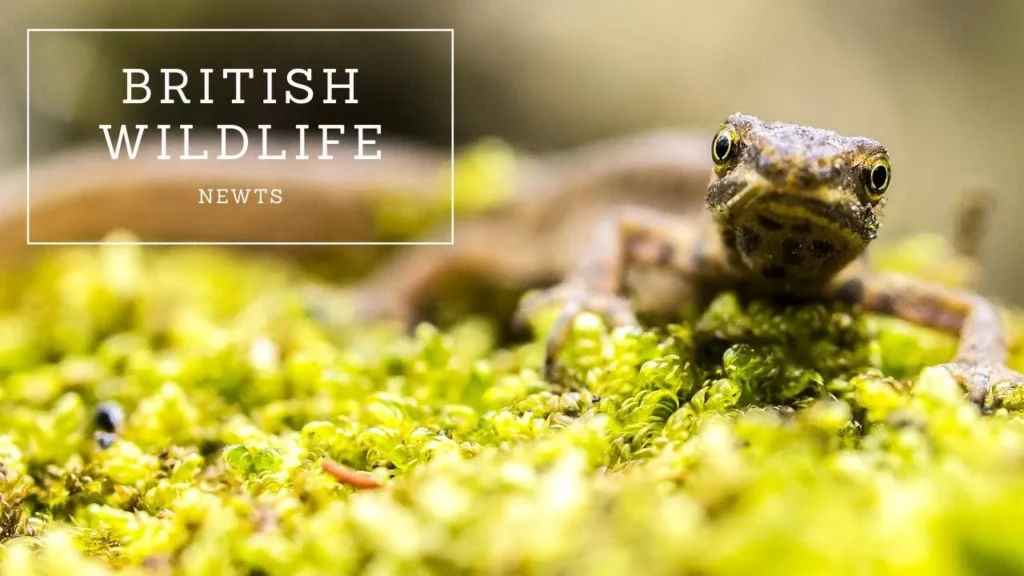
The lesson explores the fascinating life of newts during spring, highlighting their migration back to ponds for breeding after winter. It covers the different types of newts found in the UK, their behaviors, feeding habits, and the unique breeding rituals of males, as well as the development of larvae into young newts. Overall, it emphasizes the importance of ponds as habitats for newts and the intriguing aspects of their life cycle.
Exploring Jawless and Cartilaginous Fish
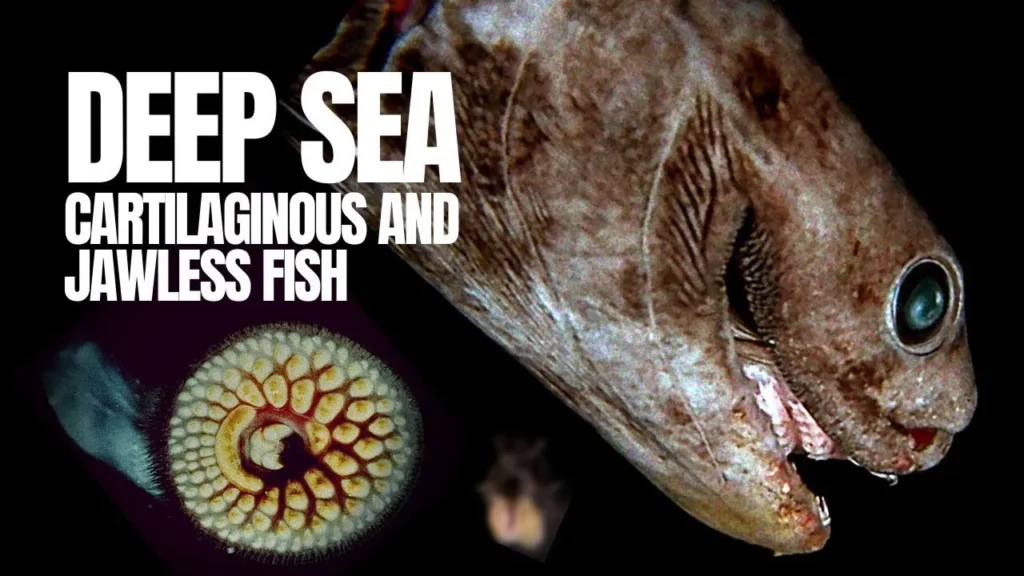
This lesson explores the diversity of fish, focusing on cartilaginous species like sharks and rays, as well as jawless fish such as hagfish and lampreys. It highlights their unique adaptations, such as the flexible cartilage skeletons of cartilaginous fish and the sucker-like mouths of jawless fish, which enable them to thrive in various marine environments. Understanding these species underscores their ecological significance and the importance of conserving their habitats.
The Ocean Sunfish, a Giant from the Depths
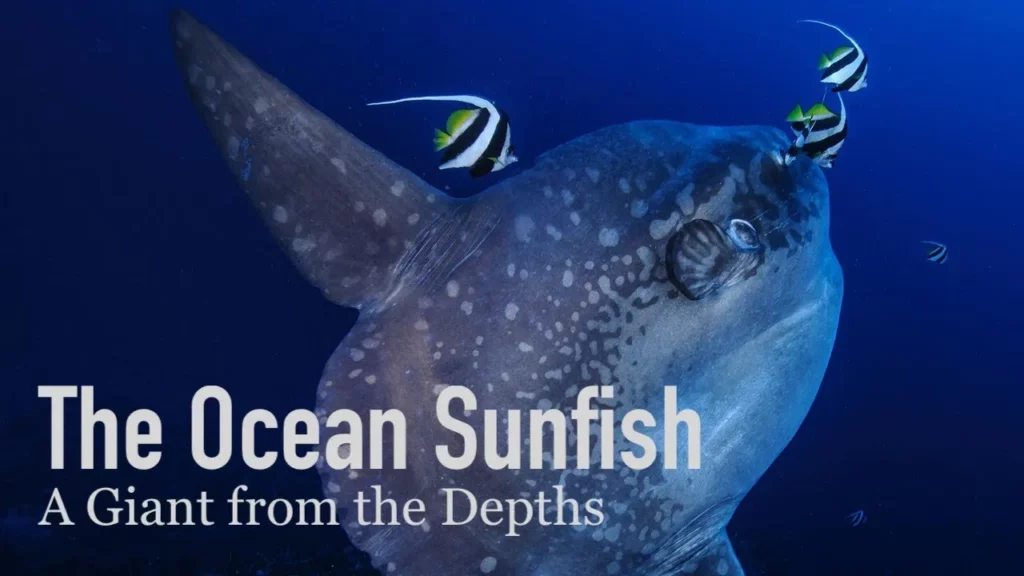
The lesson explores the fascinating characteristics of the sunfish, the largest bony fish in the world, known for its unique shape and size. It highlights the sunfish’s distinctive morphology, behaviors such as leaping to remove parasites, and its symbiotic relationships with smaller sea creatures. Additionally, the lesson emphasizes the sunfish’s diet and feeding habits, showcasing the remarkable adaptations and interactions within marine ecosystems.
The Incredible Diversity of Bony Fish
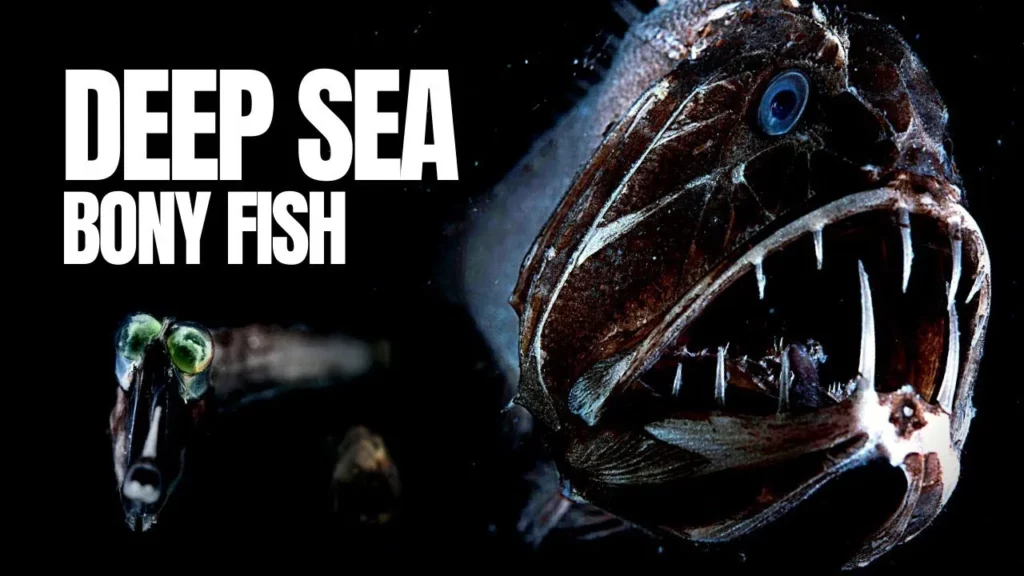
The lesson explores the diverse world of marine fish, highlighting the approximately 20,000 species found in oceans, with a focus on ray-finned fish, the largest group of bony fish. It discusses their unique adaptations, such as the swim bladder and various survival strategies, as well as the ancient lobe-finned fish, exemplified by the coelacanth. Overall, the lesson emphasizes the importance of fish in the ocean’s ecosystem and their remarkable evolutionary traits.
Hydrothermal Vents | Oases in the Deep Sea
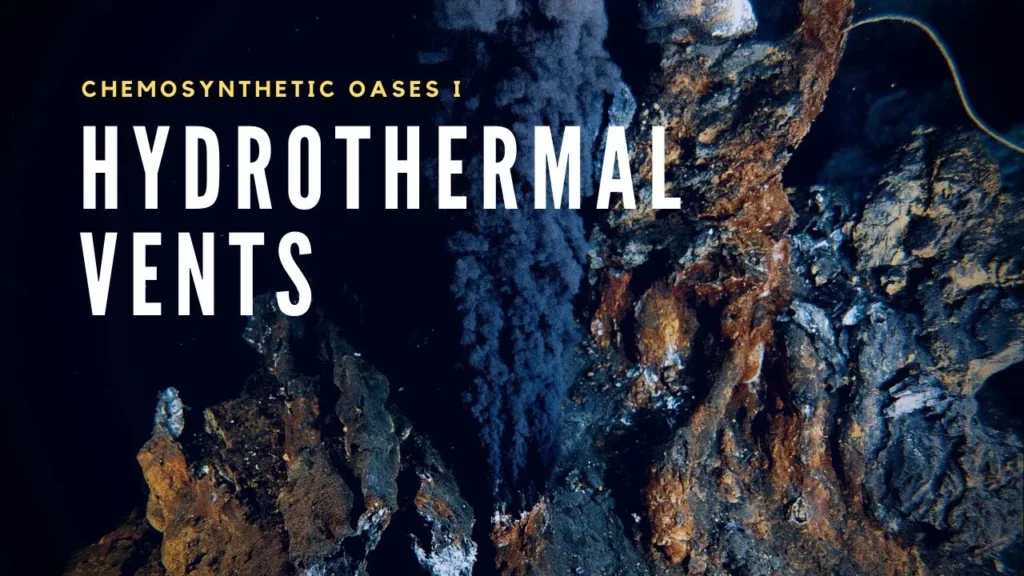
The lesson explores the fascinating ecosystems of hydrothermal vents in the deep sea, highlighting the process of chemosynthesis that supports diverse life forms in these extreme environments. It discusses the unique adaptations of organisms that thrive around these vents, the competition for resources, and the significance of these ecosystems in understanding the origins of life on Earth. Additionally, it emphasizes the importance of protecting these vital habitats from human threats.
The Stages of Whale Decomposition
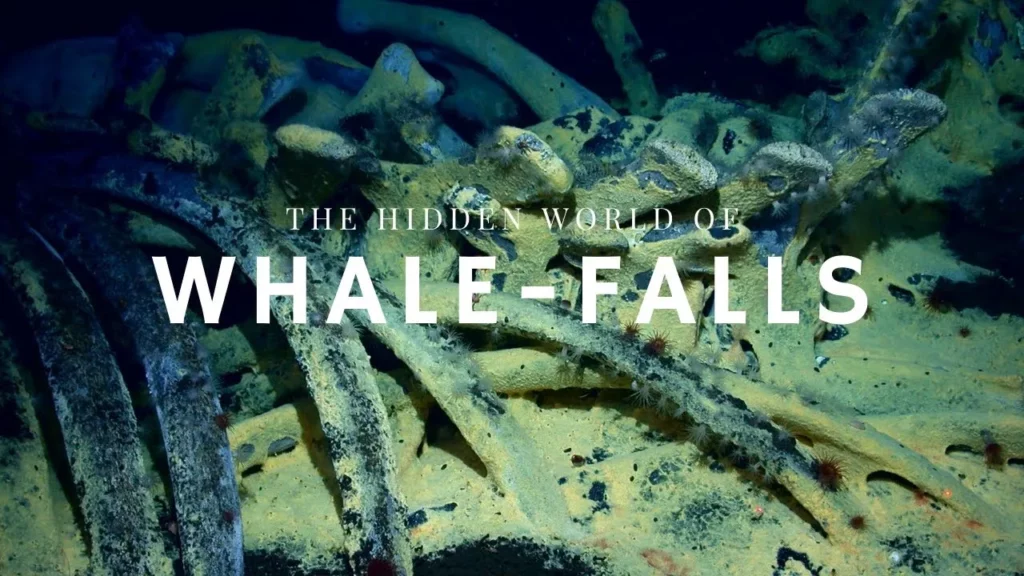
The lesson explores the unique ecosystems created by whale falls in the deep sea, where the remains of a deceased whale provide a significant food source and habitat for various marine organisms. It outlines the four stages of ecological succession that occur after a whale sinks, from scavengers consuming the flesh to the establishment of a diverse community of bacteria and other organisms that thrive on the whale’s remains. Ultimately, whale falls play a crucial role in supporting biodiversity and fostering evolutionary adaptations in one of the planet’s most challenging environments.
How to Create a Closed Native Terrarium | Ecosystem in a Jar
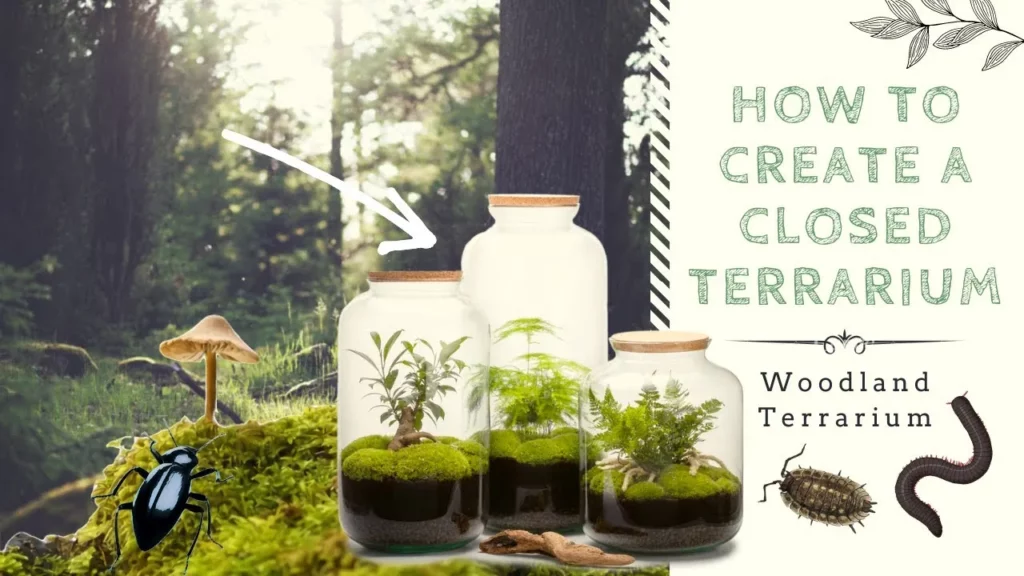
In this lesson, you will learn how to create a closed terrarium, a self-sustaining mini ecosystem inside a glass jar. The process involves gathering materials such as stones, nutrient-rich soil, and suitable plants, followed by assembling the terrarium in layers to ensure proper drainage and growth. Once completed, your terrarium will recycle its own water and nutrients, providing a fascinating glimpse into nature’s cycles with minimal maintenance.