
Why our Oceans need Great White Sharks
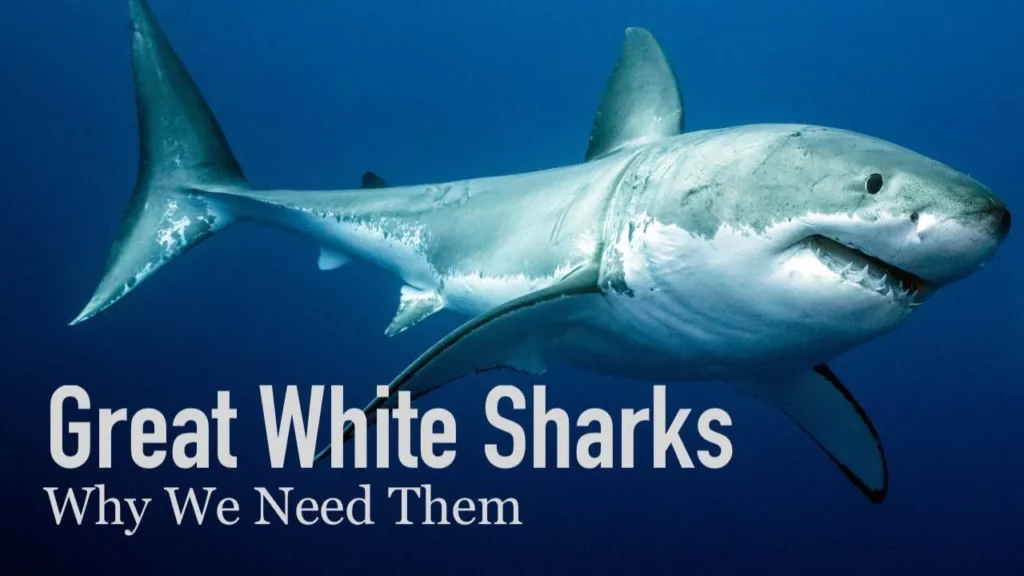
The lesson highlights the significance of the great white shark as an apex predator in the ocean, emphasizing its role in maintaining the balance of marine ecosystems by controlling species populations and promoting biodiversity. It also addresses common misconceptions about shark attacks, noting that these creatures are not typically a threat to humans, and underscores the various human-induced threats they face, such as overfishing and pollution. Ultimately, the lesson calls for respect and protection of great white sharks to ensure the health of ocean environments.
Keystone Species of the Deep Sea
The lesson emphasizes the critical role of keystone species in maintaining the balance and health of marine ecosystems. These species, which include predators, ecosystem engineers, and mutualists, significantly influence their environments and the diversity of life within them. The decline of keystone species can lead to drastic changes in the ecosystem, highlighting the importance of their protection in the face of threats like overfishing and pollution.
How to Survive the Deep Sea
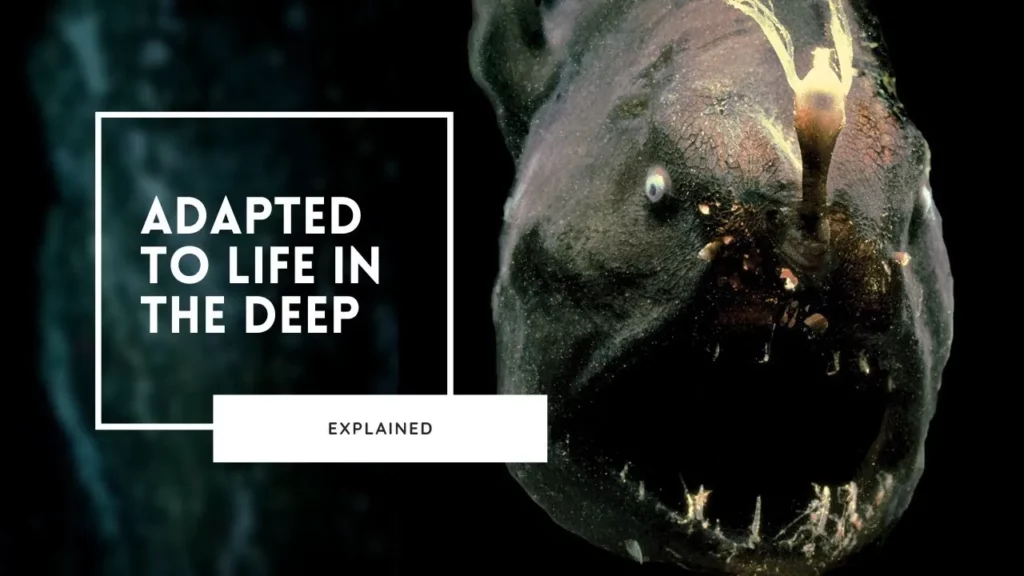
The lesson “Surviving the Depths: Adaptations of Deep-Sea Creatures” explores how various unique adaptations enable organisms to thrive in the extreme conditions of the deep sea, characterized by high pressure, darkness, and cold temperatures. It highlights anatomical features like coloration and specialized eyes, physiological traits such as bioluminescence and antifreeze proteins, and behavioral strategies including feeding methods and migration patterns, all of which contribute to the survival and biodiversity of deep-sea life. Through these adaptations, deep-sea creatures demonstrate nature’s remarkable ability to innovate and flourish in one of Earth’s most challenging environments.
The Secret Life of Rock Pools

The lesson on the unique ecosystem of rock pools at Le Rock, Jersey, highlights the fascinating world that emerges when the tide recedes, revealing a diverse array of sea creatures that have adapted to survive in this challenging environment. These rock pools serve as vital habitats, showcasing survival strategies of various inhabitants, the importance of cleanup crews like isopods, and the cycle of life that supports both growth and decay. Ultimately, the lesson emphasizes the resilience and interconnectedness of marine life as they navigate the ebb and flow of the tides.
Mariana Trench | In Pursuit of the Abyss
The lesson explores the Mariana Trench, the deepest part of the ocean, highlighting its geological significance and the unique life forms that thrive in its extreme conditions. It discusses historical and modern explorations that have revealed the trench’s biodiversity, including adaptations of deep-sea creatures to survive immense pressure and darkness. The lesson emphasizes the importance of continued research and conservation efforts to protect these fragile ecosystems from human impact while uncovering the mysteries of deep-sea life.
The Hidden World of Islands

The lesson explores the unique ecosystems of oceanic islands, highlighting their formation through volcanic activity and the subsequent arrival of life that adapts to these isolated environments. It discusses processes like adaptive radiation and convergent evolution, which lead to the emergence of diverse species, as exemplified by Darwin’s finches and Madagascar’s lemurs. Additionally, the lesson emphasizes the importance of islands in supporting marine ecosystems, showcasing their role in global biodiversity and ecological balance.
Exploring Life on the Deep Sea Floor
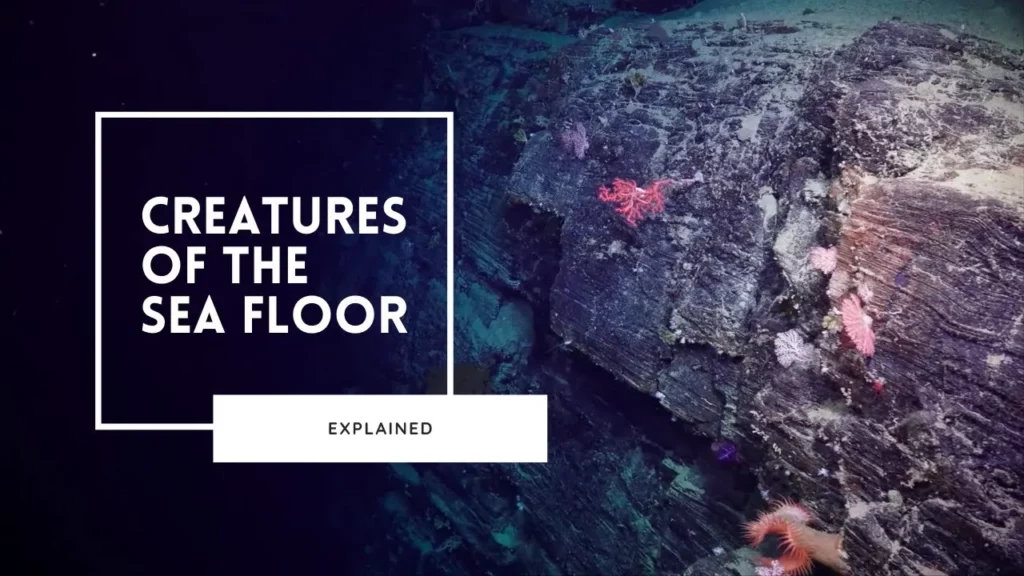
The lesson explores the distinct lifestyles of benthic and pelagic organisms in the deep sea, highlighting how benthic creatures, which live on or near the ocean floor, have adapted to their environment for survival. Benthic organisms benefit from a stable habitat with abundant food sources, allowing them to conserve energy and develop unique adaptations, while also playing crucial roles in nutrient cycling. In contrast, pelagic organisms inhabit the open water, facing different challenges, which underscores the complexity and diversity of life in the deep sea.
The Mysterious Realm of Deep Sea Sponges
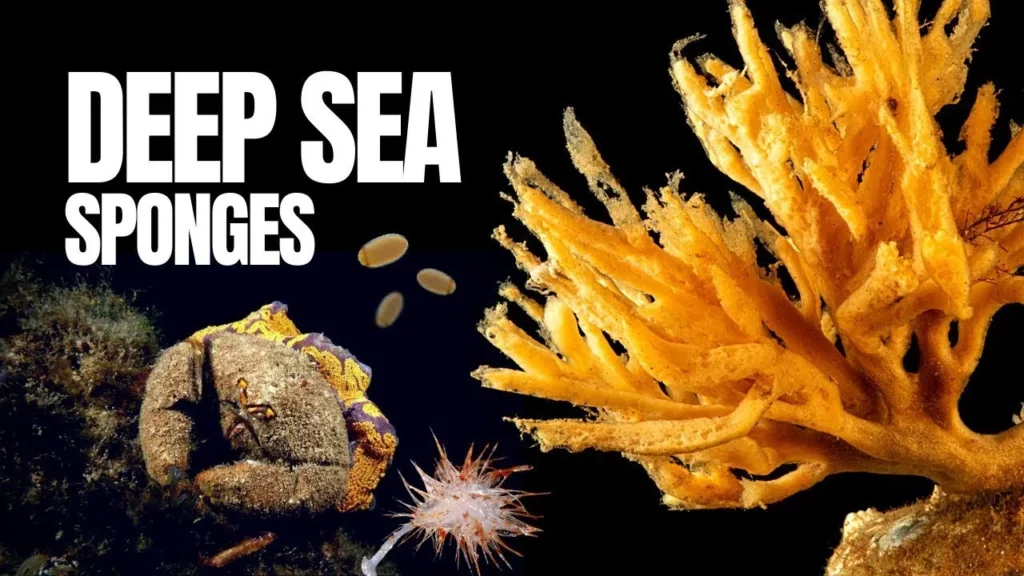
Sponges, belonging to the Porifera phylum, play a vital role in marine ecosystems by filtering water and recycling essential nutrients, which supports diverse marine life. With over 8,500 species exhibiting various structures and feeding strategies, sponges contribute to the complexity of habitats, particularly in tropical reefs and deep-sea environments. Their unique adaptations and symbiotic relationships with other marine organisms underscore their importance in maintaining the health and balance of ocean ecosystems.
Deep Sea Wonders of the Pelagic Zone
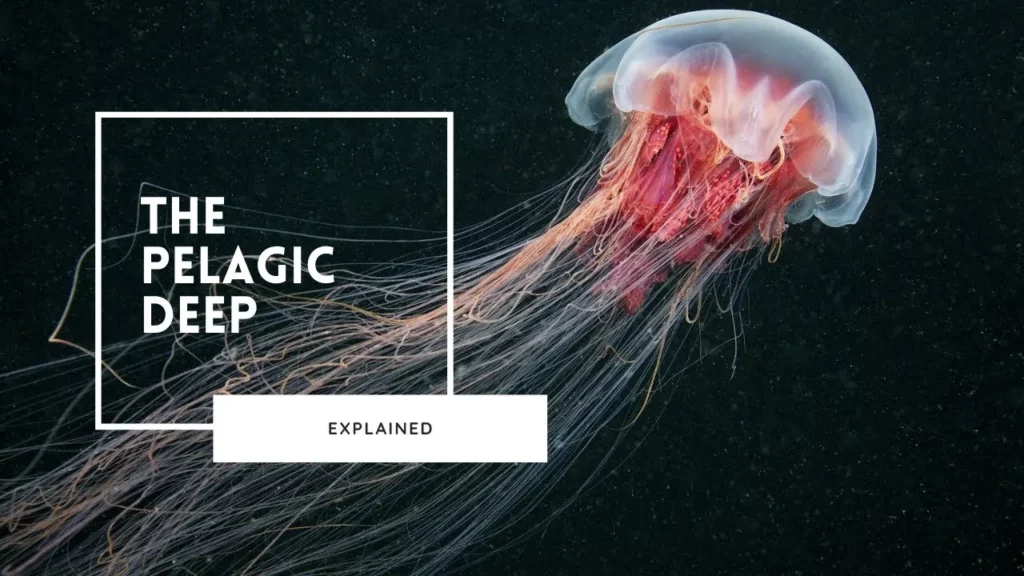
The lesson explores the pelagic zone of the ocean, focusing on the unique challenges and adaptations of marine life that inhabit this vast, open environment. It highlights the different layers of the pelagic zone, particularly the epipelagic, mesopelagic, and bathypelagic zones, and discusses how creatures have evolved to survive in conditions with limited food and shelter. Ultimately, the lesson emphasizes the contrasting lifestyles of pelagic and benthic organisms, showcasing the adaptability of life in the deep sea.
The Secret Life of Brine Pools
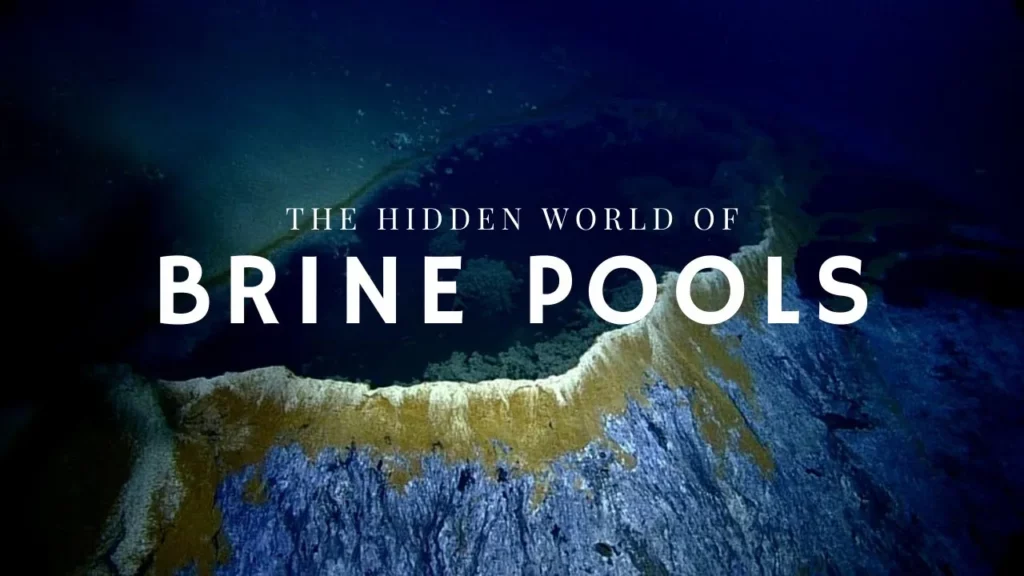
The lesson explores the intriguing ecosystems of deep sea brine pools, which are formed from ancient salt deposits and are characterized by their high salinity and toxic environment. Despite their deadly nature, these pools support vibrant life in surrounding areas, where organisms engage in complex symbiotic relationships and rely on chemosynthesis for energy. The study of brine pools reveals the resilience of life in extreme conditions and highlights the delicate balance within these unique underwater ecosystems.