
Coelacanths, Living Fossils of the Sea
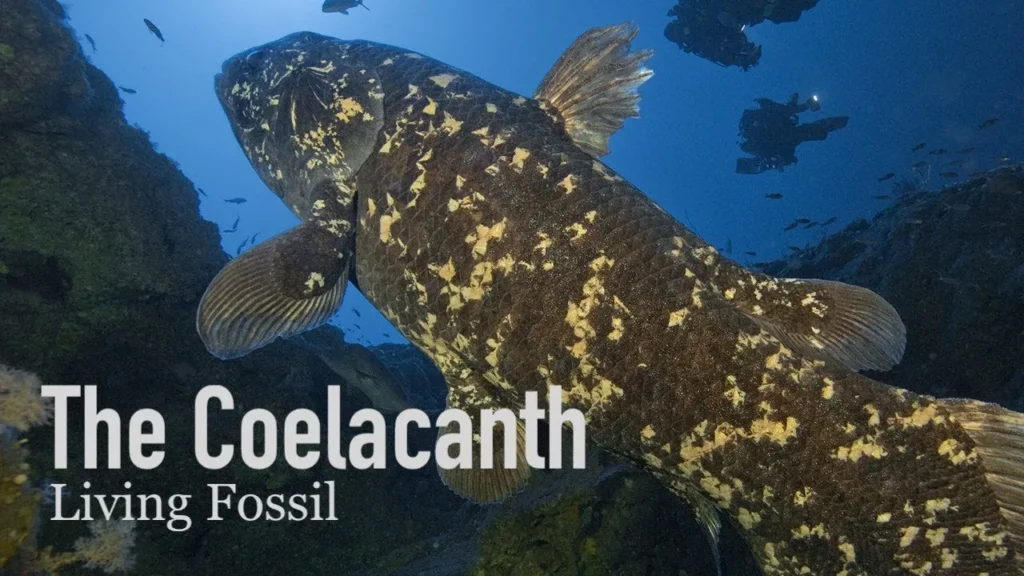
The coelacanth, a fish thought to have been extinct for 65 million years, was rediscovered in 1938 off the coast of South Africa, marking a significant natural history milestone. Living in deep ocean habitats, this unique fish possesses distinctive anatomical features, such as jointed skulls and limb-like pectoral fins, which provide insights into evolutionary transitions from water to land. Despite its ancient lineage, the coelacanth is now critically endangered, highlighting the importance of conservation efforts to protect this remarkable species and the biodiversity of our planet.
The 500-Year-Old Shark | Greenland Sharks
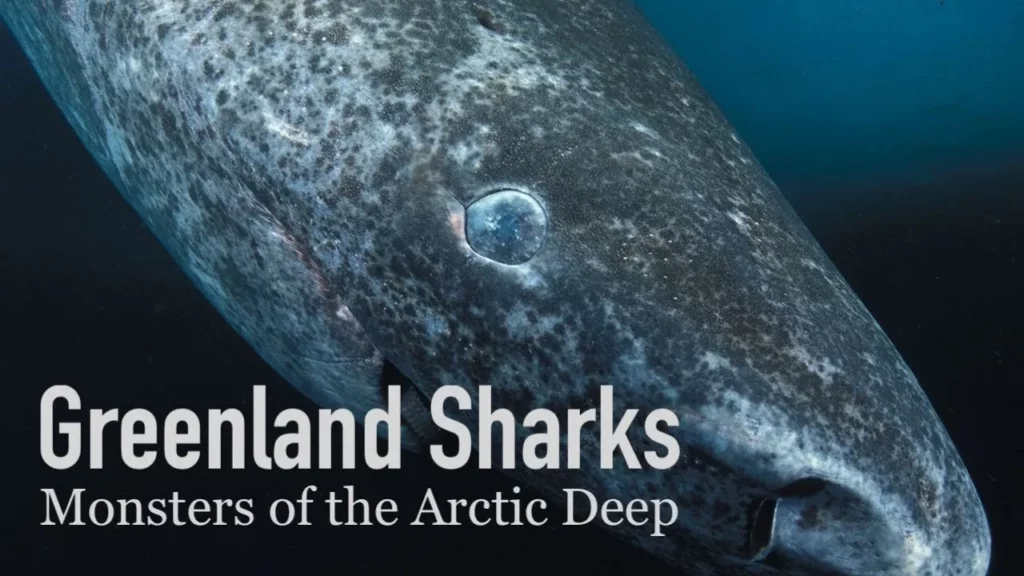
The Greenland shark is a remarkable deep-sea creature that thrives in the Arctic’s icy waters, capable of reaching lengths of up to 6 meters and weights of 2,000 pounds due to deep-sea gigantism. Known for its scavenging behavior and impressive longevity, with some individuals living over 400 years, this shark has unique adaptations that allow it to survive in the dark depths of the ocean, despite often suffering from eye parasites. As a living fossil, the Greenland shark continues to intrigue scientists and ocean enthusiasts alike.
World Cinema – Part 1: Film History #14
The lesson explores the significant impact of Asian cinema on global filmmaking, highlighting key movements and influential filmmakers from Japan, China, and India. It discusses how historical and political contexts, such as censorship and war, shaped the narratives and styles of filmmakers like Yasujiro Ozu, Akira Kurosawa, Zhang Yimou, and Satyajit Ray, ultimately contributing to a diverse and rich cinematic legacy that continues to resonate worldwide. Through this overview, the lesson emphasizes the importance of understanding the cultural and historical influences that have shaped Asian cinema’s unique contributions to the art form.
Climate Science: History of Science #45
The lesson explores the significance of the Blue Marble image as a symbol of environmental awareness and the evolution of climate science, highlighting key milestones and the emergence of the Anthropocene epoch, characterized by human impact on the planet. It discusses the concept of Planetary Boundaries and the ethical dimensions of climate science, emphasizing the need for a multifaceted approach that integrates scientific, social, political, and moral considerations in addressing climate disruption. Ultimately, the lesson underscores the complex interplay between knowledge, power, and ethics in navigating the challenges of our changing environment.
Card Games: Games #13
The lesson explores the rich history and cultural significance of playing cards, tracing their origins from 9th century China to their evolution into modern trading card games and professional competitions. It highlights the transformative impact of card games on entertainment, social dynamics, and even career opportunities, while emphasizing their enduring popularity and adaptability in both traditional and digital formats. Ultimately, the legacy of playing cards continues to inspire and engage new generations of players and creators.
Reproductive System, Part 3 – Sex & Fertilization: Anatomy & Physiology #42
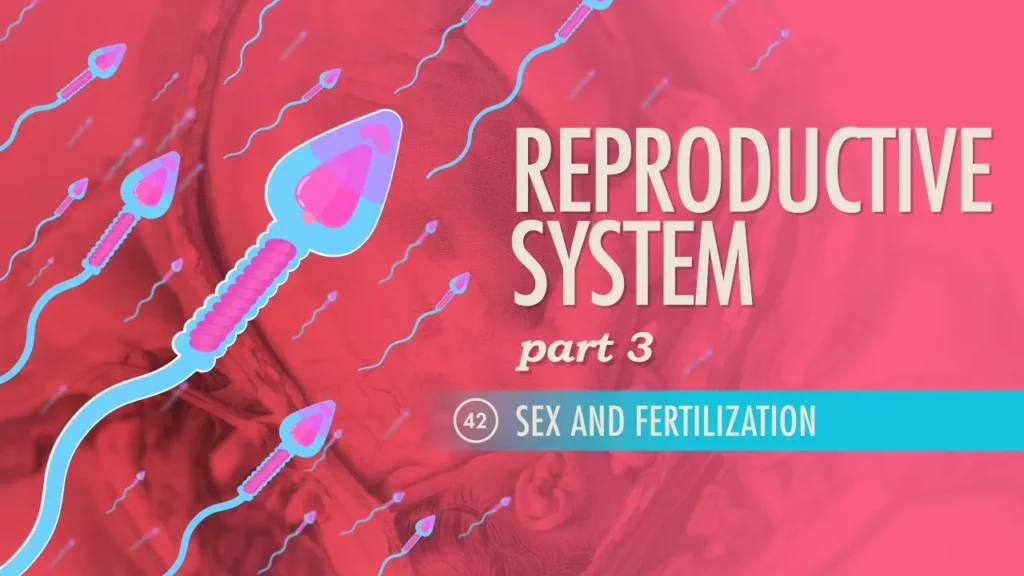
This lesson explores the biological processes involved in human sexual response and fertilization, highlighting the four phases of the sexual response cycle identified by Masters and Johnson: excitement, plateau, orgasm, and resolution. It also details the intricate process of fertilization, from ovulation to the successful penetration of the egg by sperm, and discusses various contraception methods that allow individuals to manage their reproductive health. Understanding these concepts is crucial for informed decision-making regarding conception and sexual health.
Network Solids and Carbon: Chemistry #34
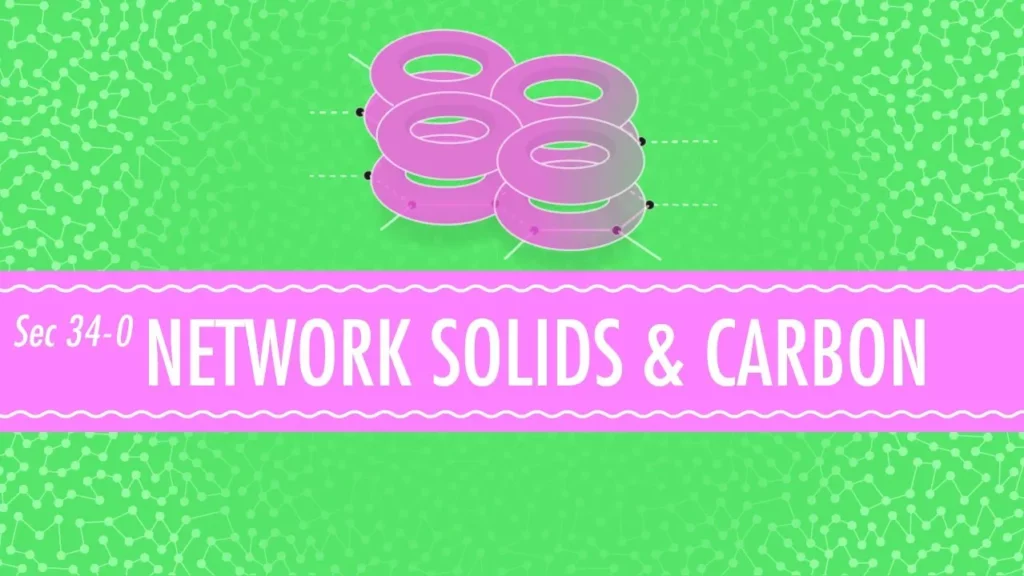
This lesson explores the intriguing differences between two network solids made of carbon: diamond and graphite. While diamonds are renowned for their exceptional hardness and stability due to their three-dimensional bonding structure, graphite is characterized by its layered, lubricating nature and ability to conduct electricity. The lesson emphasizes how atomic bonding and arrangement significantly influence the properties of materials, illustrating the profound impact of chemistry on the characteristics of seemingly similar substances.
Why Is Everyone So Mad About Public Art?

The lesson explores the ongoing controversy surrounding public art in America, particularly focusing on Confederate monuments and their implications for societal values and historical narratives. It highlights the dual nature of public art as both a reflection and a shaper of community identity, emphasizing the need for thoughtful recontextualization and the creation of new artworks that honor marginalized voices. The discussion underscores the importance of navigating these complex issues to foster a more inclusive society.
The Future of Virtual Reality: Games #21
The lesson explores the evolution of Virtual Reality (VR) in gaming, tracing its origins from early immersive attempts to the modern resurgence sparked by the Oculus Rift’s launch in 2012. It highlights key technological advancements, the challenges faced by early VR systems, and the expansion of VR beyond gaming into other entertainment sectors. The lesson concludes with an optimistic outlook on the future of VR, emphasizing its potential to become a lasting element in the gaming industry as technology continues to advance.
What’s the Difference Between Art & Design?
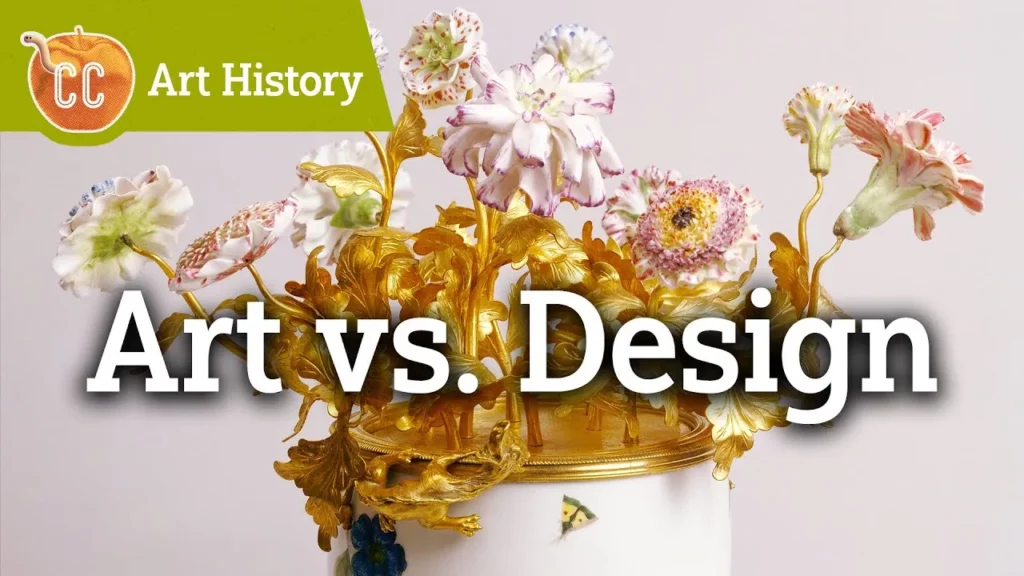
The lesson explores Judy Chicago’s “The Dinner Party,” an installation that honors 1,038 women throughout history and raises questions about the boundaries between art and design. It delves into the historical evolution of these concepts, highlighting how movements like the Arts and Crafts and Art Nouveau blurred the lines between functional objects and artistic expression. Ultimately, the lesson emphasizes the fluidity of creativity and the importance of recognizing the complex interplay between art and design in understanding cultural narratives.