
Slow Worms | The Complete Guide
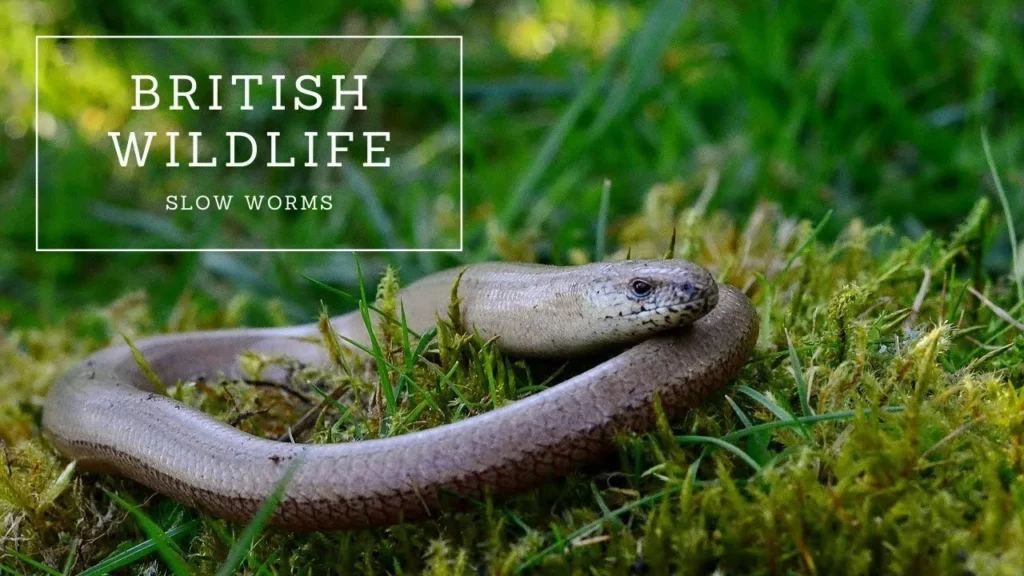
The lesson explores the fascinating world of slow worms, which are legless lizards often mistaken for snakes. It covers their habitat preferences, distinguishing features, unique reproductive methods, and dietary habits, highlighting their importance in the UK’s ecosystems and the need for their conservation. Through this exploration, students learn about the diversity and adaptability of reptiles in nature.
Why Sharks get Creepier the Deeper you Go
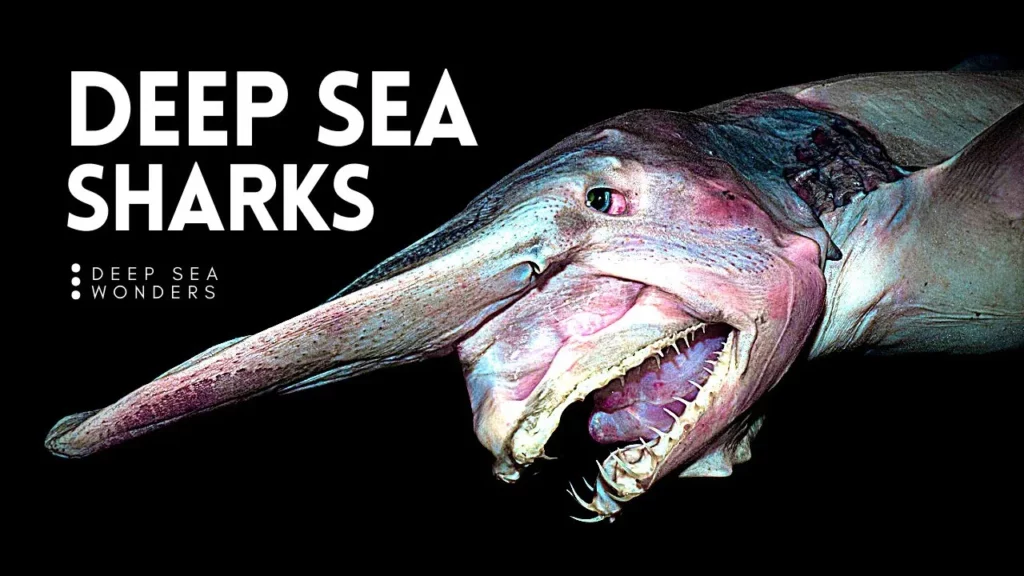
The lesson explores the remarkable evolution of sharks over 450 million years, highlighting their diverse adaptations that allow them to thrive in various ocean environments. It contrasts surface sharks, known for their speed and predatory skills, with deep-sea sharks, which possess unique features for survival in extreme conditions, such as additional gill slits and slower metabolisms. Ultimately, the lesson emphasizes that sharks are not merely fearsome predators but fascinating creatures that have adapted to their habitats in extraordinary ways.
Common Toads | The Complete Guide
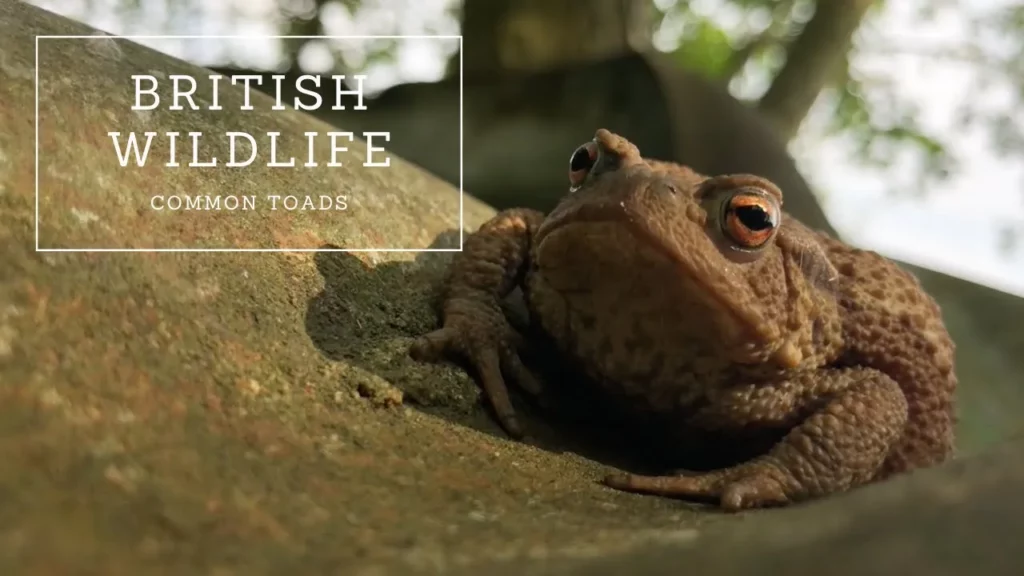
The lesson explores the common toad, or *Bufo bufo*, highlighting its habitat, behavior, and distinctive features that differentiate it from frogs. It emphasizes the toad’s preference for damp environments, nocturnal feeding habits, and unique reproductive practices, such as returning to their birthplace to lay eggs. Understanding the common toad’s role in the ecosystem underscores the importance of protecting its habitats and appreciating the biodiversity of the UK.
The Vicious World of Deep Sea Competition
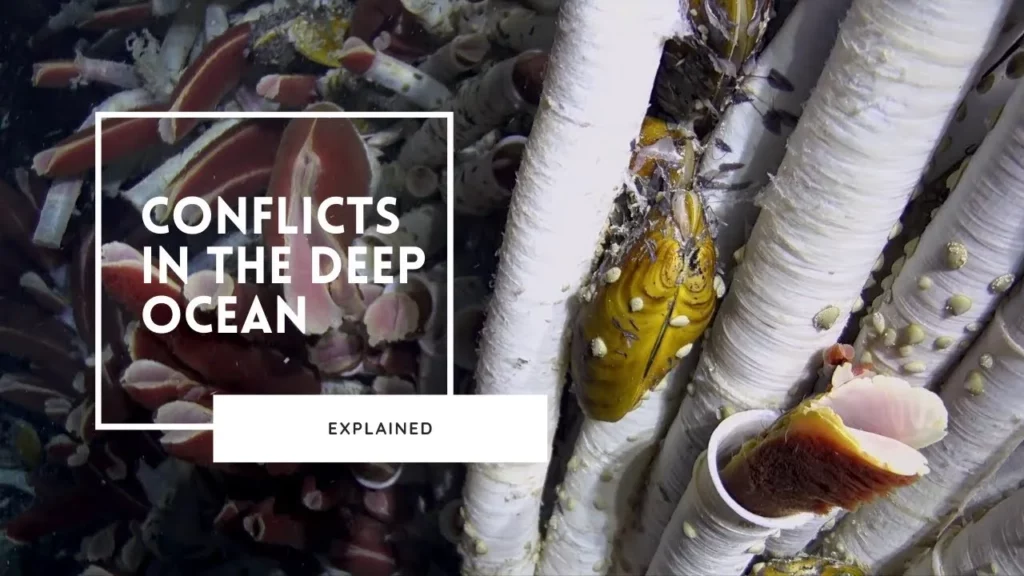
The lesson explores the critical role of competition in shaping deep sea biodiversity, highlighting how organisms must contend with limited resources in a challenging environment. It distinguishes between interspecific and intraspecific competition, illustrating how these interactions influence species survival and community dynamics, particularly in nutrient-rich areas like hydrothermal vents. Ultimately, the lesson emphasizes that competition drives evolutionary adaptations and resource partitioning, contributing to the rich diversity of life in the deep sea.
Blue Whale Fact File – Mammals
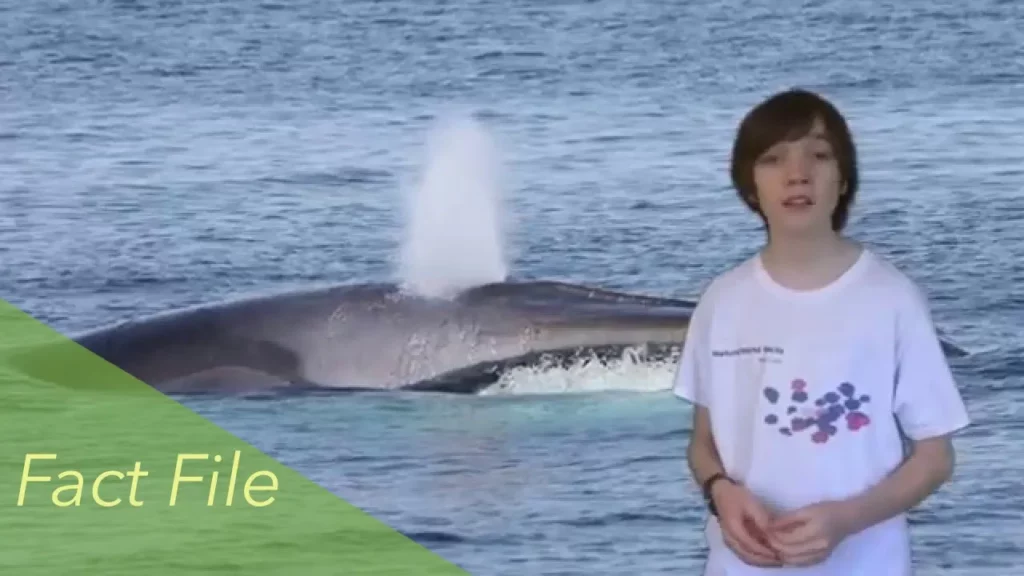
The blue whale, or *Balaenoptera musculus*, is the largest animal on Earth, reaching lengths of up to 30 meters and weights of 200 tons. These magnificent creatures primarily feed on krill, consuming around 4 tons daily, and are known for their graceful swimming despite their size. Due to historical hunting, blue whales are currently endangered, with an estimated population of only 10,000 to 25,000, highlighting the importance of ongoing conservation efforts to protect this vital species in the ocean ecosystem.
Great White Shark Fact File – Ocean Life
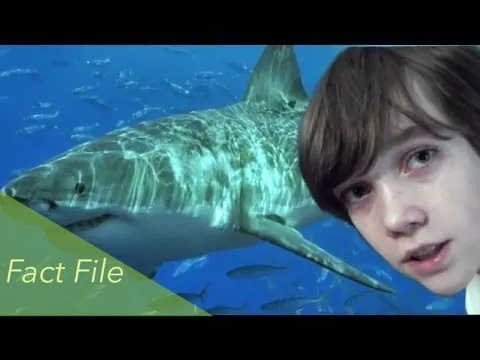
The lesson on the great white shark provides an engaging overview of this powerful ocean predator, detailing its physical characteristics, diet, habitat, reproductive habits, and conservation status. It emphasizes the importance of protecting great white sharks, as they are vital to maintaining a healthy marine ecosystem and are currently classified as vulnerable due to threats like overfishing. Understanding these magnificent creatures is crucial for their preservation and the overall balance of ocean life.
The Vampire Squid, a Living Fossil of the Abyss
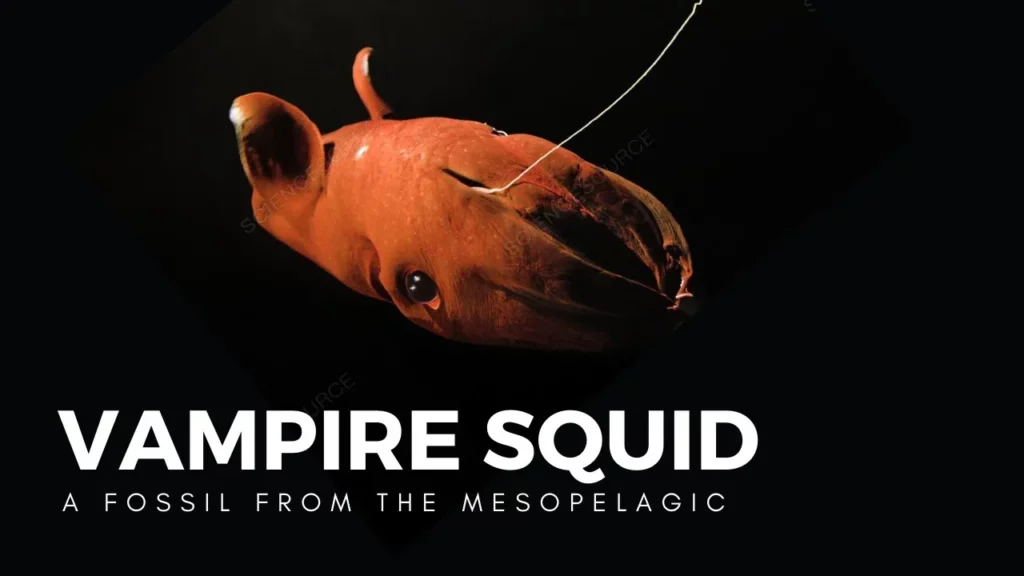
The vampire squid, or *Vampyroteuthis infernalis*, is a remarkable deep-sea creature known for its unique adaptations to the dark, low-oxygen environment it inhabits. With its large eyes, bioluminescent abilities, and distinctive feeding habits as a detrivore, the vampire squid showcases how life can thrive in extreme conditions. Its ancient lineage and specialized behaviors, such as the “pineapple posture” for defense, highlight its evolutionary success in the deep ocean.
How to care for goldfish – Instructional Videos
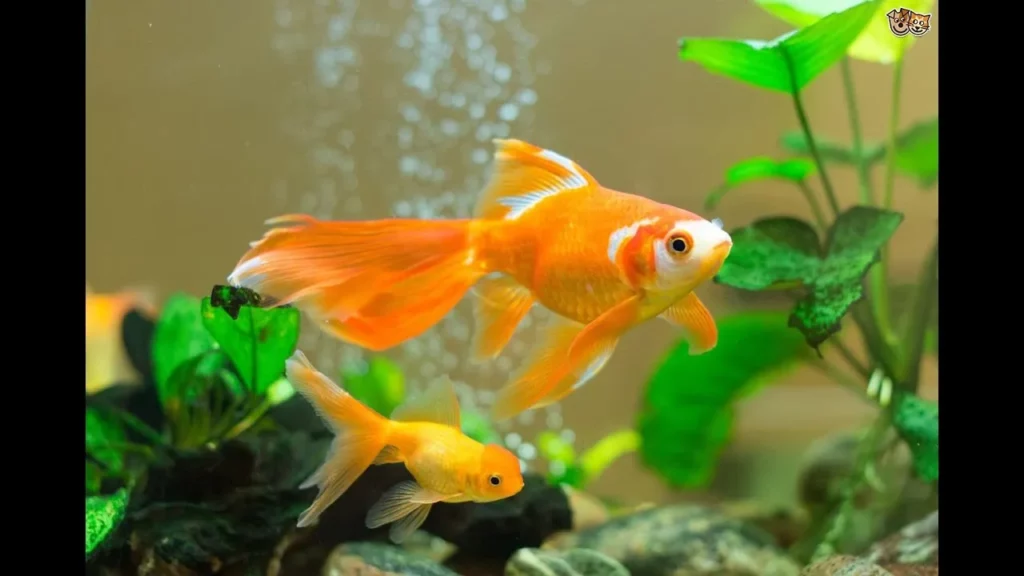
This lesson provides a comprehensive guide on setting up and maintaining a goldfish tank, emphasizing the importance of creating a suitable environment for the fish’s health and happiness. Key topics include preparing the tank, treating water, selecting appropriate substrate and filtration, choosing the right type of goldfish, and maintaining cleanliness through regular water changes and algae management. By following these guidelines, beginners can successfully create a thriving habitat for their goldfish.
Oarfish, the Real Sea Serpent
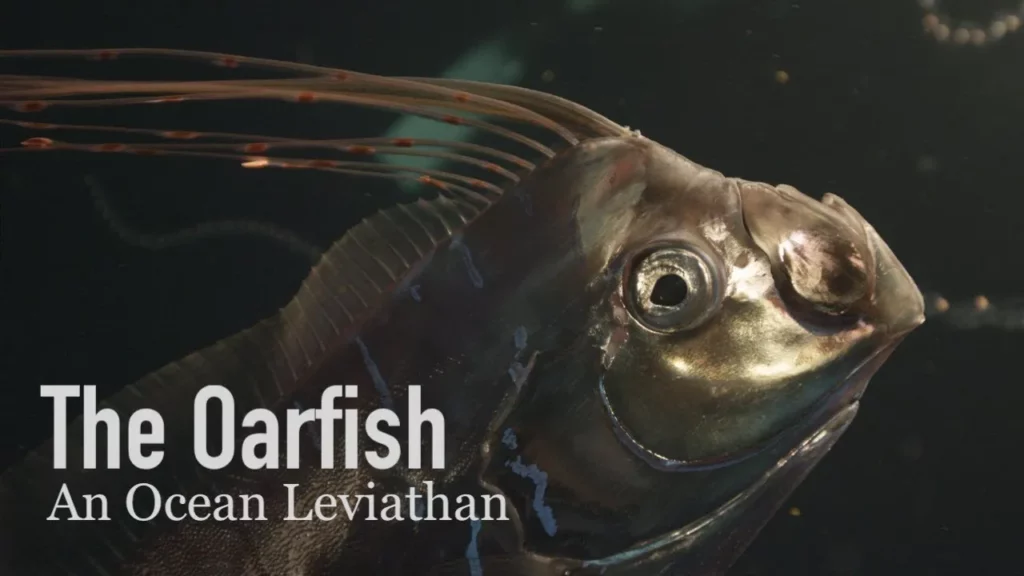
The lesson explores the enigmatic oarfish, a deep-sea creature known for its impressive size, unique vertical swimming posture, and mysterious behaviors. Despite being the largest fish species, oarfish are harmless to humans and primarily feed on small marine organisms. Their occasional beaching, often without tails, raises questions about their biology and potential connections to seismic activity, leaving many aspects of their life and ecology shrouded in mystery.
The Mysterious Deep Sea Ghost Shark #deepsea
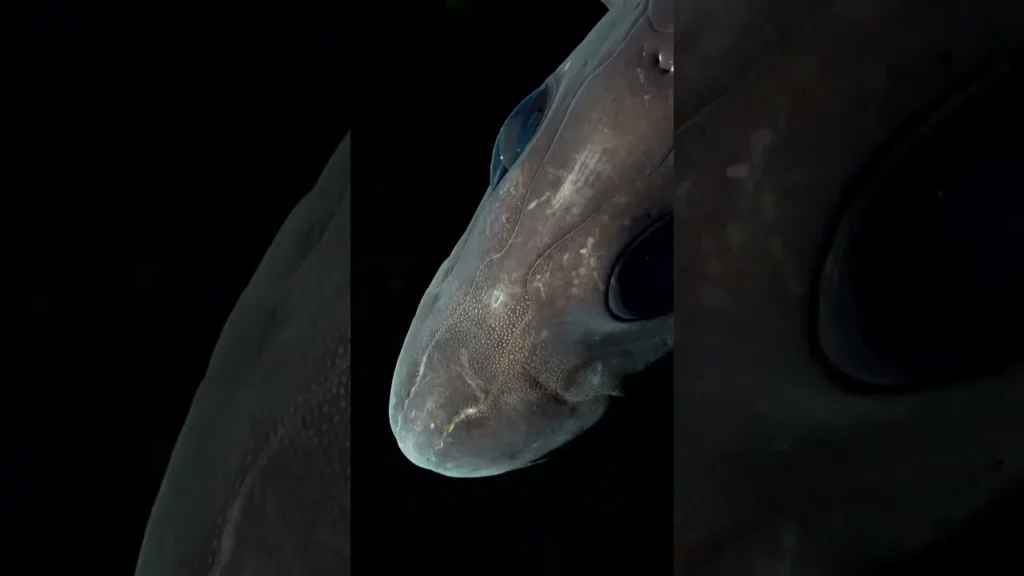
The lesson introduces the chimera, an ancient fish that shares a common ancestor with sharks and has unique adaptations for survival in the ocean. Its large, round snout is equipped with sensors that detect electrical signals, while its lateral line system allows it to sense movements in the water, making it an effective hunter. Overall, the chimera exemplifies the remarkable adaptations of marine life over millions of years.