
Constitutional Compromises: Government and Politics #5
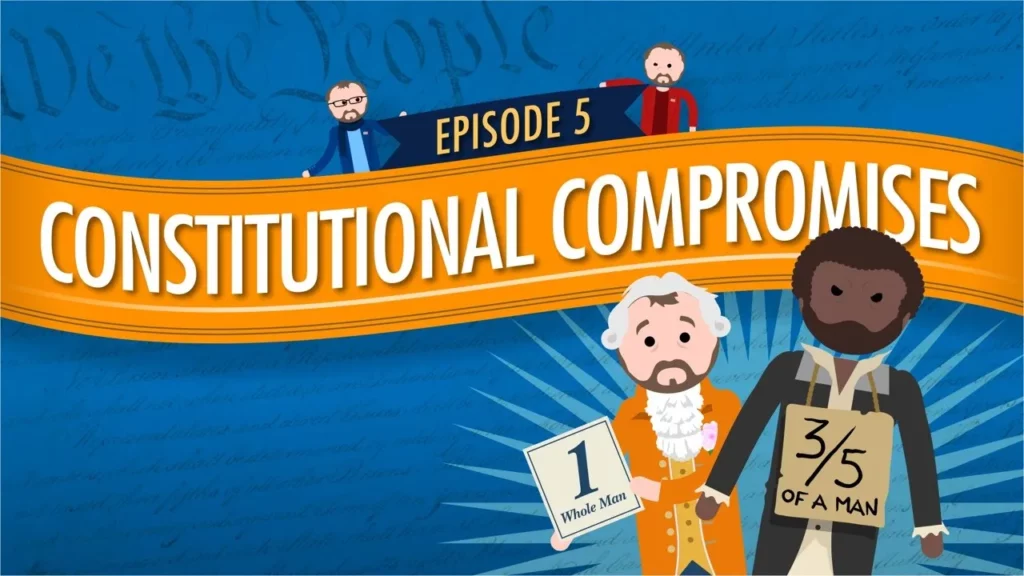
The lesson on the United States Constitution explores its creation, highlighting the challenges and compromises that shaped it. Initially governed by the ineffective Articles of Confederation, the Constitutional Convention of 1787 led to the drafting of a new Constitution, which balanced the interests of large and small states through compromises like the Great Compromise and the Three-Fifths Compromise. The ratification process revealed further divisions between Federalists and Anti-Federalists, ultimately resulting in the addition of the Bill of Rights to address concerns about individual liberties and government power, underscoring the enduring importance of compromise in American governance.
The History of Atomic Chemistry: Chemistry #37
The lesson on atomic theory traces the evolution of the concept of atoms from ancient Greek philosophers Leucippus and Democritus, who first proposed the idea of indivisible particles, to modern quantum mechanics. Key developments include the contributions of scientists like Lavoisier, Dalton, Thomson, Rutherford, and Bohr, each enhancing our understanding of atomic structure and behavior. The lesson emphasizes that scientific knowledge is continually evolving, encouraging students to remain curious and engaged in the ongoing journey of discovery in the field of atomic theory.
Experimental and Documentary Films: Film History #16
The lesson explores the distinct characteristics and historical contexts of experimental and documentary films, highlighting how they diverge from traditional narrative cinema. Experimental films, often abstract and avant-garde, challenge viewers to engage with emotions and concepts rather than straightforward storytelling, while documentaries aim to represent real-life events through various techniques, reflecting the filmmaker’s perspective. Both genres have significantly influenced narrative filmmaking, showcasing their importance in the broader landscape of cinema.
Geometric Distributions and The Birthday Paradox: Statistics #16

The lesson on “Understanding Geometric Probability” explores how probabilities can help us estimate waiting times for events in our lives, using the Geometric Probability Formula to analyze scenarios like picking flavors from Bertie Bott’s Every Flavour Beans or making basketball free throws. It emphasizes the significance of cumulative probabilities in decision-making and introduces intriguing concepts like the Birthday Paradox, illustrating how understanding these statistical tools can enhance our ability to make informed choices.
The Cinematographer: Film Production with Lily Gladstone #8
The lesson on “The Art and Science of Cinematography” highlights the vital role of cinematographers in filmmaking, blending artistic vision with technical expertise to create compelling visual narratives. It covers their responsibilities during pre-production, production, and post-production, emphasizing their collaboration with directors and production designers, as well as their mastery of lighting, composition, and camera movement to evoke emotions and enhance storytelling. Ultimately, cinematography is presented as a crucial element that transforms a director’s ideas into visual magic on screen.
The First Home Consoles: Games #5

The 1970s marked a transformative era in home video gaming, beginning with the release of the Magnavox Odyssey, the first home console, created by Ralph Baer. The decade saw Atari’s rise with the Atari 2600, which introduced advanced graphics and gameplay, as well as the emergence of third-party developers like Activision, setting new industry standards. This period not only laid the groundwork for modern gaming culture but also paved the way for future innovations from Japanese companies like Sega and Nintendo.
Types of Bureaucracies: Government and Politics #16
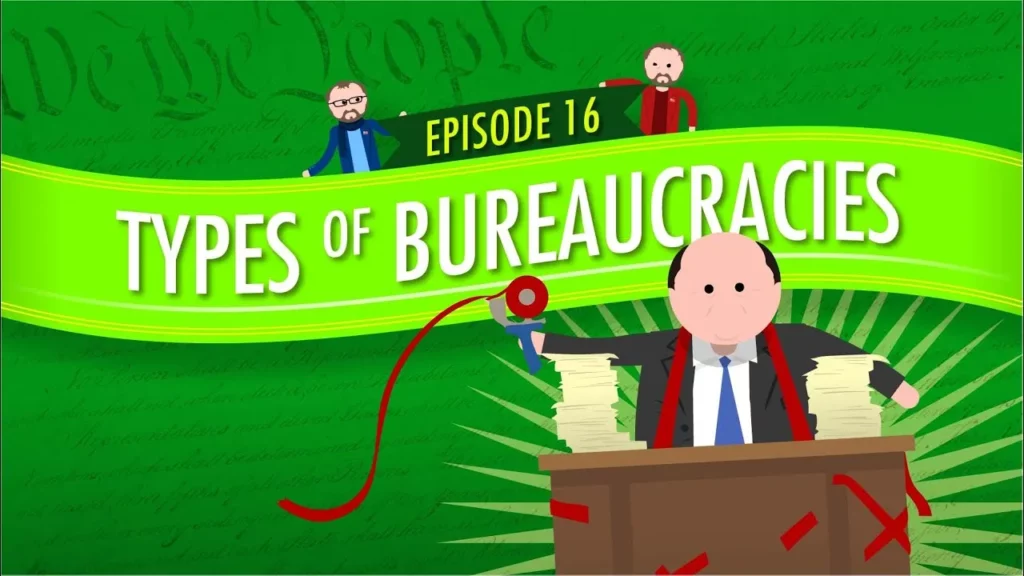
The lesson on “Understanding Bureaucracies in Government” highlights the importance of bureaucracies in shaping government operations and their impact on daily life. It categorizes bureaucracies into four main types—Cabinet-Level Agencies, Independent Agencies, Independent Regulatory Commissions, and Government Corporations—each serving distinct functions such as client services, economic regulation, and resource redistribution. Additionally, the lesson emphasizes the sources of bureaucratic power, including delegated authority, budget control, and expertise, which are crucial for understanding government actions and policies.
What Are Rocks and How Do They Form? Geography #18
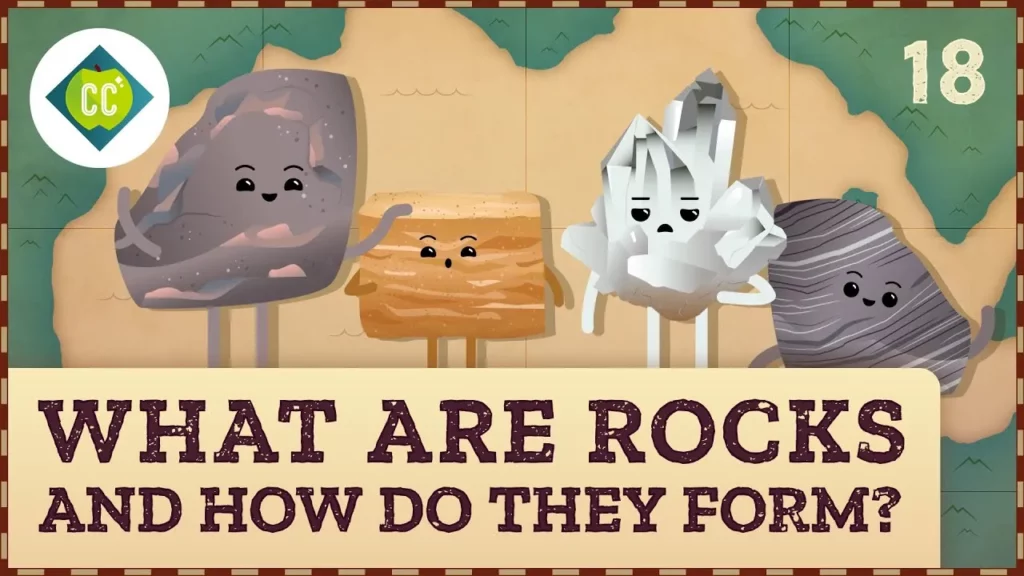
The lesson “Understanding Earth’s Rocks: A Journey Through Geology” explores the diverse types of rocks that make up Earth’s surface, their formation processes, and the geological history behind them. It covers the structure of the Earth, the rock cycle, and the transformation of rocks through processes like weathering, erosion, and metamorphism, emphasizing the interconnectedness of geological phenomena and the rich narratives each rock holds about Earth’s history. Ultimately, the lesson highlights the dynamic nature of our planet and the stories embedded in its rocks.
Endocrine System, Part 2 – Hormone Cascades: Anatomy & Physiology #24
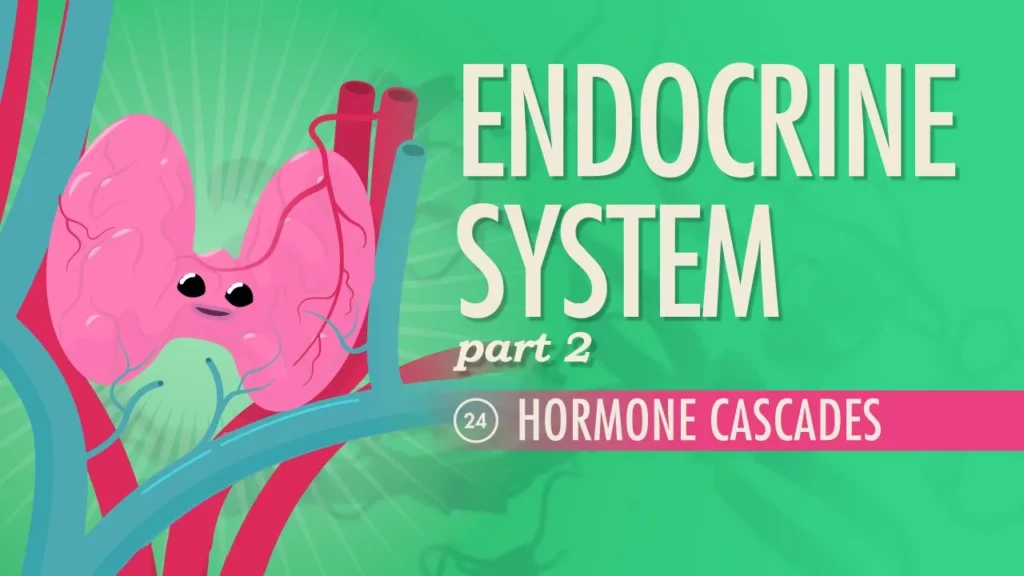
The lesson focuses on Marie’s experience with Graves’ disease, an autoimmune disorder that leads to hyperthyroidism, highlighting the critical role of the thyroid gland in regulating bodily functions through hormone production. It emphasizes the importance of hormonal balance for maintaining homeostasis and outlines the complex interactions within the hypothalamus-pituitary-thyroid axis that govern thyroid activity. Ultimately, Marie’s case illustrates the need for awareness of thyroid disorders and the significance of seeking appropriate treatment to restore hormonal equilibrium.
Designing the World of Film: Film Production with Lily Gladstone #9
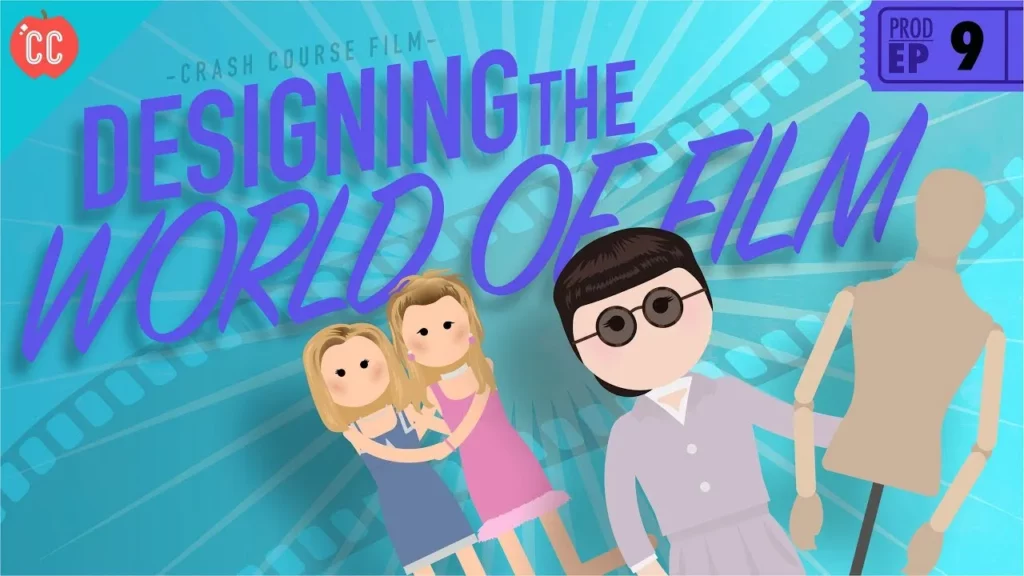
The lesson on mise-en-scène in film highlights the importance of various artistic elements, including set design, costumes, and makeup, in creating a cohesive and believable cinematic world. Each component is meticulously planned and executed to enhance storytelling and reflect the director’s vision, with collaboration among departments being crucial for achieving this goal. Understanding mise-en-scène allows viewers to appreciate the intricate artistry and teamwork that bring characters and narratives to life on screen.