
Moral Luck: Philosophy #39

The lesson explores the complexities of moral responsibility through the case of two drunk drivers, A and B, highlighting the concept of “moral luck.” While B causes a tragic accident due to their impaired driving, both drivers made the same poor choice to drive while intoxicated, prompting a deeper examination of how external factors influence moral judgments. Ultimately, the discussion reveals that assigning blame is complicated by the interplay of luck and individual agency, challenging our understanding of justice and accountability.
Urinary System, Part 1: Anatomy & Physiology #38
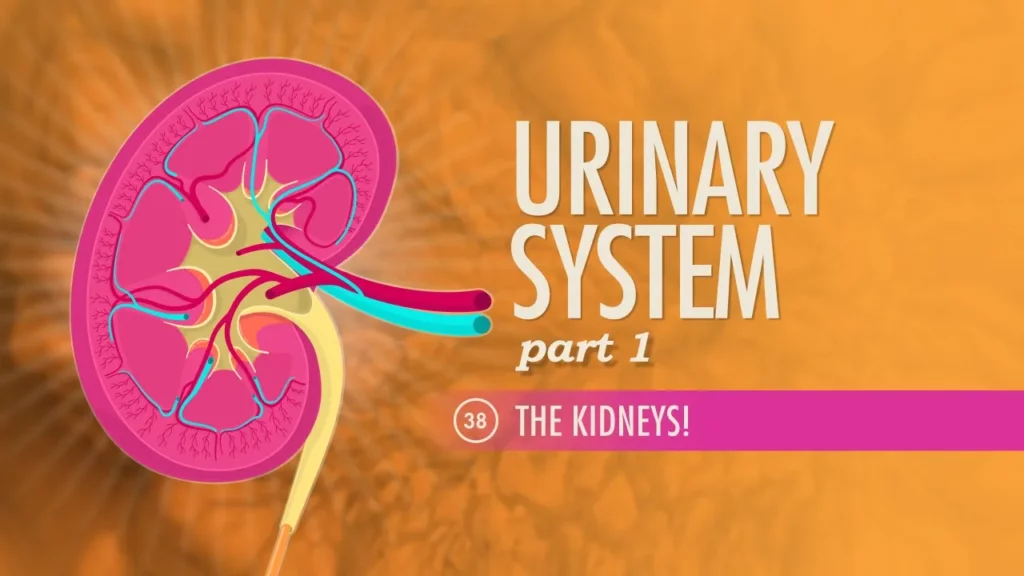
The lesson highlights the essential role of the urinary system, particularly the kidneys, in filtering waste and managing metabolism after food consumption. It explains the kidneys’ complex functions, including filtration, reabsorption, and secretion through nephrons, and emphasizes the importance of urea recycling for maintaining hydration and balance in the body. Understanding these processes underscores the significance of a healthy lifestyle to support kidney function and overall waste management.
Arguments Against Personal Identity: Philosophy #20
The lesson explores the concept of personal identity through the perspectives of philosophers David Hume and Derek Parfit, highlighting the idea that identity is not a stable, unchanging essence but rather a collection of impressions and experiences. Hume’s bundle theory suggests that our sense of self is an illusion, while Parfit’s thought experiment emphasizes psychological connectedness over time, raising important questions about responsibility and the nature of relationships. Ultimately, the lesson encourages a deeper understanding of how our identities evolve and the implications this has for our commitments and interactions with others.
Aggression vs. Altruism: Psychology #40
The Robber’s Cave Experiment, conducted in 1954, revealed how competition can escalate conflict between groups, as seen with the rivalry between two groups of boys, the Rattlers and the Eagles. However, when the researchers introduced shared goals that required cooperation, the boys transitioned from hostility to friendship, highlighting the transformative power of collaboration. This experiment underscores the complex interplay between aggression and altruism in human behavior, emphasizing that while self-interest can lead to division, cooperation can foster harmony and resolve conflicts.
Slave Codes: Black American History #4
The lesson on “Understanding Slave Codes in Colonial America” explores the origins and implications of laws designed to enforce racial hierarchies and limit the freedoms of Black individuals during the colonial era. These codes, which emerged primarily to protect the economic interests of white enslavers, institutionalized systemic inequalities and laid the groundwork for ongoing discrimination. The lesson emphasizes the importance of recognizing this historical context to understand the lasting effects of such laws on modern society and highlights the resilience of Black Americans in resisting these injustices.
Metaethics: Philosophy #32
The lesson on “Exploring Ethics: The Foundations of Morality” delves into the philosophical study of ethics, focusing on metaethics, which examines the nature and origins of morality. It contrasts moral realism, which posits the existence of objective moral truths, with moral antirealism, which denies such facts, while also introducing various ethical theories that guide moral reasoning. By understanding these concepts, we can better navigate complex moral dilemmas and refine our ethical beliefs.
Kinetics: Chemistry’s Demolition Derby – Chemistry #32
This lesson uses the analogy of demolition derbies to explain key concepts in chemistry, particularly the dynamics of chemical reactions. It highlights the importance of effective collisions between atoms and molecules, the role of activation energy in initiating reactions, and how reaction rates can be determined experimentally. Additionally, it discusses the significance of catalysts in speeding up reactions and the connection between rate laws and chemical equilibrium, emphasizing that understanding these principles is crucial for grasping the complexities of chemical processes.
Metabolism & Nutrition, Part 1: Anatomy & Physiology #36
The lesson on “Understanding the Composition of the Human Body” highlights the essential components that make up our bodies, including water, proteins, fats, minerals, and carbohydrates, and emphasizes their vital roles in maintaining health and function. It explains the metabolic processes of anabolism and catabolism, illustrating how our bodies build and break down substances to sustain life. Ultimately, the lesson underscores the importance of a balanced diet rich in these nutrients to support our complex biological systems.
What is Engineering?: Engineering #1
The lesson “Understanding Engineering: A Journey of Creation” introduces the fundamental concepts of engineering as a discipline focused on problem-solving through the application of science and mathematics. It highlights the evolution of engineering fields, from military applications to specialized areas like aerospace and biomedical engineering, and emphasizes the significant impact engineering has on society, including advancements in technology and medicine. The lesson encourages students to embrace their curiosity and creativity as they explore various engineering disciplines and consider their potential contributions to future innovations.
Respiratory System, Part 1: Anatomy & Physiology #31
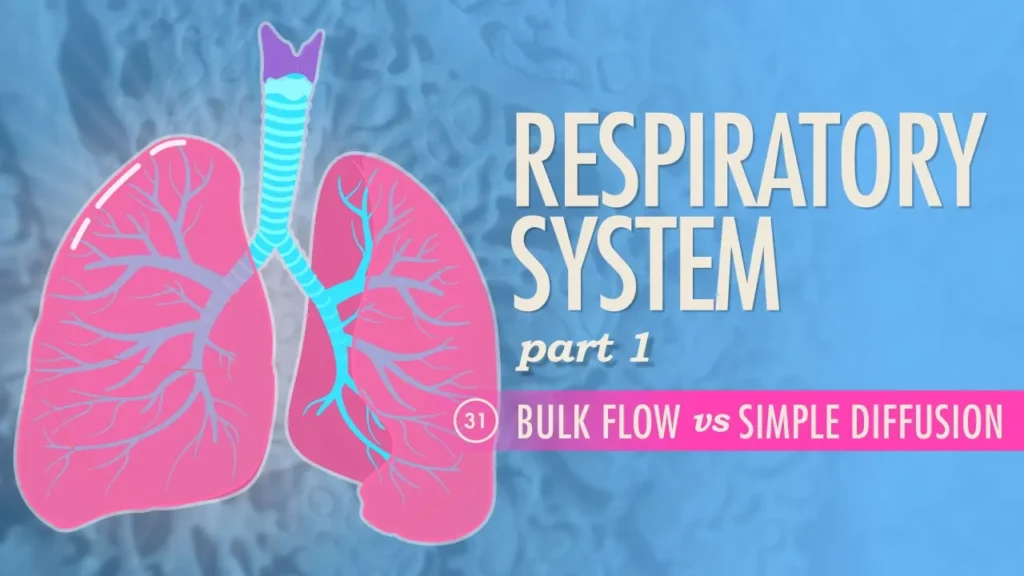
The lesson explores the evolutionary journey of breathing, tracing back to a fish-like ancestor that developed lungs around 380 million years ago, enabling the transition from water to air. It discusses the limitations of diffusion for oxygen acquisition in larger organisms and how the evolution of lungs allowed for more efficient oxygen intake, leading to the complex respiratory systems seen in vertebrates today. The mechanics of breathing, including the roles of the diaphragm and alveoli, are highlighted as essential for sustaining life through effective gas exchange.