
Kant & Categorical Imperatives: Philosophy #35
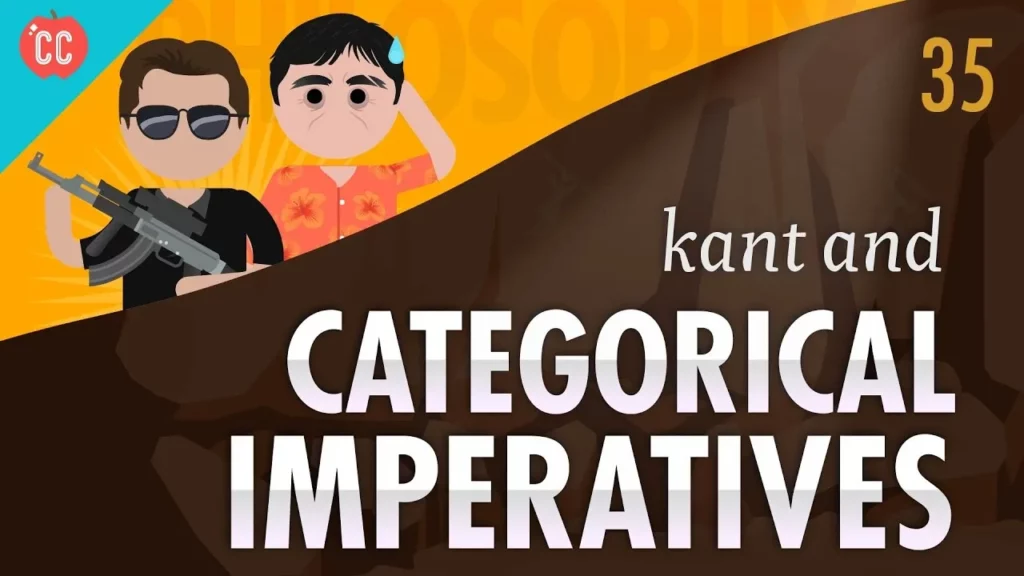
The lesson on Kantian ethics emphasizes Immanuel Kant’s belief that morality is grounded in reason rather than divine authority, distinguishing between hypothetical and categorical imperatives. Categorical imperatives, which are universal moral obligations, are articulated through principles such as universalizability and treating humanity as an end, underscoring the importance of respecting individual autonomy and the fixed nature of moral truths. Kantian ethics challenges us to consider the broader implications of our actions and the moral laws that govern them, setting the stage for a comparison with utilitarianism in future discussions.
Speciation: Of Ligers & Men – Biology #15
This lesson explores the concept of species, focusing on the unique characteristics that define humans and the diversity of dogs. It explains how speciation occurs through reproductive isolation, both pre-zygotic and post-zygotic, and distinguishes between allopatric and sympatric speciation. By examining the evolution of humans and the artificial selection in dog breeding, the lesson highlights the complexity of life on Earth and the processes that shape it.
Intro to Psychology: Psychology #1
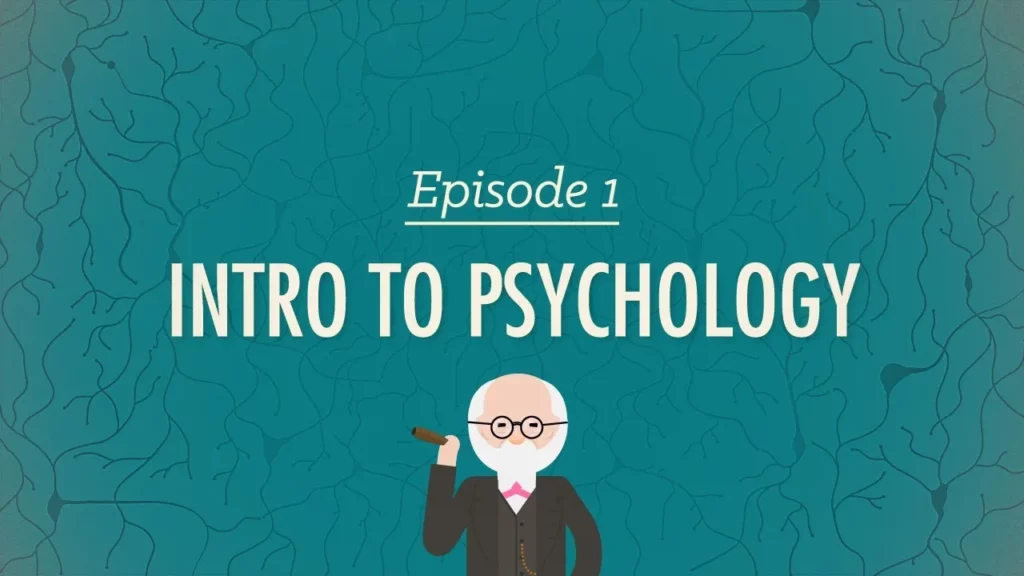
The lesson “Understanding Psychology: A Journey into the Human Mind” explores the intricate nature of the human mind and the evolution of psychology as a scientific discipline. It highlights key historical milestones, influential figures like Sigmund Freud, and the emergence of various psychological schools of thought, emphasizing the ongoing quest to understand human behavior, consciousness, and mental health. As students delve into this field, they will engage with fundamental questions that shape our understanding of what it means to be human.
The Golden Age of Hollywood: Film History #11
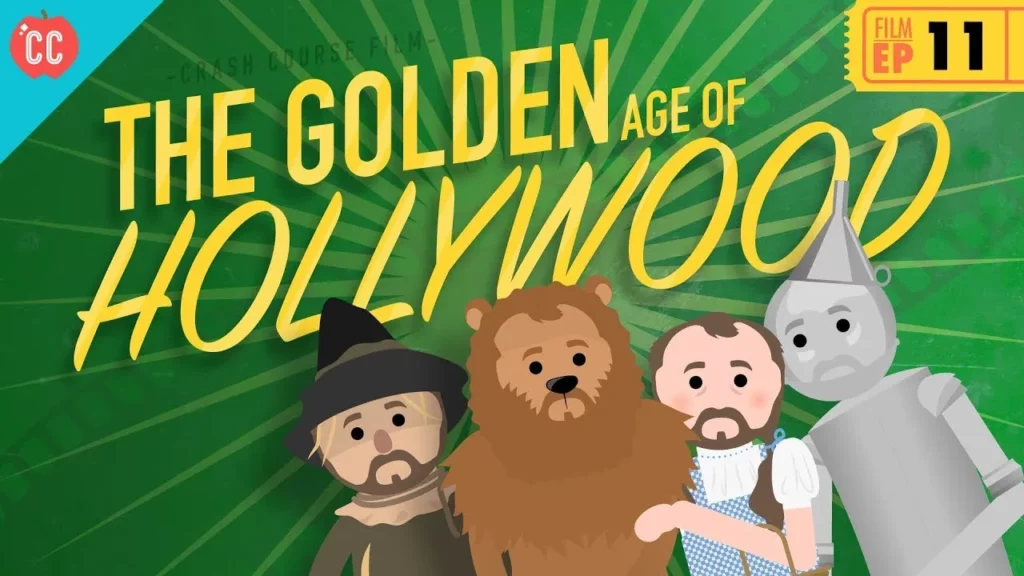
The lesson on “The Golden Age of Hollywood: A Cinematic Revolution” explores the transformative period between the 1920s and 1950s when sound, color, and technological advancements reshaped the film industry, solidifying Hollywood’s status as a global cinematic hub. Despite the challenges posed by the Great Depression, major studios thrived by producing a diverse array of films that provided escapism and hope. The era culminated in significant changes, including the U.S. Supreme Court’s antitrust ruling, which altered the control of major studios over film production and exhibition, paving the way for future innovations in cinema.
Intelligent Design: Philosophy #11
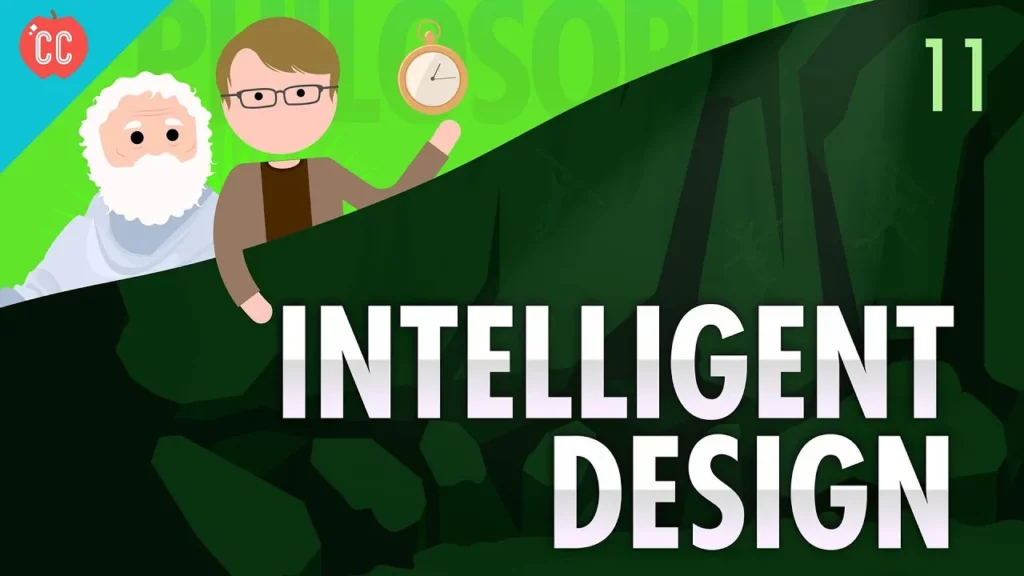
The teleological argument, notably articulated by William Paley, posits that the complexity and purpose observed in the universe imply the existence of an intelligent creator, akin to a watchmaker designing a watch. While this argument has garnered support, it faces substantial criticism, particularly regarding the imperfections in nature and the explanations provided by evolutionary biology. Ongoing debates surrounding the teleological argument continue to evolve, focusing not only on the existence of God but also on the nature of such a being.
The Integumentary System, Part 1 – Skin Deep: Anatomy & Physiology #6
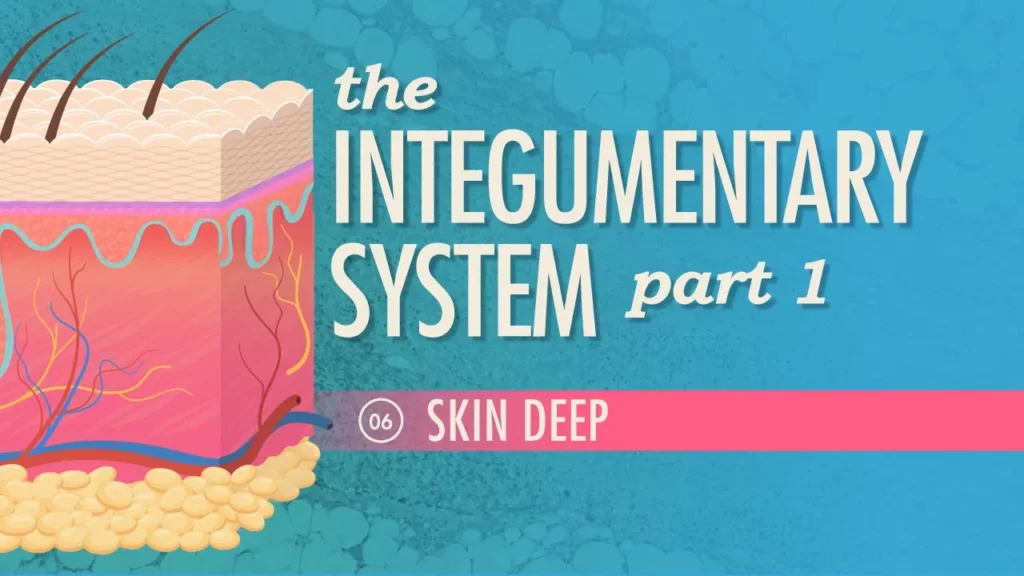
The lesson emphasizes the significance of skin as the body’s largest organ, highlighting its protective, regulatory, and sensory functions. It details the skin’s structure, including its three main layers—epidermis, dermis, and hypodermis—and the various cell types that contribute to its roles. Additionally, the lesson discusses the importance of skin health, the impact of sunlight, and the skin’s remarkable ability to heal itself.
Meteors: Astronomy #23
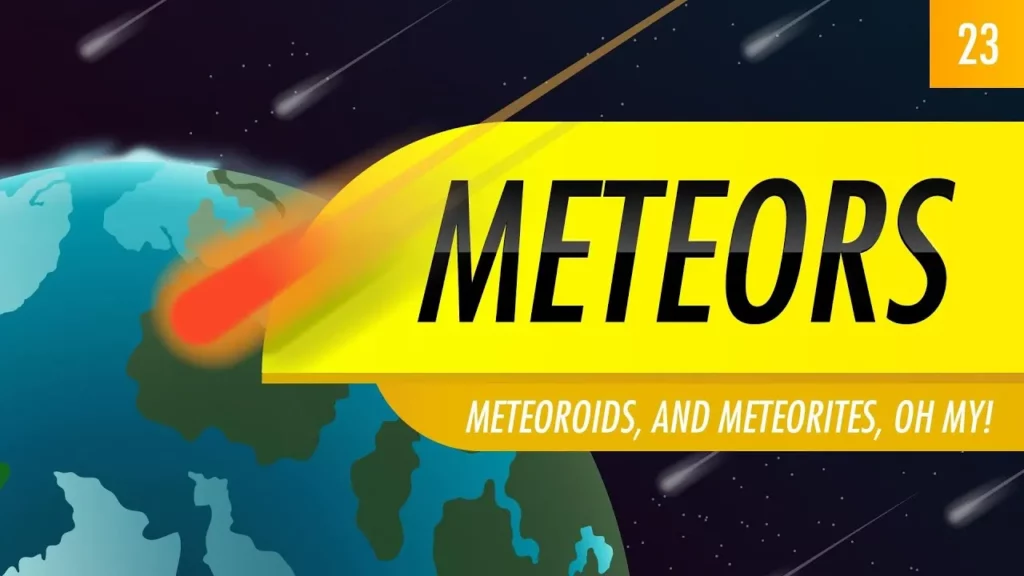
The lesson “Understanding Meteors: A Journey Through the Cosmos” explores the fascinating world of meteors, explaining their origins, the science behind their glowing trails, and the phenomenon of meteor showers. It highlights the difference between meteoroids, meteors, and meteorites, and discusses the potential dangers posed by larger meteoroids, while emphasizing ongoing research aimed at detecting and deflecting hazardous asteroids to protect Earth. Overall, the lesson encourages a deeper appreciation for astronomy and the mysteries of the universe.
Digestive System, Part 1: Anatomy & Physiology #33
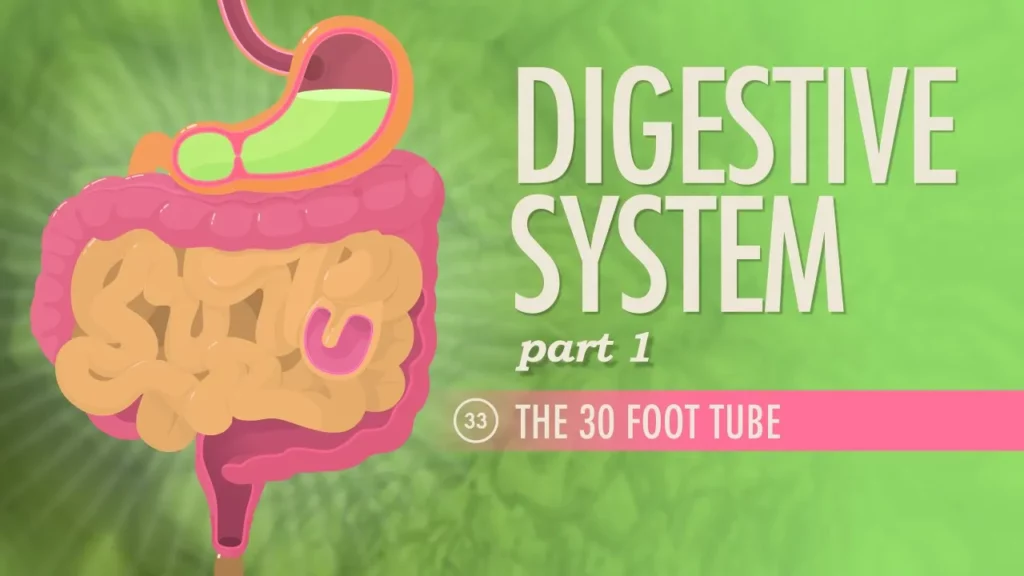
This lesson explores the intricate digestive process, illustrating how our bodies transform food, like nachos, into essential nutrients. It outlines the six key steps of digestion—ingestion, propulsion, mechanical digestion, chemical digestion, absorption, and defecation—highlighting the roles of both the main digestive organs and accessory organs. Understanding this process emphasizes the importance of nutrition for energy and bodily repair.
Civil Engineering: Engineering #2
The lesson on civil engineering highlights its significance as one of the oldest engineering disciplines, focusing on the design and construction of essential structures and systems that shape our daily lives. It traces the historical milestones of civil engineering, from early innovations like the Step Pyramid and Roman aqueducts to modern advancements in sanitation and building materials, emphasizing the diverse specialties within the field. Ultimately, the lesson underscores the vital role civil engineers play in urban development and public health, laying the groundwork for understanding the complexities of our built environment.
Determinism vs Free Will: Philosophy #24
The lesson explores the philosophical debate between free will and determinism, using the story of Oedipus as a case study to illustrate the tension between fate and personal choice. It contrasts libertarian free will, which emphasizes individual agency and the ability to choose differently, with hard determinism, which posits that all actions are predetermined by prior events and biological processes. Ultimately, the lesson invites reflection on the implications of these perspectives for human responsibility and the nature of our choices.