
Introduction to complex numbers | Imaginary and complex numbers | Precalculus
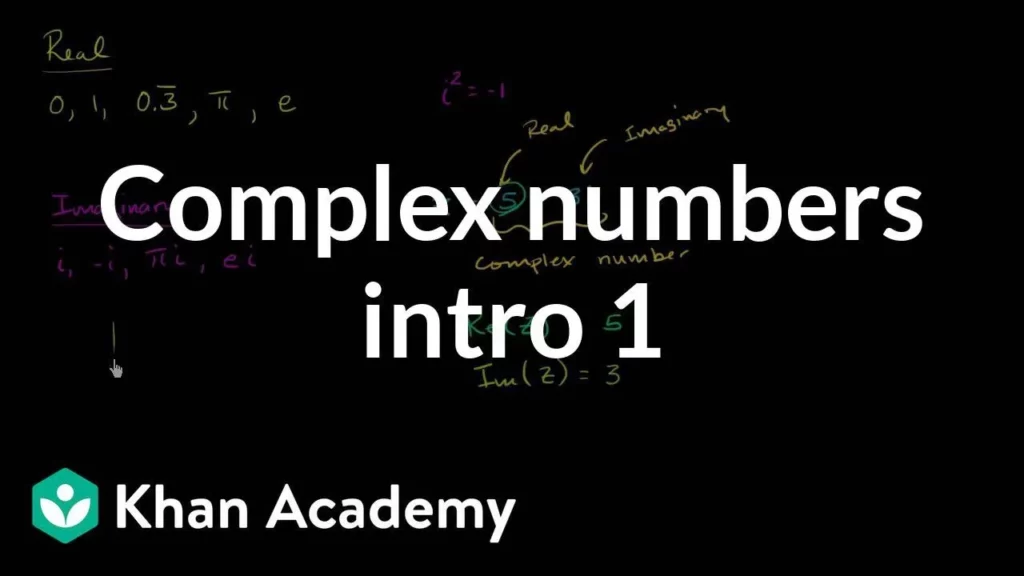
This lesson introduces complex numbers, which are formed by combining real numbers and imaginary numbers, represented by the unit \( i \) where \( i^2 = -1 \). It explains the components of complex numbers, including their real and imaginary parts, and demonstrates how to visualize them on the complex plane. By understanding complex numbers, students can explore mathematical concepts that extend beyond the limitations of real numbers.
Graphing a parabola in vertex form | Quadratic equations | Algebra I
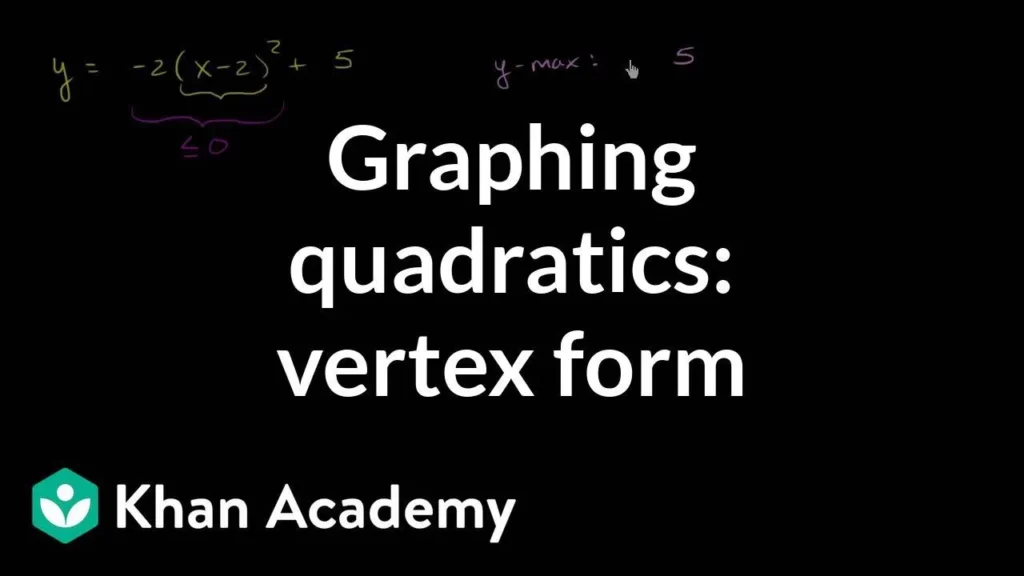
In this lesson, we learned how to graph the quadratic equation \( y = -2(x – 2)^2 + 5 \) by identifying key features such as the vertex and additional points. The vertex, located at (2, 5), represents the highest point of the downward-opening parabola, and we also calculated two other points, (1, 3) and (3, 3), to accurately sketch the graph. Ultimately, we successfully visualized the parabola’s shape and characteristics.
The Growth Mindset
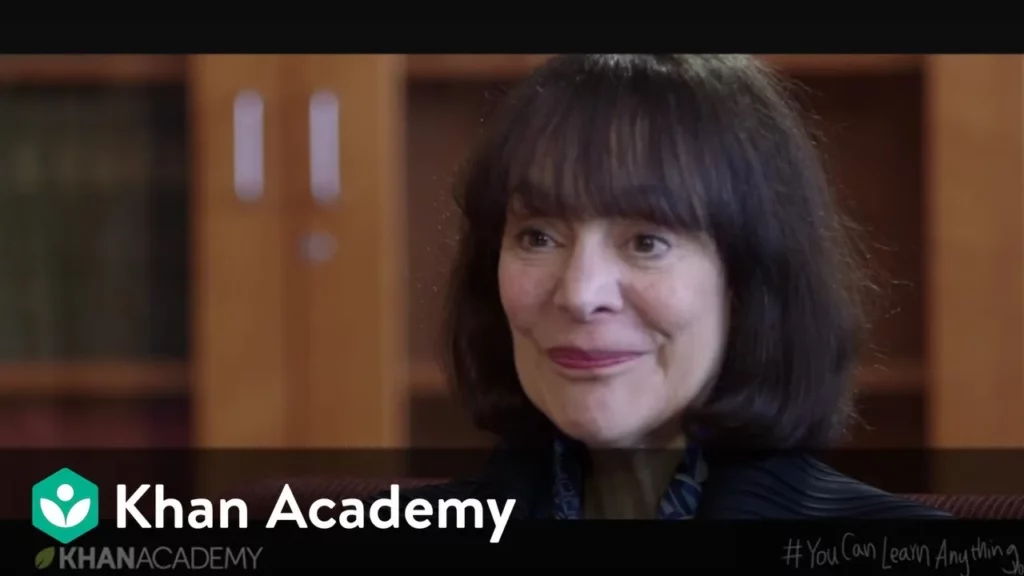
The lesson on “Understanding Growth Mindset” emphasizes the transformative concept introduced by psychologist Carol Dweck, which posits that individuals can enhance their abilities through effort and perseverance. Dweck’s research highlights the importance of fostering a growth mindset in educational settings, as it leads to improved academic performance and resilience in the face of challenges. By encouraging a focus on effort rather than innate intelligence, educators and parents can help students view mistakes as valuable learning opportunities, ultimately enhancing their cognitive development and success.
Inflection points introduction | AP Calculus AB
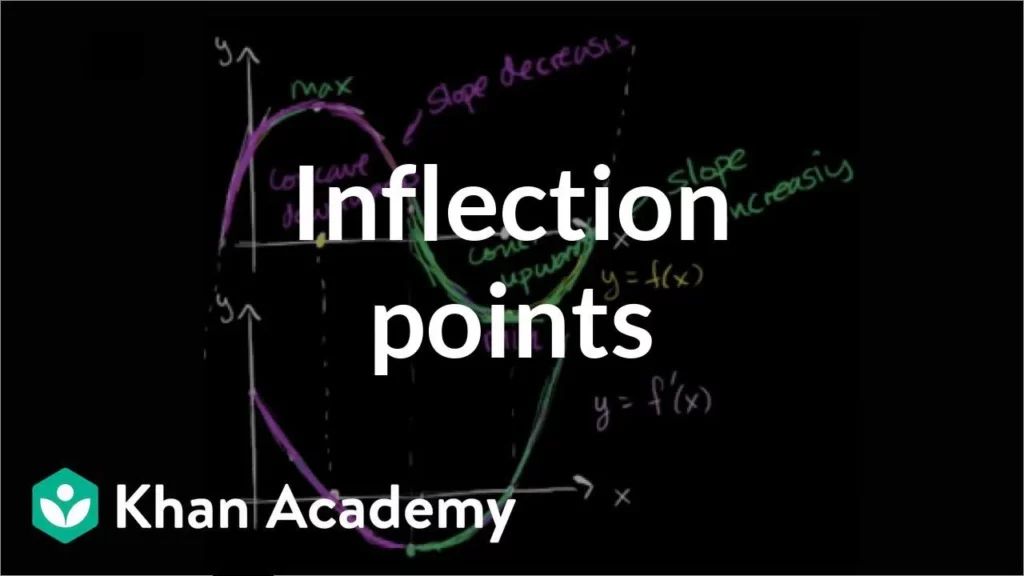
This lesson focuses on understanding inflection points in functions, which are critical for analyzing how functions behave in calculus. Inflection points mark the transition between concavity, where the second derivative changes sign, indicating a shift from concave upwards to concave downwards or vice versa. By examining the first and second derivatives, one can identify these points, enhancing comprehension of a function’s overall shape and behavior.
You Can Learn Anything
The lesson emphasizes that learning is a universal journey that begins from a place of ignorance, where everyone, including renowned figures, starts as a beginner. It highlights the importance of perseverance through challenges and failures, framing them as essential components of growth and mastery. Ultimately, the lesson encourages a belief in one’s ability to learn and succeed, reinforcing that with determination and the right mindset, anyone can achieve their goals.
Box and whisker plot | Descriptive statistics | Probability and Statistics
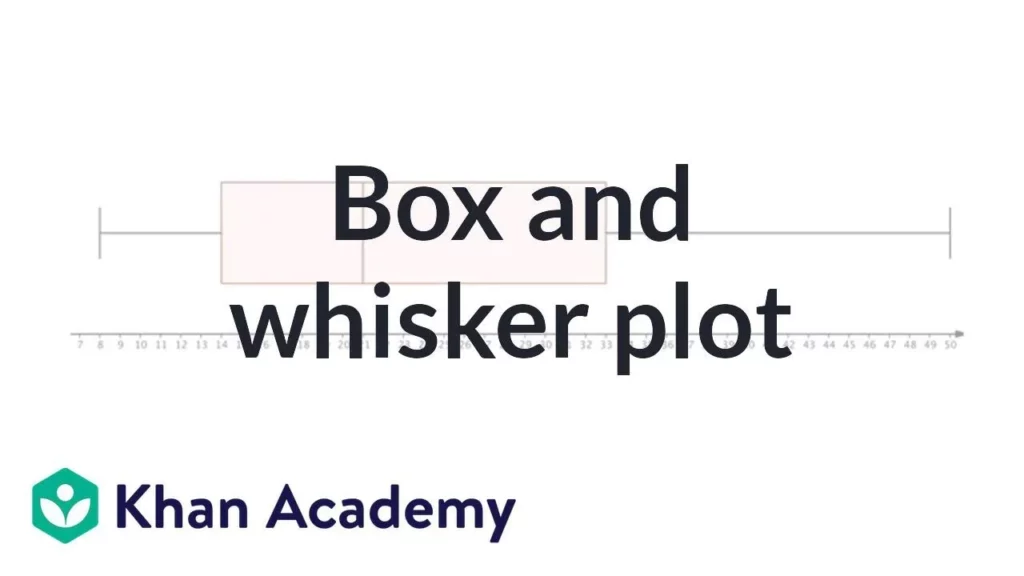
In this lesson, students explored the ages of trees in a local forest using a box-and-whisker plot, which effectively illustrates the spread and central tendency of the data. The study revealed a range of 42 years between the youngest (8 years) and oldest trees (50 years), with a median age of 21 years, indicating that most trees are relatively young. The box-and-whisker plot also allows for a detailed breakdown of tree ages into quartiles, enhancing the understanding of age distribution within the forest.
The Caesar cipher | Journey into cryptography | Computer Science
The lesson on the Caesar Cipher explores its historical significance as one of the earliest methods of encryption, utilized by Julius Caesar for secure military communication through a simple substitution technique. It explains how the cipher works by shifting letters in the alphabet and highlights its vulnerabilities, particularly the breakthrough of frequency analysis by Al-Kindi, which allowed for the decryption of such codes. Ultimately, the lesson illustrates the ongoing cat-and-mouse dynamic between code creation and codebreaking throughout history.
Human sexual desire: Is monogamy natural? | Esther Perel, Chris Ryan & more
The lesson explores the complexities of monogamy and infidelity, highlighting that both behaviors are natural aspects of human relationships influenced by evolutionary factors. It emphasizes that while monogamous bonds are essential for raising children, the desire for sexual novelty and personal fulfillment can lead individuals to seek connections outside their primary relationships. By understanding these dynamics, individuals can approach their relationships with greater empathy and awareness, recognizing the intricate balance between companionship and the exploration of personal desires.
Mars colony: Humanity’s greatest quest | Michio Kaku, Bill Nye, & more
The lesson “The Quest for Mars: Exploring Humanity’s Future” emphasizes the intrinsic human curiosity that drives our desire to explore the universe, particularly Mars. It outlines the significant challenges of colonizing Mars, including water extraction, food sustainability, radiation risks, and the need for advanced technology, while also highlighting the importance of space exploration for humanity’s long-term survival and unity. Ultimately, the quest for Mars serves as a vital step in understanding our existence and preparing for future challenges on Earth.
3 Brain Tricks That Will Help You Make Better Decisions | Dean Buonomano
The lesson explores the complexities of the human brain, focusing on its roles in memory and decision-making. It highlights the brain’s associative architecture, which aids memory retrieval but also reveals its fallibility, particularly with unrelated information. Additionally, the lesson discusses the interplay between the brain’s automatic and reflective systems in decision-making, emphasizing the importance of balancing quick, intuitive responses with thoughtful analysis for improved cognitive processes and better decision-making.