
Is AI a species-level threat to humanity? | Elon Musk, Michio Kaku, Steven Pinker & more
The lesson explores the transformative potential of artificial intelligence (AI) while highlighting the associated risks, particularly as AI approaches self-awareness. It emphasizes the need for responsible development and ethical considerations to ensure that AI serves humanity’s interests, fostering new industries and enhancing human capabilities while addressing societal changes such as job automation and resource distribution. Ultimately, the lesson advocates for viewing AI as a partner in innovation, aiming for a future that balances opportunity with caution.
Arctic amplification: How the albedo effect speeds up global warming | Jon Gertner

The lesson discusses the phenomenon of Arctic amplification, where the Arctic is warming at a rate twice that of the global average, leading to significant declines in sea ice over the past two decades. This melting ice alters the Earth’s albedo effect, exacerbating warming through feedback loops, particularly in Greenland, where the darkening ice accelerates melting and contributes to rising sea levels. The lesson emphasizes the urgent need to address these environmental changes, as they pose serious risks to global climate stability and sea levels.
Cosmic death beams: Understanding gamma ray bursts | Michelle Thaller
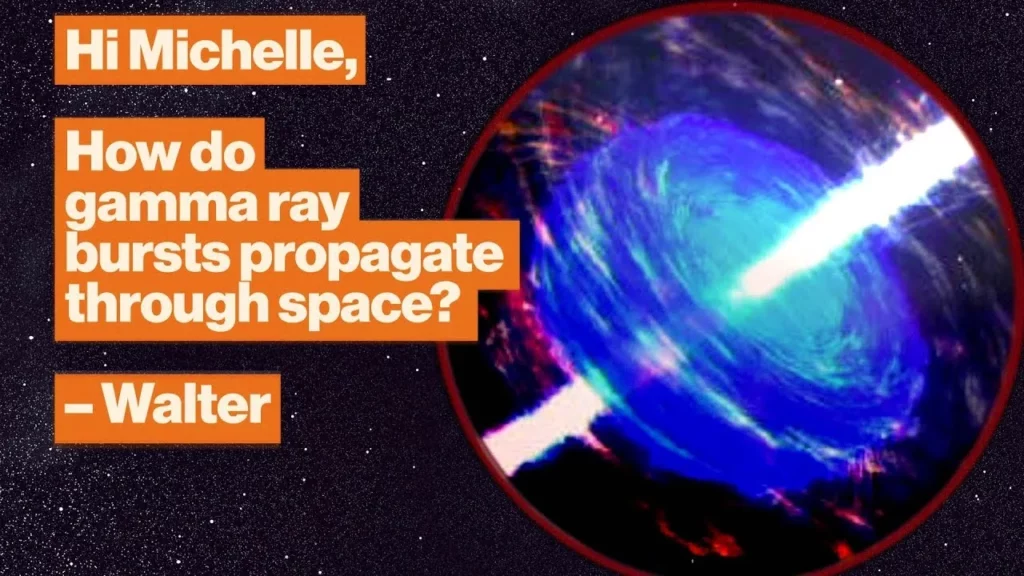
This lesson explores the intense cosmic explosions known as supernovae and gamma ray bursts (GRBs), highlighting their frequency, nature, and potential impact on Earth. While supernovae can be observed frequently, GRBs are the most violent explosions in the universe, emitting powerful gamma rays that diminish in intensity with distance due to the inverse square law. Despite the potential dangers posed by GRBs, the vast distances and the specific directional nature of their radiation generally keep Earth safe from their effects.
How to Regenerate the Human Body: Hearing Loss, Baldness, Burn Wounds | Chris Loose
The lesson explores the increasing prevalence of hearing loss in urban environments due to constant noise exposure and the biological mechanisms behind it, particularly the damage to sensory hair cells in the cochlea. Current treatments primarily manage symptoms rather than address the root cause, but innovative research at Frequency is focused on using progenitor cells for regeneration, offering potential solutions not only for hearing loss but also for other degenerative conditions. By understanding and activating these progenitor cells, researchers aim to restore natural functions and improve the quality of life for affected individuals.
Slavoj Žižek: How Political Correctness Actually Elected Donald Trump

The lesson discusses the breakdown of consensus in American democracy, particularly in light of Donald Trump’s rise to power, which has exposed weaknesses in traditional political structures and highlighted societal divisions. It critiques the concept of “manufacturing consent” and the limitations of political correctness, arguing that the current political climate necessitates a reevaluation of how consensus is formed and a recognition of the complexities of political struggle. Ultimately, it emphasizes the importance of confronting real adversaries in the pursuit of a more authentic democratic engagement.
CRISPR Babies: Eugenics, Ethics, and Why Regulation Efforts Could Be Too Late | Jennifer Doudna
The lesson on “The Ethical Implications of Designer Humans: A Discussion on CRISPR Technology” highlights the dual potential of CRISPR for both therapeutic applications, such as eliminating genetic diseases, and enhancement purposes, which raise ethical concerns reminiscent of eugenics. It emphasizes the complexities surrounding access to this technology, the need for regulatory frameworks, and the challenges of achieving global consensus on its use, underscoring that the future of genetic editing is a societal issue that requires careful consideration and ongoing dialogue among various stakeholders.
Bill Nye: The Evolutionary Benefits of Sex (Beyond the Obvious)
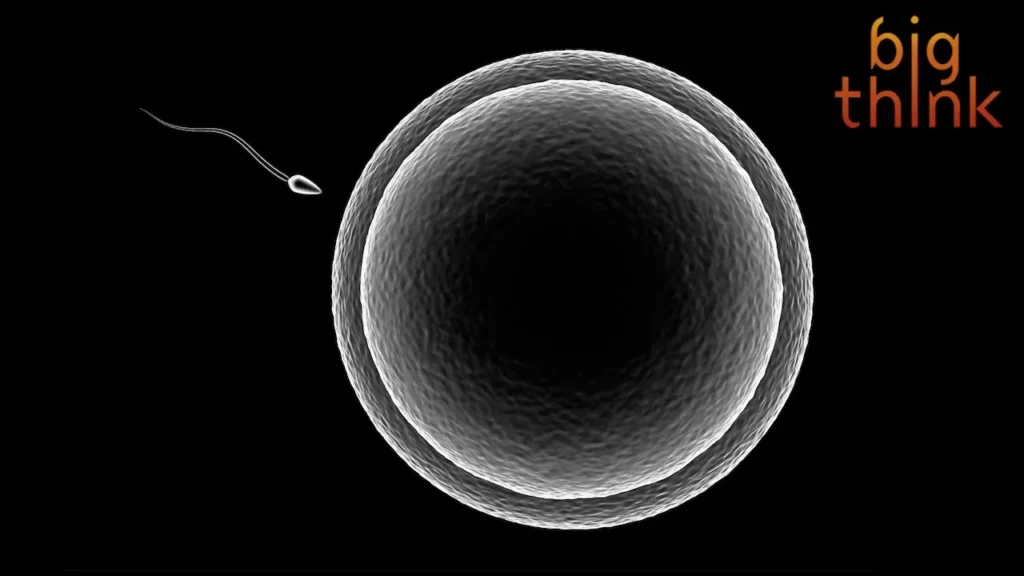
The lesson explores the scientific perspective on sexual reproduction, highlighting its origins, the role of genetic exchange, and the importance of genetic diversity for survival against pathogens. Bill Nye emphasizes that sexual reproduction, despite being more complex than asexual methods, is crucial for creating varied gene combinations that enhance resilience in the face of evolutionary pressures, as illustrated by the Red Queen theory. Ultimately, the study of sexual reproduction reveals essential insights into the intricate strategies life employs to thrive in a constantly changing environment.
Walter Isaacson on Steve Jobs’ Favorite Product: The Apple Team
The lesson highlights Steve Jobs’ remarkable ability to foster collaboration and build a strong team, which he considered his greatest achievement at Apple. His unique leadership style, characterized by intuitive decision-making and a charismatic presence, inspired loyalty and creativity among his team members. Additionally, Jobs emphasized the importance of physical spaces for collaboration, demonstrating that innovation thrives not just from individual brilliance but from effective teamwork.
You’ve Heard of OCD, But Do You Really Understand It? .

The lesson on Obsessive-Compulsive Disorder (OCD) highlights that it is a complex mental health condition characterized by persistent intrusive thoughts (obsessions) and repetitive behaviors (compulsions) that significantly disrupt daily life and cause distress. It outlines various types of OCD symptoms, such as contamination concerns and harm-related thoughts, and discusses the neurological and genetic factors that may contribute to the disorder. Understanding these elements is essential for effective treatment and support for individuals affected by OCD.
‘Hey Bill Nye, Should We Throw Our Trash Into Space?’
In this lesson, students explore the theoretical implications of traveling at light speed, learning that while it’s impossible for objects with mass to reach this speed, the concept raises intriguing questions about time and perception. Additionally, the lesson addresses the challenges of space waste disposal, highlighting the impracticality and risks of sending waste into space, and emphasizes the importance of sustainable practices on Earth, such as reducing, reusing, and recycling to manage waste effectively. Ultimately, the discussion encourages critical thinking about scientific concepts and environmental responsibility.