
Do Dogs Speak Human?
The lesson explores the question of whether humans are the only species capable of language by examining animal communication, particularly through the perspective of a curious dog. It argues that while human language is unique due to our cognitive abilities and social interactions, animal communication systems are complex and deserving of study, challenging the narrow view that only human communication qualifies as “language.” By appreciating the diversity of communication across species, we can gain a deeper understanding of how different beings express themselves.
International Law Explained | Kal Raustiala

The lesson on international law highlights its pervasive influence in global interactions, governing everything from travel to military conflicts. It emphasizes the importance of treaties and customary law as foundational elements of international governance, supported by judicial institutions like the International Court of Justice. Ultimately, understanding international law is essential for fostering cooperation and maintaining order in an interconnected world.
Heather Berlin on the Link Between Genius and Disorder .

The lesson explores the multifaceted nature of genius, emphasizing the interplay between genetics, practice, mental health, and brain function. It highlights that extraordinary talents often arise from a combination of genetic predispositions and dedicated effort, while also addressing the nuanced relationship between genius and mental disorders. Ultimately, the study of genius reveals that exceptional abilities are shaped by a complex interaction of biological and environmental factors rather than a single defining characteristic.
A.I. Ethics: Should We Grant Them Moral and Legal Personhood? | Glenn Cohen
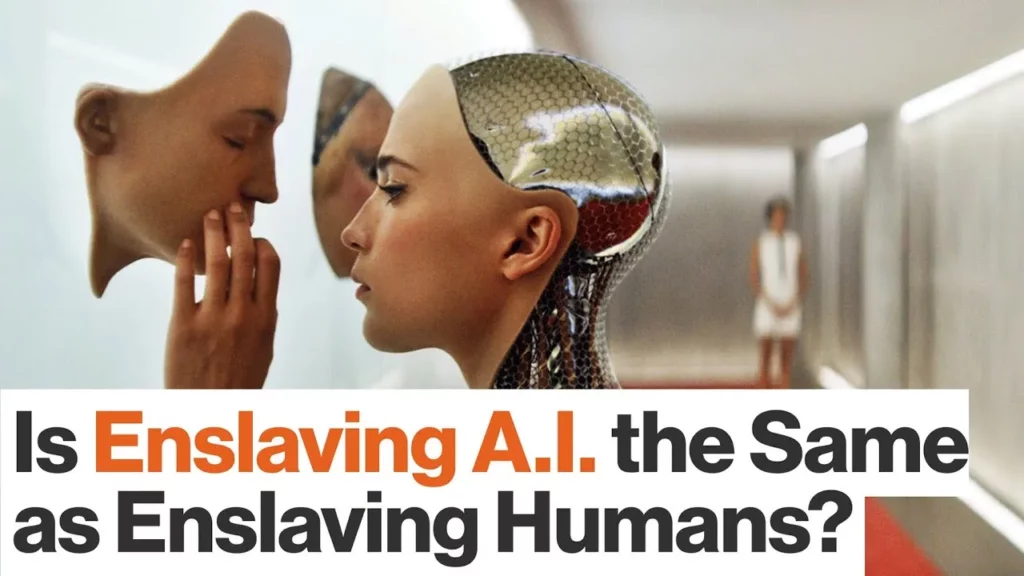
The lesson explores the intriguing question of whether artificial intelligence (AI) can be considered a form of personhood, drawing on insights from films like *AI* and *Ex Machina*. It challenges traditional views that link personhood exclusively to humanity, highlighting ethical dilemmas such as speciesism and the potential recognition of AI as persons, while also acknowledging the complexities surrounding human non-persons. Ultimately, the discussion calls for humility and openness in examining the evolving definitions of personhood in light of advancing technology.
Jordan Peterson: The fatal flaw in leftist American politics
The lesson on “Understanding Depolarization” explores the complexities of Left and Right ideologies in contemporary political discourse, emphasizing the impact of post-modernism and the evolution of Marxist thought. It highlights the ethical responsibilities of the Left in addressing extremism within its ranks and critiques the challenges posed by identity politics and the pursuit of equality of outcome. Ultimately, the lesson calls for critical engagement to navigate ideological divides and promote depolarization in society.
Universal Mathematics: All Life on Earth Is Bound by One Spooky Algorithm | Geoffrey West
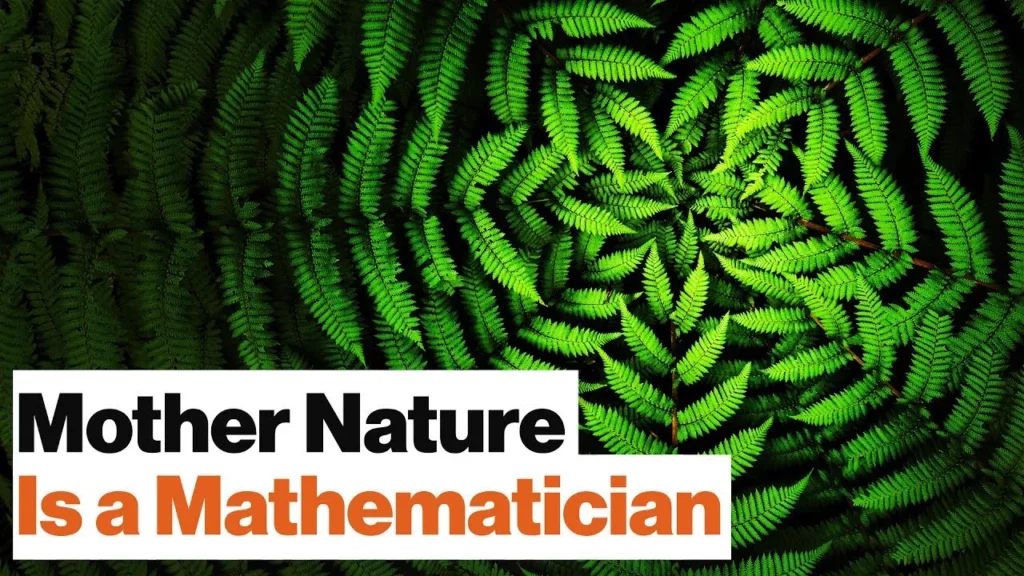
The lesson on “The Scaling Laws of Life: Understanding Mammalian Physiology” explores the predictable patterns in the physiology and life history of mammals, revealing how traits like metabolic rate and heart rate change nonlinearly with size. It highlights the concept of quarter-power scaling, where larger mammals require less energy relative to their size compared to smaller ones, and emphasizes the evolutionary constraints that shape these relationships. Ultimately, the study of these scaling laws offers a unified framework for understanding the biological networks that sustain life across different organisms, including both mammals and plants.
Slavoj Žižek on Political Correctness: Why “Tolerance” Is Patronizing
The lesson discusses the limitations of political correctness in effectively addressing social issues like racism and sexism. While well-intentioned, political correctness often focuses on controlling language and surface-level tolerance, which can obscure deeper societal problems and hinder genuine connections. A more impactful approach would involve fostering open dialogue, embracing the complexities of identity, and encouraging relationships built on equality and mutual understanding.
Social media addiction – how it changes your brain | Luke Burgis
The lesson explores the concept of mimetic desire, particularly in the context of social media, which amplifies our tendency to adopt the desires of others. It distinguishes between external mediators, such as celebrities, and internal mediators, like friends and family, highlighting how both can impact our mental well-being and foster feelings of inadequacy or rivalry. Ultimately, the lesson emphasizes the importance of critically evaluating the models we choose to emulate in order to achieve genuine fulfillment rather than succumbing to endless comparison and dissatisfaction.
How to make a black hole | NASA’s Michelle Thaller
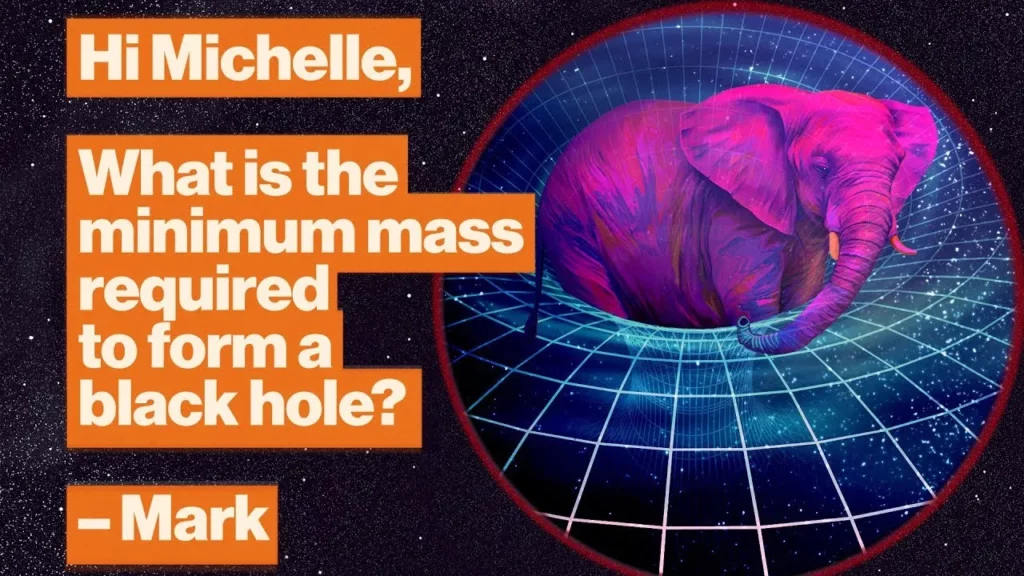
This lesson explores the fascinating nature of black holes, focusing on their formation and the relationship between mass and density. Black holes can arise from collapsing stars or other processes, and their ability to trap light is determined by their density rather than just mass. The lesson also highlights the existence of supermassive black holes and the ongoing research at CERN to create artificial black holes, emphasizing the complexities and mysteries surrounding these cosmic phenomena.
What proof is there that the universe is evolving? | Michelle Thaller
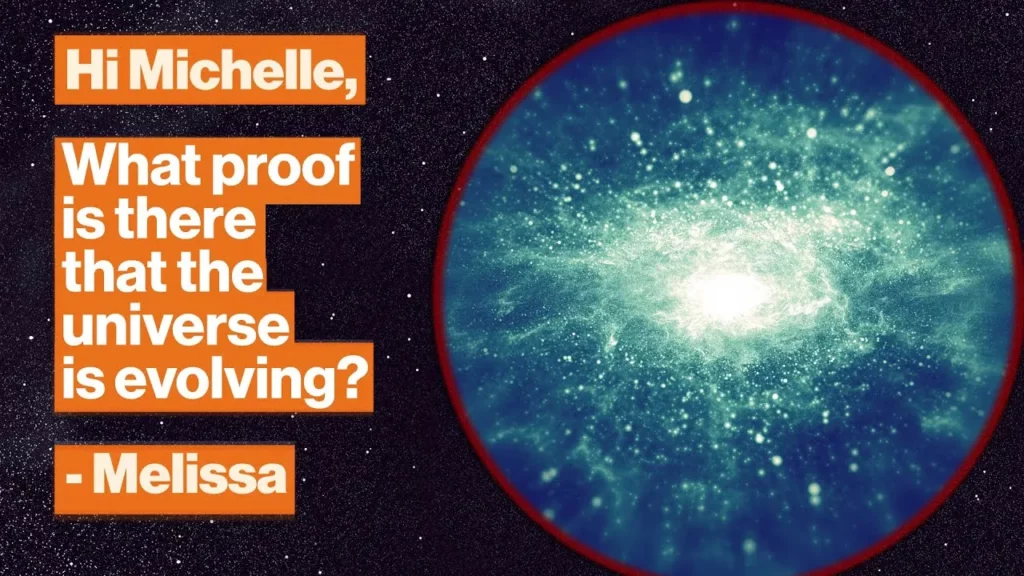
The lesson explores the concept of time travel through astronomy, highlighting how astronomers observe light from celestial objects to look back in time. By understanding the speed of light and the vast distances in the universe, we learn that observing stars and galaxies allows us to witness moments from the past, revealing the evolution of the universe and its chemistry over billions of years. As technology advances, future observations will deepen our understanding of the universe’s formation and history.