
What emotions does this music make you feel? It probably depends on your culture. | Anthony Brandt

The lesson explores the remarkable capacity of the human brain to learn and appreciate language and music, emphasizing how our experiences shape our preferences over time. It highlights the developmental journey from infancy, where we are exposed to a variety of sounds, to the expansion of musical tastes through cultural influences and personal exploration. Ultimately, the lesson underscores that music is a dynamic and evolving expression of human creativity, shaped by cultural contexts and individual experiences, allowing for a rich diversity of interpretations and emotional responses.
Big Think Interview With Richard Thaler
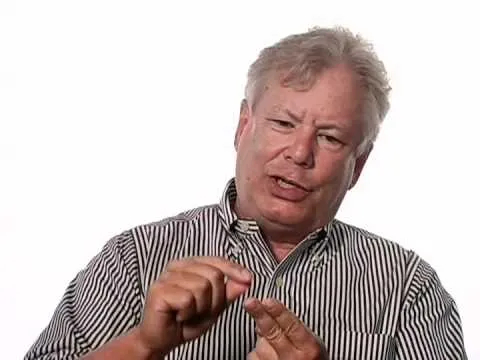
In this lesson, Richard Thaler introduces the concept of “nudges,” subtle environmental cues that influence behavior without coercion, exemplified by the fly image in Schiphol Airport’s urinals. He contrasts nudges with more forceful pushes, emphasizes the importance of recognizing systemic risks in finance, and advocates for strategies like automatic enrollment in retirement plans to promote savings. Thaler also explores the potential of well-intentioned capitalism, suggesting that financial institutions can foster consumer trust and loyalty by prioritizing responsible practices over immediate profits.
Universal basic income is a brilliant idea. Here’s why. | Yanis Varoufakis
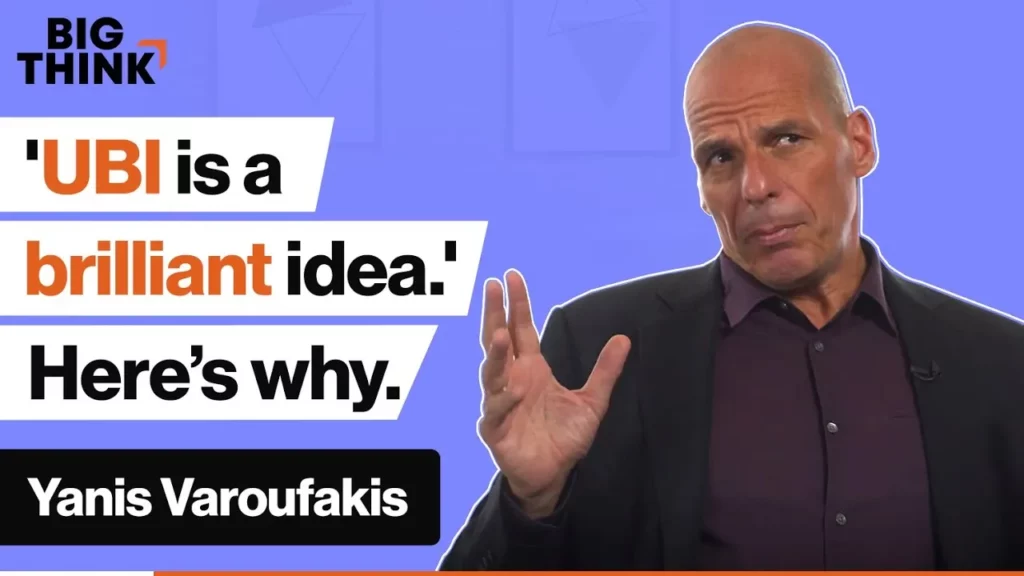
In his lesson on Universal Basic Income (UBI), economist Yanis Varoufakis critiques the current welfare system for its bureaucratic inefficiencies and the emotional toll it takes on those in need. He advocates for UBI as a more dignified alternative that provides a guaranteed income to all, allowing individuals to pursue their talents without the constraints of low-paying jobs. Varoufakis also proposes funding UBI through a Universal Basic Dividend derived from corporate profits, while emphasizing the importance of global governance to ensure fair labor practices and equitable wealth distribution.
Actor Jonathan Pryce on Stage Fright as Selfishness
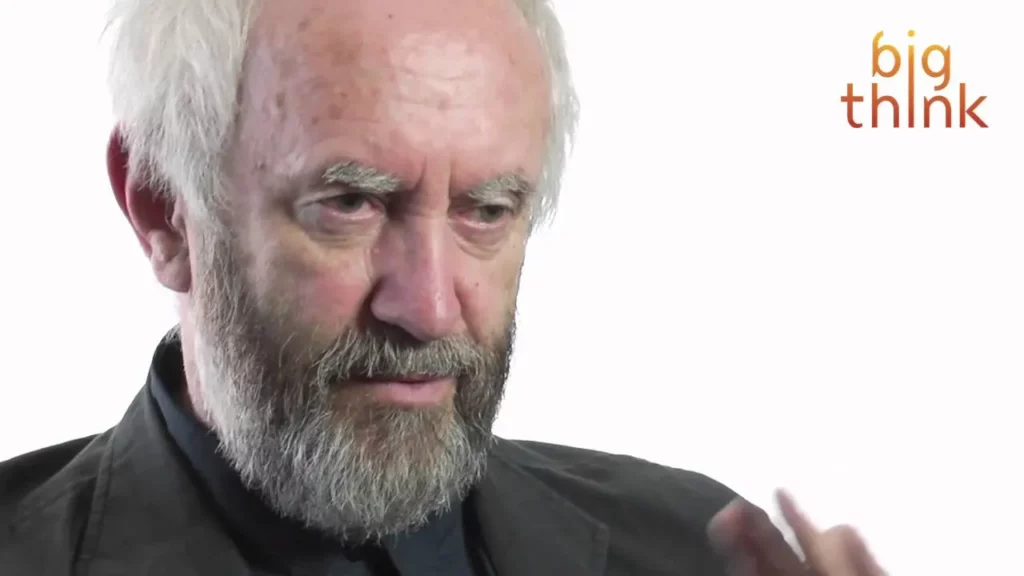
The lesson on “Understanding Stage Fright: A Personal Journey” explores the complexities of stage fright through the experiences of an accidental actor who discovered their passion for acting while pursuing a different career path. It emphasizes the importance of shifting focus from self-doubt to audience connection, the value of support within a theater community, and the benefits of collaboration and feedback among actors to transform anxiety into a powerful performance tool. Ultimately, the journey of managing stage fright highlights the enriching experience of storytelling in theater.
College education is failing us all. Can we design something better?
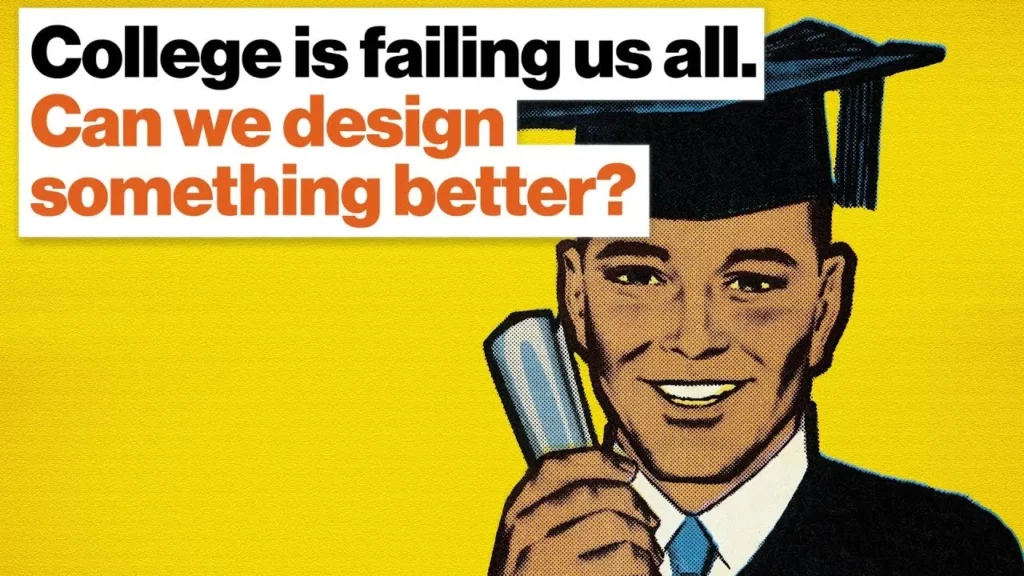
The lesson highlights the urgent need for reform in higher education, driven by alarming statistics that show a significant number of students either not pursuing further education or dropping out due to high costs and scheduling conflicts. It advocates for a shift towards more flexible, accessible, and personalized learning models, such as online and adaptive learning technologies, to better meet the diverse needs of today’s students. Ultimately, the lesson calls for a reevaluation of the traditional educational structure to create a more equitable and effective system that empowers students to succeed without the burden of excessive debt.
Penn Jillette: An Atheist’s Guide to the 2012 Election
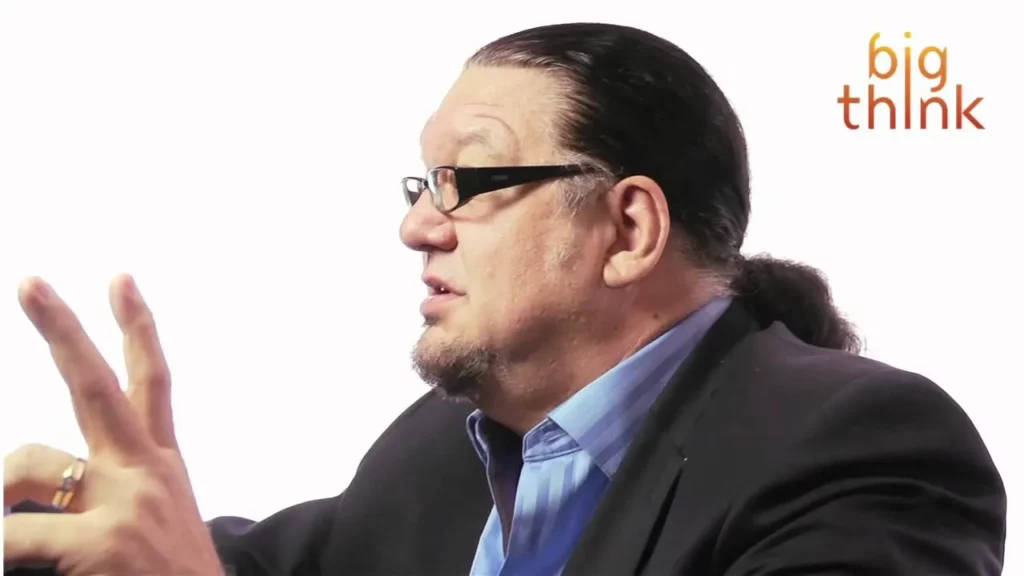
The lesson explores the intricate relationship between religion and American politics, particularly focusing on the skepticism surrounding politicians’ faith, exemplified by President Obama’s religious identity and Michele Bachmann’s controversial statements. It highlights the evolution of religious identity in political discourse, noting how the term “Christian” has been co-opted for political gain while also acknowledging the rising visibility of atheism and diverse beliefs in contemporary society. Ultimately, the lesson emphasizes the need for nuanced discussions about faith in politics to foster inclusivity and understanding among differing perspectives.
Trump’s not the problem. He’s a symbol of 4 bigger issues. | Ian Bremmer

The lesson explores the global political shift characterized by rising populism and dissatisfaction with traditional political systems, emphasizing that this trend extends beyond Donald Trump to encompass deeper structural challenges faced by democracies worldwide. Key factors driving this discontent include economic dissatisfaction among the working and middle classes, heightened anti-immigration sentiments, the disconnect between political elites and military veterans, and the role of technology in fostering political polarization. The article concludes that these issues reflect a long-standing structural crisis in advanced democracies, necessitating a comprehensive understanding to address the challenges ahead.
Neil deGrasse Tyson: Science journalism has a problem
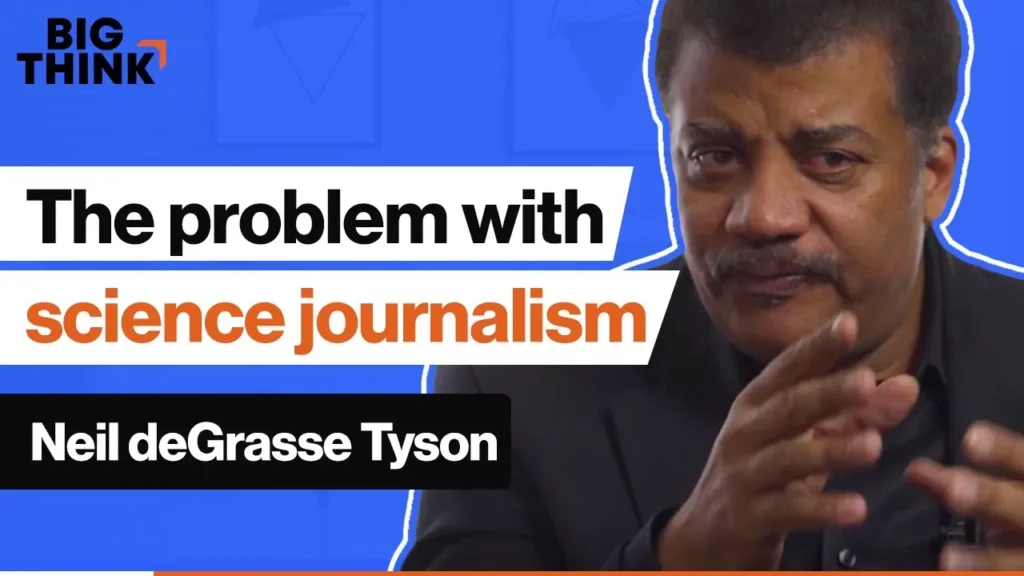
The lesson discusses the evolution of journalism, particularly in science communication, highlighting both improvements and ongoing challenges. While journalists have become more knowledgeable about scientific concepts, the rush to report breaking news can lead to the dissemination of unverified information, which may mislead the public and foster skepticism. Additionally, the tendency to present opposing viewpoints, even when they lack scientific backing, can distort public understanding of established scientific consensus, emphasizing the need for better communication and education about scientific principles.
‘Hey Bill Nye, How Will We Know When to Believe a Time Traveler?’ #TuesdaysWithBill
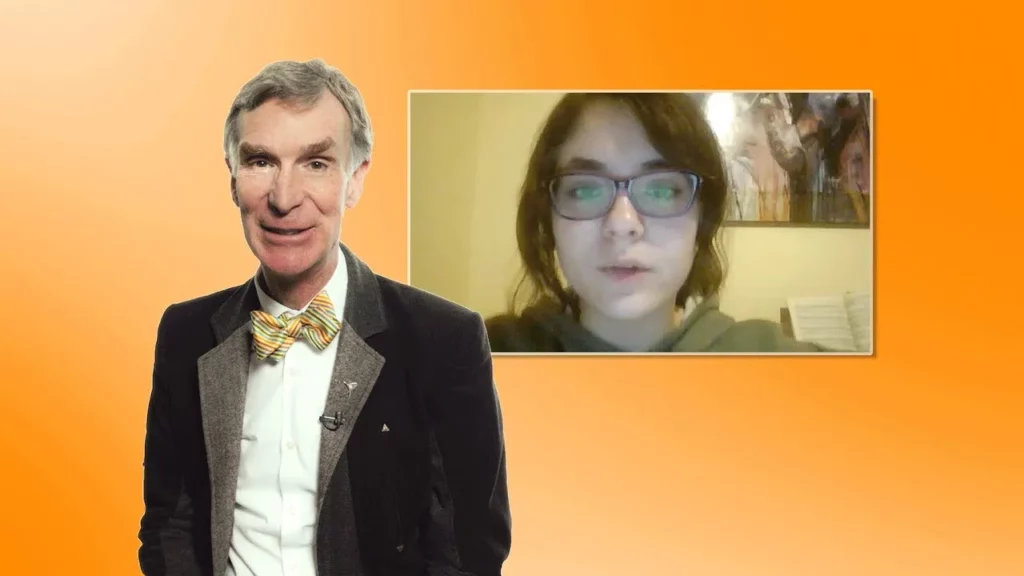
The lesson explores the intriguing concept of time travel through the story of John Titor, who claimed to be a time traveler from the year 2036. While Titor’s bold predictions sparked interest, a critical examination reveals skepticism about their validity and the feasibility of time travel itself, which remains largely theoretical in science. Ultimately, the lesson emphasizes the importance of critical thinking and evidence evaluation in discerning truth from extraordinary claims.
The Information Paradox: Do Black Holes ‘Bleach’ Cosmic History? With Christophe Galfard.
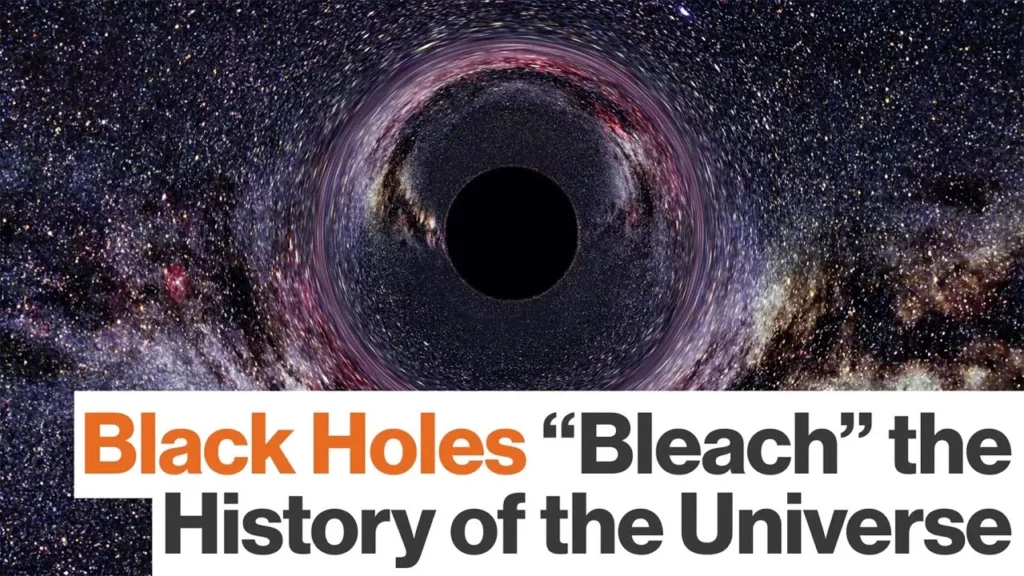
The lesson explores the ongoing quest of theoretical physics to unravel the fundamental laws of nature, highlighting the complexities surrounding phenomena like black holes and the Big Bang. It emphasizes Stephen Hawking’s groundbreaking discovery of Hawking radiation, which challenges traditional views of black holes and introduces the black hole information paradox, raising questions about the preservation of information in the universe. The pursuit of answers to these profound mysteries continues to drive scientific inquiry and deepen our understanding of the cosmos.