
Let’s Decide the Future of the Internet Before It’s Decided for Us.

The lesson discusses the future of the Internet, emphasizing the need to preserve its decentralized and open nature amidst growing concerns about centralization and the dominance of apps over traditional web browsing. It highlights the risks associated with a more controlled digital landscape, including potential censorship and limited user freedom, while calling for reflection on the essential features that have made the Internet a vital tool for communication and innovation. Ultimately, the lesson advocates for a collaborative effort among users, developers, and policymakers to ensure a diverse and accessible online experience.
How to spot high-conflict people before it’s too late | Bill Eddy

This lesson focuses on understanding high-conflict personalities, characterized by their tendency to blame others, all-or-nothing thinking, unmanaged emotions, and extreme behaviors. It provides strategies for avoiding becoming a target of their blame, such as maintaining distance, recognizing their patterns, disengaging from conflicts, and keeping interactions casual. By applying these strategies, individuals can better navigate relationships with high-conflict individuals and protect themselves from emotional turmoil.
Henry Rollins: Education is the End of Disaster Capitalism

The lesson highlights the significant burden of student debt on young graduates in America, who often find themselves in a challenging job market that fails to match their qualifications. It emphasizes the critical need for long-term investment in education to create a skilled workforce capable of thriving in a global economy, warning that without prioritizing accessible and quality education, the nation risks falling behind other countries and limiting opportunities for future generations.
Inside the genius of Albert Einstein
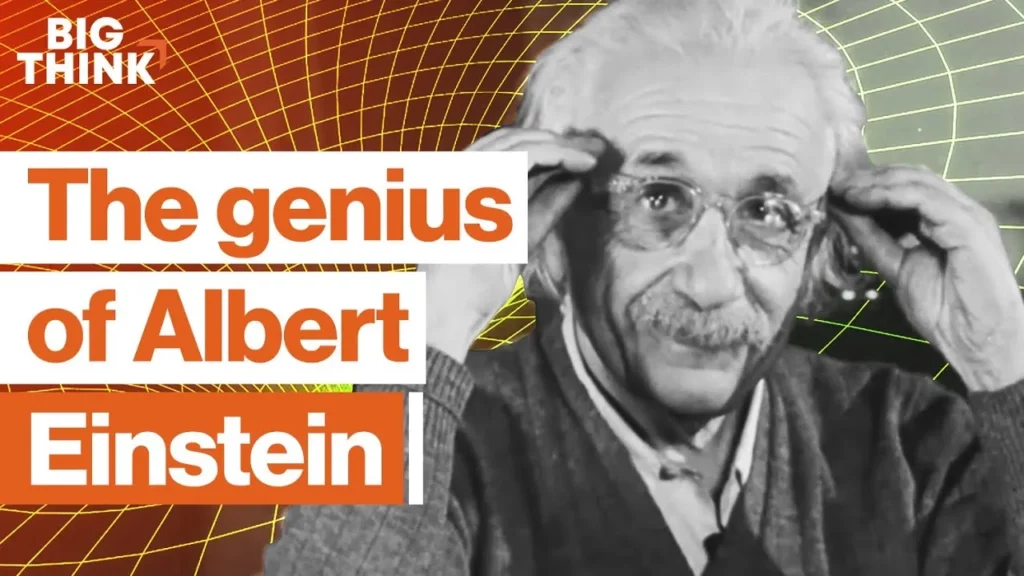
The lesson highlights the profound impact of Albert Einstein on modern physics and technology, emphasizing his revolutionary ideas that reshaped our understanding of the universe. Despite early career struggles and a complex personal life, Einstein’s groundbreaking work, particularly in special and general relativity, established him as a pivotal figure in science. His legacy is characterized not only by his scientific achievements but also by his collaborative spirit and philosophical reflections, which continue to influence future generations of thinkers.
Academic freedom: What it is, what it isn’t and why there’s confusion | Robert Quinn

The lesson on “Understanding Academic Freedom” emphasizes the importance of academic freedom as a fundamental principle that allows educators and researchers to pursue truth and address complex questions without fear of repercussions. It highlights the distinction between academic freedom and free expression, the role of networks like Scholars at Risk in protecting scholars, and the historical and contemporary challenges faced by academics across various disciplines. Ultimately, the lesson underscores that safeguarding academic freedom is vital for fostering meaningful discourse and collaborative problem-solving in today’s politically charged environment.
What brands can learn from the failure of Boaty McBoatface | Henry Timms

The Boaty McBoatface phenomenon illustrates the complexities and potential pitfalls of public engagement in organizational decision-making. While the British Natural Environment Research Council’s campaign to name an Arctic vessel generated significant public interest, it also highlighted the need for clear strategic intent, legitimacy, and a willingness to share control with the crowd. Ultimately, the incident serves as a valuable lesson for organizations on the importance of fostering genuine collaboration and ongoing interaction with their audience to effectively harness the power of public participation.
The art of argument | Jordan Peterson

The lesson on “Navigating Contentious Discussions” emphasizes the importance of effective communication during disagreements, particularly in close relationships. It highlights strategies such as acknowledging one’s own fallibility, actively listening to understand differing viewpoints, and prioritizing mutual resolution over winning arguments. By fostering respect and open-mindedness, individuals can transform conflicts into opportunities for growth and strengthen their connections with others.
Made in the USA | The History of the Integrated Circuit

The lesson explores the profound cultural shift towards machines and the pivotal role of integrated circuits in this transformation, highlighting Bob Noyce’s contributions to technology and the founding of Intel. It discusses the dual nature of technological advancement, emphasizing both the benefits, such as improved healthcare, and the ethical challenges posed by smart machines and surveillance. Ultimately, the lesson underscores the importance of maintaining our humanity amidst rapid technological progress, advocating for a balance between innovation and human connection.
Slavoj Žižek: Events and Encounters Explain Our Fear of Falling in Love
The lesson explores the concept of an “event” as a significant disruption in the usual flow of life, highlighting its transformative power in various contexts, including literature and love. Using Franz Kafka’s literary influence and the experience of falling in love as examples, it illustrates how events can redefine our understanding of the past and lead to profound personal changes. The lesson also addresses society’s growing reluctance to embrace such unpredictable experiences, emphasizing the rarity and importance of genuine events in shaping our lives.
The Science of Spontaneity: Mastering Wu-Wei | Edward Slingerland
The lesson explores the concept of effortless action, emphasizing the contrast between cognitive effort and spontaneity through the lens of the Stroop test, which illustrates how our brains manage conflicting tasks. It discusses the philosophical ideas of “wu wei” from Daoism and Confucian strategies for achieving effortless behavior, including the carving and polishing strategy, the uncarved block strategy, the cultivating the sprout strategy, and the letting go strategy. Ultimately, the lesson advocates for a multifaceted approach to spontaneity, integrating insights from both ancient philosophies and modern cognitive science to navigate the complexities of effort and action in daily life.