
Are Humans Hardwired to Be Cruel to Each Other? | Robert Sapolsky

The lesson explores the inherent human tendency to categorize people into “Us” and “Them,” a behavior rooted in our biology and psychology, significantly influenced by the hormone oxytocin. While oxytocin fosters trust and empathy within in-groups, it can also exacerbate negative feelings towards out-groups, reinforcing social divides. Understanding this dichotomy is crucial for addressing biases and promoting inclusivity, as group identities can be fluid and context-dependent.
Think Small to Solve Big Problems, with Stephen Dubner
The lesson emphasizes the importance of adopting a childlike curiosity and focusing on small, manageable solutions to complex problems rather than being overwhelmed by their scale. By addressing specific aspects of larger issues, such as education reform, we can implement targeted, effective changes that lead to significant improvements. This approach not only simplifies problem-solving but also encourages incremental progress and empowers individuals to contribute meaningfully to their communities.
How Game Theory Solves Tough Negotiations: Corporate Tax Cuts, Nuclear War, and Parenting
Game theory is a mathematical framework that analyzes strategic interactions among individuals with differing goals, illustrating how cooperation can emerge even in competitive scenarios. Originating in economics, its applications span various fields, including biology and international relations, highlighting social dilemmas like family dynamics and global taxation issues. By understanding game theory, individuals and nations can develop strategies to foster cooperation and address complex challenges effectively.
Rationality in Action: Look at a Problem as an Outsider

The lesson emphasizes the importance of rational decision-making in today’s fast-paced world, highlighting how insights from cognitive science can enhance our reasoning skills across various aspects of life. It illustrates the commitment effect through a case study of Intel’s co-founders, who successfully pivoted their business strategy by adopting an outsider’s perspective to overcome cognitive biases. Ultimately, fostering rational thinking not only benefits individuals but can also lead to significant societal improvements, such as increased accountability, reduced prejudice, and more effective resource allocation.
What factors shape a culture of innovation? | Dan Seewald
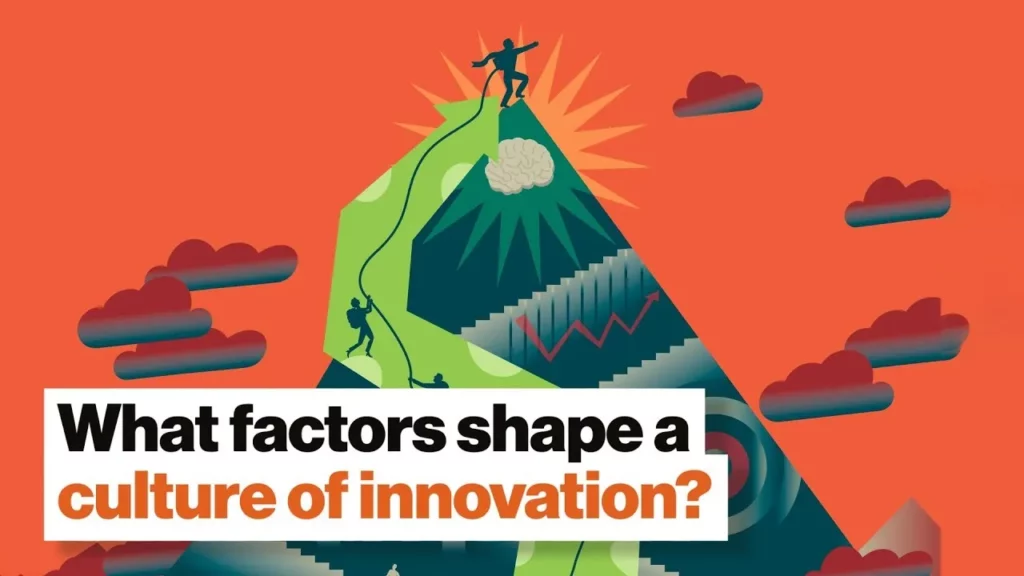
The lesson emphasizes that cultivating a culture of innovation in organizations is a complex, ongoing process that hinges on several key elements. Central to this culture is a bold and aspirational purpose that resonates with employees, alongside the establishment of a strong innovation brand that fosters emotional connection and pride. Additionally, organizations must encourage risk-taking and commitment, creating an environment where employees feel empowered to explore new ideas and contribute actively to the innovation process.
3 wonders of the universe, explained | Michelle Thaller
This lesson explores the intricate nature of atoms, emphasizing that electrons behave like waves in probabilistic orbitals rather than fixed orbits around the nucleus. It also redefines the Big Bang as the expansion of space itself, rather than an explosion from a single point, and highlights the significance of the speed of light as a universal speed limit that influences our understanding of mass, energy, and the fabric of space-time. Overall, it reveals the complexity and interconnectedness of fundamental concepts in astrophysics.
What is the benefit of getting an MBA? | Thomas Cooley
The lesson highlights the numerous advantages of pursuing a Master of Business Administration (MBA), emphasizing its role in career advancement and the development of essential management and analytical skills. It discusses the evolution of business education from vocational training to a comprehensive understanding of business dynamics, and notes a recent surge in MBA program applications, indicating that individuals view this degree as a valuable investment in their future, especially during economic uncertainty. Overall, an MBA equips graduates with the tools needed for success in the business world.
How do you help kids traumatized by violence? | Bessel van der Kolk | Great Question

The lesson on “Understanding Trauma in Children” highlights the pervasive impact of violence and abuse on youth, emphasizing that many children experience trauma at home, often leading to significant emotional and behavioral challenges. It advocates for empowering these children through supportive environments and activities that promote teamwork and positive interactions, while also calling for the integration of self-regulation and emotional management skills into the educational curriculum. By prioritizing these essential life skills, we can better equip children to navigate their experiences and foster resilience.
Do compasses work in space? | Michelle Thaller
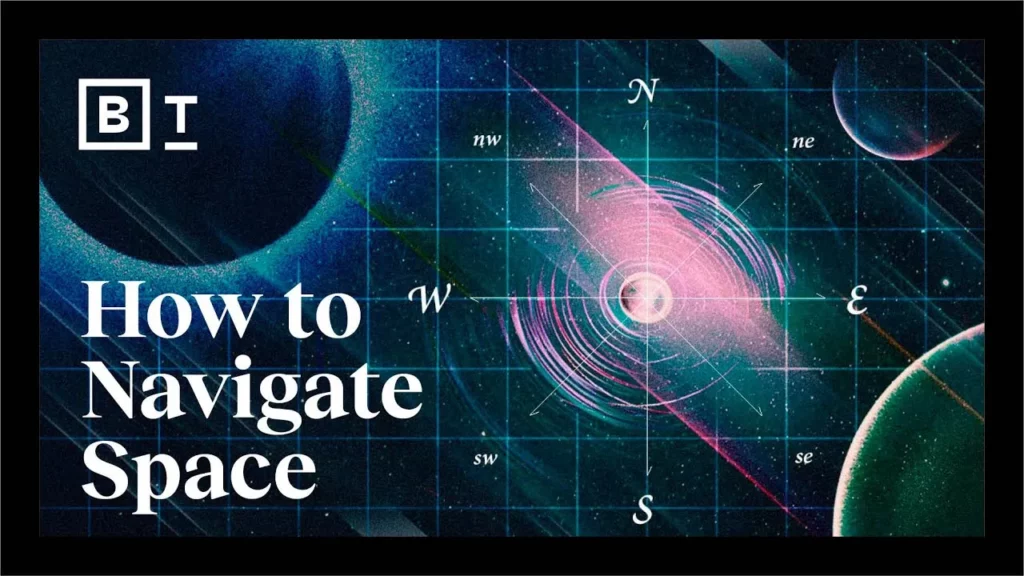
The lesson “Navigating the Cosmos: Finding Direction in Space” explores the complexities of orientation in the vastness of space, highlighting the limitations of traditional navigation tools like compasses, which rely on Earth’s magnetic field. As we move away from Earth, compasses align with the magnetic fields of other celestial bodies, such as Saturn and Jupiter, but lose their effectiveness in deep space. The lesson concludes by emphasizing that while the Milky Way galaxy has its own magnetic field, it does not provide a definitive reference point for navigation, underscoring the challenges of finding direction in the cosmos.
The Science of Navy SEAL Superlearning | Jamie Wheal
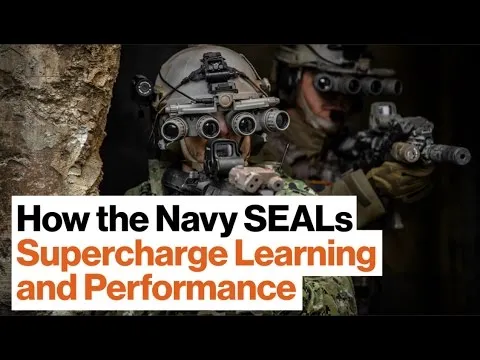
The lesson highlights how the Navy SEALs, particularly DEVGRU, are leveraging advancements in technology and neuroscience to enhance their training and performance. By focusing on neural activity, cardiac health, and stress response, they utilize innovative methods such as biometric monitoring and sensory deprivation to improve mental resilience and accelerate language acquisition, significantly reducing the time required for operators to learn critical skills. This integration of cutting-edge techniques underscores their commitment to maintaining a competitive edge in high-pressure operational environments.