
Respond to Betrayal by Learning from It, with Joel Peterson

The lesson on “Understanding and Overcoming Betrayal” emphasizes that betrayal is a common experience tied to trust, and learning to cope with it is essential for personal growth and emotional health. It highlights the importance of recognizing our role in betrayal, addressing issues promptly, and the challenges of forgiveness, ultimately encouraging individuals to focus on future goals and healing to foster resilience and well-being.
Michio Kaku: Mental communication and infinite knowledge are on the horizon
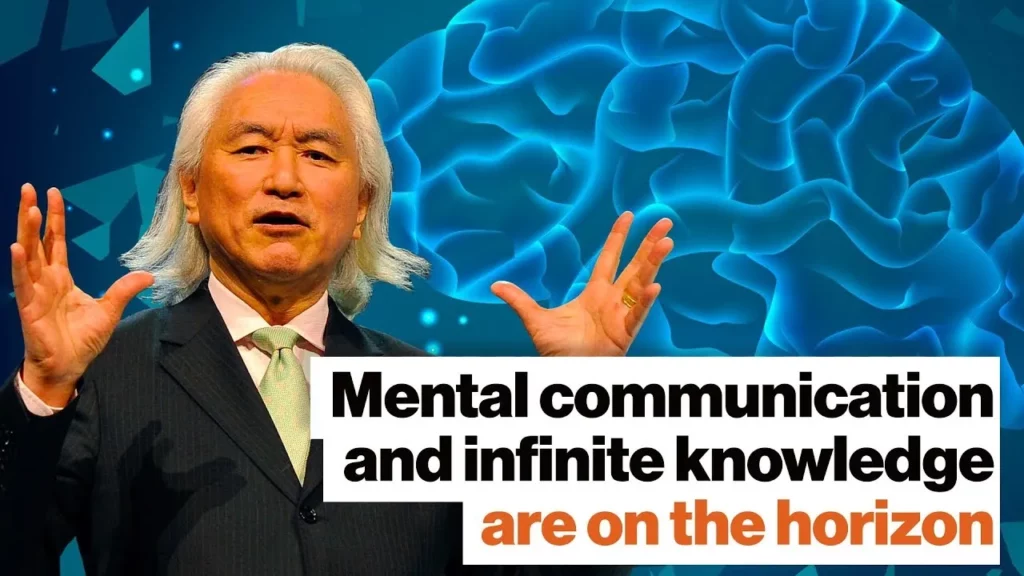
The lesson explores the transformative potential of emerging technologies, particularly internet-enabled contact lenses and the concept of “Brain Net.” As computer chip costs decrease, innovations like contact lenses could revolutionize access to information and enhance personal interactions, while Brain Net may redefine communication by allowing the transmission of emotions and memories. Together, these advancements promise to reshape daily life, social dynamics, and the entertainment industry, fostering a more interconnected and informed society.
An Interracial Kiss Nearly Sank Star Trek. Then George Takei Brought Up Homosexuality.

The lesson highlights Gene Roddenberry’s visionary contributions through Star Trek, emphasizing his commitment to diversity and unity as essential elements for a harmonious future. The diverse crew of the Enterprise serves as a representation of an inclusive society, while Roddenberry’s challenges in addressing social issues reflect the complexities of his time. Ultimately, Star Trek stands as a powerful symbol of progress towards a utopian society, inspiring ongoing efforts to embrace diversity and inclusivity in today’s world.
Michio Kaku: 99.99% of species go extinct. What is humanity’s future?

The lesson emphasizes the importance of exploring space as a crucial aspect of humanity’s future, highlighting the limitations of our current scientific understanding and the potential of theories like string theory. It discusses the challenges and possibilities of interstellar travel, while also acknowledging the harsh reality of extinction on Earth and the inevitability of our planet’s fate. Ultimately, the lesson advocates for a proactive approach to space exploration as a means of ensuring humanity’s survival and expanding our horizons beyond Earth.
Inside the Mind of a Serial Killer | Michael Stone

The lesson explores the psychological characteristics and motivations of serial killers, highlighting that many exhibit traits of psychopathy, such as a lack of empathy and a desire for control. It delves into the impact of childhood trauma and isolation on their behavior, suggesting that their violent acts may stem from unresolved emotional issues and a need for power. Additionally, the lesson examines the nature versus nurture debate, indicating that both genetic predispositions and environmental factors, including head injuries, can contribute to the development of violent tendencies in these individuals.
Near-death experiences kill the person that you used to be | Bruce Greyson
The lesson on near-death experiences (NDEs), as explored by Bruce Greyson, highlights the profound and often ineffable nature of these encounters, which can lead to transformative shifts in perspective and spirituality. Individuals who experience NDEs frequently report a deepened sense of connection to others and the universe, resulting in significant changes in their values and relationships. Ultimately, NDEs offer insights into existence and interconnectedness, encouraging a more meaningful and authentic approach to life.
Why Your Brain Loves Feeling Outraged and Punishing People’s Bad Behavior | Molly Crockett
The lesson explores the psychology behind moral outrage and punishment, highlighting how emotional responses to unfairness are linked to brain activity and neurotransmitters like serotonin. It emphasizes that people’s reactions to perceived injustices, as demonstrated through the ultimatum game, reveal a deep-seated value for fairness and identity over mere economic gain. The implications of these behaviors are significant in understanding contemporary political and economic discontent, particularly in the context of rising inequality and populism.
The path to less stress? Strategic pessimism. | Derren Brown
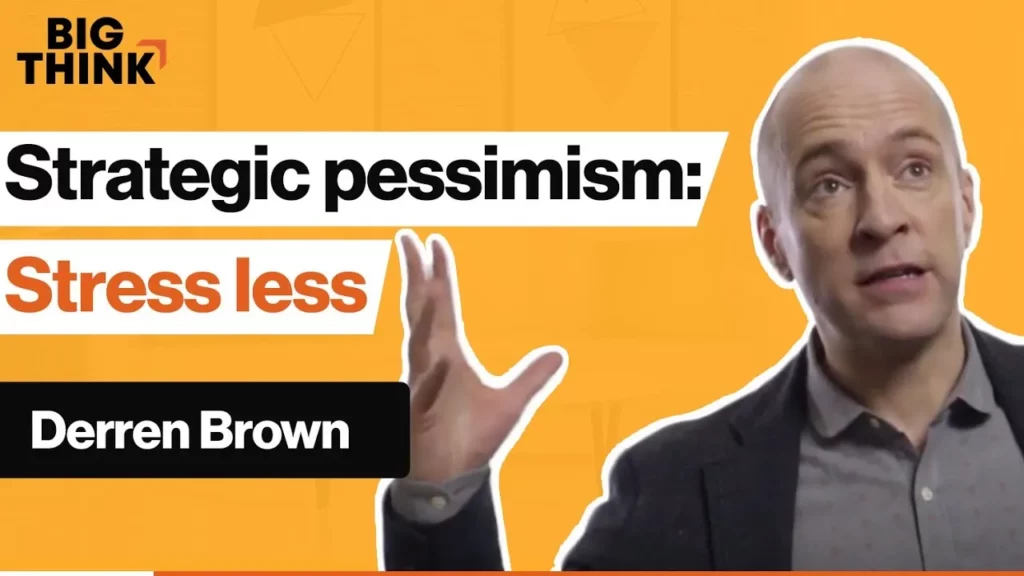
The lesson on Stoicism highlights its core principles as a pathway to happiness, emphasizing that our distress stems from our reactions to external events rather than the events themselves. By focusing on what we can control—our thoughts and actions—and accepting the uncontrollable aspects of life, we can cultivate tranquility and resilience. The philosophy encourages a shift from unrealistic optimism to a strategic pessimism, allowing individuals to navigate life’s uncertainties with a sense of peace and fulfillment.
How Adult Depression Differs From Teenage Depression

The lesson emphasizes the importance of understanding teenage depression as a serious mental health condition distinct from temporary feelings of sadness. It highlights the prevalence of depression among teenagers, the unique symptoms they exhibit compared to adults, and the role of chemical imbalances in the brain. Effective treatment options, particularly the use of selective serotonin reuptake inhibitors (SSRIs), are discussed, underscoring the need for proper recognition and support for affected adolescents.
Jason Silva Shares His Best Advice

In his discussion, Jason Silva shares impactful life advice emphasizing the importance of pursuing one’s passions, inspired by Joseph Campbell’s mantra to “follow your bliss.” He advocates for kindness towards others while chasing personal fulfillment and encourages a critical examination of beliefs, promoting a scientific yet spiritual approach to understanding the universe. Ultimately, Silva highlights the value of openness to new experiences and insights as essential for personal growth and a meaningful life.