
Cognitive Biases 101, with Peter Baumann

The lesson on “Understanding Biases: An Exploration of Human Perception” emphasizes the significant role biases play in shaping human experiences and decision-making. While biases can sometimes cloud judgment, recognizing their existence is crucial for personal growth and effective communication, allowing individuals to appreciate diverse perspectives and foster empathy. By understanding biases like confirmation bias and uniqueness bias, we can navigate our interactions more thoughtfully and cultivate a richer understanding of the world around us.
I went to space and discovered an enormous lie | Ron Garan
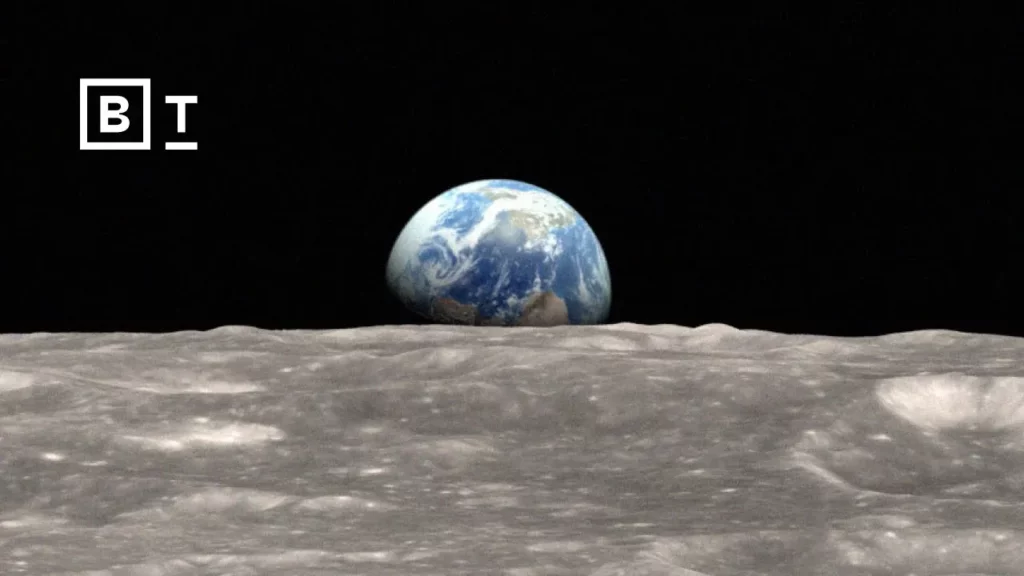
The lesson on “The Overview Effect: A Call to Global Consciousness” emphasizes the transformative perspective gained from viewing Earth from space, highlighting our interconnectedness and the urgent need to address global challenges like climate change and biodiversity loss. It advocates for a shift in mindset from prioritizing economic growth to recognizing the planet’s health as foundational to society and the economy. By embracing a holistic view of our shared reality, we can foster unity and take collective action towards a sustainable future.
Knowing How to Tell a Good Story Is Like Having Mind Control | Alan Alda

The lesson highlights the significance of storytelling in science, illustrated by a nanoscientist’s accidental discovery of the world’s thinnest glass, which is just one atom thick. This narrative not only emphasizes the unexpected nature of scientific breakthroughs but also underscores the importance of sharing personal journeys and challenges to create engaging and relatable stories. By embracing obstacles and mistakes, individuals can foster deeper connections with their audience, making complex concepts more accessible and memorable.
The Science of Learning: How to Turn Information into Intelligence | Barbara Oakley
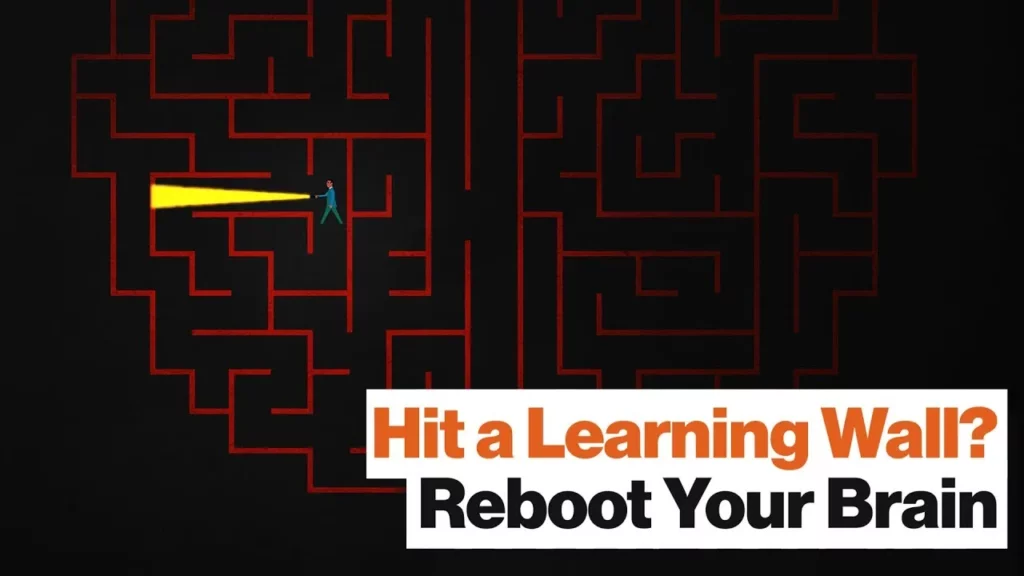
The lesson on “Understanding Neural Networks in Learning” emphasizes the importance of two neural networks in the brain—the task-positive network and the default mode network—in the learning process. It highlights the need to balance focused attention with relaxed, diffuse thinking to foster insight and understanding, while also stressing the significance of developing neural chunks through effective practice strategies to enhance information retention and expertise. By employing techniques such as revisiting key problems and creating automatic responses, learners can improve their mastery of complex subjects.
Eric Kocher on Generation Kill

The lesson emphasizes the intricate relationship between leadership and decision-making in combat, highlighting the challenges posed by rules of engagement and the emotional burdens of command. Through personal experiences in Afghanistan and Iraq, the author reflects on the pressures of making critical decisions under stress, the importance of maintaining boundaries with external influences, and the necessity of accountability in leadership. Ultimately, these experiences foster resilience and empathy, shaping the author into a more effective leader.
How To Conquer Depression Through Diet | Dr. Drew Ramsey

The lesson emphasizes the significant connection between diet and mental health, particularly the impact of dietary choices on depression risk. Research indicates that adopting traditional diets, such as the Mediterranean diet, can substantially reduce the likelihood of depression while highlighting the importance of nutrition in mental health care. By prioritizing brain-healthy foods and incorporating Mediterranean principles, individuals can enhance their mental well-being and overall health.
The morality of beasts | Frans de Waal

The lesson explores the complex nature of animal societies, emphasizing that cooperation and morality play crucial roles alongside competition and aggression. Contrary to the common belief that nature is solely a harsh environment driven by selfishness, many animals, particularly primates, exhibit social behaviors such as friendship, reconciliation, and altruism, which reflect a deeper emotional and moral framework. By understanding these dynamics, we can better appreciate the connections between human and animal behaviors, highlighting the importance of cooperation in both realms.
Superhumans: The remarkable brain waves of high-level meditators | Daniel Goleman
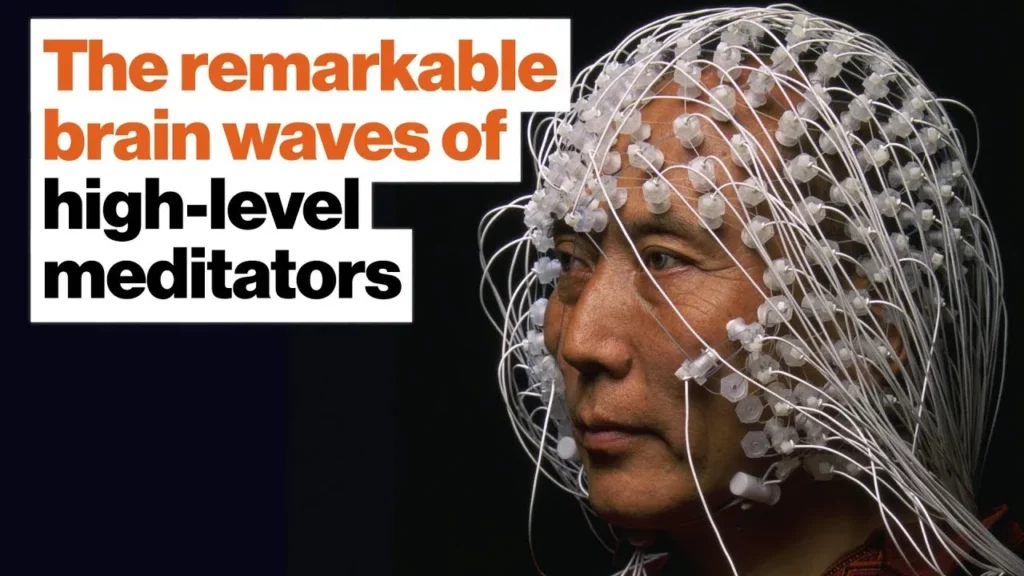
The lesson explores the groundbreaking research conducted by neuroscientist Richard Davidson on elite meditators, revealing that these individuals exhibit sustained gamma wave activity, a marker of high-level cognitive function, even outside of meditation. Notably, their practice of compassion meditation leads to a dramatic increase in gamma wave activity, suggesting profound changes in consciousness that align with traditional descriptions of enlightenment. Davidson’s findings not only enhance our understanding of the brain’s capabilities but also highlight the potential benefits of meditation for broader applications.
Salman Rushdie: Violent Mutations of Islam Are Still Islam

The lesson discusses the evolving landscape of religious criticism, highlighting a shift from conservative defenses of religion to a more cautious approach among some left-leaning groups who discourage criticism, particularly regarding marginalized communities. It emphasizes the importance of maintaining free expression and the necessity of critical engagement with religions, especially Islam, to address internal conflicts and challenges effectively. Ultimately, the lesson advocates for open discussions about religion to foster understanding and solutions while protecting the right to critique beliefs.
Shashi Tharoor: The West’s Biggest Misconceptions About India

The lesson “Dispelling Misconceptions About India” addresses common stereotypes about the country, highlighting the need for a more nuanced understanding of its diversity and complexity. It challenges the poverty stereotype by showcasing India’s growth as a hub of innovation, clarifies the outsourcing myth by placing job losses in a broader economic context, and critiques the exotic image of India by emphasizing its modern societal aspirations. Ultimately, the lesson advocates for recognizing India’s multifaceted identity to foster greater cultural appreciation and understanding.