
The Neuroscience of Lies, Honesty, and Self-Control | Robert Sapolsky

The lesson explores the critical role of the frontal cortex in decision-making and impulse control, emphasizing its importance in resisting temptations and planning for the future. While the frontal cortex aids in moral decision-making, particularly in challenging situations, altruistic actions often arise from instinctual responses shaped by ingrained values rather than conscious thought. This highlights the need for fostering a moral framework that encourages ethical behavior without constant deliberation.
3 Myths About Mindfulness Meditation That Keep People From Its True Benefits

The lesson on mindfulness clarifies common misconceptions, emphasizing that it is not solely a spiritual practice or an individual endeavor, but rather a practical skill that enhances focus and productivity. By understanding the neuroscience behind mindfulness and managing expectations during practice, individuals can effectively improve their mental processes, leading to greater personal happiness and professional performance. Ultimately, mindfulness is about cultivating dual awareness—maintaining focus on tasks while being attuned to one’s surroundings.
Andrew Graham-Dixon: Caravaggio, Mad Marketing Genius

The lesson explores the tumultuous life of Caravaggio, emphasizing how his violent behavior was shaped by the chaotic and competitive environment of late 16th and early 17th century Rome. Despite his immense talent, Caravaggio struggled for recognition until he formed a pivotal partnership with art dealer Costantino Spata, which led to his introduction to influential patrons like Cardinal Del Monte, ultimately transforming him from a troubled outsider into a celebrated artist. This narrative illustrates the interplay between personal character and societal context in shaping one’s legacy.
Stephen Fry: Mormon Encounter

In my unexpected encounter with a member of the Church of Jesus Christ of Latter-day Saints during a visit to Salt Lake City, I gained insight into their beliefs, particularly regarding family reunification in the afterlife. The tour highlighted how the church’s teachings resonate with individuals, especially women experiencing loneliness, by offering the promise of eternal family connections, which can be both comforting and complex. This experience prompted me to reflect on the varying appeal of such beliefs and their impact on different individuals.
Why You Don’t Have Free Will: Your Breakfast Food, Biology, and Culture | Robert Sapolsky

The lesson explores the concept of free will, emphasizing that human behavior is significantly influenced by biological and cultural factors that often operate outside of our conscious awareness. It argues that the notion of free will may be an illusion, as many of our actions are predetermined by genetic predispositions and environmental circumstances. Recognizing these influences challenges how we structure society and interact with one another, necessitating a more compassionate understanding of human behavior.
Richard Dawkins: How I Persuade People Who Disagree with Me

The lesson emphasizes the importance of understanding your audience when it comes to persuasion, particularly in educational contexts. It highlights the unique Oxford tutorial system, which fosters personalized learning and deep discussions, allowing educators to refine their persuasive skills. Ultimately, effective persuasion involves empathy, clarity, and adapting arguments to different contexts, enabling communicators to influence not just individuals but also broader audiences.
Jim Collins: Charisma, Schmarisma: Real Leaders are Zealots

The lesson emphasizes that effective leadership transcends charisma and personality traits, focusing instead on a leader’s deeper motivations and commitment to a greater purpose. Leaders who prioritize meaningful goals and the well-being of others inspire genuine engagement and collective success, while those driven by self-interest struggle to motivate their teams. Ultimately, true leadership is rooted in a dedication to a cause that benefits the wider community, reshaping our understanding of what makes a leader effective.
Take This Perception Test to See How Visually Intelligent You Are | Amy Herman

The lesson on “Understanding Visual Intelligence: The Power of the Pertinent Negative” emphasizes the importance of recognizing both what is present and what is absent in our observations. Through a practical exercise, participants learn to articulate their perceptions of artwork, highlighting that acknowledging pertinent negatives—elements that are missing—can lead to a more accurate understanding of a situation. This concept is applicable in various fields, including medicine and everyday decision-making, ultimately enhancing our communication and problem-solving skills.
‘Hey Bill Nye, What Technology Can We Expect to Have 50 Years From Now?’ #TuesdaysWithBill
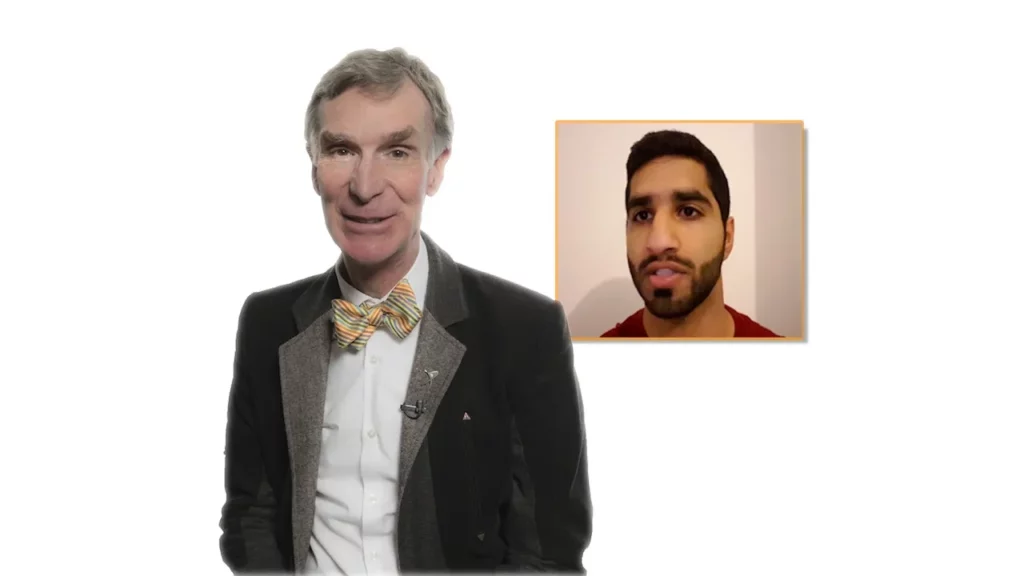
In his recent discussion, Bill shared an optimistic yet cautious vision for the future of technology and society over the next 50 to 60 years, emphasizing the potential for renewable energy to power 80% of our electricity and the rise of autonomous, electric vehicles to enhance transportation safety and efficiency. However, he also warned of increasing economic disparities and the concentration of wealth, urging young people to engage actively in democracy to influence future policies and create a more equitable society. Bill concluded with a call to action for youth, highlighting their crucial role in shaping a sustainable and fair world.
Legalize All Drugs

The lesson advocates for the legalization of all drugs, arguing that personal freedom and public health should guide drug policy rather than prohibition. It highlights the negative consequences of current drug laws, such as violence and civil liberties infringements, and suggests that a regulated market could lead to responsible use, similar to alcohol and tobacco regulations. Evidence from countries with more lenient drug policies indicates that legalization does not necessarily lead to increased usage, supporting the case for a shift towards a more balanced approach to drug consumption.