
The Dao of Letting Go (or Not Trying)

The lesson on Wu Wei explores the ancient Chinese philosophy of “effortless action,” emphasizing its significance in both Confucian and Daoist thought. While Confucians advocate for a disciplined approach to cultivate spontaneity through practice, Daoists promote a return to one’s natural state, suggesting that societal pressures can hinder true fulfillment. Ultimately, the lesson highlights the importance of balancing effort and ease, allowing individuals to choose strategies that align with their personality and life circumstances for personal growth and social harmony.
Michio Kaku on Reading Minds, Recording Dreams, and Brain Imaging

The lesson explores the evolution of the concept of telepathy from childhood dreams to scientific advancements in neuroscience. It highlights how technologies like brain-computer interfaces and MRI scans are enabling new forms of communication and understanding of the brain, including the visualization of thoughts and dreams. Ultimately, it emphasizes the exciting potential of these innovations to bridge the gap between science fiction and reality, transforming our comprehension of consciousness and mental health.
The Neuroscience of Internet Addiction

The lesson explores how the human brain adapts to tools and technology through strengthening synaptic connections and undergoing physical changes, which enhance our skills but can also lead to the loss of unused abilities. It highlights the impact of the internet on cognitive skills, noting that while it improves certain abilities like multitasking, it often diminishes our capacity for deep attention, which is essential for memory and reflective thinking. The lesson emphasizes the need for balance between engaging with technology and preserving our ability to concentrate deeply, ensuring we maintain valuable cognitive skills in a distraction-filled environment.
What one Navy SEAL learned by doing Hell Week 3 times | David Goggins

The lesson from Navy SEAL training emphasizes the importance of mental resilience in overcoming adversity, particularly during the grueling Hell Week. By utilizing strategies such as the “cookie jar” concept to recall past victories, maintaining a clear sense of purpose, and reframing challenges as opportunities for growth, individuals can push through their perceived limits and cultivate a resilient mindset essential for achieving their goals. Ultimately, the experience illustrates that the toughest battles are often fought within our own minds.
Chuck Close: Advice to Artists During a Crisis
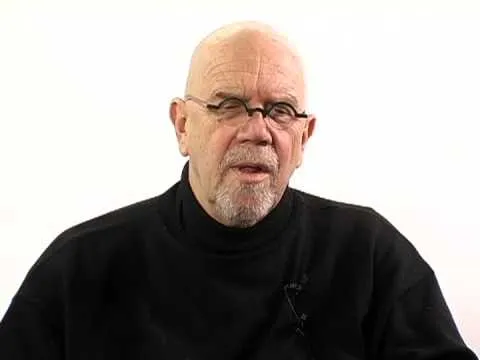
The lesson emphasizes that periods of uncertainty in the art market can provide artists with the freedom to explore and innovate without the pressures of market demands, leading to the creation of meaningful art. Historical examples, such as the artistic flourishing during the Great Depression and the transformative 1950s in America, illustrate how crises can serve as catalysts for creativity, allowing artists to produce work that reflects the complexities of the human experience. Ultimately, embracing quiet moments can lead to significant artistic growth and resonance with society.
Sam Harris: Can Psychedelics Help You Expand Your Mind?

The lesson explores the complex nature of psychedelics, highlighting their potential for transformative experiences alongside significant risks. While substances like MDMA can facilitate profound insights and feelings of unconditional love, the author emphasizes the importance of caution and the possibility of achieving similar states through non-drug methods such as meditation. Ultimately, the journey of self-discovery and understanding consciousness is personal, with various paths available for exploration.
Don’t sacrifice what you love just to achieve your dreams | Nick Offerman

In his conversation, Nick Offerman emphasizes the significance of discipline in fostering creativity and nurturing personal relationships. He highlights the meditative quality of craftsmanship, such as woodworking, as a means to find solace and fulfillment amidst the pressures of the performing arts. Offerman advocates for prioritizing healthy relationships, suggesting that when these connections are nurtured, they can lead to greater resilience and unexpected opportunities in life.
Richard Dawkins: Letting Science Inform Morality

The lesson explores the intersection of science and moral philosophy, emphasizing how scientific insights can inform and challenge our ethical beliefs. It highlights the complexities of moral reasoning, particularly in controversial topics like abortion and euthanasia, and raises questions about when moral value should be assigned to beings throughout human evolution. Ultimately, the lesson advocates for a nuanced approach to ethical dilemmas, recognizing that while science does not dictate morality, it significantly contributes to moral discussions.
Meditation Changes Your Brain for the Better, Even if You’re Not a Monk | Wendy Suzuki

The lesson highlights the transformative effects of meditation on the brain, particularly in long-term practitioners like monks, who exhibit significant changes in brain activity, including increased gamma wave levels and alterations in resting brain states. Research indicates that both seasoned and novice meditators experience cognitive enhancements and emotional benefits, with even short-term practice yielding positive results. To cultivate a successful meditation habit, beginners are encouraged to start with brief sessions focused on simple techniques, gradually increasing their practice over time for optimal benefits.
11 ways to stop procrastinating—for good | Tim Ferriss, Dan Ariely & more
The lesson on overcoming procrastination emphasizes that it is a universal challenge, regardless of one’s success level. It offers various strategies, such as breaking tasks into smaller assignments, utilizing the Pomodoro Technique for focused work, and building accountability through social commitments. By understanding the difference between short-term pleasure and long-term fulfillment, individuals can shift their focus towards meaningful goals and effectively manage procrastination.