
The Neurobiology of Evil
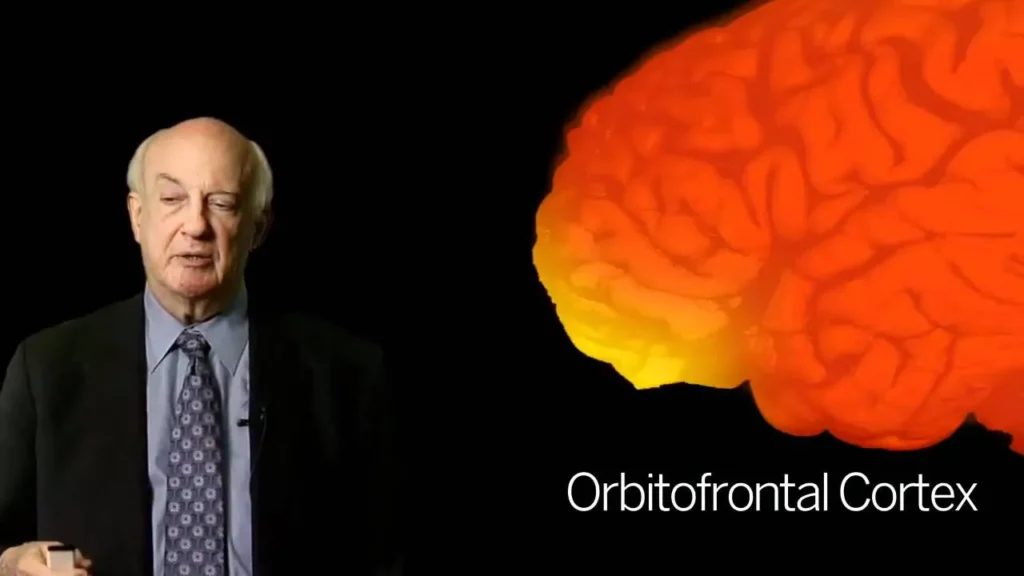
The lesson explores the neurological differences in the brains of violent offenders, particularly focusing on the roles of key brain regions such as the amygdala, orbital frontal cortex, and anterior cingulate cortex. It highlights how dysfunctions in these areas can lead to impaired emotional recognition, moral decision-making, and impulse control, contributing to violent behavior. Understanding these brain processes is crucial for developing effective interventions to prevent violent crime.
The Big Bang explained in under 4 minutes | Michelle Thaller

The lesson on “Understanding the Observable Universe” explores the concept of the observable universe, which is the portion of the universe we can see, limited by the speed of light and the time since the Big Bang, approximately 13.8 billion years ago. It clarifies misconceptions about the Big Bang, emphasizing that it did not originate from nothing, and discusses the limitations of our observations, suggesting that the observable universe is merely a small segment of a much larger, unobservable reality. As scientific tools and theories advance, we may gain deeper insights into the universe’s origins and its true extent.
Lawrence Krauss: Is Xenophobia Inherent in Organized Religion?

The lesson explores the complex nature of religion, highlighting both its comforting aspects and the significant criticisms surrounding organized religion. It discusses the negative consequences of religious doctrines, including oppression and violence, as well as the divisive mentality fostered by certain religious texts. Ultimately, the lesson advocates for critical thinking and questioning of beliefs to promote a more enlightened and compassionate society.
Why You Should Still Become a Doctor | Joseph Zuckerman
In “The Value of Becoming a Doctor Today,” Joseph Zuckerman reflects on the evolving challenges within the medical profession, particularly the increasing bureaucracy and patient load that can compromise the quality of doctor-patient interactions. Despite these concerns, he emphasizes the profound fulfillment that comes from forming meaningful relationships with patients and encourages aspiring physicians to stay true to their core motivation of helping others. Zuckerman believes that the essence of being a successful doctor lies not only in technical skills but also in the ethical foundation and professionalism that shape their character.
Paul Ekman: Outsmart Evolution and Master Your Emotions
The lesson explores the significant link between facial expressions and emotions, revealing that mimicking facial expressions can actually trigger corresponding emotional responses. It highlights the complexity of authentic emotional expression, particularly in genuine smiling, and emphasizes the importance of developing emotional awareness to manage feelings effectively. By understanding and practicing this connection, individuals can enhance their emotional intelligence and improve their relationships.
Your memory is lying to you. Here’s how. | Lisa Genova
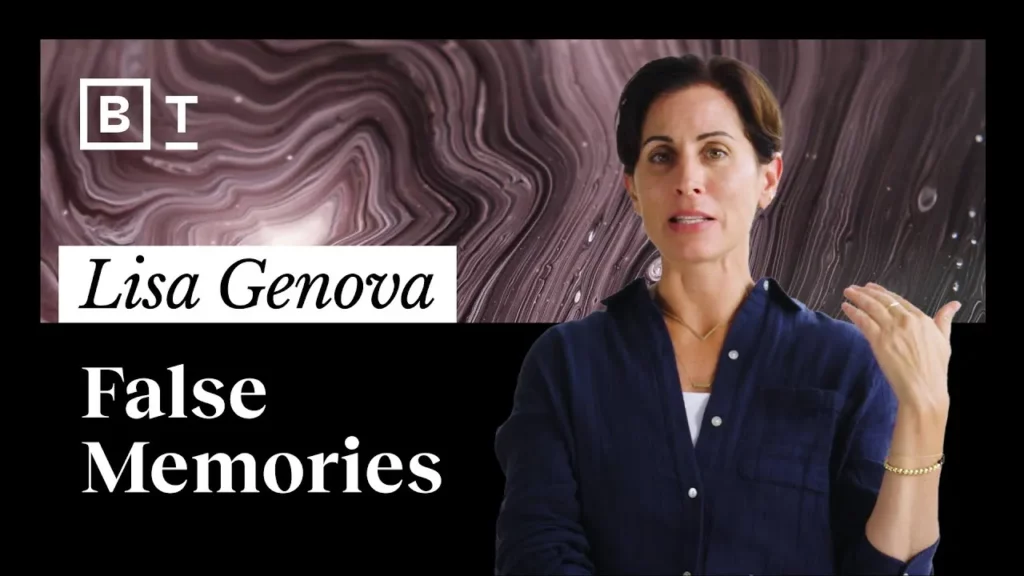
The lesson “Understanding Memory: The Science Behind Our Recollections” explores the intricate nature of memory, emphasizing that it is not a flawless recording but a complex process influenced by emotions and frequency of recall. It outlines the biological basis of memory, detailing the different types—semantic, muscle, episodic, and prospective memory—and highlights how these forms contribute to our identity and personal experiences. Ultimately, the lesson encourages a deeper appreciation of memory’s complexities and its essential role in shaping who we are.
Why zero gravity is a myth: The amazing science of ‘floating’ astronauts | NASA’s Michelle Thaller
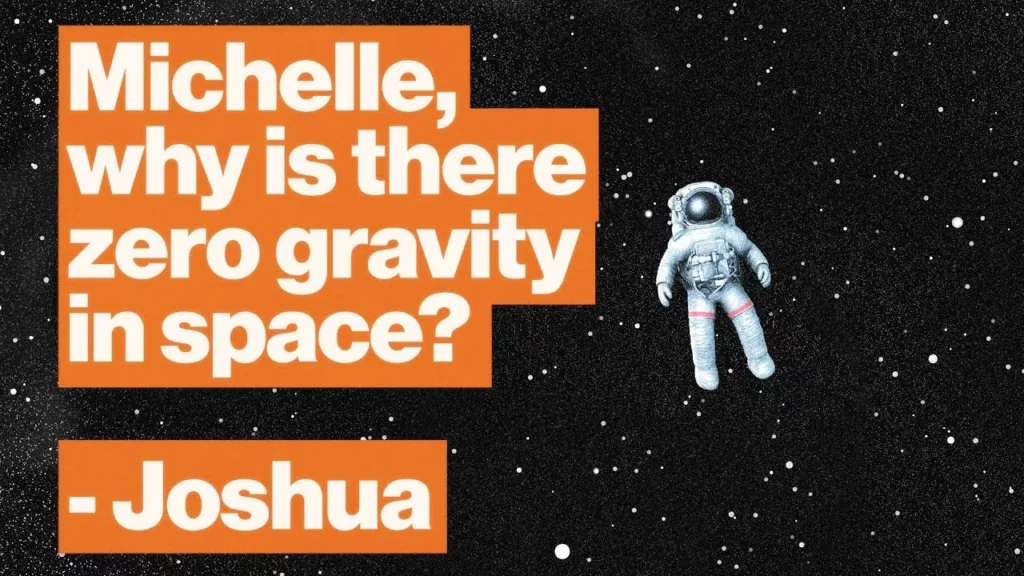
The lesson explains that astronauts aboard the International Space Station (ISS) appear weightless not because there is no gravity in space, but due to their continuous free fall towards Earth while traveling at high speeds. Despite being 200 miles above the Earth, gravity remains strong, and the sensation of weightlessness arises from the balance between this gravitational pull and their orbital motion. This understanding clarifies the mechanics of orbits and the nature of weightlessness experienced by astronauts and other objects in space.
Bill Clinton on Lifelong Learning

The lesson emphasizes the importance of lifelong learning and maintaining curiosity, regardless of age. The speaker, at 68, shares personal experiences that highlight how continuous education, such as studying particle physics, can enrich life and enhance cognitive abilities. Ultimately, the message is that embracing new knowledge not only keeps our minds sharp but also fosters a deeper connection to the world around us.
Why Interest-Based Negotiation Will Get You What You Really Want | Dan Shapiro

The lesson emphasizes the importance of negotiation skills, contrasting traditional positional bargaining with the more effective interest-based negotiation approach. While positional bargaining often leads to adversarial outcomes focused solely on fixed demands, interest-based negotiation encourages parties to explore underlying motivations, fostering collaboration and creating mutually beneficial solutions. By prioritizing shared interests, negotiators can achieve more satisfactory and valuable agreements in both personal and professional contexts.
Your Mind Creates Your Reality: What Isaac Lidsky Learned by Going Blind at Age 25
The lesson “The Journey of Losing Sight: A Personal Insight” explores the profound transformation experienced through the gradual loss of vision, highlighting how this journey reshaped the author’s understanding of perception and reality. It emphasizes the significant role of the mind in crafting our experiences and the importance of personal agency in navigating life’s challenges. Ultimately, the lesson conveys that while setbacks are inevitable, embracing introspection and actively shaping our reality can lead to a fulfilling and meaningful life.