
How to Think Like an FBI Negotiator? Use Empathy | Chris Voss

The lesson emphasizes that successful negotiation relies heavily on implied communication rather than straightforward exchanges. By utilizing indirect questions, acknowledging the impact of silence, and summarizing both facts and emotions, negotiators can create a deeper empathetic connection, fostering collaboration and encouraging positive outcomes. Ultimately, understanding and empathy are key to transforming the negotiation process.
How to reboot your life with the Japanese philosophy of Ikigai | Rob Bell

The lesson on discovering your ikigai emphasizes the importance of finding purpose and joy in life beyond traditional measures of success. It encourages individuals to reassess their passions and adapt to life’s changes, highlighting that true fulfillment comes from pursuing what invigorates the spirit rather than merely climbing the corporate ladder. By confronting fear and embracing one’s unique journey, individuals can cultivate a life filled with meaning and anticipation.
This is how an illusionist targets your unconscious mind | Derren Brown
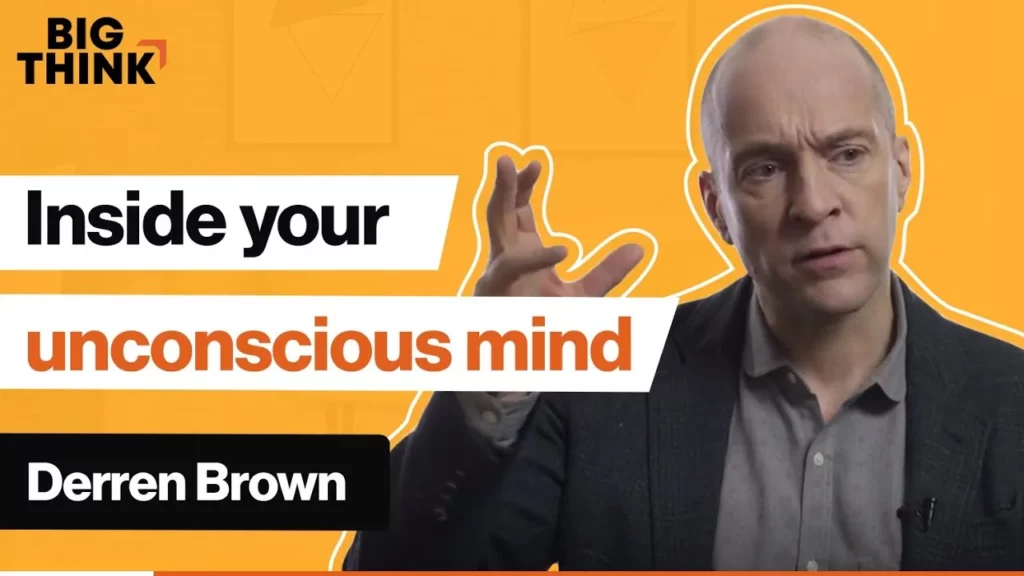
The lesson explores the intricate relationship between magic and psychology, highlighting how magicians leverage our understanding of perception, memory, and suggestibility to create captivating illusions. By manipulating memories and inducing confusion, they enhance the audience’s receptiveness to hypnotic suggestions, ultimately transforming a simple performance into a profound exploration of the human mind. This interplay between psychological principles and magical artistry reveals the deeper mechanisms that shape our experiences and perceptions of reality.
People Will Misjudge You Unless You Manipulate Them.

The lesson emphasizes the complexities of perception in interpersonal interactions, highlighting how limited information can lead to misunderstandings about how we are seen by others. Using President Obama’s debate performance as a case study, it illustrates that even skilled communicators can misjudge their projected image. The lesson also outlines the two phases of perception—automatic impressions and nuanced understanding—underscoring the importance of effective communication in conveying our true intentions and improving how we are perceived.
Ethan Nadelmann: The War on Drugs is Racist

The lesson explores the historical context behind the legality of various drugs, highlighting how societal attitudes and racial dynamics have influenced drug laws rather than a systematic assessment of risks and benefits. It discusses how the criminalization of substances like opiates, cocaine, and marijuana has often targeted marginalized communities, reflecting broader societal fears and prejudices. Ultimately, the lesson emphasizes the need to understand these historical injustices to inform ongoing debates about drug policy reform.
Sleep hacking: How to control your mitochondrial clocks | Dave Asprey

The lesson emphasizes the critical role of sleep in maintaining health and preventing chronic diseases such as cancer, diabetes, and Alzheimer’s. It highlights the importance of optimizing sleep quality through techniques like managing light exposure and creating a dark sleeping environment, which can significantly enhance overall well-being and longevity. By prioritizing sleep and making small adjustments to daily routines, individuals can improve their health outcomes and quality of life.
Penn Jillette: Reconciling Atheism with Libertarianism

In “Understanding Libertarianism: A Personal Perspective,” Penn Jillette articulates his belief in the importance of individual freedom and personal responsibility, emphasizing that people should have the autonomy to make their own choices without government interference. He critiques the current political landscape and the two-party system, advocating for meaningful discourse among diverse political voices. Ultimately, Jillette envisions a society that prioritizes personal liberty while reducing government overreach and corporate welfare, allowing individuals to pursue their own happiness authentically.
Being happy has nothing to do with money (or drugs) | Nick Offerman

The lesson emphasizes the importance of discipline and the acceptance of imperfection in the pursuit of mastery. It highlights that personal growth comes from learning to handle mistakes rather than striving for flawlessness, as well as the value of hard work and creativity rooted in a humble upbringing. Ultimately, the journey is about making mindful contributions to the world through meaningful endeavors, fostering a sense of purpose and fulfillment beyond mere existence.
The Neuroscience of Genius, Creativity, and Improvisation, with Heather Berlin

In the discussion between Carl Zimmer and neuroscientist Heather Berlin, the concept of genius is explored through a neuroscientific lens, emphasizing the multifaceted nature of creativity and improvisation. Berlin highlights the importance of brain activity during creative processes, particularly the shift in activity between the dorsolateral and medial prefrontal cortices, which facilitates spontaneous idea generation. The conversation underscores the significance of the flow state in creativity, revealing how a balance between internal thought and external feedback contributes to the essence of genius.
Neil deGrasse Tyson: Science is in Our DNA
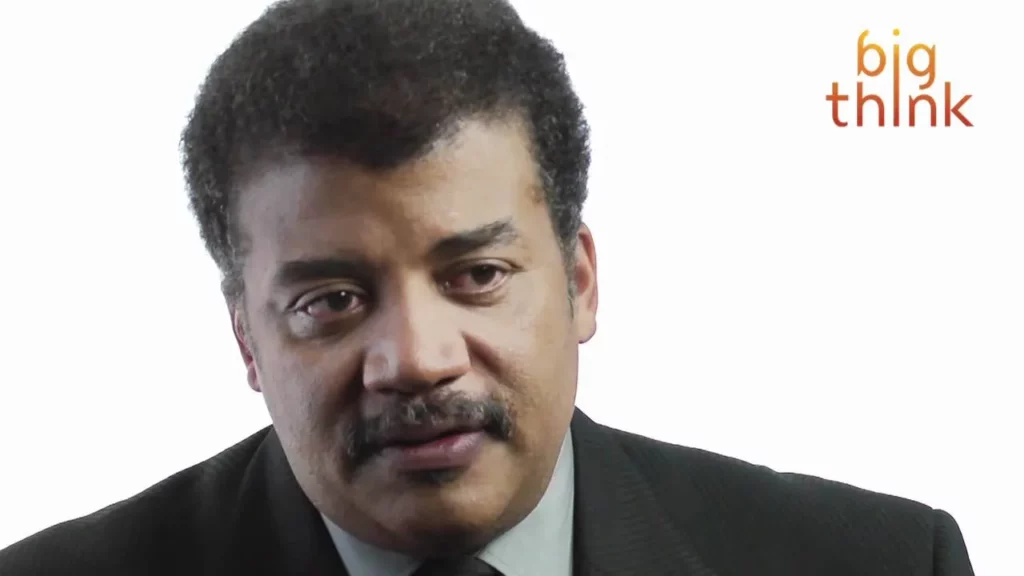
The lesson emphasizes that human curiosity is intrinsic to our nature, driving our exploration and understanding of the world, which is fundamentally expressed through science. It highlights that science is a collective human endeavor, distinct from personal creativity in art, and discusses the evolution of robotics and artificial intelligence, clarifying misconceptions often portrayed in media. Ultimately, the lesson underscores the significance of curiosity and exploration as defining characteristics of humanity, especially in the context of technological advancement.