
Lisa Bodell: Why Organizations Resist Change

The lesson emphasizes the importance of addressing mindset and assumptions to effectively embrace change within organizations. Leaders and employees often resist change due to skepticism and preconceived notions, which can hinder innovation. By fostering a collaborative culture, simplifying change processes, and encouraging a positive outlook on new ideas, organizations can overcome resistance and create an environment that promotes adaptability and growth.
How World of Warcraft Could Save Your Business and The Economy | John Seely Brown
The lesson highlights the significant value of skills acquired through gaming, particularly in collaborative environments like World of Warcraft, which can surpass traditional corporate training such as an MBA. It emphasizes the importance of social interaction, meritocracy, and self-directed learning within gaming guilds, suggesting that these principles can inspire a transformative redesign of corporate workspaces to foster innovation and continuous improvement. By adopting a passion-driven and accountable approach to learning, organizations can enhance performance and adaptability in the modern workplace.
The Path to Discovering Your Talents and Passions, with Sir Ken Robinson Mentor
The lesson “Exploring the Disconnect: Work, Passion, and Human Potential” examines the widespread disengagement many individuals feel towards their jobs and the implications this has on personal fulfillment and societal well-being. It contrasts the experiences of those who are passionate about their work with those who merely go through the motions, emphasizing the importance of uncovering hidden talents and fostering engagement to create vibrant communities. Ultimately, the lesson serves as a call to action for individuals to discover their true potential and support others in doing the same, enriching both personal lives and society as a whole.
What makes you vulnerable to a gambling addiction? | Maia Szalavitz
The lesson on addiction emphasizes that it is a complex condition characterized by compulsive behaviors despite negative consequences, challenging traditional views that equate addiction solely with physical withdrawal symptoms. It highlights the misconceptions surrounding cocaine addiction and explores non-drug addictions, such as gambling, illustrating that addiction can stem from behavioral patterns rather than just substance use. Ultimately, a comprehensive understanding of addiction requires acknowledging psychological and environmental factors to effectively support those affected.
How to heal trauma with meaning: A case study in emotional evolution | BJ Miller
The lesson highlights Steve Shire’s transformative journey through grief after the loss of his wife, Amy, who inspired him to create a prognostication tool that helps patients manage their health information preferences. Through his experience, Steve demonstrates how profound loss can lead to meaningful contributions that support others facing similar challenges, ultimately turning personal pain into a legacy of hope and resilience. His story serves as a testament to the power of human connection and the potential for healing through helping others.
How we’ll colonize the Moon and Mars | Robert Curbeam
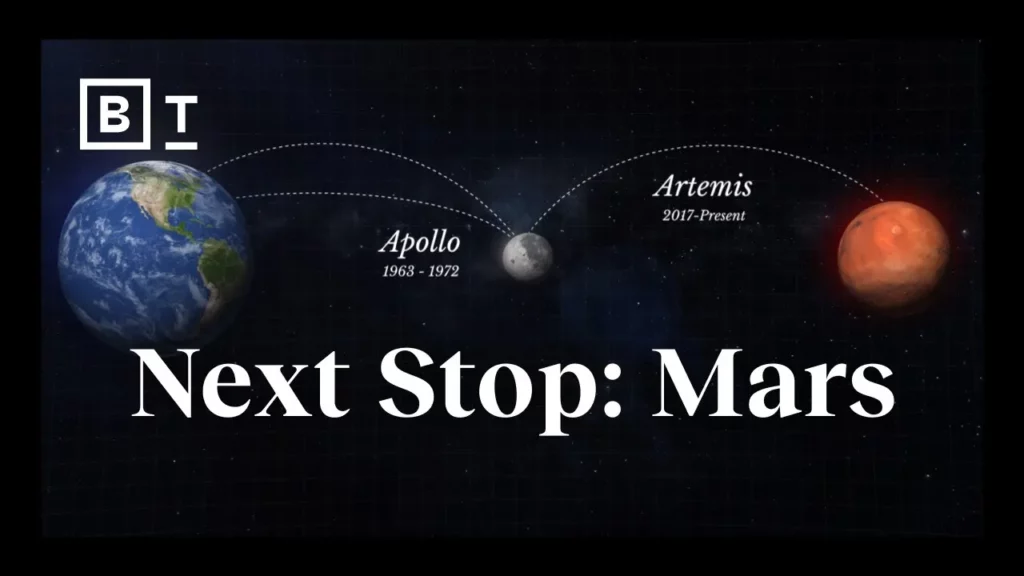
The lesson discusses the future of space exploration, highlighting NASA’s plans to return to the Moon through the Artemis program and the role of the Gateway space station as a hub for deeper space missions. It emphasizes the importance of innovative technologies, such as solar electric propulsion, in making space travel more efficient and sustainable, while drawing parallels between historical explorations on Earth and the upcoming challenges of interplanetary travel, particularly to Mars. Ultimately, the lesson calls for a collective readiness to embrace the risks and sacrifices necessary for humanity’s journey beyond Earth.
Everything about humanity is changing—except our bodies | Sean B. Carroll on evolution
The lesson discusses the profound transformations in human life from the 1800s to today, highlighting advancements in medicine, agriculture, and our relationship with nature. It emphasizes how humans have gained control over natural forces, leading to improved health outcomes and food production, while also noting the slower pace of biological evolution compared to rapid cultural changes. Understanding these dynamics is essential for addressing future challenges.
How Halo Changed the Game

The lesson explores the origins of the Halo franchise, highlighting its development journey from a struggling game to a cornerstone of the Xbox launch in 2001. Key factors in its success included a compelling narrative that expanded into novels and a revolutionary approach to multiplayer gaming that fostered community engagement. Ultimately, Halo’s impact on the gaming industry solidified its status as a pivotal force in gaming history.
Vertical Farming Explained, with Dickson Despommier

The lesson discusses the challenges posed by urbanization and the increasing global population on food production, highlighting the limitations of traditional farming methods in urban areas. It introduces vertical farming as a sustainable solution, showcasing successful examples from cities like Singapore, Sweden, and Tokyo, which demonstrate the viability and scalability of this innovative approach. Ultimately, vertical farming is presented as a crucial strategy for ensuring food security in rapidly growing urban environments.
Astronaut Chris Hadfield’s 3 rules for going into space

To become an astronaut, individuals must prioritize three key requirements: maintaining excellent physical health, developing strong technical proficiency, and honing decision-making skills. Physical fitness is essential due to the challenges of space travel, while technical expertise, often gained through advanced education and hands-on experience, is crucial for understanding complex systems. Additionally, the ability to make sound decisions under pressure is vital, and candidates can cultivate this skill through practice and commitment.