
Increase Your Productivity by Mastering Singular Focus and Mindful Meditation | Emma Seppälä

The lesson emphasizes the importance of being present in a fast-paced world, highlighting how embracing presence can enhance productivity, performance, and relationships. Techniques such as meditation and breathing exercises are recommended to combat distractions and improve focus, ultimately leading to greater happiness and effectiveness in both personal and professional life. By cultivating mindfulness, individuals can transform their approach to success and well-being.
Lifestyle and Emotional Well-Being, with Dr. Andrew Weil Mentor
The lesson highlights the alarming rise in depression and anxiety rates, particularly among children, and questions the effectiveness of traditional treatment methods, such as antidepressants. It emphasizes the need to understand the broader societal factors contributing to this mental health crisis and advocates for a reevaluation of current treatment approaches to better address the underlying causes. The lesson calls for exploring alternative solutions that may offer more effective support for individuals struggling with these conditions.
Johann Sebastian Bach: Genre-Bender Extraordinaire
The lesson explores the intriguing absence of operatic compositions in Johann Sebastian Bach’s oeuvre, despite the genre’s significance during his time for achieving recognition and financial stability. It examines various factors influencing this choice, including Bach’s exposure to opera, his potential disdain for its theatrical elements, and the evolving nature of operatic innovation. Ultimately, the lesson highlights how Bach’s unique approach to music drama, characterized by emotional depth and dialogue, laid the groundwork for future composers, demonstrating his lasting impact on the evolution of music.
Salman Rushdie on Magical Realism: True Stories Don’t Tell the Whole Truth
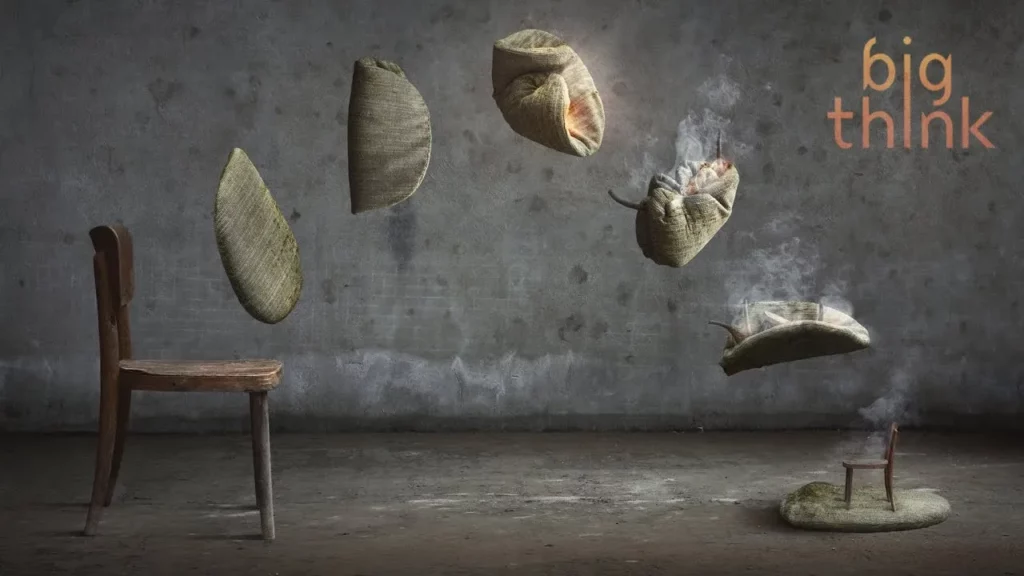
The lesson explores how literature intertwines fantasy and reality to reveal deeper truths, emphasizing the significance of magic realism as a narrative style that balances the ordinary with the extraordinary. It highlights the historical roots of magic realism in Latin America and reflects on the author’s personal journey in writing speculative fiction, showcasing how these elements allow for imaginative exploration of complex ideas. Ultimately, the blend of fantasy and reality enriches storytelling and invites readers to uncover profound insights.
Ray Kurzweil: Your Brain in the Cloud
The lesson explores the intricate relationship between emotion, art, and human intelligence, emphasizing that true intelligence encompasses creativity and emotional expression rather than solely logical reasoning. It highlights the role of the neocortex in facilitating complex thought and creativity, distinguishing humans from other primates. Additionally, the lesson discusses the potential future of artificial intelligence, including the development of synthetic neocortexes and the possibility of enhancing human cognitive abilities through technology, paving the way for a new era of intelligence.
Is there life after death? | Sam Harris, Bill Nye, Michio Kaku, & more
The lesson explores diverse perspectives on death and immortality from notable thinkers, highlighting their insights on existence, the afterlife, and the emotional impact of mortality. Key figures like Albert Einstein, Sam Harris, and Rob Bell offer contrasting views, from the scientific understanding of time to the importance of facing death realistically without relying on comforting narratives. The discussion encourages reflection on how these beliefs shape our lives and the legacies we aim to create.
How Penn Jillette Lost over 100 Lbs and Still Eats Whatever He Wants

In this lesson, the author shares their transformative journey of losing over 100 pounds, highlighting the importance of mindset and lifestyle changes in achieving health goals. Starting from a point of poor health and high weight, they made a decisive choice to undergo a stomach sleeve procedure and adopted a mono diet, which significantly altered their eating habits and overall well-being. The journey emphasizes that with determination and a shift in perspective, one can not only lose weight but also cultivate a healthier relationship with food and life.
What is the difference between near-death experiences and dreams? | Dr. Bruce Greyson
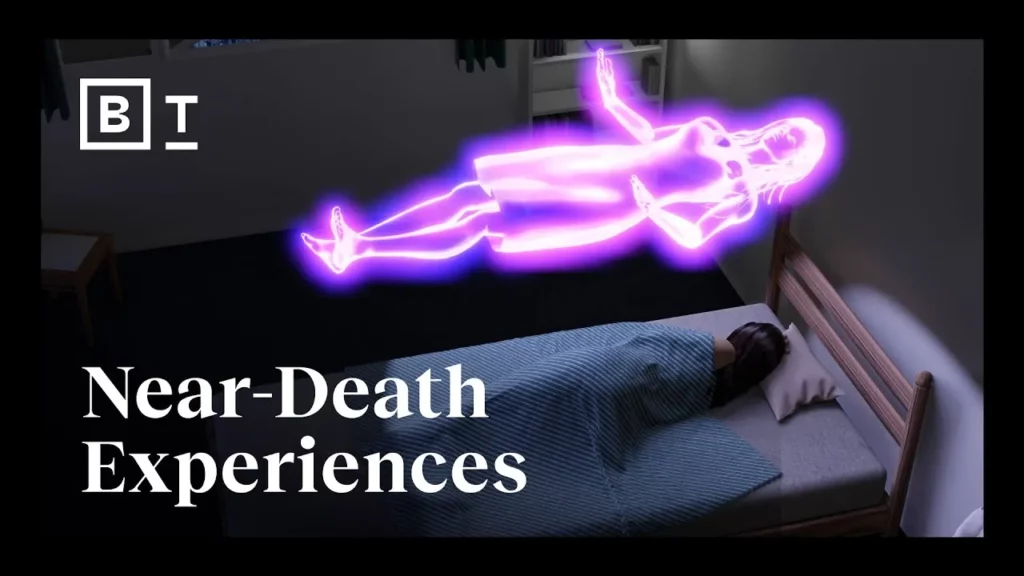
The lesson explores near-death experiences (NDEs), which are profound events reported by individuals who come close to death, characterized by sensations such as out-of-body experiences and life reviews. Unlike hallucinations, NDEs exhibit consistent features across cultures and are often described as calm and transformative, leading researchers to investigate their causes, including oxygen levels and drug influences. Ultimately, NDEs challenge our understanding of consciousness and reality, prompting further exploration into their significance in the context of life and death.
Debate world champion explains how to argue | Bo Seo
The lesson emphasizes the historical significance of argumentation as a vital component of civic engagement, tracing its roots from ancient Greece to modern public discourse. It highlights the importance of training, structured formats, and relationship-building in fostering meaningful debates, using the exchanges between civil rights leaders James Farmer and Malcolm X as a key example. To enhance public discourse today, the lesson advocates for reviving face-to-face conversations and nurturing critical thinking skills, essential for a healthy democracy.
Brian Greene: Time Travel is Possible
The lesson explores the philosophical and scientific dimensions of time, questioning whether it is an inherent aspect of the universe or a construct of human perception shaped by evolutionary needs. It discusses the potential building blocks of time and examines the scientific theories of time travel, particularly the feasibility of traveling to the future as proposed by Einstein, while highlighting the skepticism surrounding the possibility of traveling to the past. Ultimately, the exploration of time invites deeper inquiries into reality and our understanding of existence.