
Why Your Boyfriend Won’t Look at You | Helen Fisher

The lesson explores the complexities of intimacy and adultery, revealing that both men and women share similar perceptions of intimacy, valuing adventurous activities and deep conversations. It highlights how evolutionary factors influence emotional connections and communication styles, which can complicate relationships. Additionally, the research challenges traditional views on infidelity, showing that women under 40 engage in adultery at rates comparable to men, and emphasizes the potential for personal growth and change in fostering commitment to monogamy.
Alain de Botton: How Proust Can Change Your Life

The lesson emphasizes the transformative power of literature as a tool for enhancing our awareness and understanding of the world. By engaging with the insights of great writers, we can gain new perspectives on our own experiences and interactions, allowing us to appreciate the complexities of human emotions and relationships. Ultimately, literature serves as a means to accumulate diverse viewpoints, enriching our ability to observe and interpret life’s subtleties.
5 ways to build an Alzheimer’s-resistant brain | Lisa Genova
The lesson emphasizes that forgetting is a natural aspect of life, particularly as we age, and should not be immediately associated with Alzheimer’s disease. It explains the biological mechanisms behind Alzheimer’s, highlights the distinction between normal memory lapses and early symptoms of the disease, and outlines lifestyle factors—such as sleep, diet, exercise, stress management, and lifelong learning—that can significantly influence brain health and potentially reduce the risk of Alzheimer’s. Ultimately, understanding these elements can help individuals maintain cognitive well-being and alleviate unnecessary fears surrounding memory loss.
Jordan Peterson’s guide to leadership
The lesson on “The Psychology of Leadership” emphasizes that effective leadership is rooted in a clear vision and purpose, which leaders must communicate to inspire their teams. It highlights the importance of fostering a collaborative environment where individual contributions align with organizational goals, promoting positive motivation and engagement. Ultimately, successful leadership involves creating a coherent narrative that integrates diverse perspectives while maintaining a unified direction, thereby cultivating a thriving organizational culture.
3 Brain Systems That Control Your Behavior: Reptilian, Limbic, Neo Cortex | Robert Sapolsky
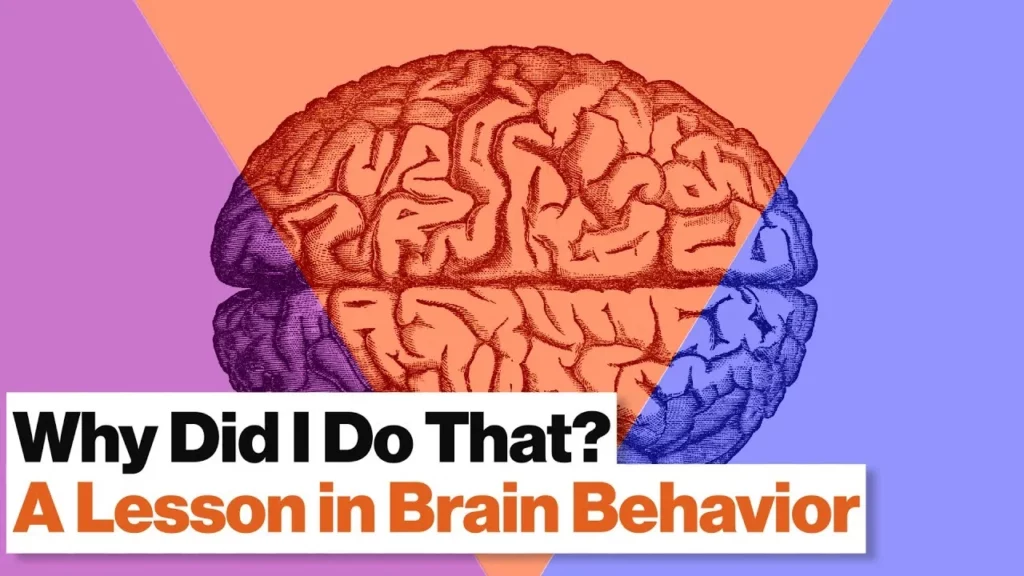
The triune brain model, introduced by Paul MacLean, simplifies the understanding of the brain’s complex functions by categorizing it into three layers: the reptilian brain, the limbic system, and the cortex. Each layer plays a distinct role in regulating basic physiological functions, processing emotions, and facilitating higher cognitive functions, respectively, while also interacting with one another to influence behavior and decision-making. This model emphasizes the potential for conscious regulation of these interactions, offering insights into improving mental and physical health.
Are near-death experiences real? Here’s what science has to say. | Dr. Bruce Greyson for Big Think
In his exploration of near-death experiences (NDEs), Dr. Bruce Greyson reveals that these phenomena resist simple physiological explanations, suggesting a deeper understanding of consciousness beyond brain activity. His research highlights common themes across cultures, emphasizing the transformative impact of NDEs on individuals, who often return with a renewed sense of purpose and interconnectedness. Ultimately, Greyson’s work encourages a reflection on the meaning of life and the mysteries of existence.
‘The Art of War’: The greatest strategy book ever written | Roger Martin

The lesson emphasizes the relevance of Sun Tzu’s “The Art of War” to modern business strategy, highlighting its philosophical insights that encourage sustainable outcomes and conflict avoidance. It underscores the importance of treating employees well to foster loyalty and creativity, as well as the necessity of integrating customer-focused design into business strategies for greater effectiveness. Ultimately, the teachings of Sun Tzu advocate for a strategic approach that prioritizes understanding and serving customers while maintaining a harmonious competitive landscape.
How to Tell If Someone’s Bluffing: Body Language Lessons from a Poker Pro | Liv Boeree
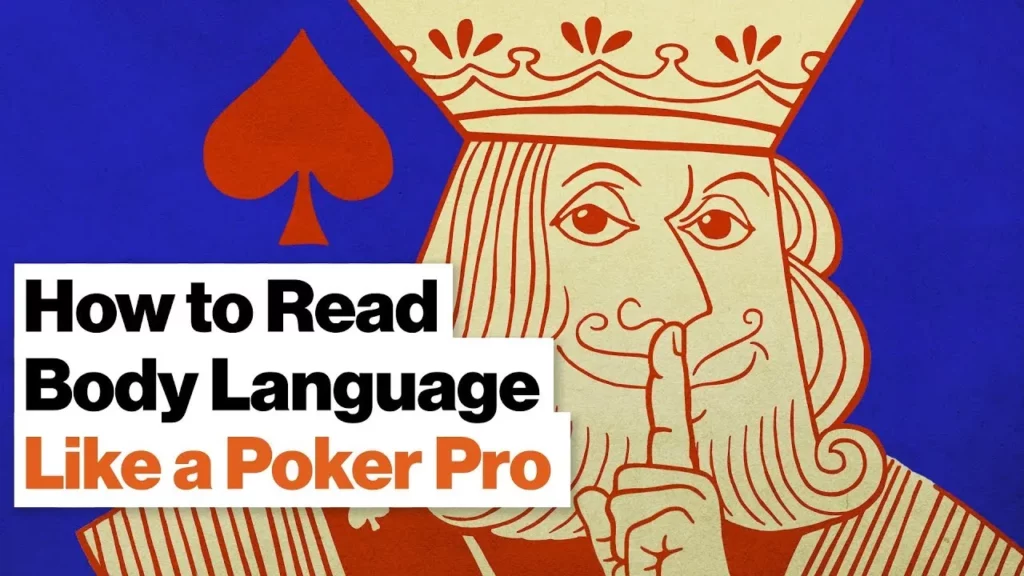
The lesson on understanding body language emphasizes its importance for poker players and beyond, highlighting that establishing a baseline of natural behavior is crucial for interpreting deviations during tense situations. By observing classic behaviors and focusing on the lower body, particularly the feet, players can gain insights into their opponents’ authenticity and intentions, ultimately enhancing their strategic edge at the table.
The mind-bending physics of time | Sean Carroll

The lesson explores the intricate relationship between time and entropy, highlighting how our understanding of time is shaped by its properties and the concept of entropy. While we perceive a clear direction of time due to our experiences and the increase of entropy in the universe, the fundamental laws of physics do not inherently distinguish between past and future. Ultimately, the lesson emphasizes that the complexity of life and the universe arises from the ongoing increase in entropy, which is essential for the emergence of intricate systems and the progression of events.
Is reality real? These neuroscientists don’t think so
The lesson “Understanding Reality: A Journey Through Perception and Science” explores the complexities of how we perceive the world, emphasizing that our sensory experiences do not accurately reflect objective reality. It highlights the importance of integrating multiple perspectives and utilizing scientific methods to deepen our understanding of reality, as our perceptions are shaped by evolutionary needs rather than a literal representation of the world. Ultimately, the lesson advocates for a nuanced approach to understanding reality, recognizing the interplay between sensory experiences and scientific inquiry.