
Seeing Sound, Tasting Color: Synesthesia
The lesson on synesthesia explores the intriguing phenomenon where senses intertwine, allowing individuals to experience one sensory input through another, such as seeing colors when hearing music. It highlights the prevalence of synesthesia, which affects about 4% of the population, and emphasizes its significance in understanding subjective perception and the genetic factors that may contribute to these unique sensory experiences. Through the study of synesthesia, researchers gain insights into the complex interplay between genetics and perception, enhancing our understanding of how individuals interpret reality differently.
This is not what an atom really looks like | Michelle Thaller

The lesson on “Understanding Electron Behavior in Atoms” clarifies the misconception that electrons orbit the nucleus like planets around a star. Instead, it explains that electrons behave as wave-like entities, existing as probability distributions within defined regions called orbitals, which can take various shapes and do not represent fixed paths. This understanding emphasizes the complexity of atomic structure and the principles of quantum mechanics, challenging traditional depictions of electron movement.
Generative AI is not the panacea we’ve been promised | Eric Siegel for Big Think+

The lesson emphasizes the need to distinguish between the hype surrounding generative AI and its actual value in business applications, highlighting its limitations and the necessity of human oversight. It contrasts generative AI’s capabilities in content creation with predictive AI’s strength in data analysis and decision-making, showcasing real-world applications like UPS’s delivery optimization. Ultimately, the lesson advocates for a focus on actionable insights and measurable outcomes to harness the true potential of AI technologies effectively.
The true story behind Carl Sagan’s cult classic, Contact | Jill Tarter for Big Think
In the lesson “Exploring the Cosmos: Insights from Dr. Jill Tarter,” we delve into the quest for extraterrestrial life, led by the influential astrobiologist Dr. Tarter. Her lifelong passion for the cosmos has driven significant advancements in the Search for Extraterrestrial Intelligence (SETI), where technology plays a crucial role in detecting potential signs of life beyond Earth. Dr. Tarter emphasizes that this search is not only about uncovering the mysteries of the universe but also about inspiring humanity to confront its challenges through the lessons learned from other civilizations.
40,000 years of music explained in 8 minutes | Michael Spitzer
The lesson explores the evolution of music from ancient times to the present, emphasizing its role as a universal language that reflects human experiences and societal changes. It highlights the transition of music from a rare luxury to an everyday experience, the impact of social structures and notation on musical practices, and the recent resurgence of participatory music-making facilitated by technology. Ultimately, the lesson underscores the dynamic nature of music and its integral connection to human life throughout history.
9 tactics to build a stronger mind | Lisa Genova
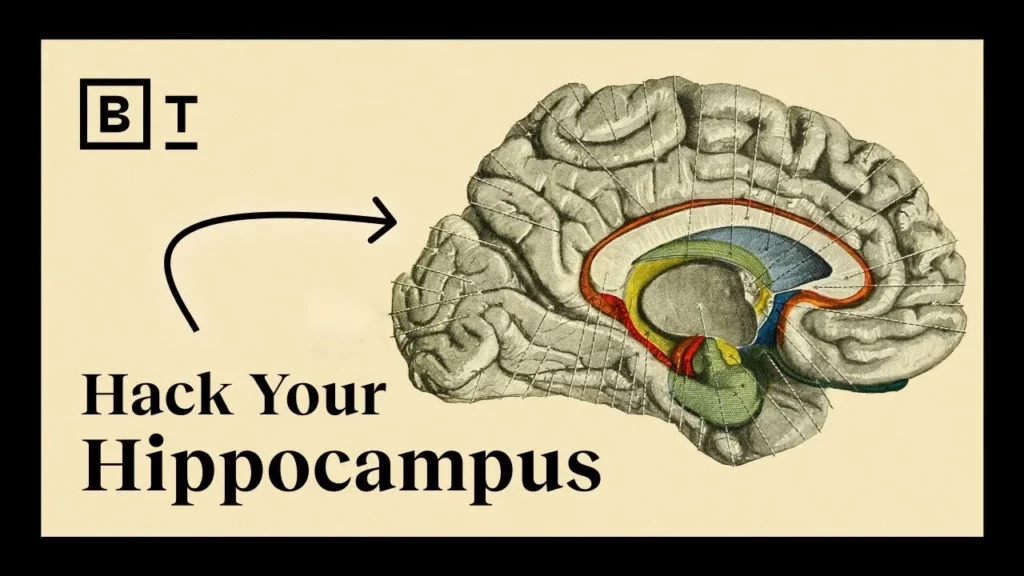
The lesson on “Understanding Memory: Insights from Neuroscience” emphasizes that forgetting is a normal aspect of human experience rather than a personal failure, and it highlights the importance of attention, stress management, sleep, and effective strategies for enhancing memory. Techniques such as meditation, associative methods, repetition, and self-testing can significantly improve memory retention and recall. Ultimately, by embracing the complexities of memory and employing practical strategies, individuals can enhance their cognitive abilities and reduce anxiety related to forgetfulness.
The art of asking the right questions | Tim Ferriss, Warren Berger, Hope Jahren & more
The lesson emphasizes the critical role of questioning in fostering innovation and learning, particularly in a rapidly changing world. It highlights how curiosity-driven inquiries can lead to significant breakthroughs, while also addressing the decline of questioning in educational settings that stifles creativity and critical thinking. By embracing both naïve and “dumb” questions, individuals can unlock new insights and navigate complex challenges effectively.
Nature’s supercomputer lives on your dog | Ed Yong

The lesson highlights the extraordinary sense of smell in dogs, emphasizing its significance not only for their unique abilities but also for their overall well-being. Professor Alexandra Horowitz explains that allowing dogs to explore their environment through sniffing enhances their happiness and reduces anxiety, reinforcing the importance of embracing their natural instincts. By understanding how dogs perceive the world through smell, owners can foster a stronger bond with their pets and improve their quality of life.
Train for any argument with Harvard’s former debate coach | Bo Seo

The lesson emphasizes the current crisis in public discourse, where meaningful discussions are often replaced by shouting matches due to a lack of effective argumentation skills. Bo Seo’s RISA Framework offers a structured approach to disagreements, encouraging individuals to clarify misunderstandings, assess the importance of the disagreement, and align objectives for productive conversations. By fostering active listening, empathy, and a willingness to embrace uncertainty, individuals can revitalize public discourse and engage in more respectful and constructive discussions.
Harvard professor debunks the ‘10,000 steps per day’ myth | Daniel Lieberman

The lesson explores the paradox of treadmills, which require significant effort and investment to keep users stationary, while tracing their grim historical origins and the distinction between physical activity and exercise. It emphasizes the importance of understanding our evolutionary background in relation to movement, highlighting that while modern exercise guidelines exist, any increase in physical activity is beneficial. Ultimately, the lesson advocates for a shift in perspective, encouraging individuals to find joy in movement rather than viewing exercise as a chore.