
The real risks of psychedelics, explained by an expert | Dr. Matthew Johnson

The lesson discusses the safety and potential of psychedelics as medical treatments, emphasizing the importance of understanding and minimizing their risks. While psychedelics like psilocybin and LSD are generally less harmful than substances like tobacco and alcohol, their safe use is enhanced by having a sober guide in controlled environments. Ultimately, when approached responsibly, psychedelics can offer valuable insights into mental health and well-being, warranting a balanced perspective on their benefits and risks.
Are humans hardwired for monogamy? | Helen Fisher

The lesson explores the evolution of monogamy and human pair bonding, highlighting that while monogamy is a common practice, adultery is also a natural behavior rooted in our evolutionary history. It explains that humans developed pair bonding as a survival strategy, particularly as they transitioned to open grasslands, necessitating cooperation in child-rearing. Ultimately, the lesson emphasizes that monogamy is a fundamental aspect of human relationships, shaped by both biological imperatives and social structures.
Social anxiety: How to rewire your confidence and be a better communicator | Andrew Horn

The lesson emphasizes the importance of active listening and presence in meaningful conversations. It distinguishes between “turning” the conversation, which fosters engagement and depth, and “taking,” which leads to dead ends. Additionally, it introduces the “metamorphic two-step” technique to cultivate presence and overcome feelings of shyness and social anxiety, encouraging individuals to focus on personal growth rather than comparison with others.
Neil deGrasse Tyson: Atheist or Agnostic?

Neil deGrasse Tyson emphasizes the importance of independent thought over rigid labels, identifying primarily as a scientist rather than aligning with specific religious or philosophical movements. He advocates for open dialogue that prioritizes the exchange of ideas without preconceived notions, and he identifies most closely with agnosticism, appreciating its flexibility and openness to new evidence. Tyson encourages a focus on scientific inquiry and education, urging individuals to engage in meaningful conversations without the constraints of assumptions based on labels.
Bipolar Disorder Is Like Having Two Serious Illnesses at Once | Nicole Foubister

The lesson on bipolar disorder highlights its complexity as a mental health condition characterized by alternating episodes of mania and depression, each presenting unique challenges that can strain personal and professional relationships. It emphasizes the importance of understanding the disorder, supporting affected individuals with empathy, and recognizing the ongoing treatment challenges, while also noting the promising advancements in research aimed at improving management strategies and quality of life for those impacted.
Economist explains the two futures of crypto | Tyler Cowen

The lesson on cryptocurrency explores its emerging role in finance, highlighting both its innovative potential and the skepticism surrounding it. While Bitcoin exemplifies a decentralized recordkeeping system that could revolutionize transactions and global finance, concerns about its use in illegal activities, environmental impact, and unfulfilled promises contribute to skepticism. Ultimately, the future of cryptocurrency remains uncertain, but its potential to reshape the financial landscape is significant.
Goal Setting Is a Hamster Wheel. Learn to Set Systems Instead. | Adam Alter

The lesson emphasizes that traditional goal-setting can lead to a cycle of dissatisfaction and a sense of failure until the goal is achieved, often resulting in anticlimactic feelings upon reaching it. Instead, it advocates for adopting systems that prioritize the process over the end result, allowing individuals to experience daily successes and positive feedback. By focusing on systems, one can cultivate a more fulfilling and sustainable approach to personal growth and achievement.
3 Ways to Express Your Thoughts So That Everyone Will Understand You | Alan Alda
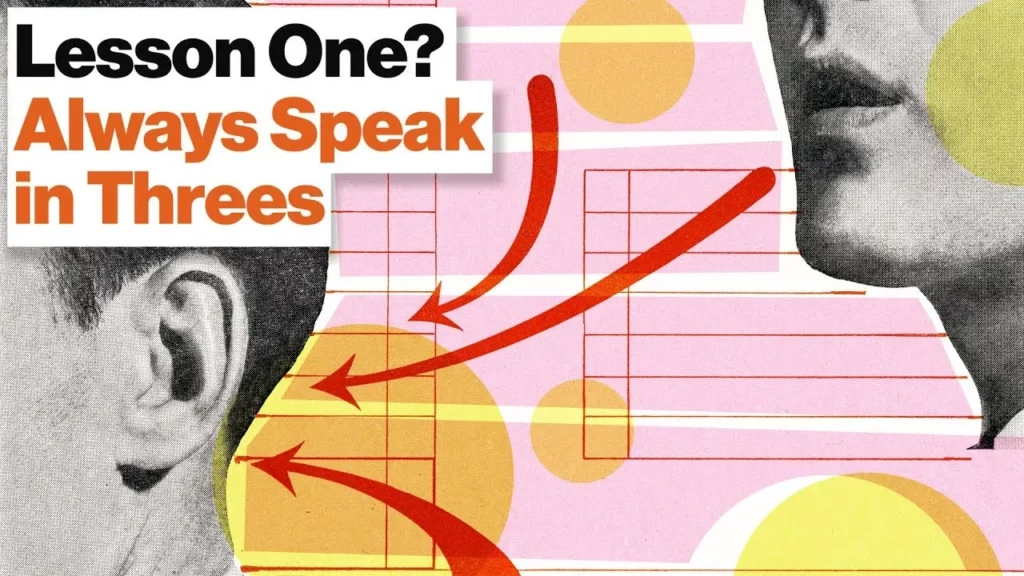
The lesson emphasizes that effective communication transcends mechanical tips and instead thrives on genuine connections with the audience. It introduces the “rule of three” framework, which encourages speakers to focus on three key points, explain complex ideas from three perspectives, and repeat important concepts three times to enhance clarity and retention. Ultimately, the lesson advocates for a transformative approach to communication that fosters authentic engagement rather than a checklist of techniques.
Daniel Kahneman: Why We Make Bad Decisions About Money (And What We Can Do About It)
The lesson on understanding human decision-making emphasizes the complexities and common pitfalls that individuals face when making choices. It highlights the importance of broad framing, mental accounting, and numeracy in improving decision-making skills, suggesting that by adopting a wider perspective and managing emotional responses, individuals can make more informed and beneficial decisions. Ultimately, enhancing these skills can lead to a more rational and fulfilling decision-making process.
How leaders influence people to believe | Michael Dowling
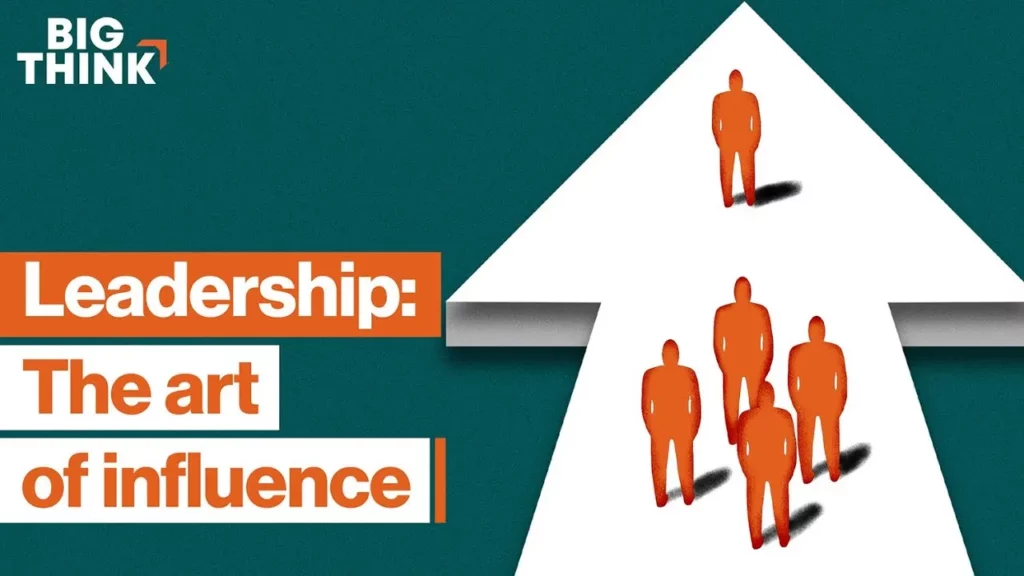
The lesson on “Understanding Leadership: The Art of Influence” emphasizes that effective leadership hinges on the ability to inspire and connect with others through genuine belief and passion for a shared mission. Key elements include humility, which fosters teamwork and camaraderie, and authenticity, which builds respect and encourages engagement among followers. Ultimately, successful leaders create an environment where individuals feel valued and part of a collective journey towards a common goal.