
Jordan Peterson: Career vs. motherhood: Are women being lied to?

The lesson explores the evolving priorities of women as they navigate the balance between career ambitions and motherhood. Initially focused on professional development in their teens and twenties, many women begin to reassess their desires for family as they enter their thirties, often feeling a sense of urgency if they haven’t started a family by their late thirties. The discussion emphasizes the importance of recognizing the value of both career and motherhood, advocating for a societal shift in how these roles are perceived to support women in achieving a fulfilling and balanced life.
Why Your Self-Image Might Be Wrong: Ego, Buddhism, and Freud | Mark Epstein

The lesson explores the concept of the ego through the lenses of psychology and Buddhism, clarifying the misconception that Buddhism advocates for the complete elimination of the ego. Instead, it emphasizes that the ego is a necessary part of our identity, emerging from early childhood experiences, but often becomes immature and limiting. By integrating Buddhist principles, we can challenge our self-perceptions and cultivate a more flexible understanding of ourselves, promoting personal growth and deeper connections with others.
How ‘flow state’ can heal trauma | Steven Kotler for Big Think

The lesson on “Understanding Peak Performance and Flow States” emphasizes the importance of harnessing our biological systems to achieve optimal performance and well-being through flow states. Flow is characterized by intense focus and a diminished sense of self, leading to enhanced learning and memory due to the release of neurochemicals. The lesson also explores innovative applications of flow in therapy, addiction treatment, and emotional healing, suggesting that specific experiences may one day be prescribed to improve mental health and personal development.
How to rewire your brain after trauma | Bessel van der Kolk | Explain It Like I’m Smart
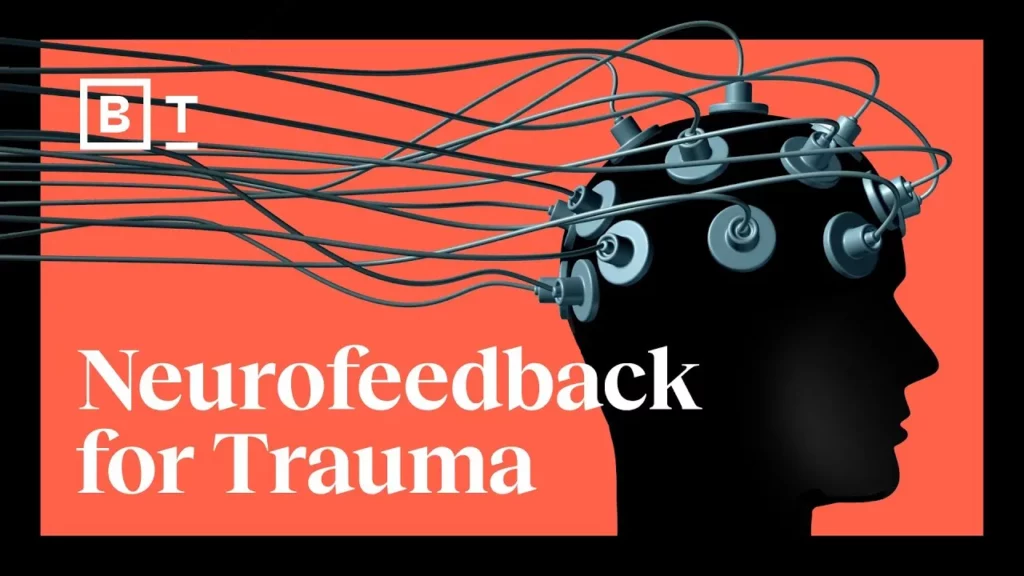
The lesson highlights the significant impact of trauma on the brain, particularly how it affects the frontal lobe, which is essential for attention and engagement. Traumatized individuals often experience heightened alertness and difficulty in everyday situations, leading to various challenges such as temper issues and relationship struggles. However, techniques like neurofeedback show promise in rewiring the brain, offering hope for healing and improved mental health, especially for vulnerable populations like children in foster care.
Harold Koplewicz: Your Brain on Ritalin

The lesson emphasizes that ADHD medications, such as Ritalin, function similarly in all individuals by increasing the availability of dopamine and norepinephrine, enhancing focus and attention. While these medications can significantly benefit those with ADHD by improving their ability to concentrate and reducing impulsivity, they also carry potential risks and side effects, particularly for those without the condition. It is essential to weigh the cost-benefit ratio of these medications to ensure they are used safely and effectively.
Is there an afterlife? Here’s what he saw while he was ‘dead’ | Bruce Greyson for Big Think

The lesson on near-death experiences (NDEs) explores their profound impact on individuals, often enhancing their spirituality and sense of interconnectedness with others and the universe. While NDEs do not provide definitive proof of life after death, they suggest that aspects of consciousness may persist beyond physical existence, prompting deeper reflections on the nature of humanity and our spiritual dimensions. Ultimately, NDEs encourage us to appreciate our connections and the mysteries of existence, enriching our understanding of life and our place within the larger tapestry of existence.
Are You Detective Material? Practice Your Visual Intelligence | Amy Herman

The lesson emphasizes the significance of perception and attention to detail in both art and real-life situations. Through the example of a painting that can be interpreted in multiple ways, the discussion highlights how differing perceptions can lead to varying interpretations, much like eyewitness testimonies in criminal cases. Ultimately, the lesson underscores that being mindful of small details can enhance our understanding and improve communication in various contexts.
Slavoj Žižek | Why Be Happy When You Could Be Interesting?

In this lesson, Slavoj Žižek critiques the conventional pursuit of happiness, arguing that it is a conformist and potentially unethical goal that often misaligns with our deeper desires. He emphasizes that true fulfillment may arise from creativity and the complexities of human desire, rather than the simplistic notion of happiness, suggesting that our aspirations are often more intricate than they appear. Ultimately, Žižek encourages a reevaluation of what it means to seek fulfillment in life.
Julia Galef: The Sunk Costs Fallacy

The lesson on the sunk cost fallacy highlights how past investments of time, effort, or money can cloud our decision-making, leading us to make choices that are not in our best interest. By recognizing that sunk costs are irrecoverable, we can focus on future outcomes and make more rational decisions that enhance our well-being and fulfillment. Overcoming this cognitive bias requires awareness and a willingness to let go of past commitments in favor of opportunities that better serve our future.
Multitasking Is a Myth, and to Attempt It Comes at a Neurobiological Cost
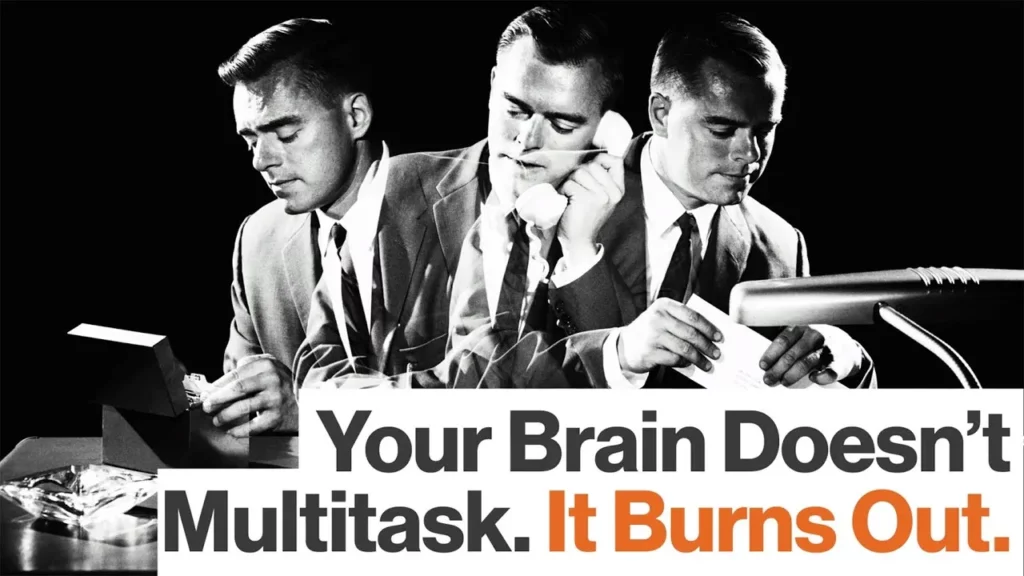
The lesson emphasizes that multitasking is a myth, as our brains are not equipped to handle multiple tasks simultaneously; instead, we rapidly switch our attention between tasks, leading to fragmented focus and decreased effectiveness. This constant task switching depletes our brain’s resources, resulting in fatigue and diminished concentration. To enhance productivity, it’s crucial to adopt strategies that promote single-tasking and self-discipline, allowing for improved focus and better management of our attention in an information-rich environment.