
The Only Way to Survive a Free Fall from Plane

This lesson explores the unlikely scenario of surviving a free fall from an airplane at 35,000 feet, emphasizing the importance of understanding free fall dynamics and survival strategies. It highlights that, unlike falling from a building, a plane fall offers more time to prepare, and shares real-life survival stories to illustrate that survival is possible with the right knowledge and techniques. Key tips include staying calm, aiming for soft landing spots, and using body positioning to control descent.
Easiest Way to Save Money Without Limiting Yourself
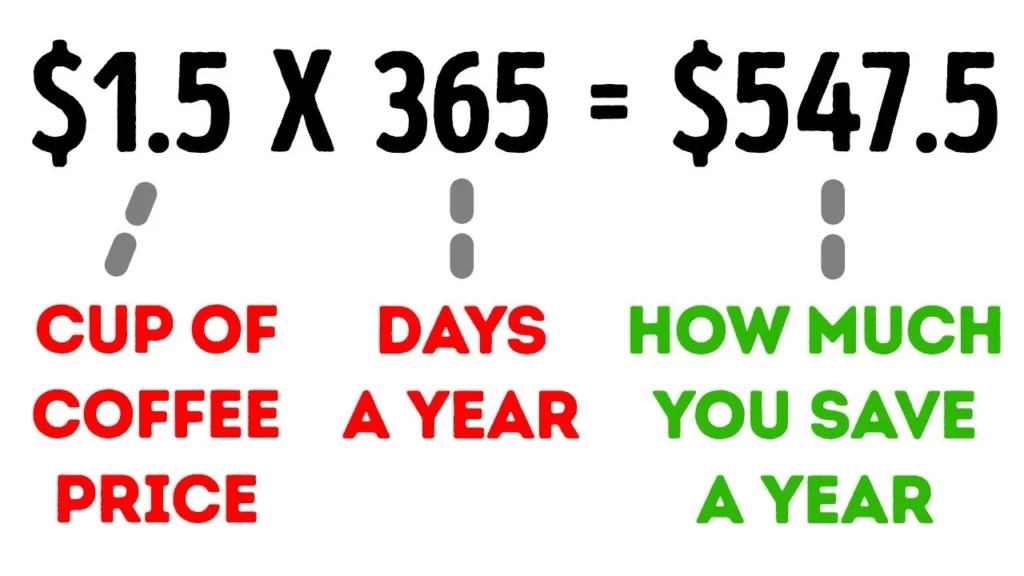
This lesson teaches Grade 8 students how to make saving money enjoyable and engaging by turning it into a game with levels, challenges, and friendly competitions. It offers various strategies, such as setting weekly savings goals, participating in savings challenges, and adopting simple habits like emptying pockets or saving $5 bills, while also emphasizing the importance of tracking expenses and smart shopping. Ultimately, the lesson encourages students to find creative and fun ways to save, making the process rewarding and motivating.
10 Mayan Secret Places That Were Hidden for Centuries
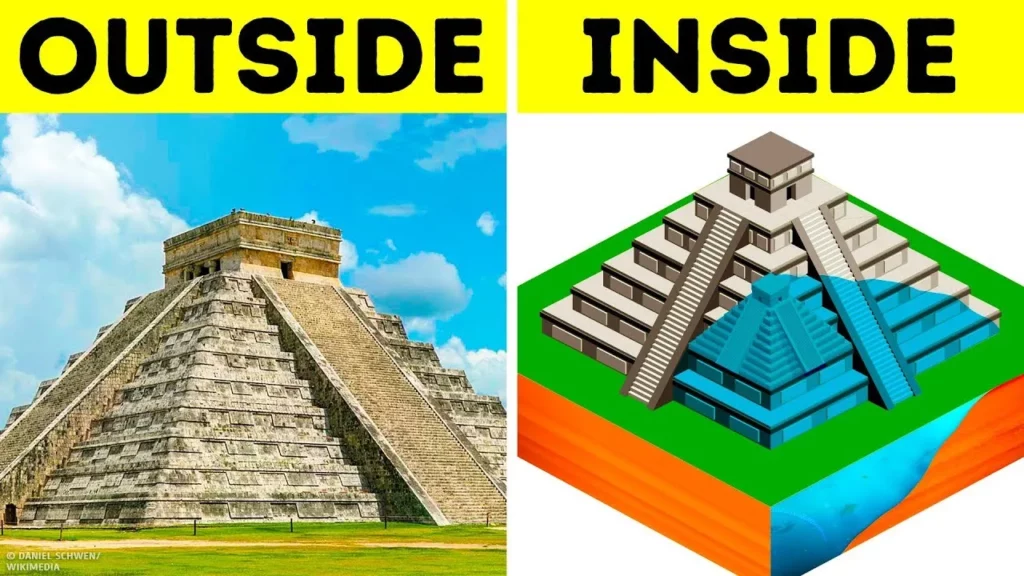
The lesson explores the remarkable achievements of the Mayan civilization, highlighting their advanced writing, mathematics, astronomy, and architectural feats, all accomplished without modern technology. Key sites such as the Temple of KuKULkan, the Balancanché Caves, and Tulum showcase the civilization’s rich history and cultural significance, inviting students to appreciate and possibly visit these incredible landmarks. Through this exploration, learners are encouraged to delve deeper into the mysteries of the Mayans and share their newfound knowledge with others.
That’s How a Toilet Works

In this lesson, we explored the fascinating mechanics of toilets, highlighting how gravity and clever design work together to facilitate flushing. We learned about the components inside the toilet tank, such as the fill and flush valves, and discovered the role of the S-bend in creating a siphon effect that efficiently removes waste. Additionally, we touched on various types of toilets and shared fun facts, emphasizing the importance of this everyday invention in maintaining hygiene and sanitation.
What Would Happen If You Swallowed a Magnet by Accident

In this lesson, we explore the fascinating world of magnets, highlighting their presence in everyday objects and the natural environment. Through a fun narrative, we imagine the experience of gaining magnetic powers and the adventures that ensue, while also emphasizing the importance of understanding magnetism as a significant force in our universe. Ultimately, the lesson encourages creativity and curiosity about the role of magnets beyond their common uses.
38 Puzzles Train You to See Like Sherlock

This lesson is a fun challenge designed to test and improve your observation skills through a series of engaging picture-based tasks. Participants earn points by identifying various discrepancies and hidden elements in the images, with a scoring system that encourages continued practice and improvement in attention to detail. At the end of the challenge, results are provided to help gauge observation abilities, motivating learners to enhance their skills further.
[NY STOCK] Why this Animal You’ll Never See at a Zoo
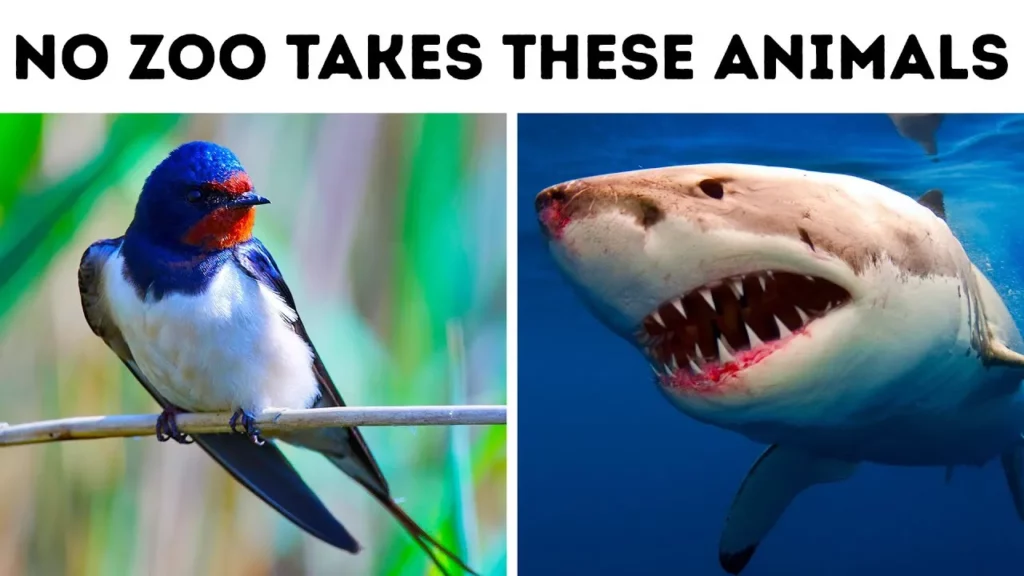
The lesson explores the intriguing characteristics and survival adaptations of unusual animals, such as the blobfish, great white sharks, and narwhals, highlighting their unique habitats and challenges in captivity. It emphasizes the importance of preserving natural environments for endangered species like the mountain gorilla and Javan rhino, as well as the mysteries surrounding deep-sea creatures like the giant squid and Mariana snailfish. Overall, the lesson underscores the need to appreciate and protect the diverse wildlife that inhabits our planet.
33 Everyday Objects Have Secrets But You’ve Failed to Pay Attention to
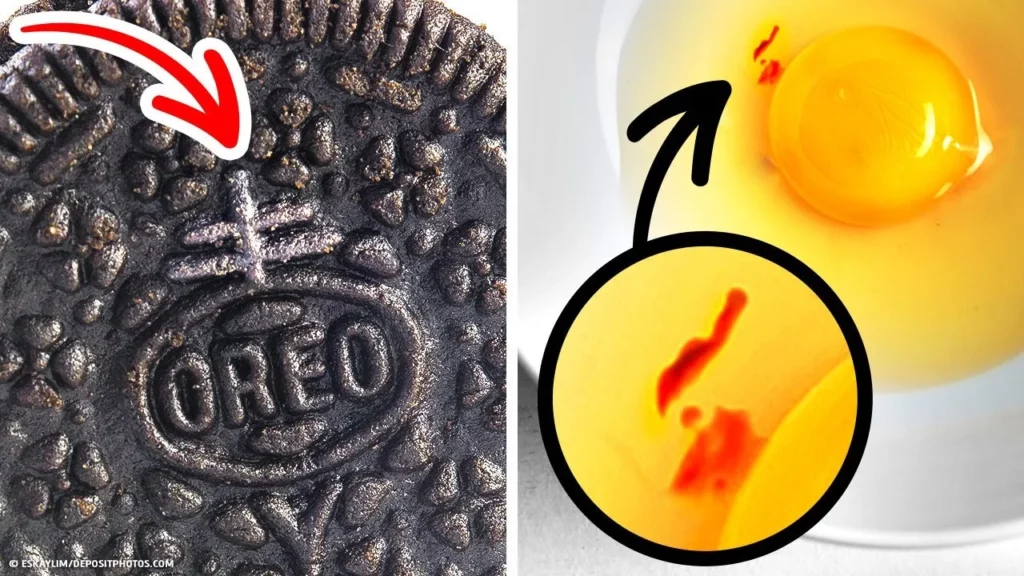
In this lesson, students explore intriguing facts and secrets about everyday items, from the surprising uniformity of Fruit Loops’ flavor to the hidden meanings in popular logos like Dell and Airbnb. The lesson also covers interesting details about common objects, such as the design of manhole covers and the origins of ketchup, highlighting the fascinating connections between food, nature, and technology. Overall, it encourages curiosity and appreciation for the world around us.
What If Number Zero Disappears for a Day

The lesson explores the significance of zero, highlighting its historical origins and its essential role in our modern world. It emphasizes that without zero, our counting system, technology, and even concepts of time would collapse, illustrating its foundational importance in mathematics and the universe. Ultimately, zero is portrayed as a crucial element that connects various mathematical concepts, including infinity, and is vital for understanding the world around us.
Why the Richest Woman In America Spent $5 a Week And Had 1 Dress

The lesson on Hetty Green, known as “The Witch of Wall Street,” highlights her unique approach to wealth and finance, emphasizing frugality over extravagance despite being one of the richest women in America. From a young age, Hetty was educated in financial matters, managing family accounts and making savvy investments, which allowed her to amass a fortune while living a remarkably simple lifestyle. Her story serves as a reminder of the value of saving and financial prudence, contrasting sharply with typical notions of wealth and luxury.