
That’s Why There Is No E in the Grading Scale
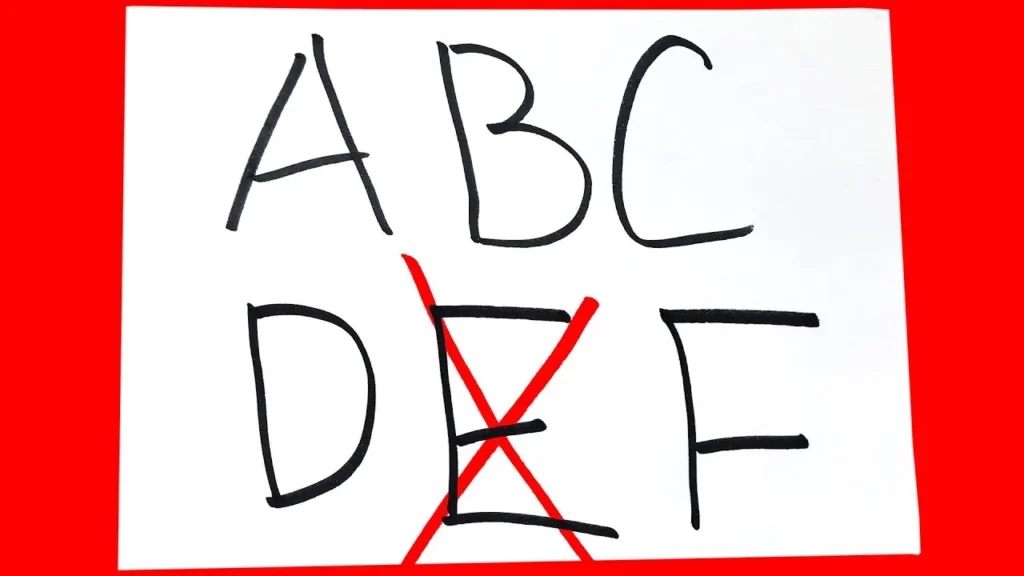
The lesson explains the absence of the ‘E’ grade in the U.S. grading system, highlighting that ‘F’ signifies failure while ‘E’ could be misinterpreted as ‘excellent.’ It also provides interesting facts about the U.S. education system, including its structure, academic year, and the significance of school sports and field trips, emphasizing the diversity and unique characteristics of schools across the country.
From the Coldest to the Maximum Possible Temperature on Earth
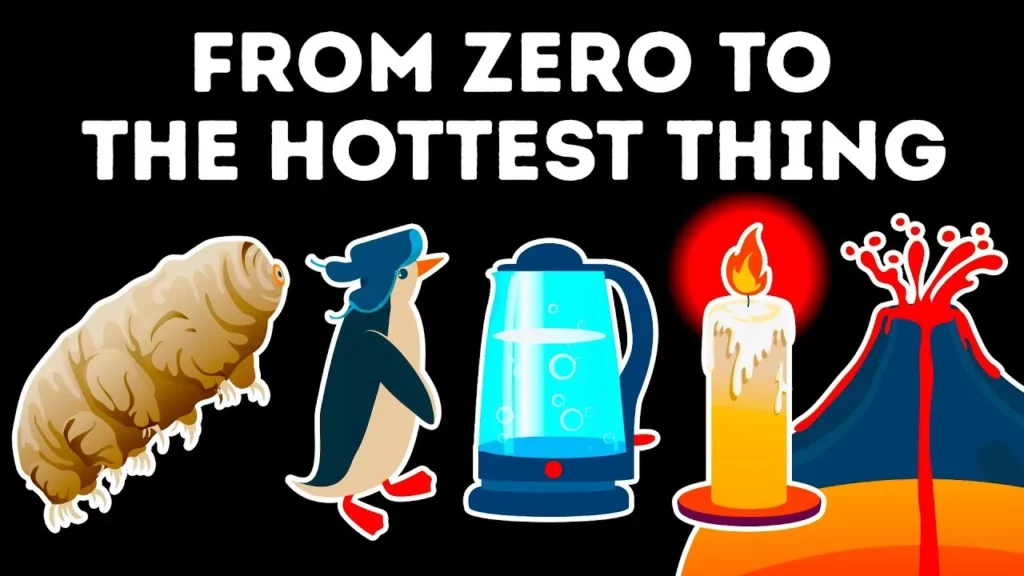
In this lesson, students embark on an exciting journey through the extremes of temperature, starting from absolute zero and moving to the hottest places on Earth and beyond. They learn about fascinating phenomena, such as the resilience of tardigrades, the boiling points of various substances, and the record-breaking temperatures achieved by scientists, including the hottest temperature ever created at CERN. This exploration highlights the incredible range of temperatures and the unique adaptations of life in extreme conditions.
If You Touch This Beetle, You’ll Regret It Instantly
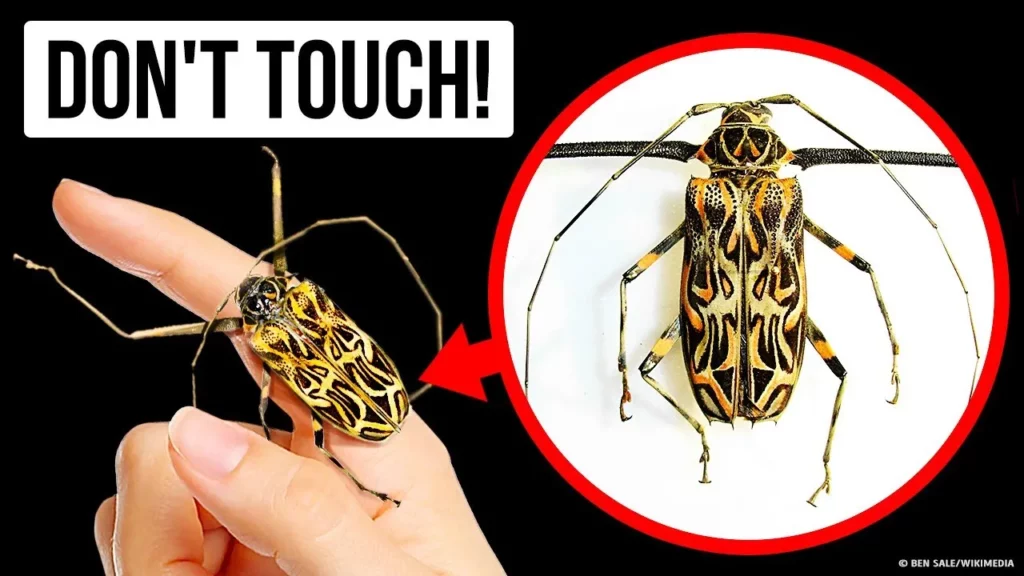
This lesson introduces various insects, highlighting their unique characteristics and potential dangers. While many, like the Harlequin beetle and Giraffe weevil, are harmless, others, such as the Asian Giant Hornet and Lonomia caterpillar, pose significant risks due to their venom or aggressive behavior. The lesson emphasizes the importance of observing these creatures from a safe distance to avoid irritation or injury.
Get 12 Riddles Right And You’re Smarter Than Me
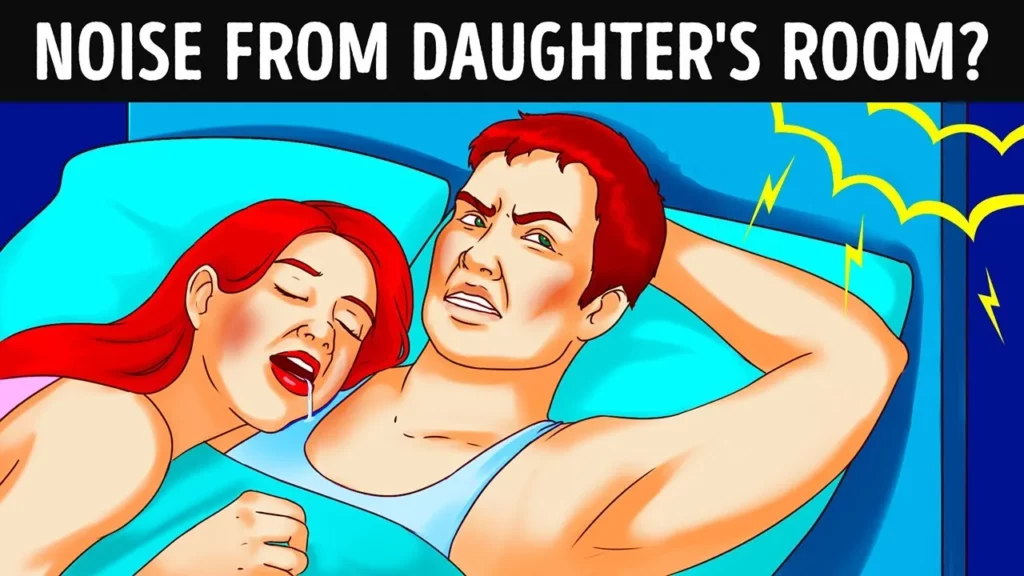
The lesson presents a series of intriguing mysteries and puzzles that challenge readers to think critically and solve problems. Each story features a unique scenario involving deception, clever clues, or unexpected twists, encouraging engagement and analytical thinking as readers attempt to uncover the truth behind each mystery. Through these narratives, the lesson emphasizes the importance of observation and reasoning in solving problems.
If You See This Snail, Slowly Back Away
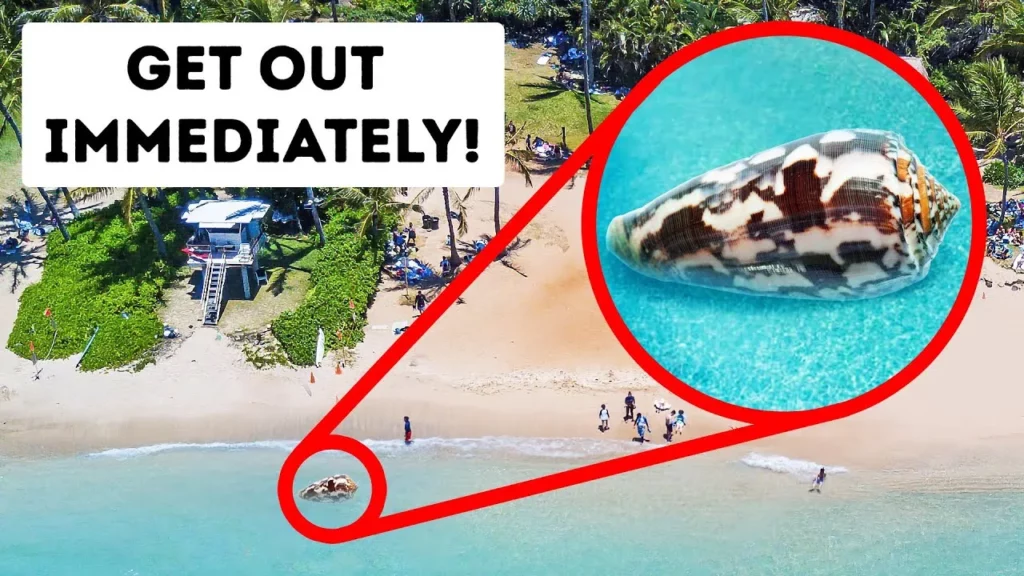
The lesson highlights various hidden dangers in both ocean and terrestrial environments, emphasizing the importance of caution when encountering seemingly harmless creatures. It discusses the venomous cone snail, freshwater snails that can contaminate water, and other threats like poison dart frogs, puffer fish, and aggressive insects. The key takeaway is to admire wildlife from a safe distance and remain vigilant to avoid potentially life-threatening encounters.
How Such Small Tires Can Land a Huge Plane
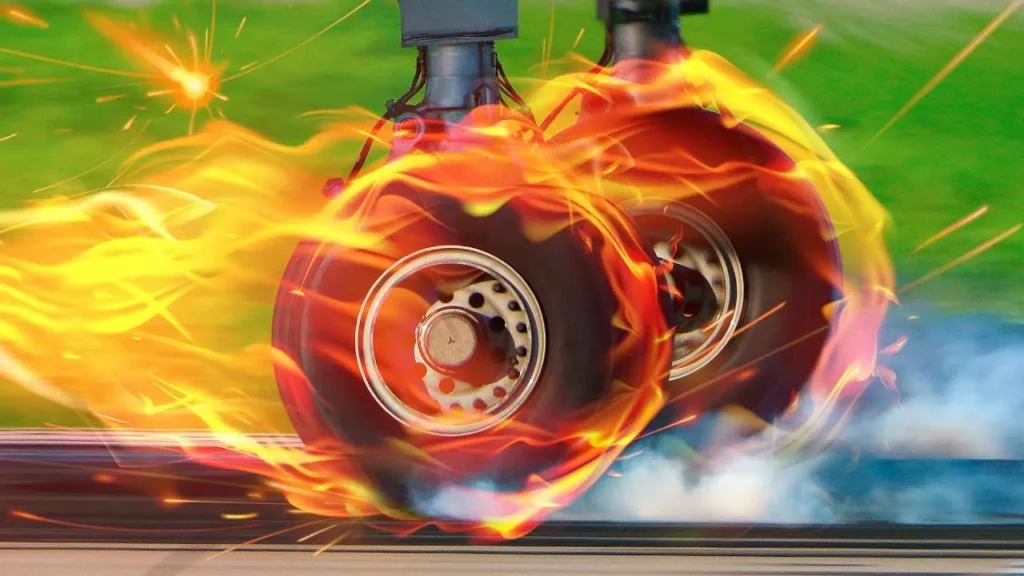
The lesson explores the fascinating engineering behind airplane tires, which are crucial for safely landing massive aircraft. Airplane tires, made from a special synthetic rubber, can support up to 38 tons and are designed to withstand high pressures and extreme conditions, ensuring safety during landings. The lesson also highlights the rigorous testing and safety measures in place to prevent issues like hydroplaning, showcasing the remarkable technology that keeps passengers safe while flying.
15 Natural Ways to Get Rid of Mosquitoes in Your Yard
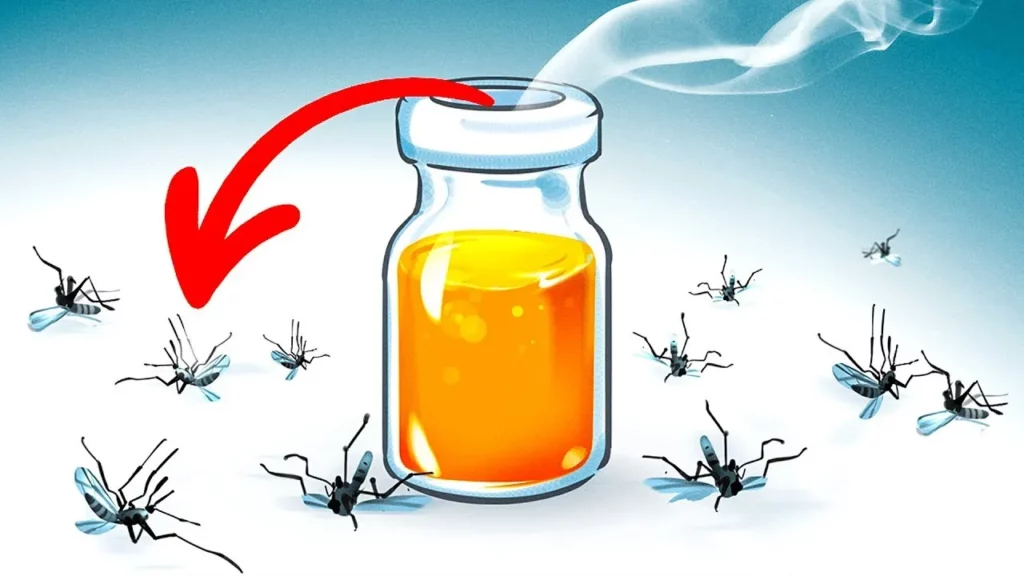
This lesson explores various natural scents that can effectively repel mosquitoes, highlighting options such as citronella, lemongrass, and peppermint. By utilizing these scents in sprays, candles, or plants, individuals can create a more enjoyable outdoor experience during the summer months while keeping pesky mosquitoes at bay. The lesson encourages readers to experiment with these natural repellents and share their own tips for a mosquito-free environment.
21 Things Hotels Should Have But Don’t
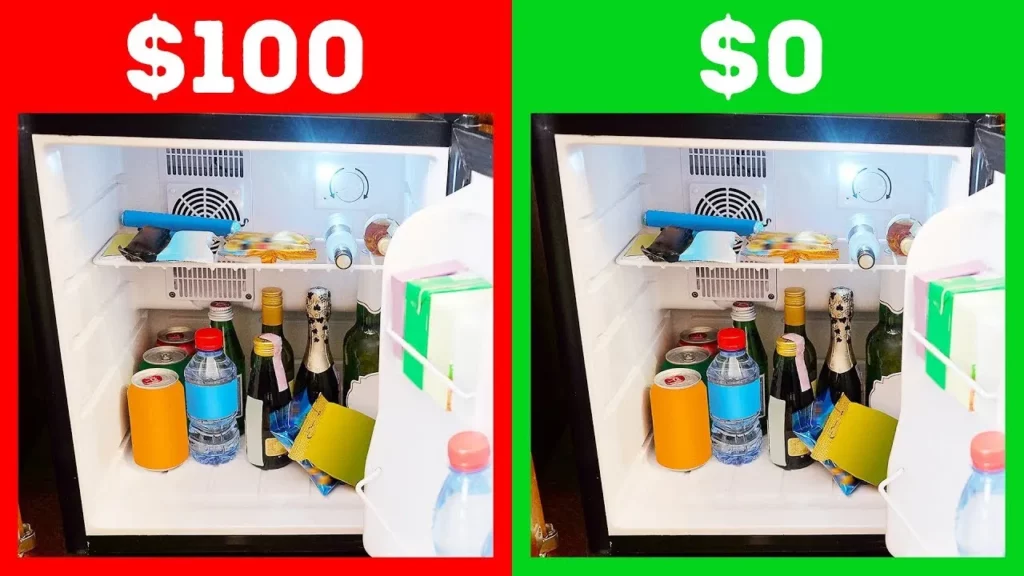
In this lesson, we explore innovative ideas that could enhance the hotel experience for travelers. Suggestions include better mini bars with customizable snacks, complimentary water, smart technology like blinds and TVs, and practical amenities such as global outlets, white noise machines, and improved toiletries. These enhancements aim to address common inconveniences and make hotel stays more enjoyable and convenient for guests.
Even a Straight-A Student Can’t Solve All 13 Riddles
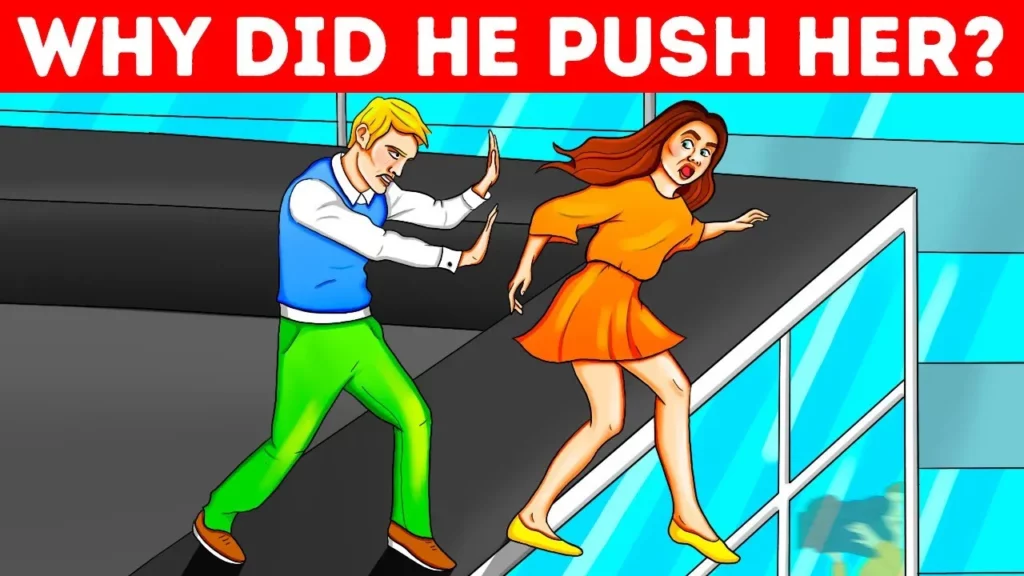
The lesson presents a series of engaging challenges and puzzles that encourage critical thinking and problem-solving skills. Each scenario, from Robert’s chocolate wrapper exchanges to Nina’s dating decision, illustrates the importance of logical reasoning and creativity in finding solutions. Through these varied examples, learners are prompted to think outside the box and apply their reasoning in fun and imaginative ways.
Here’s What To Do If You See The Red Moon
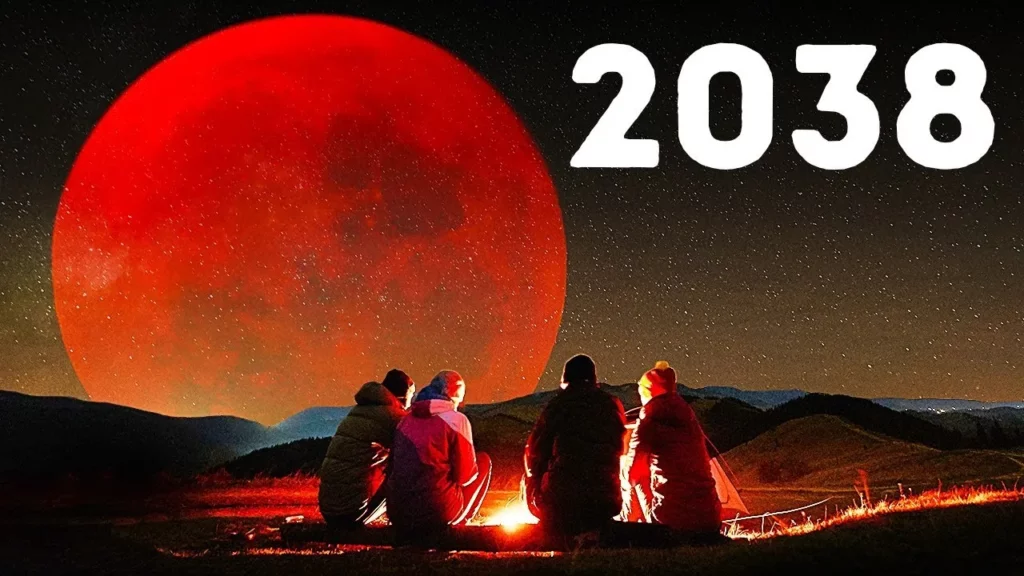
The lesson explores the captivating phenomenon of lunar eclipses, particularly total lunar eclipses, where the moon appears red due to Earth’s shadow and atmospheric scattering of sunlight. It also delves into the moon’s ancient origins, its gravitational influence on Earth’s tides, and the future of lunar exploration, including potential missions for resource extraction and space tourism. Ultimately, the moon remains a source of wonder and inspiration for humanity’s quest for knowledge and exploration.