
You Can Be Suddenly Downgraded on a Flight, Here’s Why

The lesson “Secrets of Air Travel: What Airlines Don’t Want You to Know” reveals important insights about airline practices, including the common reasons for downgrades and tips for securing upgrades. It also highlights essential travel tips, such as the best days to book flights, the importance of arriving early, and how to navigate airline policies regarding cancellations and compensation. With this knowledge, travelers can enhance their flying experience and avoid common pitfalls.
What You’d Feel in the Deepest Ocean Bottom

The lesson “Exploring the Depths: A Journey to the Mariana Trench” takes students on an imaginative dive into the deepest part of the ocean, highlighting the extreme conditions and pressures encountered at various depths. It emphasizes the importance of proper equipment and safety measures for deep-sea exploration, while also showcasing the unique life forms that thrive in such harsh environments. Ultimately, the lesson encourages responsible diving practices and an appreciation for the mysteries of the ocean.
She Survived 3 Ship Sinkings But It Didn’t Stop Her

The lesson highlights the remarkable life of Violet Jessop, known as “Miss Unsinkable,” who survived three major ship disasters: the Olympic, the Titanic, and the Britannic. Despite facing significant challenges in her early life and enduring traumatic experiences at sea, Violet’s resilience and determination led her to continue working as a stewardess on cruise liners until her retirement in 1950. Her story serves as an inspiring testament to courage in the face of adversity.
Why the Earth’s Core Is Hotter Than the Sun

This lesson explores the intriguing mysteries of Earth’s core, revealing that the inner core is a solid ball primarily composed of iron, with a temperature reaching around 9,800 degrees Fahrenheit. Scientists utilize seismology to study the core’s structure, discovering a solid inner core and a molten outer core, while ongoing research aims to uncover the presence of other elements, such as sulfur, within this hidden realm. Overall, the lesson emphasizes the complexity and significance of Earth’s core in understanding our planet’s composition and history.
Start Carrying a Crayon in Your Wallet, Here’s Why

This lesson provides essential travel tips to ensure a fun and safe adventure, emphasizing the importance of packing practical items like a crayon for communication and organization. It covers various clever hacks, such as using duct tape to deter thieves, keeping your toothbrush clean with a clothes peg, and waterproofing shoes with candle wax. With these insights, travelers can enhance their experience and navigate challenges more effectively.
How to Choose the Perfect Dog Breed Just for You

This lesson provides guidance on selecting the ideal dog breed based on individual lifestyles and preferences. It categorizes dogs into various types, such as guard dogs, family-friendly dogs, athletic dogs, and more, highlighting specific breeds that suit each category. Ultimately, the lesson emphasizes that there is a perfect canine companion for everyone, regardless of their living situation or activity level.
What Happened to the Iceberg After It Sank Titanic?
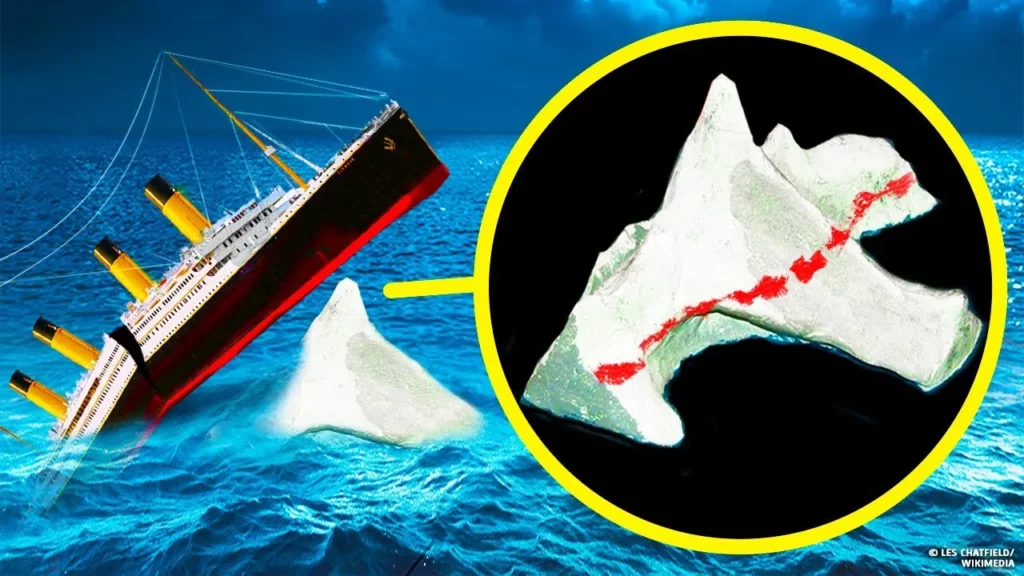
The lesson recounts the journey of a massive iceberg that broke off a glacier in Greenland and ultimately collided with the Titanic during its maiden voyage in April 1912. Despite the Titanic’s reputation as an unsinkable ship, the iceberg’s presence, combined with factors like calm weather and poor visibility, led to a catastrophic collision that resulted in the ship sinking. This tragedy serves as a poignant reminder of nature’s power and the limitations of technology in ensuring safety at sea.
That’s How Cruise Ships Can Stay Upright in Any Weather
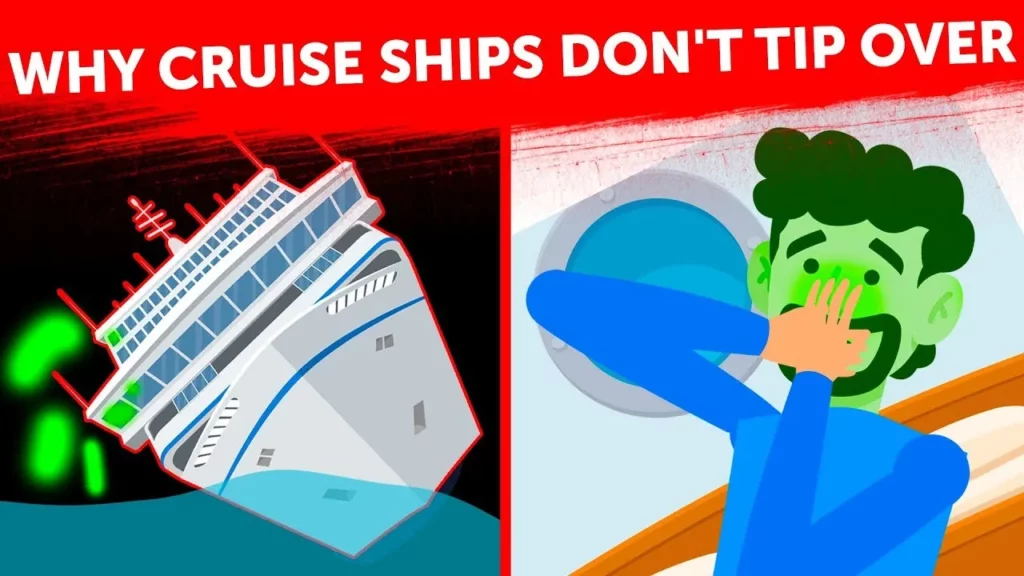
The lesson explores the fascinating engineering behind cruise ships, particularly focusing on the Symphony of the Seas, the world’s largest cruise ship. It explains how these massive vessels remain stable and buoyant through their wide hull design, low center of gravity, and advanced stability features, allowing them to handle rough seas and large passenger loads without tipping over. Additionally, the lesson highlights the safety measures taken by cruise ships to navigate bad weather and assist others in distress at sea.
29 Harmless Things You Can’t Take on a Plane

This lesson provides essential travel tips on what items are permissible and prohibited when flying. It emphasizes the importance of knowing specific restrictions, such as leaving behind items like nail polish, mercury thermometers, and sharp objects, while also highlighting exceptions for necessary medications and certain liquids. By following these guidelines, travelers can ensure a smoother and more enjoyable flying experience.
Why Lights at Plane Wings Are Different

This lesson explains the purpose and significance of the different colored lights on airplanes, specifically navigation lights that help pilots identify the positions and movements of other aircraft. It also covers various other important lights on planes, such as beacon, landing, and strobe lights, as well as interesting features like emergency hooks and cabin dimming during take-off and landing. Additionally, the lesson touches on safety aspects of flying, including the ability of planes to withstand lightning strikes and the presence of crew rest areas.