
What If Titanic Escaped the Iceberg at the Last Minute
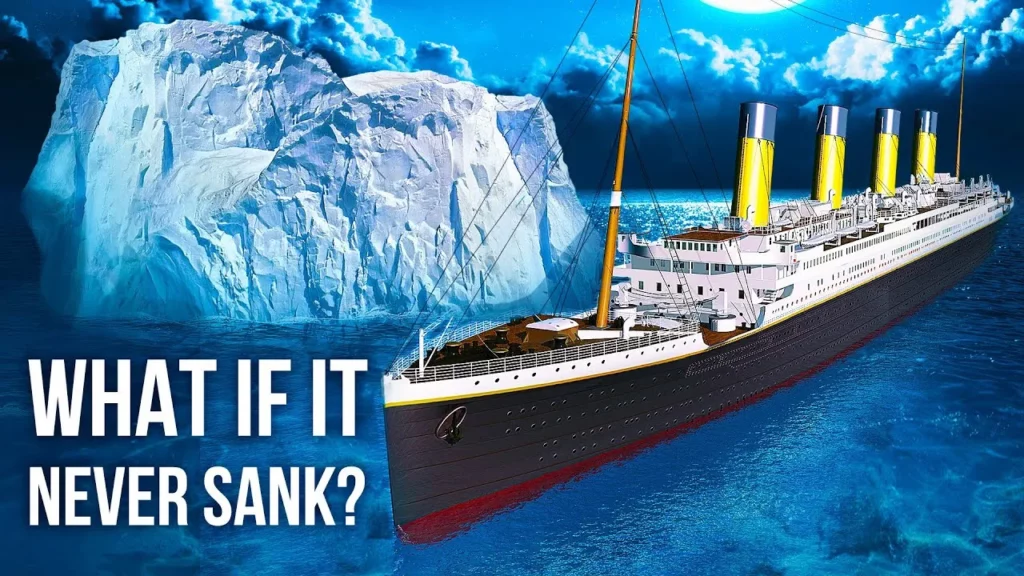
In this lesson, students embark on a hypothetical adventure aboard the Titanic, exploring its first voyage from Southampton to New York in April 1912. The narrative highlights key moments, including a near-collision with another ship and a close encounter with an iceberg, ultimately leading to a safe arrival in New York. The lesson concludes by imagining a successful legacy for the Titanic, emphasizing its potential impact on maritime travel had it continued its journeys without incident.
Unusual Foods You’d Have for Breakfast Around the World

The lesson “Exploring Breakfasts Around the World” highlights the diverse breakfast traditions from various countries, showcasing unique dishes and ingredients that reflect cultural preferences. From India’s chickpea curry to Japan’s savory rice and soup, each breakfast offers a glimpse into the local cuisine and customs. This exploration encourages appreciation for global culinary diversity and invites participants to consider trying new breakfast experiences.
20 Things Flight Attendants Can’t Do at Any Price

The lesson highlights the essential role of flight attendants in ensuring passenger safety and comfort during flights, emphasizing their adherence to strict guidelines and professionalism. Key responsibilities include maintaining hygiene and appearance, demonstrating proper behavior and conduct, prioritizing safety and security, and adhering to various limitations and restrictions. Overall, the lesson underscores the dedication and hard work of flight attendants in creating a safe and enjoyable flying experience for passengers.
What to Do If You’re in Fire Tornado Path Suddenly

In the lesson “Surviving a Fire Tornado: A Wild Adventure,” readers are taken through a dramatic scenario where a fire tornado unexpectedly disrupts a peaceful day. The narrative emphasizes the urgency of finding shelter and the importance of staying low to avoid smoke and debris, illustrating the destructive power of nature and the necessity of preparedness in the face of such disasters. Ultimately, it serves as a reminder of the chaos that can ensue during extreme weather events and the resilience required to survive them.
Why Ships Are Red Below the Waterline
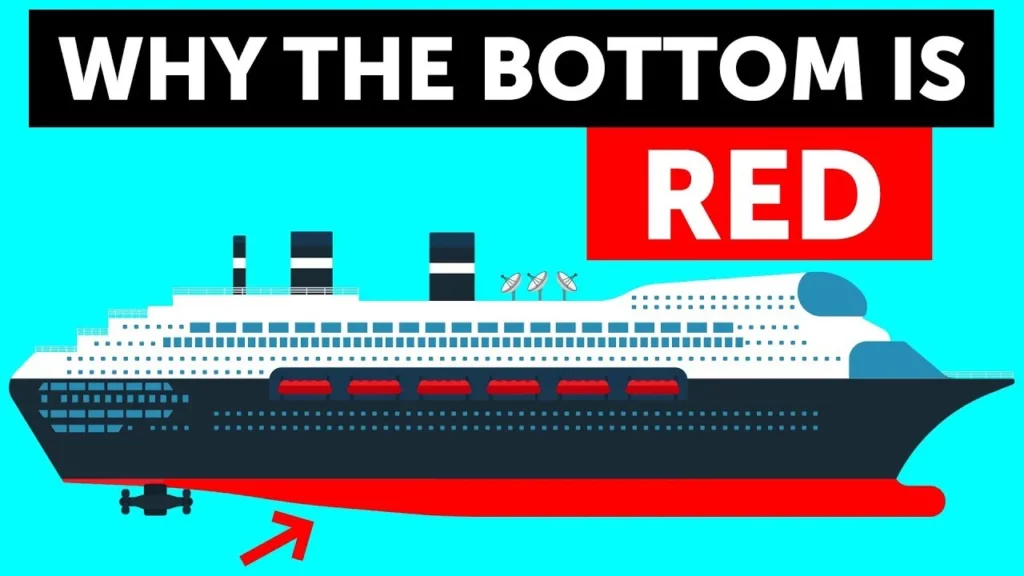
The lesson explains that the red paint on ship hulls originated from the use of copper paint to protect wooden ships from marine pests, a tradition that continues today for both aesthetic and practical reasons. The red color helps highlight important weight indicators on the hull, ensuring safety. Additionally, the lesson shares fascinating facts about ships, including their role in global cargo transport and the unique features of cruise ships, which function like floating cities.
If You Find This Tiny Thing in Your Hotel Room, Check Out Immediately

This lesson provides valuable insights for enhancing your hotel stay experience, emphasizing the importance of checking availability directly with the hotel, understanding the variability of star ratings, and leveraging flexibility in booking for potential discounts. It also highlights practical tips for check-in, room safety, cleanliness, and handling cancellations, encouraging guests to be courteous to staff for better service and to be mindful of their belongings during their stay.
What Would Happen If the Titanic Met the Kraken?
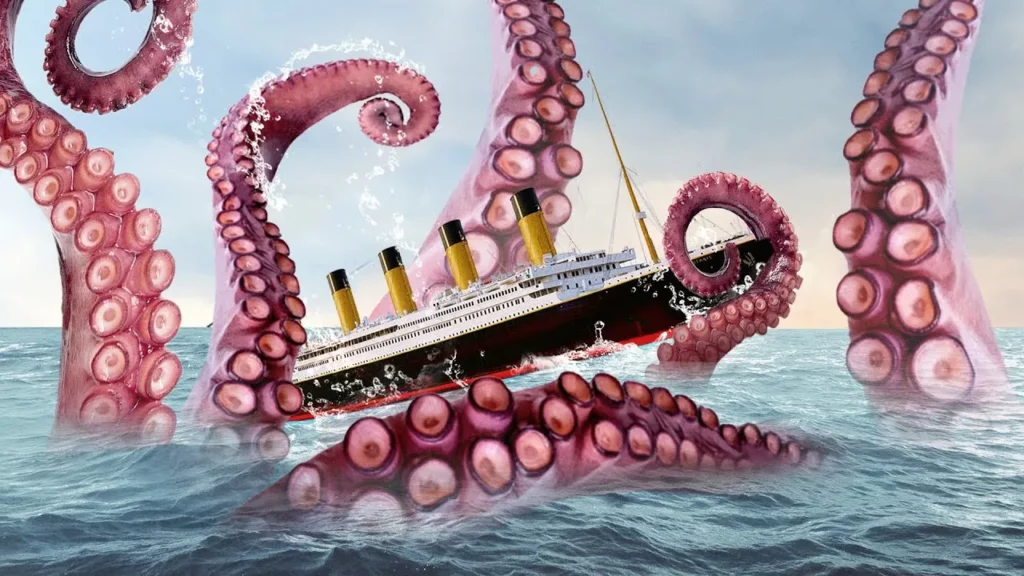
The lesson explores the legendary tale of the Titanic, highlighting its tragic sinking after colliding with an iceberg, while introducing a fantastical twist involving a kraken. This imaginative narrative emphasizes the unpredictability of nature and the importance of preparedness in the face of unforeseen challenges. Ultimately, it serves as a reminder to respect the powerful forces of the natural world.
What If the Titanic Sank Today

The lesson discusses the evolution of sea travel safety since the Titanic disaster, highlighting the significant improvements in technology and regulations that have made modern maritime travel much safer. It explains how the Titanic sank due to a combination of human error, inadequate safety measures, and miscommunication, while contrasting it with contemporary practices that ensure sufficient lifeboats, constant radio communication, and advanced monitoring of icebergs. Ultimately, the lesson reassures that, despite the potential for accidents, sea travel today is far safer than in the past, encouraging people to embrace cruising without fear.
65+ Body Facts I Had to Watch Twice to Believe
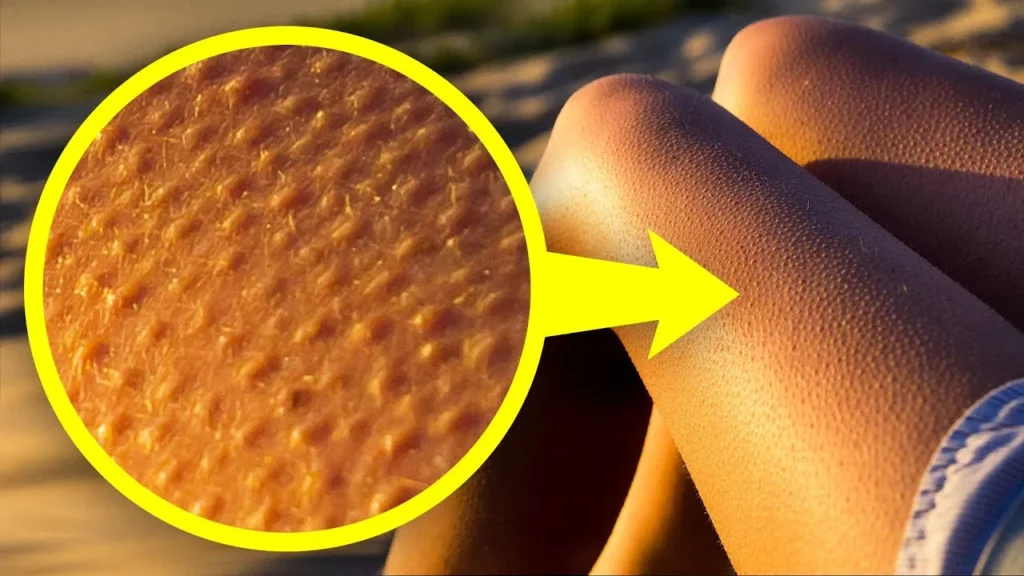
The lesson “Exploring the Wonders of the Human Body” delves into the fascinating and complex features of the human body, highlighting unique facts such as the evolutionary purpose of goosebumps, the brain’s extensive use, and the body’s remarkable ability to regenerate. It dispels common myths, such as the misconception about brain usage, and provides intriguing insights into our senses, organs, and cellular structure, emphasizing the incredible intricacies that sustain human life. Overall, the lesson celebrates the human body’s extraordinary capabilities and the science behind its functions.
Put an Onion in Your Sock Before Bed, Wake Up to This!
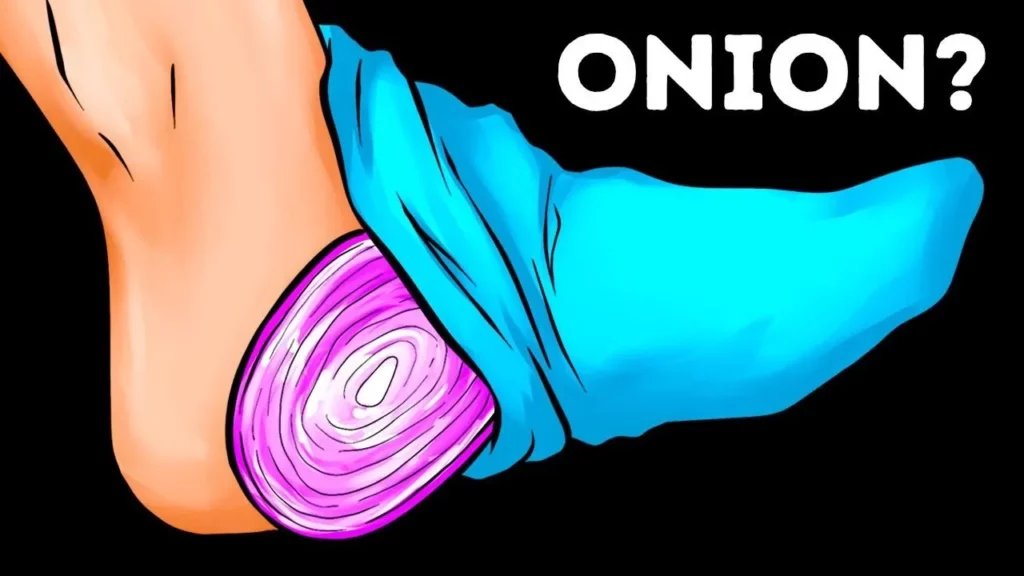
In “A Weekend at Grandma’s: Fun Remedies and Surprising Tricks,” the narrator spends a weekend with their grandmother, who employs a variety of folk remedies to address common ailments. From placing onions in socks to alleviate cold symptoms to using a tennis ball to prevent snoring, Grandma’s unconventional methods showcase her resourcefulness and the wisdom of traditional remedies, including natural solutions for hiccups, hair care, and muscle relief. The lesson highlights the charm of generational knowledge and the comfort found in simple, home-based solutions.