
Einstein’s Proof of E=mc²
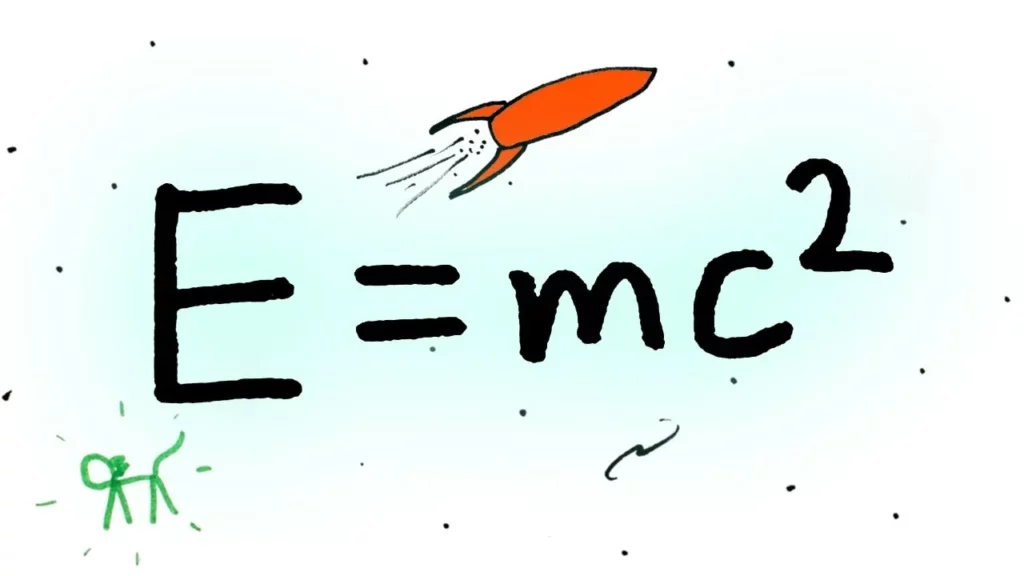
In this lesson, we explore Albert Einstein’s iconic equation E=mc², which emerged from his work on special relativity in 1905. Using a thought experiment involving a cat in space, we illustrate how the emission of light affects the cat’s energy and mass, ultimately demonstrating the profound relationship between energy and mass. This equation reveals that mass can be converted into energy and vice versa, highlighting the foundational principles of physics and Einstein’s remarkable insights.
Higgs Boson Part III: How to Discover a Particle

The lesson “Discovering Particles: The Journey from Theory to Reality” explores the intricate process of confirming theoretical predictions in particle physics, exemplified by the discovery of the Higgs boson in 2012. It highlights the importance of the Large Hadron Collider (LHC) in conducting millions of collisions to meet the stringent criteria for scientific discovery, emphasizing that a confirmed particle represents a significant achievement in validating theoretical models. Ultimately, the lesson underscores the rigorous standards required in the field, transforming theoretical concepts into established scientific facts.
I Had to Build a Custom Mute Switch for my Violin

In this lesson, the author shares their experience of building a dual-channel mute pedal to address the challenges of amplifying a fiddle in a bluegrass band. The project involved gathering materials, understanding basic circuitry, and assembling the pedal to mute both a microphone and a pickup simultaneously, ultimately resulting in a functional and cost-effective solution tailored to their needs. The author encourages others to explore similar DIY electronics projects for both educational and practical benefits.
Why Do We Put Telescopes in Space?

The lesson explains the importance of sending telescopes into space to avoid the interference caused by Earth’s atmosphere, which can block light and distort images of celestial objects. By positioning telescopes beyond the atmosphere, astronomers can capture clearer and more detailed observations of the universe, despite the challenges and costs associated with launching and maintaining these instruments. The lesson highlights the significant benefits of space telescopes, such as the ability to observe the universe continuously and produce stunning images, exemplified by the work of the James Webb Space Telescope.
Why Are Airplane Engines So Big?

The lesson discusses the evolution of jet engines, highlighting that their increasing size is primarily driven by the need for greater efficiency rather than the size of the aircraft itself. Modern jet engines utilize a dual system of a jet core and a fan to optimize thrust, emphasizing that accelerating a larger volume of air at lower speeds is more efficient than expelling a small amount at high speeds. Ultimately, the ideal engine size is suggested to be around four meters in diameter, balancing efficiency and drag as jet engines continue to evolve.
Where is the True North Pole?

The lesson explores the concept of the North Pole, highlighting that there are actually different types: the Geographic North Pole, the Magnetic North Pole, and the Geomagnetic North Pole. Each pole has its own significance, with the Geographic North Pole marking Earth’s rotational axis, the Magnetic North Pole guiding compasses, and the Geomagnetic North Pole influencing solar wind and auroras. Additionally, all these poles are in constant motion, making them intriguing subjects for study.
Aliens: Are We Looking in the Wrong Place?
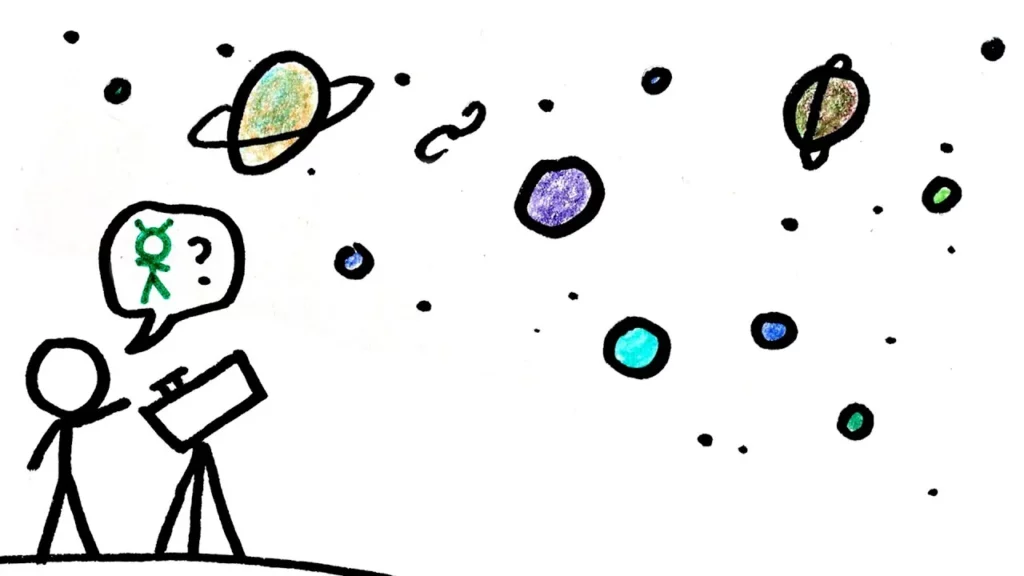
The lesson explores the search for extraterrestrial life, challenging the notion that only “earth-like” planets can support life. It emphasizes that statistical reasoning suggests intelligent life may be more likely found on planets that differ significantly from Earth, potentially leading to larger, less populous species. Consequently, the lesson advocates for a shift in search strategies to include planets that are smaller, darker, and hazier than our own, rather than solely focusing on those resembling Earth.
The Problem With The Butterfly Effect
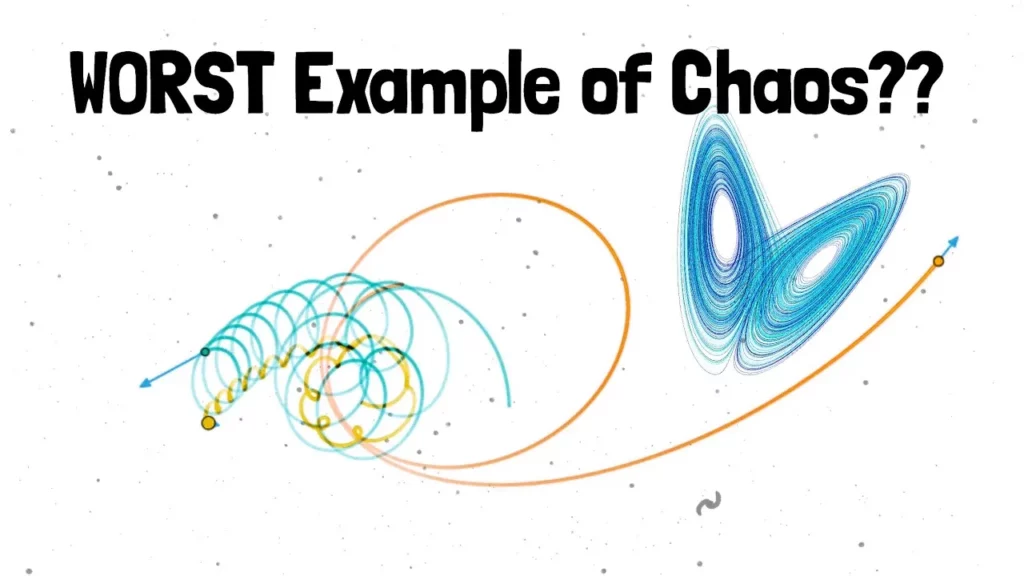
The lesson explores the butterfly effect, a popular but oversimplified concept in chaos theory that suggests small changes can lead to significant outcomes, like a butterfly causing a tornado. It emphasizes that chaotic systems are complex and sensitive to initial conditions, and that the butterfly effect misrepresents causality by implying direct links between causes and effects. Instead, the lesson introduces the “too many butterflies” effect to illustrate the unpredictability and intricate nature of chaos, highlighting the importance of understanding the complexities of these systems.
The Brown Dwarf Debate
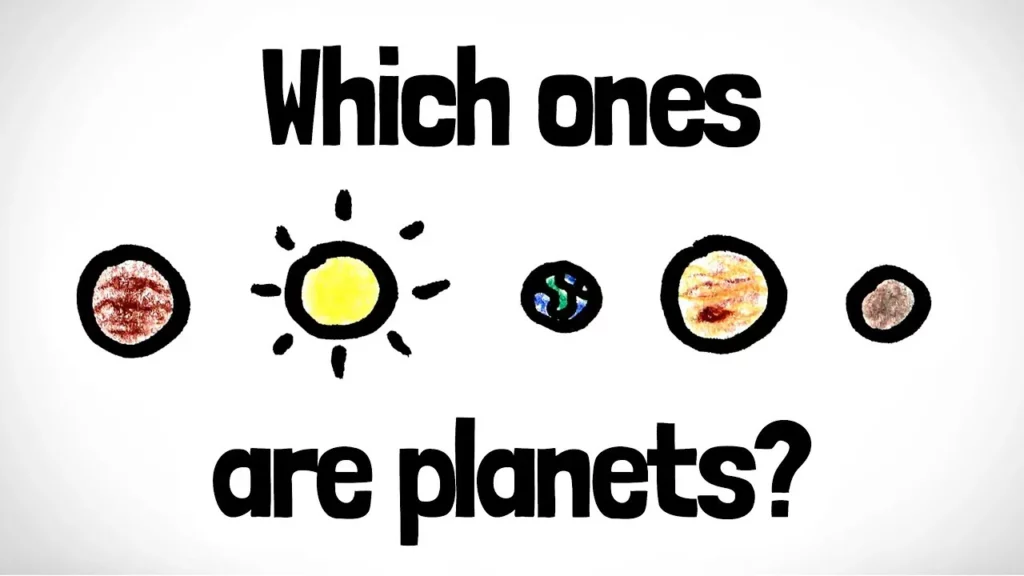
The lesson on brown dwarfs explores their classification as “failed stars,” highlighting their inability to sustain hydrogen burning despite being large enough to burn deuterium. It emphasizes that while deuterium burning is not a clear distinguishing factor, other characteristics such as movement, formation processes, and metallicity effectively differentiate brown dwarfs from gas giants. The lesson also discusses the role of the James Webb Space Telescope in studying these intriguing celestial objects, enhancing our understanding of their nature and formation.
How Do Bikes Stay Up?

This lesson explores the intriguing science behind self-balancing bicycles, revealing that their stability is not solely due to angular momentum or forward momentum, but rather a combination of factors including steering axis tilt, weight distribution, and the gyroscopic effect. It highlights common misconceptions about bicycle balance and explains how a bike’s ability to self-correct when leaning is essential for maintaining stability. Despite advancements in understanding these mechanisms, the exact combinations that enable self-balancing remain a captivating mystery in the fields of physics and engineering.