
Can We Survive Curiosity?
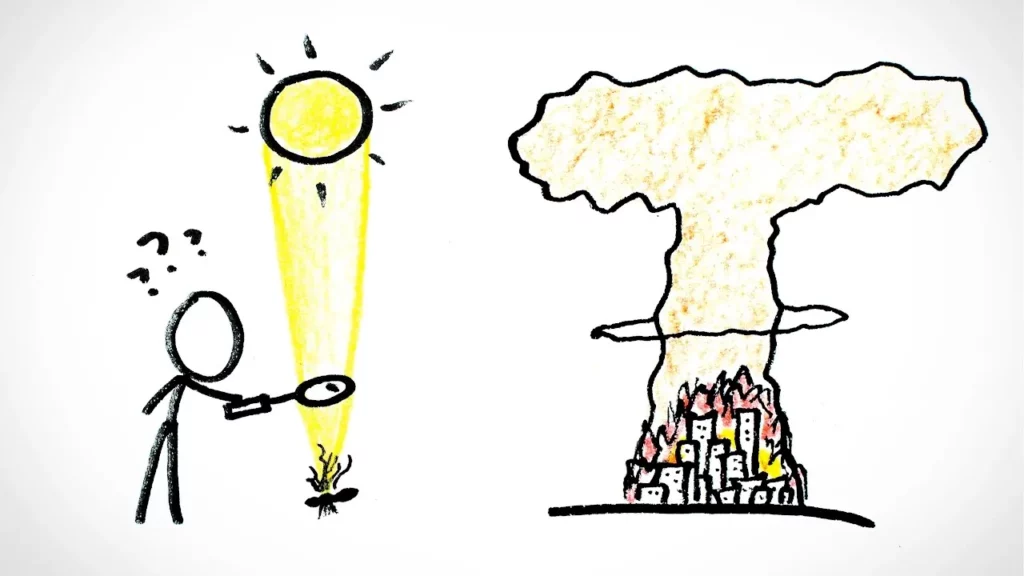
In “The Unbreakable Bond with Curiosity,” Henry Reich explores the dual nature of curiosity as both a powerful ally and a challenging companion. While curiosity fuels learning, adventure, and discovery, it also prompts uncomfortable truths and moral dilemmas. Ultimately, Reich emphasizes that while curiosity can lead to transformative possibilities, it is our responsibility to navigate its influence wisely.
Correlation CAN Imply Causation! | Statistics Misconceptions
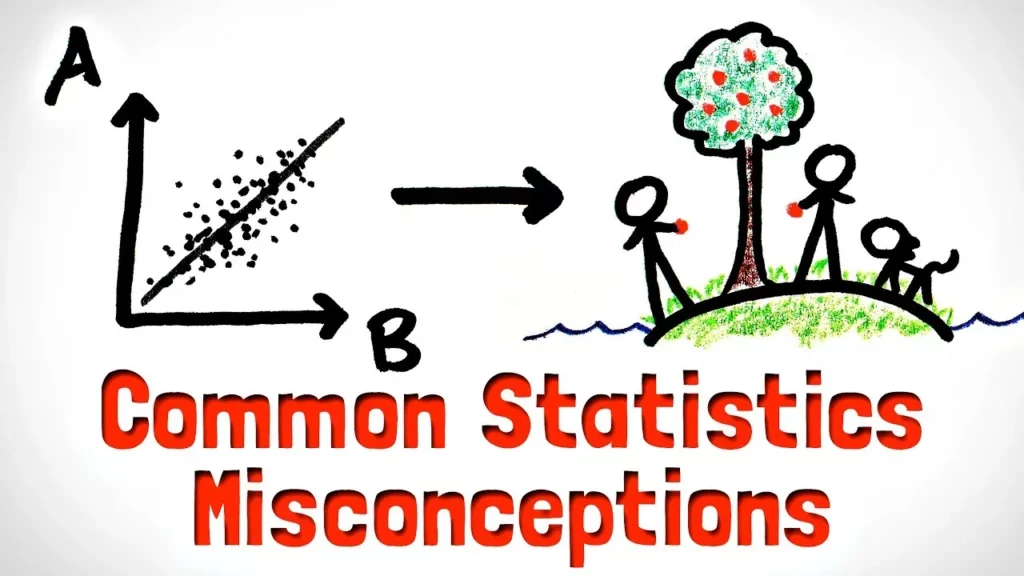
The lesson explores the distinction between correlation and causation in statistics, emphasizing that while correlation does not imply causation, it can suggest underlying relationships when analyzed with additional information. Using the example of the correlation between height and cat ownership, the lesson illustrates how multiple correlations can help infer causality, while also acknowledging the complexities introduced by quantum mechanics. Ultimately, it highlights the importance of careful evaluation in understanding statistical relationships.
2012 Nobel Prize: How Do We See Light?
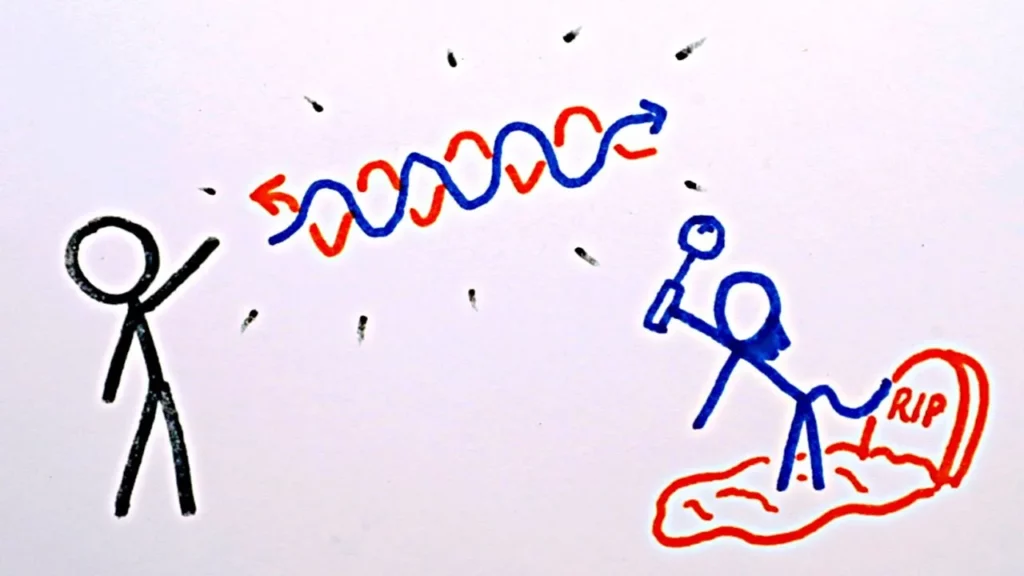
The lesson explores the challenges of observing light without destroying it, highlighting the concept of non-destructive testing. By using atoms in a superposition state to detect the presence of photons in a highly reflective, cold environment, scientists can infer the existence of light without absorbing it. This innovative approach not only allows for the detection of photons but also enables manipulation of their properties, leading to intriguing possibilities in quantum mechanics, such as the concept of Quantum Catception.
How Do We Know The Universe Is ACCELERATING?

The lesson explores the concept of the expanding universe, highlighting how astronomers use light from distant galaxies to measure their speed and distance, which reveals the universe’s expansion dynamics. Recent findings indicate that this expansion is accelerating, a phenomenon attributed to the mysterious force known as dark energy. Ongoing research, including future projects like NASA’s WFIRST, aims to further investigate dark energy and its implications for the universe’s fate.
Is There Poop on the Moon? ft. Smarter Every Day
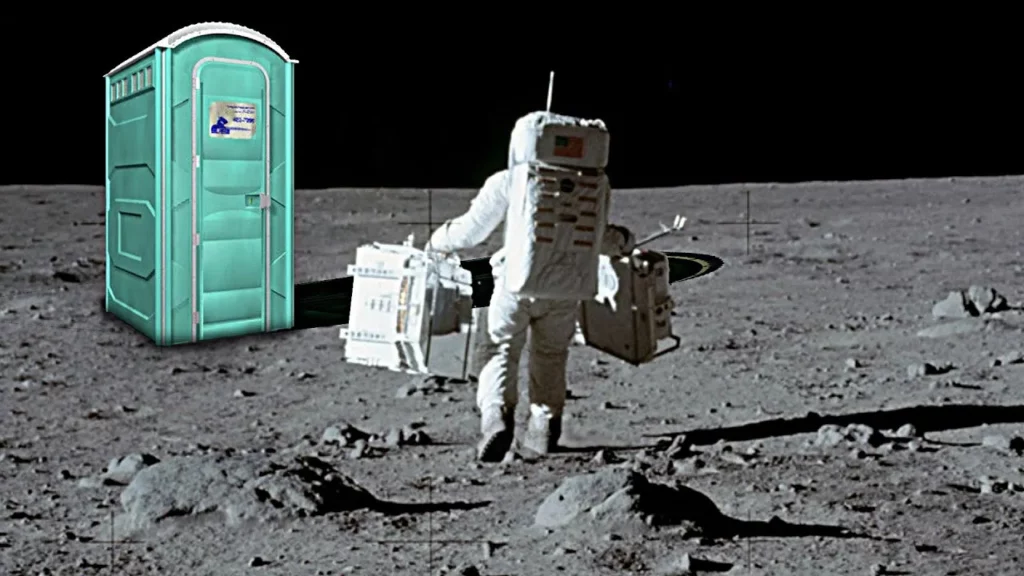
The lesson “Exploring Space: The Unseen Side of Astronaut Life” highlights the often-overlooked aspects of space travel, particularly how astronauts manage basic bodily functions in a confined environment. It details the unique systems used for urination and defecation, such as the urine transfer system and the fecal collection assembly, and discusses the implications of these actions on spacecraft trajectory. Additionally, it touches on the limitations faced during lunar missions, including the necessity to leave behind waste and other items due to weight constraints, while also noting advancements in modern space toilet technology.
Ring AROUND the Earth?
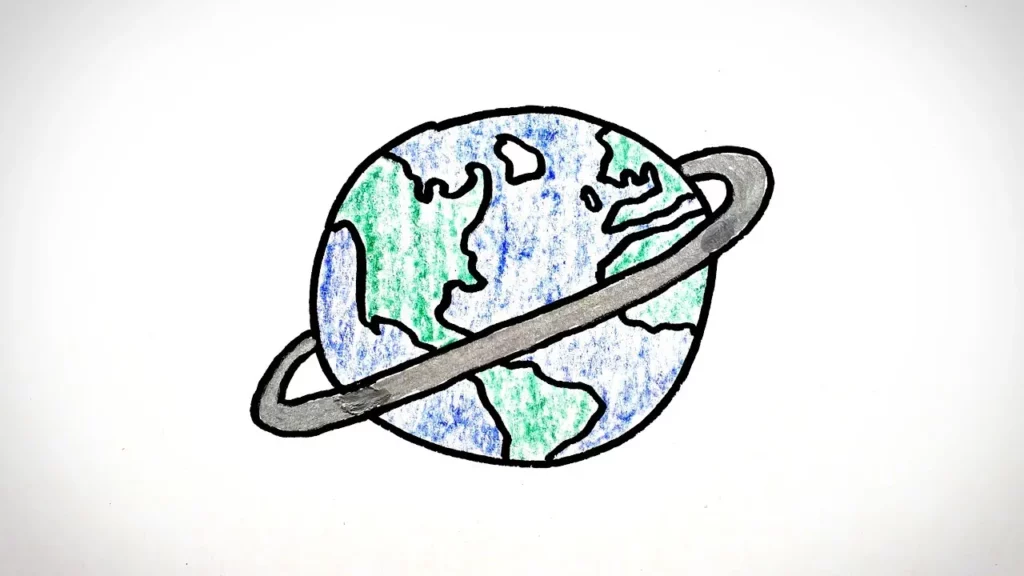
In this lesson, we explore the intriguing question of what would happen if a giant ring were built around the Earth and its supporting poles were removed. The concept of symmetry breaking is introduced, explaining that if the ring is strong enough, it could potentially “hover” in place due to balanced forces, while a weaker ring might buckle and collapse. The lesson also touches on the idea of spinning, linking it to the Earth’s rotation, and encourages further exploration of related topics.
How Airplanes Are Made
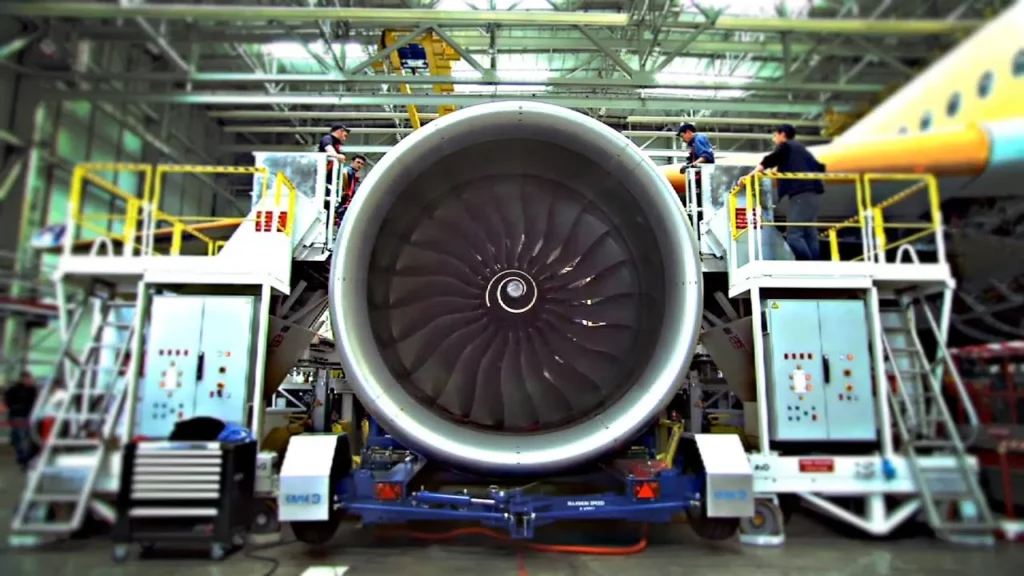
The lesson explores the intricate process of building a modern airplane, specifically the Airbus A350, highlighting the extensive design, testing, and manufacturing phases involved. It emphasizes the collaboration of specialized engineers who ensure safety and efficiency through rigorous testing and innovative materials, ultimately allowing for rapid air travel. The journey from design to delivery showcases the complexity and dedication required to create these remarkable machines.
Where Does Complexity Come From? (Big Picture Ep. 3/5)
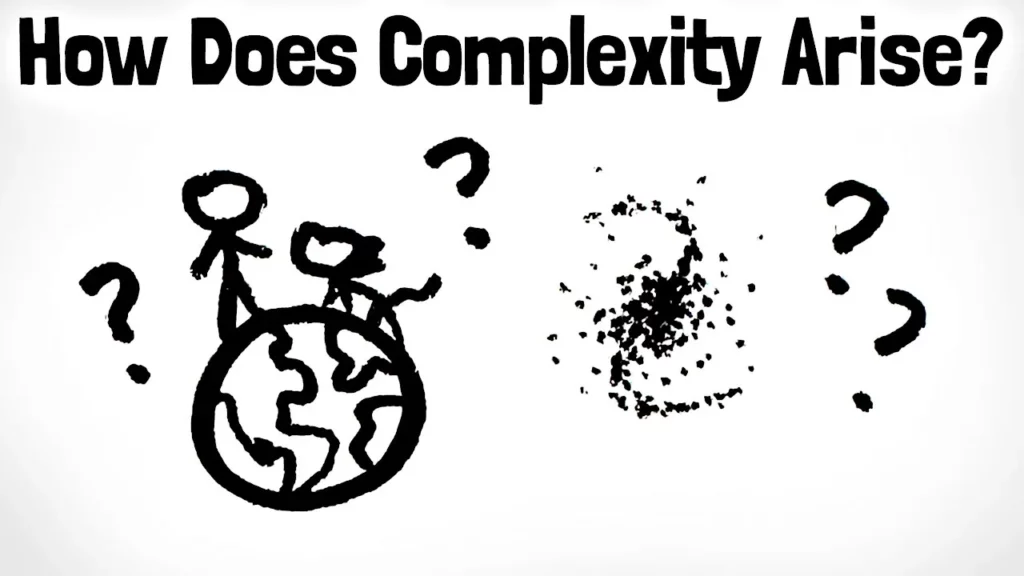
The lesson explores the relationship between entropy and complexity in the universe, highlighting how systems evolve from simplicity to complexity and back to simplicity over time. Using the analogy of mixing coffee and milk, it illustrates how entropy increases as the mixture becomes more intricate, reflecting the universe’s journey from a low-entropy state to a peak of complexity with stars and life, before eventually returning to a high-entropy, simple state. This understanding emphasizes the dynamic nature of the universe and the transient existence of organized structures within it.
How Entropy Powers The Earth (Big Picture Ep. 4/5)
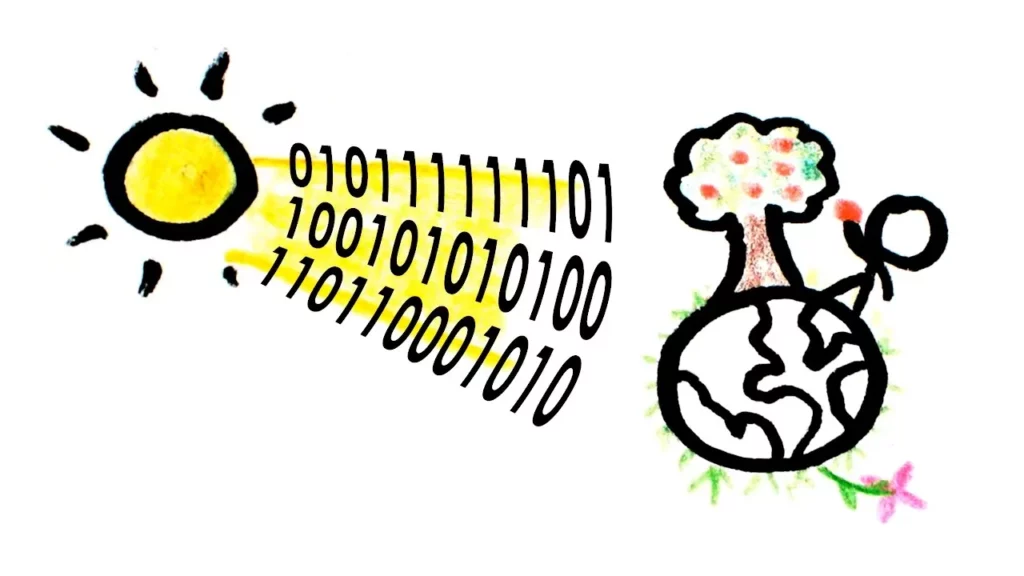
This lesson explores the concepts of energy and entropy, emphasizing the distinction between useful low-entropy energy and useless high-entropy energy. It highlights how the sun provides energy in a low-entropy form, which is essential for life on Earth, while also explaining how energy transforms and becomes less useful over time. The lesson aims to inspire curiosity about science and its fundamental principles, particularly through the lens of time and entropy.
The Physics of Caramel: How To Make a Caramelized Sugar Cube

The lesson on caramelization explores the complex chemical and physical processes that transform sugar into caramel, revealing that it involves a series of intricate reactions rather than a simple melting process. It highlights the variability in sugar’s melting point and explains how sugar breaks down into glucose and fructose when heated, allowing for different methods of caramelization, including dry caramelization. Through experimentation, the lesson demonstrates that a deeper understanding of these principles can lead to successful caramel creation without traditional melting techniques.