
Why Does Bread Have Holes In It?
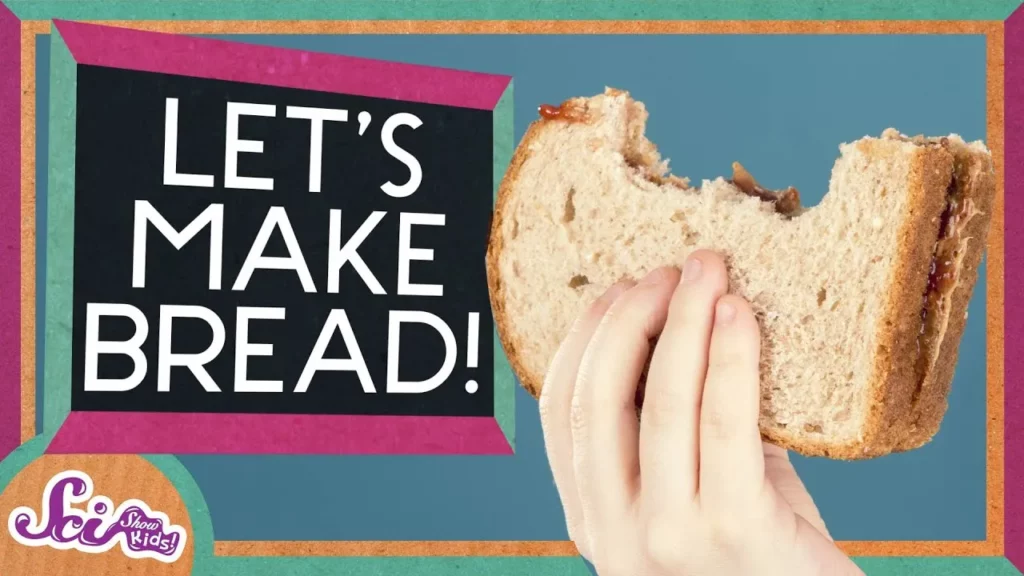
In today’s lesson, we explored the process of making bread while uncovering the science behind it, particularly the role of yeast. We learned that yeast, a tiny fungus, activates when mixed with warm water and sugar, producing gases that create bubbles in the dough, making it rise and become fluffy. After allowing the dough to rise and then baking it, we end up with delicious bread, demonstrating the fascinating connection between cooking and science.
Be a Rock Detective!
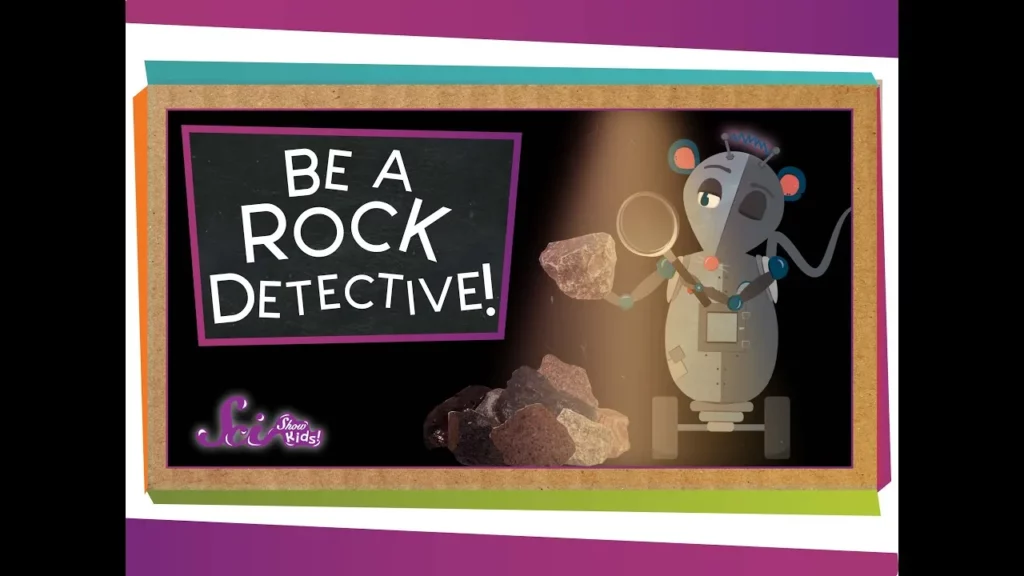
In today’s lesson, we explored the fascinating world of rocks, learning about the three main types: igneous, sedimentary, and metamorphic. Igneous rocks form from cooled magma, sedimentary rocks are created from layers of sediment, and metamorphic rocks change due to heat and pressure. Students are encouraged to become “rock detectives” by observing and identifying rocks in their environment based on their characteristics.
Baking a Cake with Science!
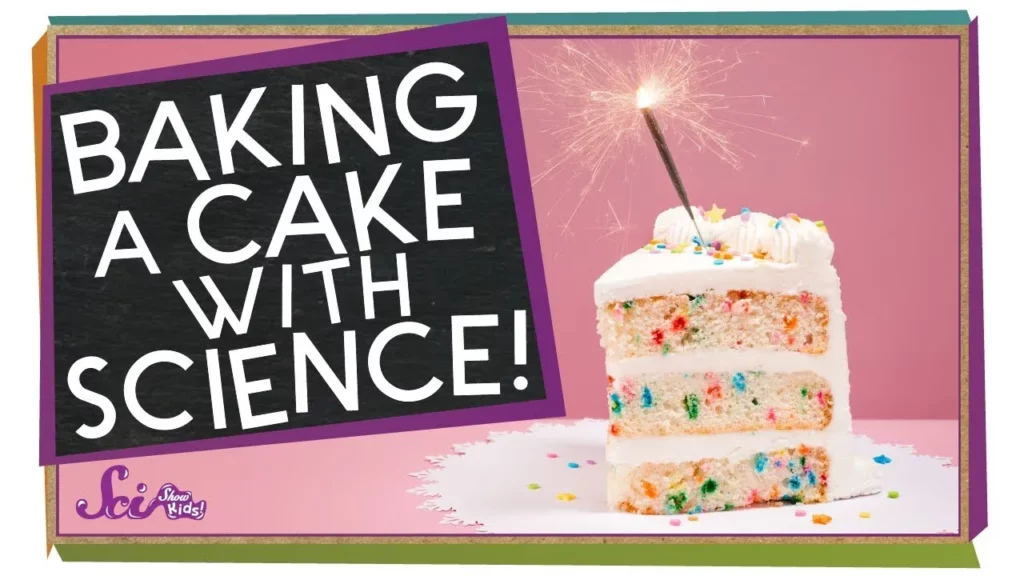
In this lesson, Squeaks and the narrator explore the science behind baking a cake, demonstrating how various ingredients interact to create a delicious final product. They explain the roles of flour, butter, eggs, and sugar in the baking process, highlighting how these components contribute to the cake’s texture and flavor through chemical reactions when heated. The lesson emphasizes the fun of baking as a shared activity while also encouraging safety with oven use.
How Recycling Works!
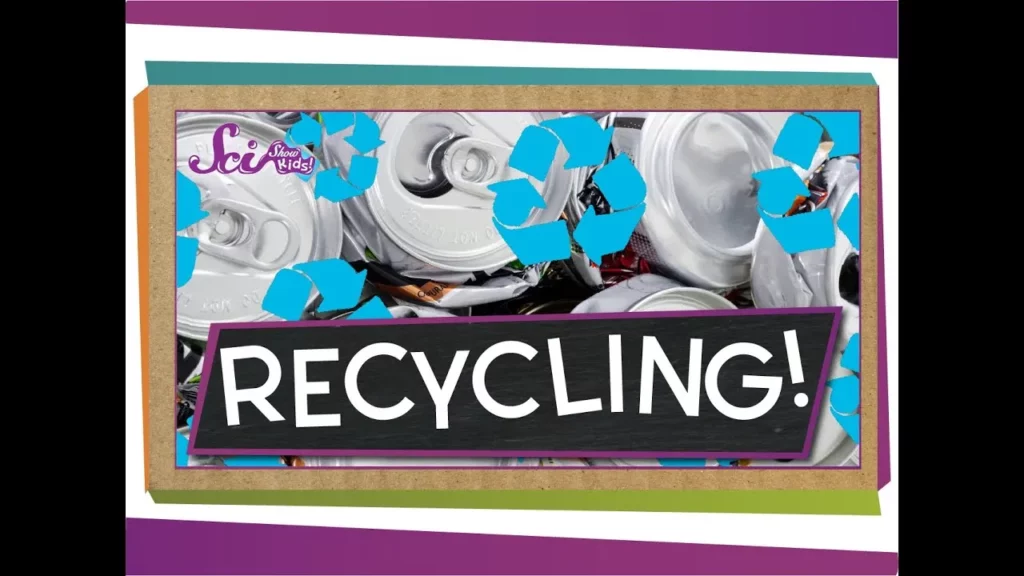
In this lesson, we explore what happens to the trash we generate daily, highlighting the difference between decomposing waste, like food scraps that can become compost, and non-decomposing waste that often ends up in landfills. We also learn about recycling, a process that transforms materials like metal, plastic, and paper into new products, thereby reducing landfill waste and benefiting the environment. Understanding these processes encourages us to be more mindful of our waste and the importance of recycling.
Where Does Soil Come From?
In today’s lesson, we explored the fascinating world of soil, understanding its origins and the processes that create it, such as weathering and the role of organic matter. We learned that soil is formed from tiny bits of rock and enriched by decomposed materials, which provide essential nutrients for plant growth. By observing soil in our surroundings, we can become soil scientists and appreciate the vital role soil plays in supporting life.
The 5 Fabulous Food Groups
In this lesson, kids learn about the different food groups that provide essential energy and nutrients for our bodies. The lesson covers five main groups: fruits, grains, vegetables, proteins, and dairy, highlighting examples from each category and emphasizing the importance of choosing healthy foods. A fun quiz encourages children to identify which group various foods belong to, making the learning experience interactive and engaging.
Solving Mysteries with Archaeologists!
The lesson explores the fascinating world of archaeologists, who study artifacts left behind by past civilizations to uncover human history. It details the methods they use to locate and excavate these artifacts, including surveys and advanced technology like satellite imagery, as well as the careful processes involved in digging and analyzing findings. Ultimately, archaeologists serve as detectives of the past, helping us understand how people lived throughout history.
Could I Dig a Hole Through the Earth?
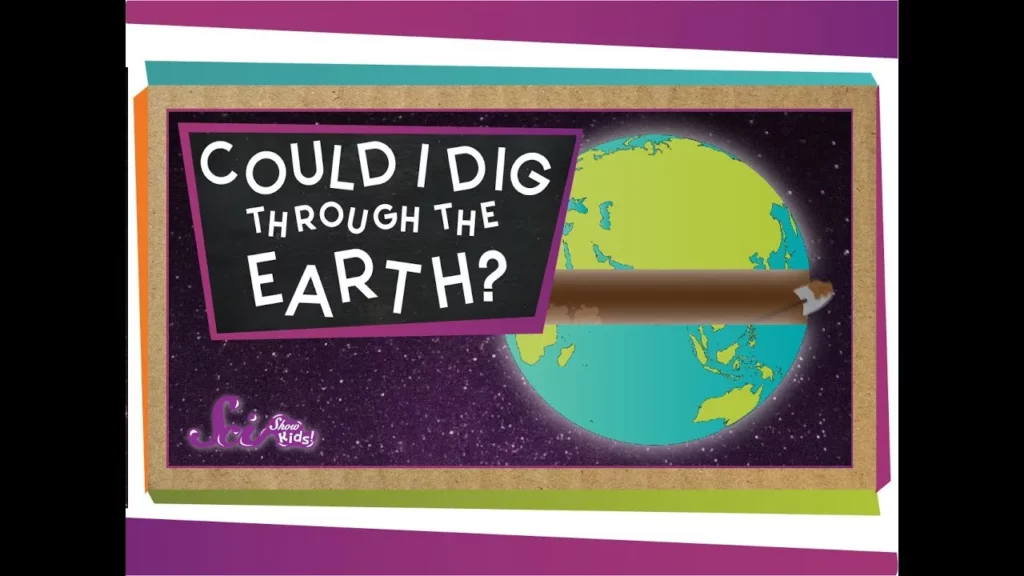
In this lesson, students explore the Earth’s layers, which include the crust, mantle, outer core, and inner core, each with distinct characteristics and temperatures. The crust is the thin, solid surface we walk on, while the mantle is hotter and more fluid, and the outer core is a liquid layer surrounding the solid inner core. The lesson emphasizes that while digging to the center of the Earth is impossible, there is still much to learn about what lies beneath our feet.
How to Build a Solar Oven
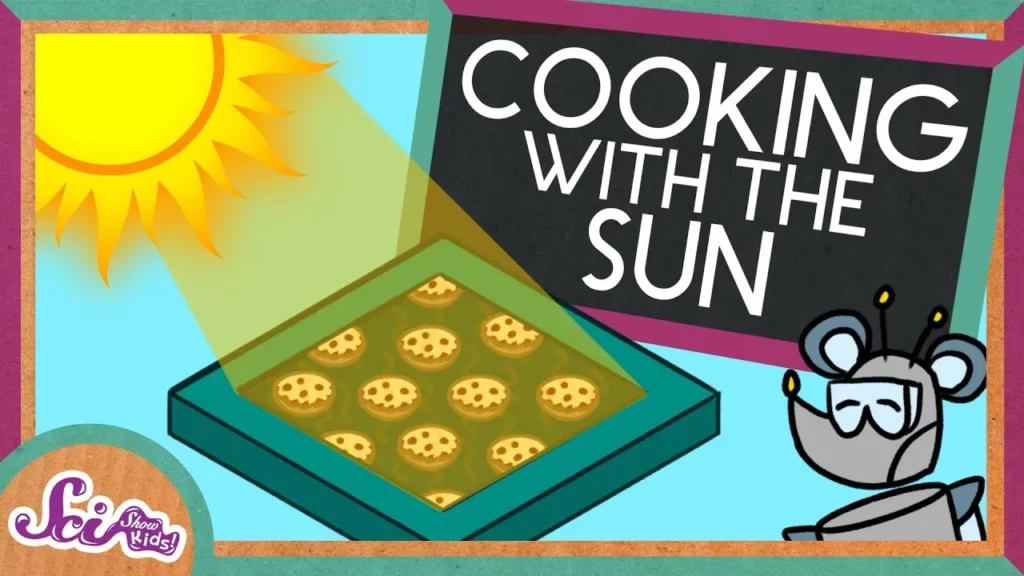
In this lesson, students learn how to create a solar oven using a pizza box and common household materials, harnessing solar energy to cook food outdoors. The process involves lining the box with tin foil, creating a plastic wrap window, and using a black plate to enhance heat absorption. Students are encouraged to experiment with their designs and enjoy the fun of cooking with the sun.
Quetzalcoatlus: The Biggest Animal Who Ever Flew!
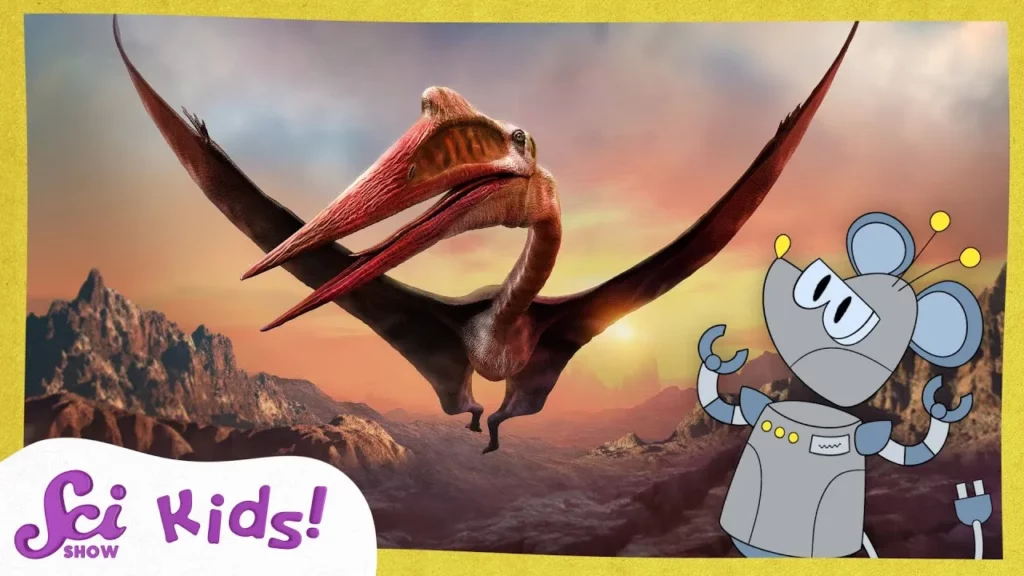
In this lesson, Squeaks and the narrator prepare for their first airplane flight, exploring the fascinating world of flight and the giant flying reptile Quetzalcoatlus, which lived millions of years ago. They learn that Quetzalcoatlus, a pterosaur and not a dinosaur, had impressive wings and could fly long distances, helping Squeaks overcome his fear of flying by understanding more about these incredible creatures and the science of paleontology. The lesson emphasizes that knowledge can make new experiences less intimidating and more exciting.