
Explore an Ice Cave!
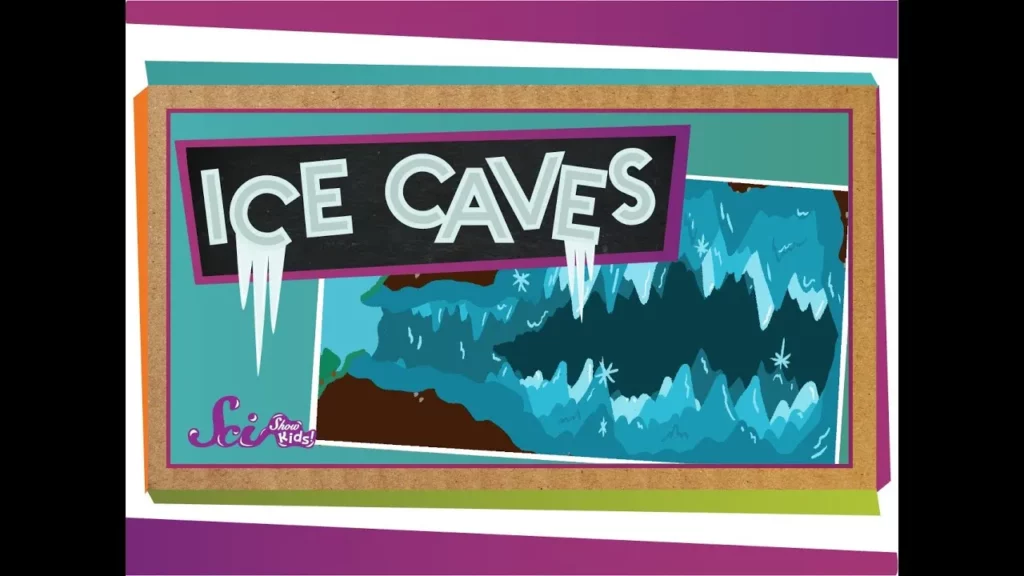
In this lesson, we explored the fascinating world of caves, focusing specifically on ice caves, which are unique formations made primarily of ice. We learned about the two main types of ice caves: glacier caves, formed within glaciers, and regular ice caves, which contain ice year-round. Additionally, we discovered that despite their cold environment, ice caves are home to resilient creatures like tardigrades, highlighting the diverse life that can exist even in extreme conditions.
Story Time: A Very Special Moth
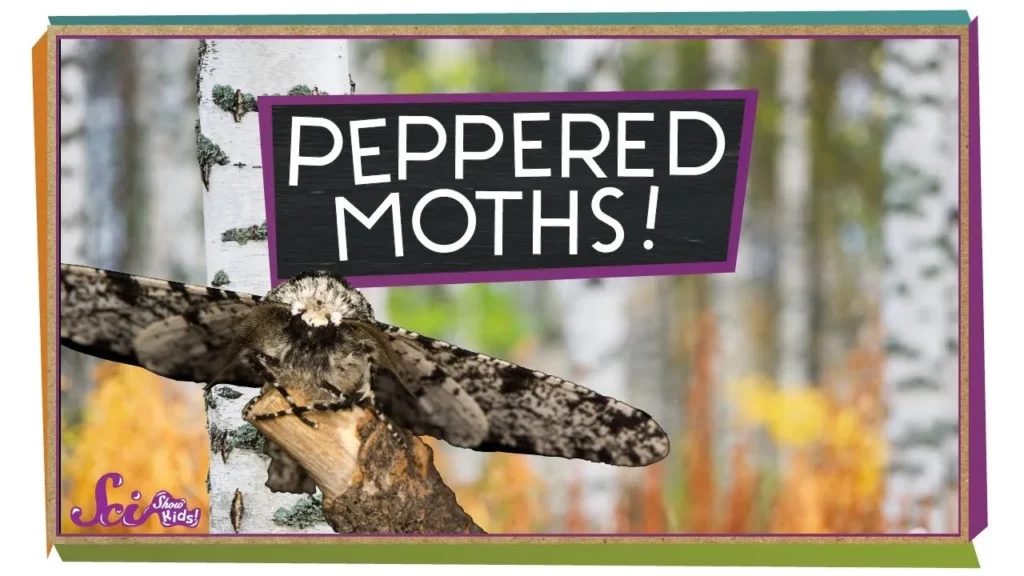
The lesson about the Peppered Moth illustrates the concept of natural selection through the moths’ adaptation to environmental changes caused by the Industrial Revolution. Initially, light-winged moths thrived due to their camouflage against light-colored trees, but as pollution darkened the trees, dark-winged moths became more successful in surviving and reproducing. The story highlights how species can evolve over time in response to changes in their environment, demonstrating the ongoing process of natural selection.
How Do Bees Make Honey?
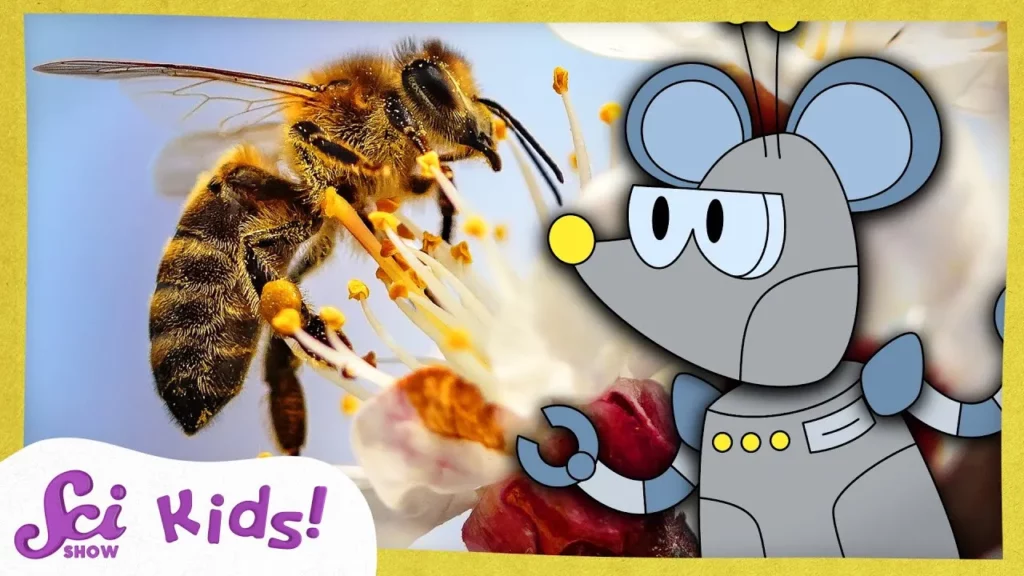
In this lesson, we explore the fascinating process of how bees make honey, starting from their collection of nectar from flowers to the transformation of that nectar into honey within the hive. The lesson highlights the important role bees play in pollination, which is essential for plant reproduction and food production, and encourages us to support bees by planting bee-friendly flowers. Through this sweet adventure, we learn about the interconnectedness of nature and the vital contributions of bees to our ecosystem.
Flowers and Their Pollinators: A Perfect Match!
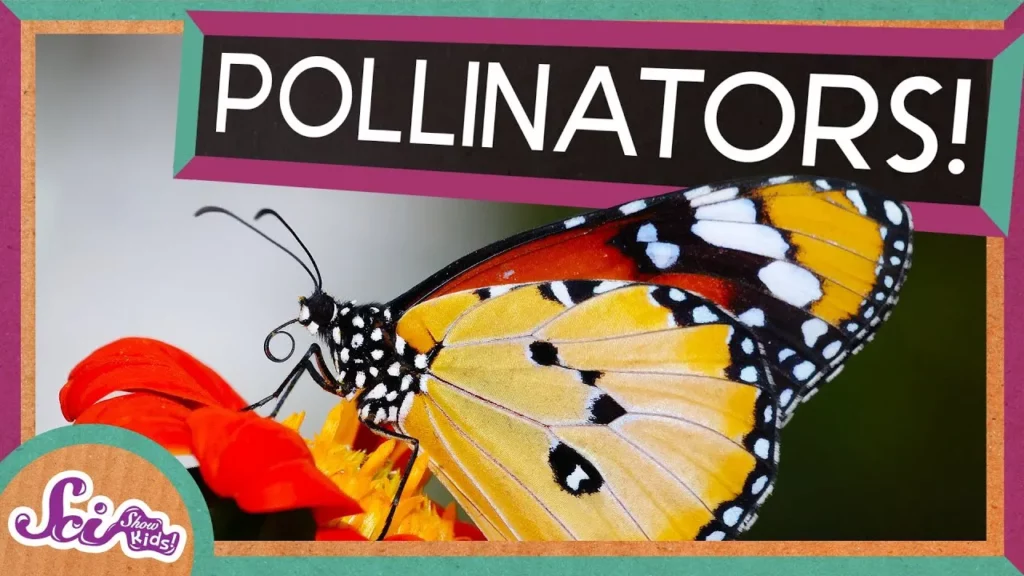
In this lesson, we explore the fascinating world of pollinators, such as butterflies, bees, bats, and hummingbirds, and their essential role in the process of pollination. By transferring pollen from flower to flower while seeking nectar, these animals help plants produce seeds, creating a mutually beneficial relationship. The lesson highlights the unique adaptations of different pollinators, like the butterfly’s proboscis and the tube-lipped bat’s long tongue, which enable them to access nectar from various flowers.
How Are Raisins Made?
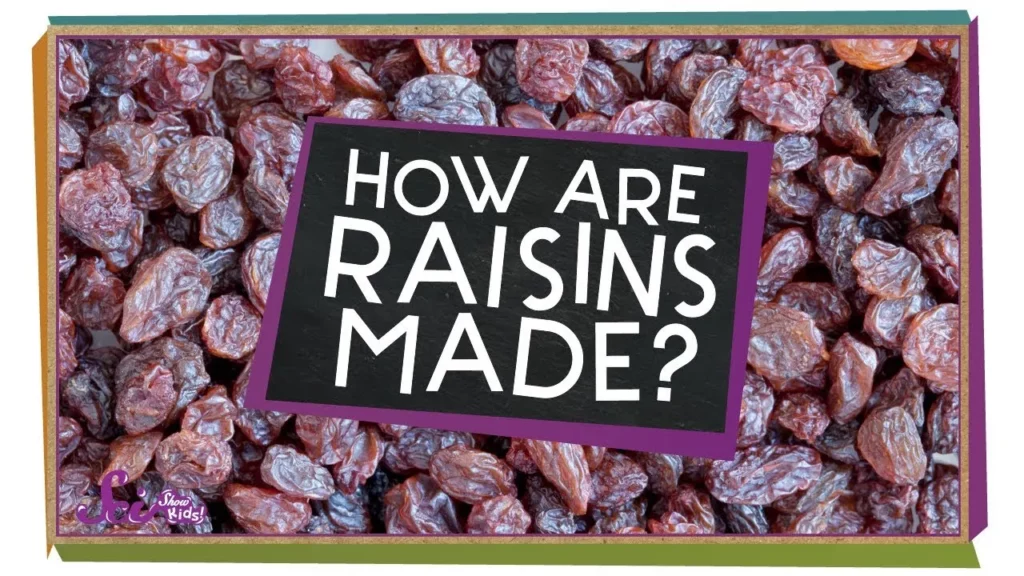
This lesson explains how grapes transform into raisins through the drying process, highlighting the health benefits of raisins, which are rich in fiber, potassium, and iron. It distinguishes between two types of raisins—purple (natural) and golden—based on their drying methods, and discusses potential allergies related to sulfur dioxide in golden raisins. The lesson concludes with a fun suggestion to make muffins using different types of raisins and prunes, encouraging exploration of nutritious snacks.
Need a Lift? Try a Pulley!
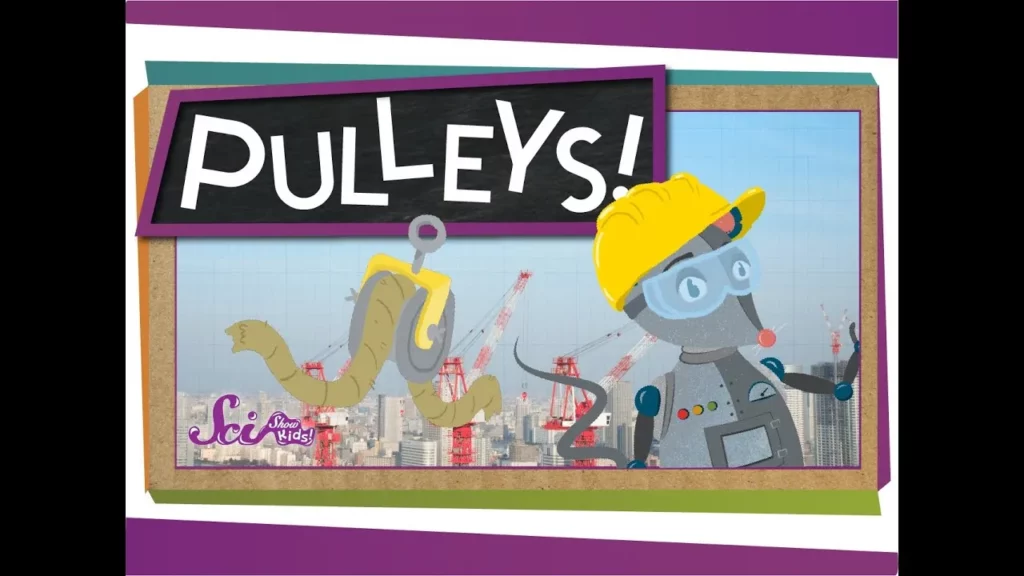
In today’s lesson, we learned how to use a pulley, a simple machine that makes lifting heavy objects easier. By attaching a pulley and rope above a window, we successfully lifted a heavy telescope box into the fort’s observatory, demonstrating the practical application of pulleys in both large and small tasks. This experience highlighted the importance of simple machines in everyday life and problem-solving.
Slipping, Sliding Science!
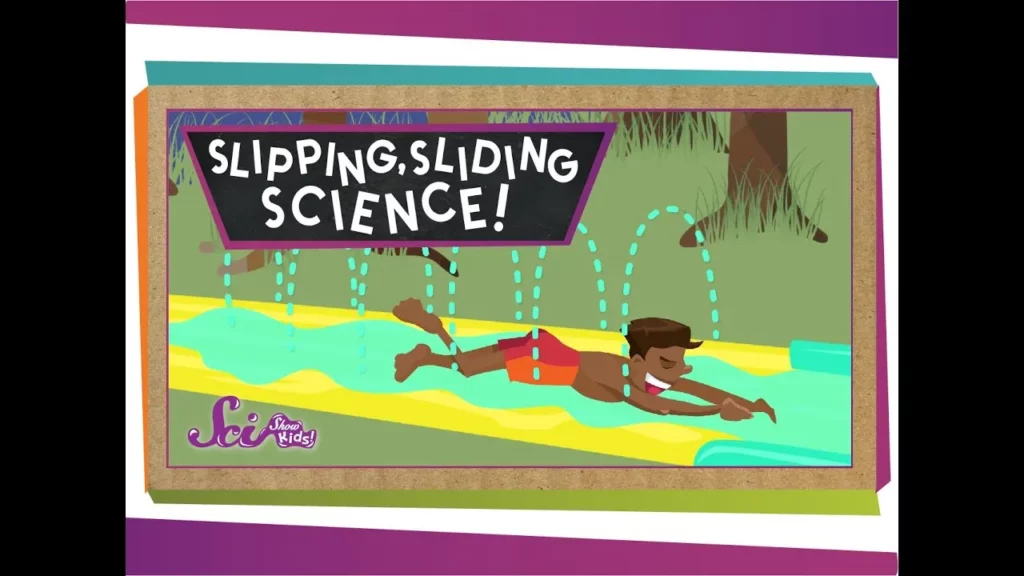
This lesson explains the science behind why water slides are slippery, highlighting the roles of plastic, water, and friction. It describes how friction, a force that resists motion between surfaces, is reduced when water creates a slippery layer between the slide and the user, allowing for a smooth sliding experience. The lesson encourages hands-on experiments to observe friction in various scenarios, enhancing understanding of the concept.
The Grand Canyon!
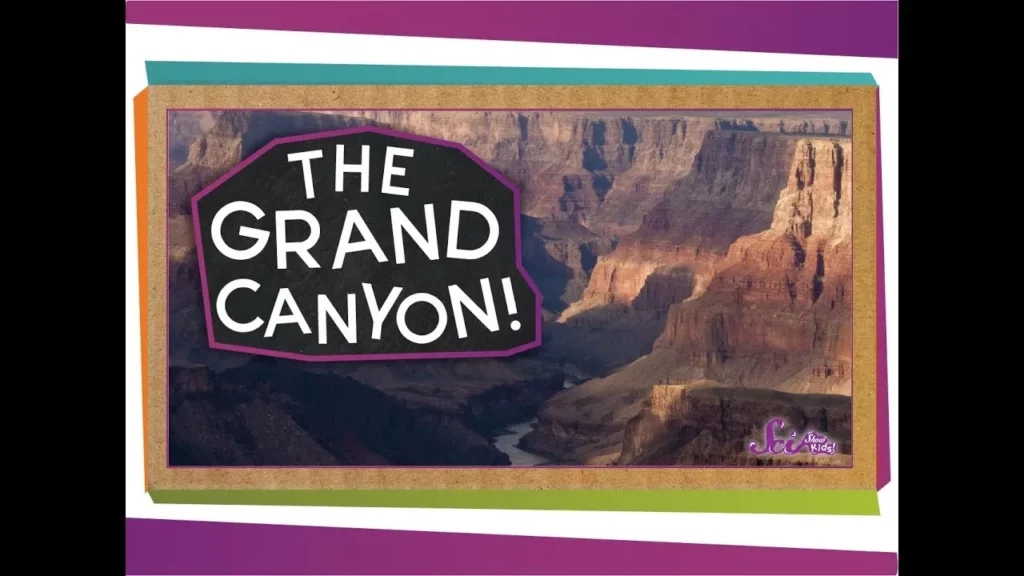
In this lesson, students explore the Grand Canyon, a remarkable natural formation in Arizona, known for its immense depth and length, shaped primarily by the Colorado River through the process of erosion. They learn how erosion, driven by water flow and rainfall, gradually carves and widens the canyon over millions of years, highlighting the slow yet powerful forces of nature at work. The lesson emphasizes the ongoing nature of erosion, illustrating that the Grand Canyon continues to evolve even today.
Why Does Popcorn Pop?
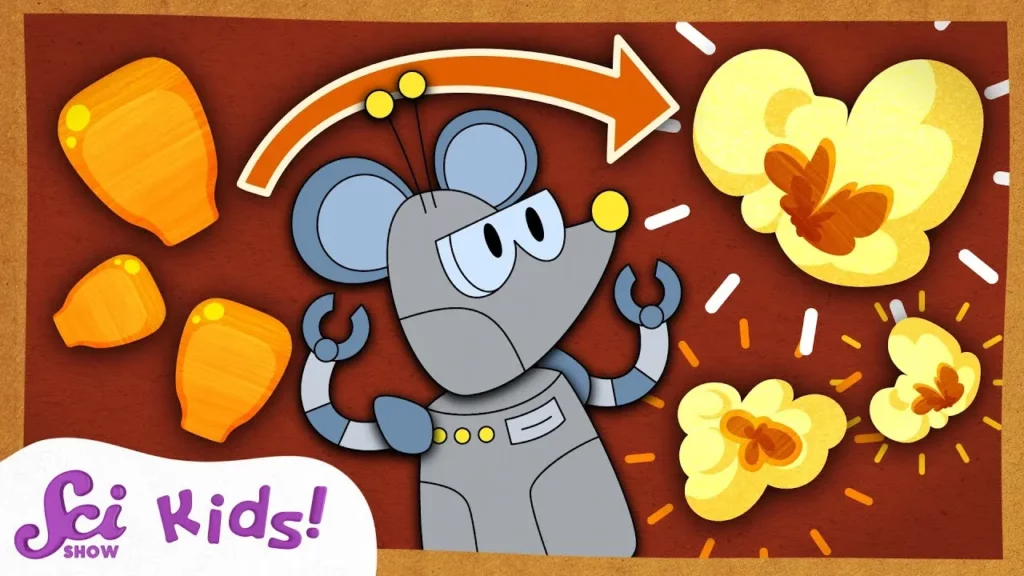
In this lesson, we explored the fascinating science behind how popcorn pops, starting from its origins as a hard kernel to its transformation into a fluffy snack. We learned that the water inside the kernel turns into steam when heated, causing pressure to build until the kernel bursts open, expanding the starch inside. This fun science adventure not only highlights the changes that occur during popping but also encourages curiosity about other materials that change when heated.
Animal Tricksters!
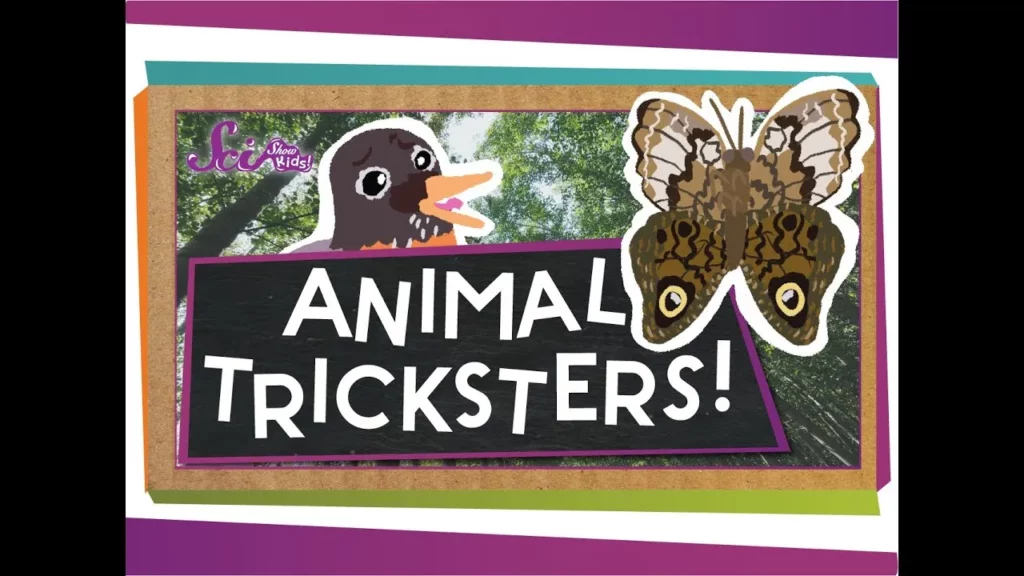
In this lesson, we explored the fascinating concept of mimicry in the animal kingdom, where certain animals imitate the appearance of others for survival or hunting advantages. Examples include the owl butterfly, which uses eye-like markings to deter predators, and the scarlet kingsnake, which mimics the venomous coral snake to avoid being eaten. Through these clever adaptations, animals can either protect themselves or deceive their prey, showcasing the incredible strategies of nature.