
Wonderful Wool!

This lesson explains the process of how wool is transformed into cozy sweaters, starting from the shearing of sheep to the creation of yarn. It highlights the importance of wool, the steps involved in cleaning and preparing it, and the creative methods used to knit or crochet it into clothing. Overall, it emphasizes the fascinating journey of wool from animals to fashionable garments.
Telescopes in Space!

In this lesson, we explored the incredible capabilities of the James Webb Space Telescope, which allows us to see deeper into space than ever before, providing clearer images by operating outside of Earth’s atmosphere. We learned about the advancements in telescope technology and how space telescopes can capture previously invisible phenomena, helping us uncover new mysteries of the universe. Additionally, we touched on a fun fact about chameleons and their ability to change colors, highlighting the wonders of science in both space and nature.
How Does Water Get to Your House?
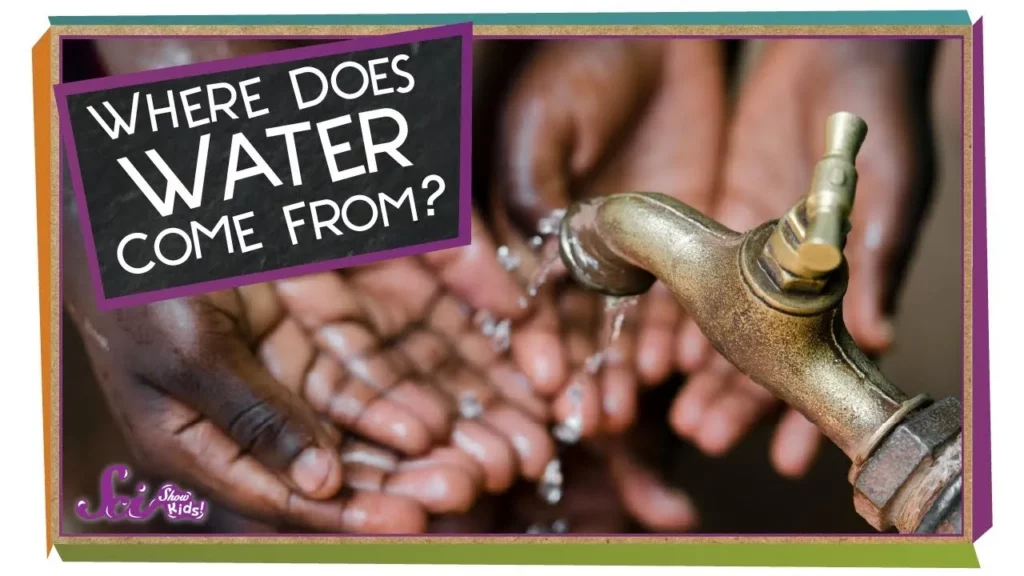
In this lesson, we explored the journey of water from its sources to our homes, highlighting how it is collected from lakes, rivers, and groundwater. We learned about the process of cleaning and transporting water through pipes, as well as how wells function to access groundwater. Ultimately, the lesson emphasizes the importance of understanding where our water comes from and the journey it takes to reach us.
What’s It Like to Live Underground?
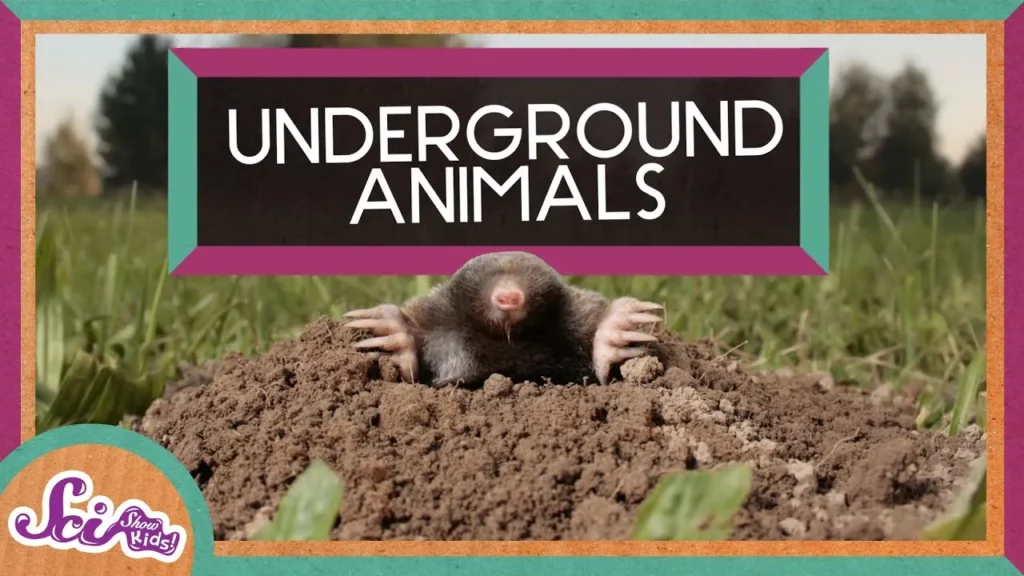
In this lesson from SciShow Kids, students embark on an exciting journey to explore the underground world and discover why many animals choose to live beneath the surface. They learn about the unique adaptations and tools that help these creatures thrive in their subterranean habitats, such as the Pink Fairy Armadillo’s digging claws and the star-nosed mole’s sensitive tentacles. The lesson encourages hands-on exploration and imaginative play, allowing children to engage with the concepts they’ve learned by pretending to be underground animals.
Make Your Own Rock Candy!

In this lesson, students learn how to make rock candy through a fun and engaging science experiment that demonstrates the principles of chemistry and crystallization. By dissolving sugar in boiling water and allowing it to cool, students observe the process of sugar crystals forming on a chopstick over time, turning into delicious rock candy. This hands-on activity not only teaches scientific concepts but also encourages curiosity and exploration in the kitchen.
What’s Inside These Rocks? – #sciencegoals
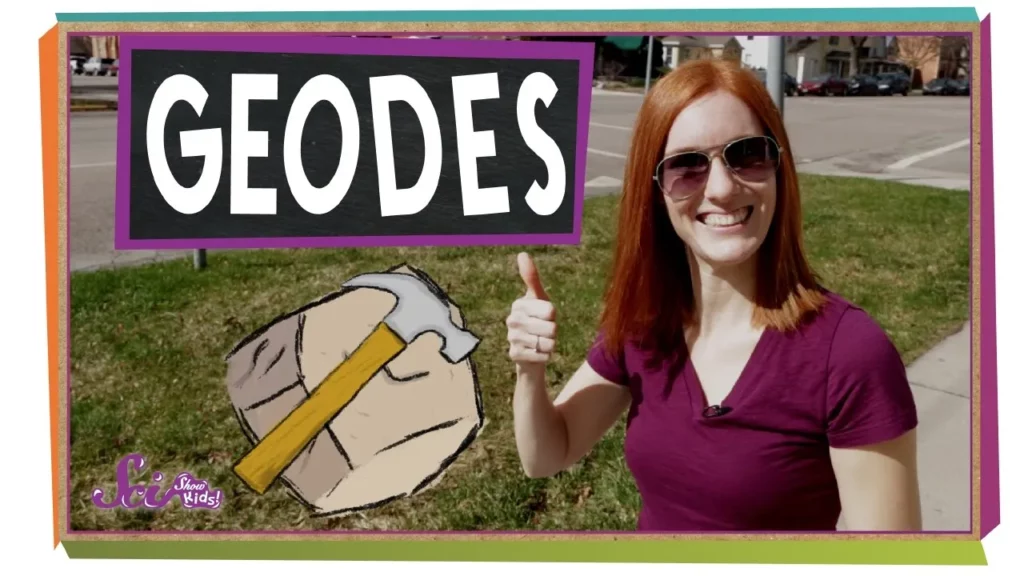
In this lesson, students explore the fascinating world of geodes, which are ordinary-looking rocks that contain beautiful crystals formed over thousands or millions of years. They learn about the process of crystal formation inside geodes, the importance of patience when breaking them open, and the excitement of discovering the hidden beauty within. The lesson encourages hands-on experimentation and sharing discoveries with others.
Let’s Get Rolling!
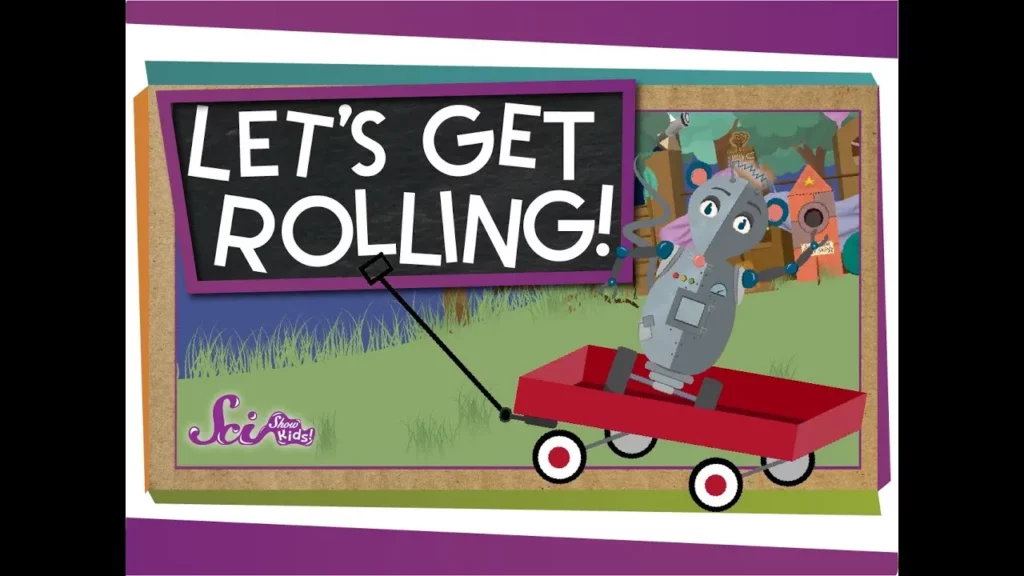
In today’s lesson, we explored the concept of wheels and axles as simple machines that make it easier to move heavy objects. Through our rock adventure, we discovered how using a wagon with wheels and axles allowed us to transport a heavy box effortlessly, demonstrating the practical benefits of this invention in everyday life. We learned that wheels and axles are essential in various modes of transportation, helping us conserve energy while traveling.
Where Do Caves Come From?
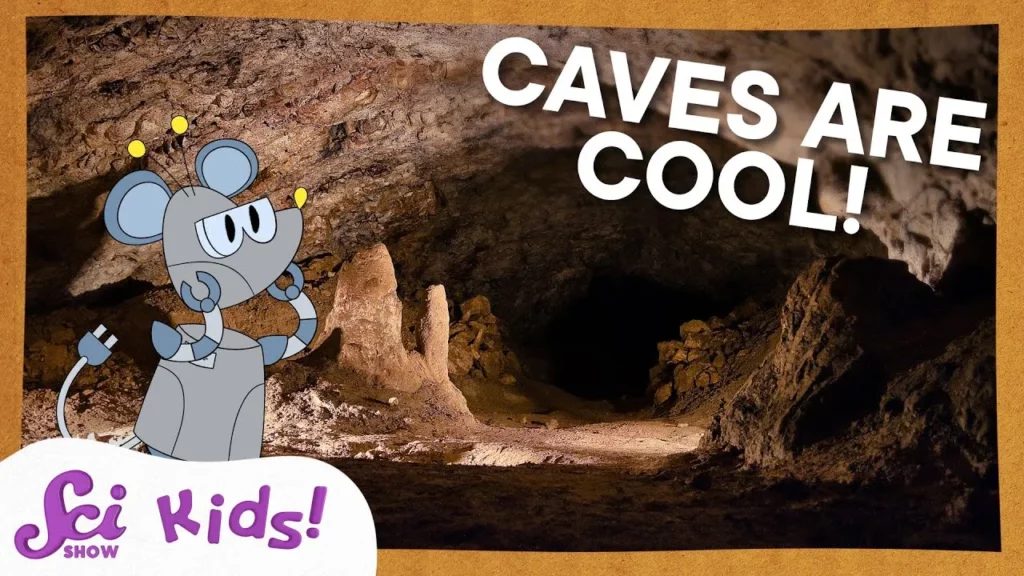
In this lesson, we explored the fascinating world of caves with Sam the Bat, learning about their unique characteristics and formation processes. Caves, which can be found underground or in rock, are primarily formed by natural processes such as erosion from water or volcanic activity. We also discovered various types of caves, including limestone, sea, glacier ice, and lava caves, each shaped by different environmental factors.
5 Giant Ice Age Animals
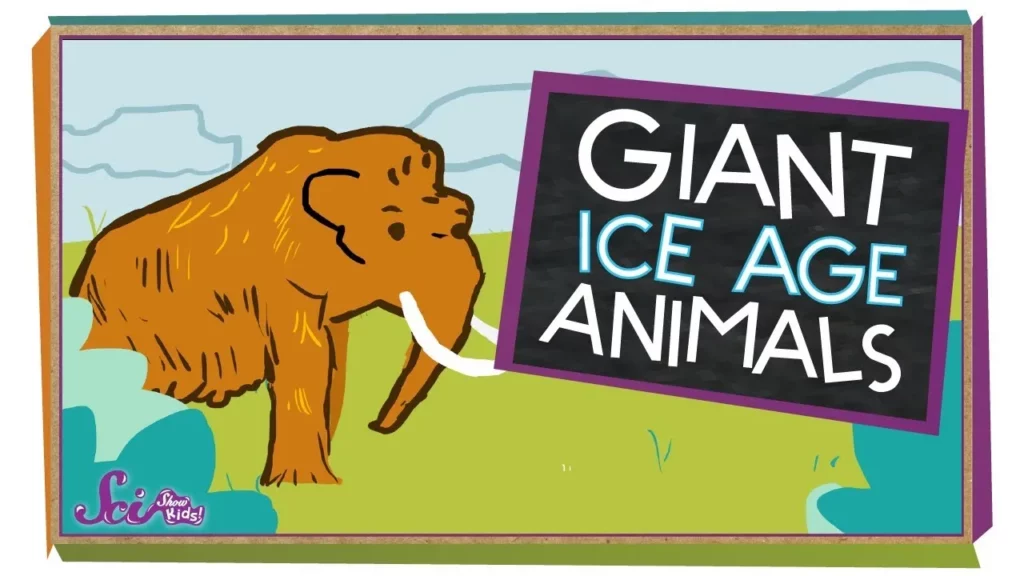
In the lesson “Discovering the Ice Age: A Journey Through Time,” students explore the fascinating world of the Ice Age, a period marked by colder temperatures and the presence of giant animals like glyptodons, mastodons, and saber-toothed tigers. The lesson discusses the unique adaptations of these creatures and the theories surrounding their extinction, emphasizing the importance of studying their remains to understand our planet’s history. Through this engaging journey, learners gain insight into a time long before modern civilization and the incredible wildlife that once roamed the Earth.
What’s Your Funny Bone?

The lesson explains why hitting your “funny bone” can cause significant pain, revealing that the funny bone is actually the ulnar nerve, which is more exposed at the elbow and can be easily impacted. It discusses the role of the nervous system in transmitting pain signals to protect the body from harm, and it also touches on the humorous origins of the term “funny bone.” Overall, the lesson emphasizes the importance of understanding how our bodies communicate and respond to injury.