
What Actually Happens When You Are Sick?

The lesson explores the complexity of resilience, challenging the notion that overcoming adversity always makes us stronger. It highlights how the immune system, while essential for survival, can also cause collateral damage during illness, potentially leaving us weaker in the long run. Additionally, it emphasizes the importance of proactive measures, such as vaccinations and environmental initiatives, in fostering both personal health and collective well-being in the face of challenges like disease and climate change.
The Largest Star in the Universe – Size Comparison
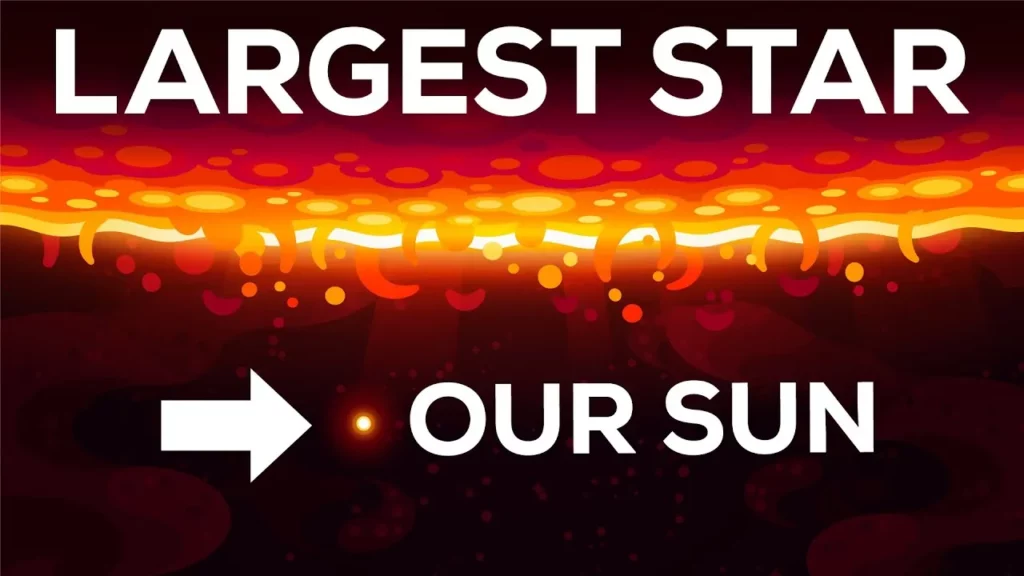
This lesson explores the fascinating journey of stars, from their formation to their ultimate fate, highlighting the characteristics of various types of stars, including gas giants, brown dwarfs, main sequence stars, giants, and hypergiants. It emphasizes the immense scale of the universe, focusing on the largest known star, Stephenson 2-18, which is a red hypergiant with a size of 2150 solar radii and a luminosity nearly half a million times that of the Sun. The lesson concludes by encouraging exploration of the universe’s vastness through a dedicated app that showcases the scale of celestial objects.
What Happens AFTER Nuclear War?
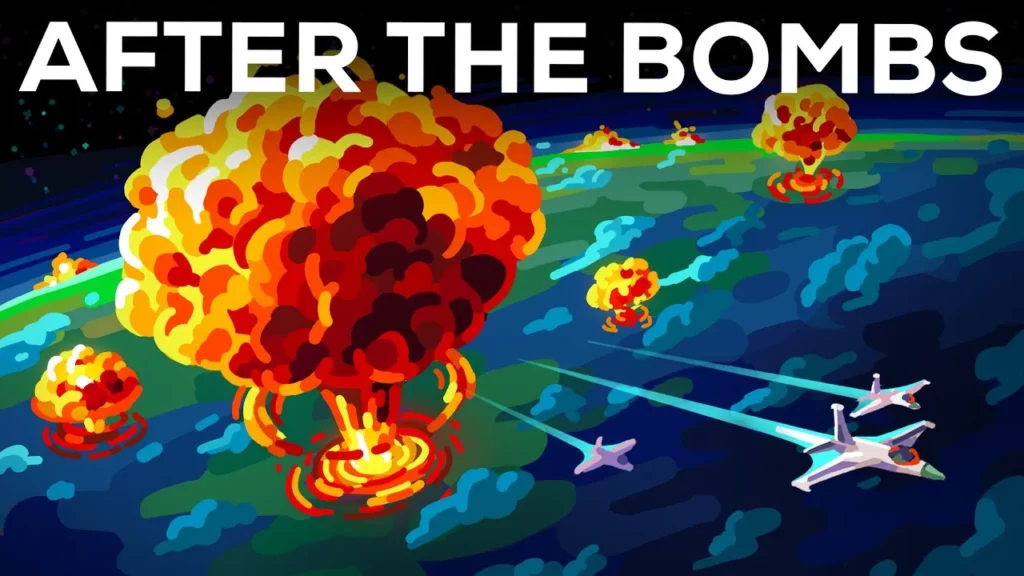
The lesson highlights the catastrophic consequences of nuclear war, emphasizing the immediate destruction and the long-term threat of nuclear winter, which could lead to widespread starvation and the collapse of civilization. It explains how the fires ignited by nuclear detonations can create massive clouds of soot that block sunlight, drastically altering climate and agricultural productivity. The lesson underscores the urgency of preventing nuclear conflict and encourages proactive measures to mitigate this existential threat.
What If You Fall into a Black Hole?
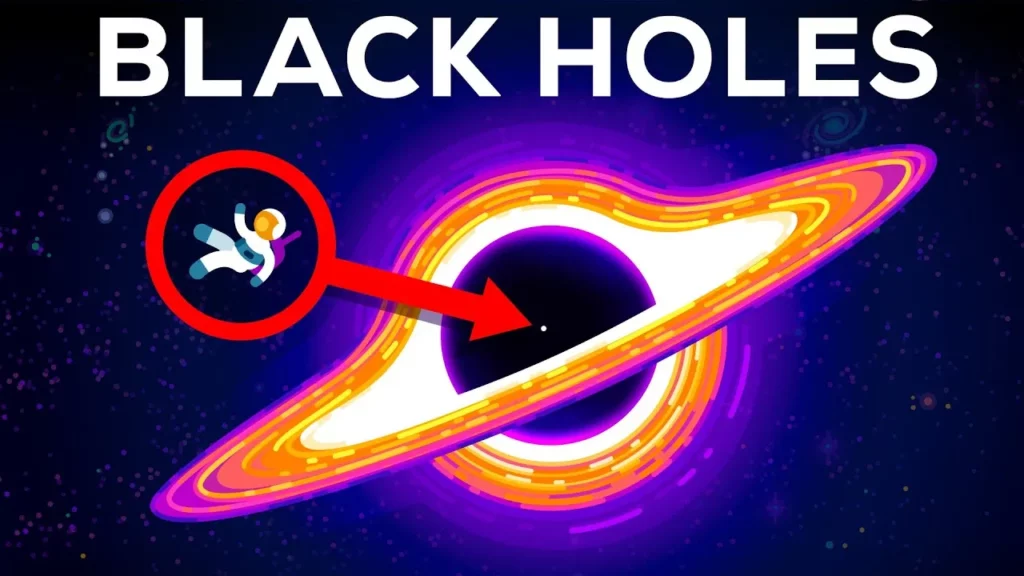
The lesson explores the fascinating and complex nature of black holes, highlighting their formation from massive stars and the extreme gravitational effects they exert on space and time. It delves into concepts such as the event horizon, spaghettification, and the mysterious singularity at their core, while also addressing the ongoing scientific inquiries surrounding these enigmatic cosmic entities. Ultimately, the lesson emphasizes that despite our growing understanding, many mysteries about black holes remain, inviting further exploration in astrophysics.
How To Destroy The Universe
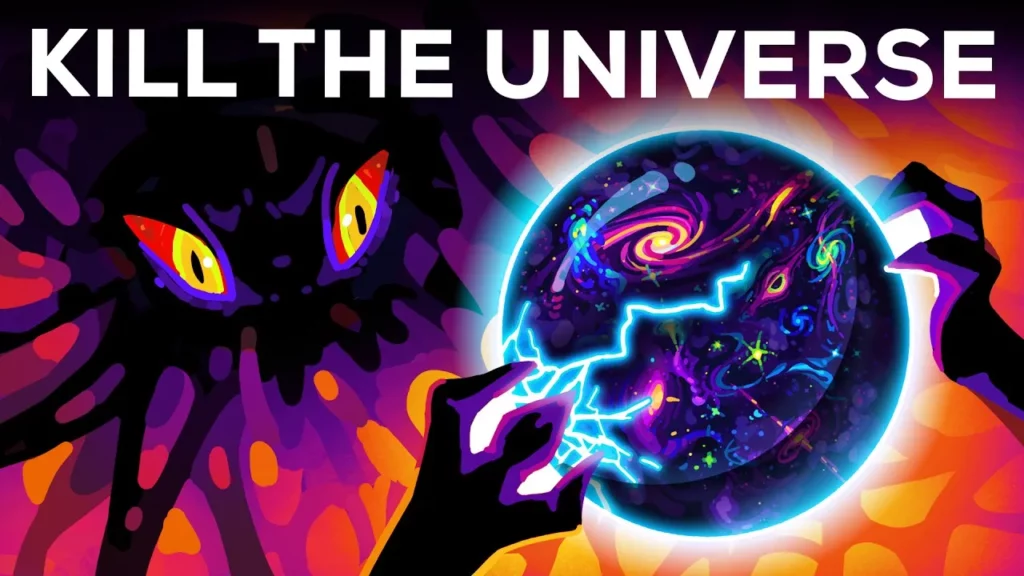
The lesson explores the potential endings of the universe, driven by the interplay between matter and dark energy. It outlines three primary scenarios: the Heat Death, where dark energy dominates and leads to a cold, empty universe; the Big Rip, where increasing dark energy tears apart all matter; and the Big Crunch, where weakening dark energy results in a collapse of the universe. Most scientists lean towards the Heat Death as the likely outcome, emphasizing the importance of appreciating the universe’s wonders in the meantime.
Why We Should NOT Look For Aliens – The Dark Forest
The lesson explores the Fermi Paradox, which questions why, despite the vastness of the universe and the potential for life, we have yet to encounter any advanced civilizations. It introduces the Dark Forest Theory, suggesting that civilizations may deliberately hide from one another to avoid existential threats, as the fear of being discovered could lead to catastrophic consequences. Ultimately, the lesson emphasizes the importance of cautious observation and thoughtful communication as humanity prepares to explore the cosmos, recognizing that our understanding of potential extraterrestrial life is still limited.
The Horror of the Slaver Ant
The lesson explores the brutal reality of slave-making ants, particularly focusing on the Polyergus species, which have evolved to rely entirely on enslaved Formica ants for their survival. These ants engage in organized raids to capture pupae and larvae, which they chemically imprint to serve their colony, effectively brainwashing them into submission. The lesson highlights the extreme division of labor and the relentless cycle of conquest and subjugation that characterizes the lives of these fascinating yet ruthless creatures.
This Disease is Deadlier Than The Plague
The lesson titled “The White Death: Understanding Tuberculosis, Humanity’s Ancient Foe” explores the historical and ongoing impact of tuberculosis (TB), a disease that has claimed over a billion lives throughout history. It highlights the stealthy nature of the Mycobacterium tuberculosis bacterium, which can remain dormant in many individuals, and emphasizes the need for renewed global efforts to combat TB through awareness, improved treatments, and vaccination strategies. Despite being curable, TB remains a significant public health challenge, particularly in overcrowded regions, underscoring the importance of collective action to eradicate this ancient foe.
The (Second) Deadliest Virus
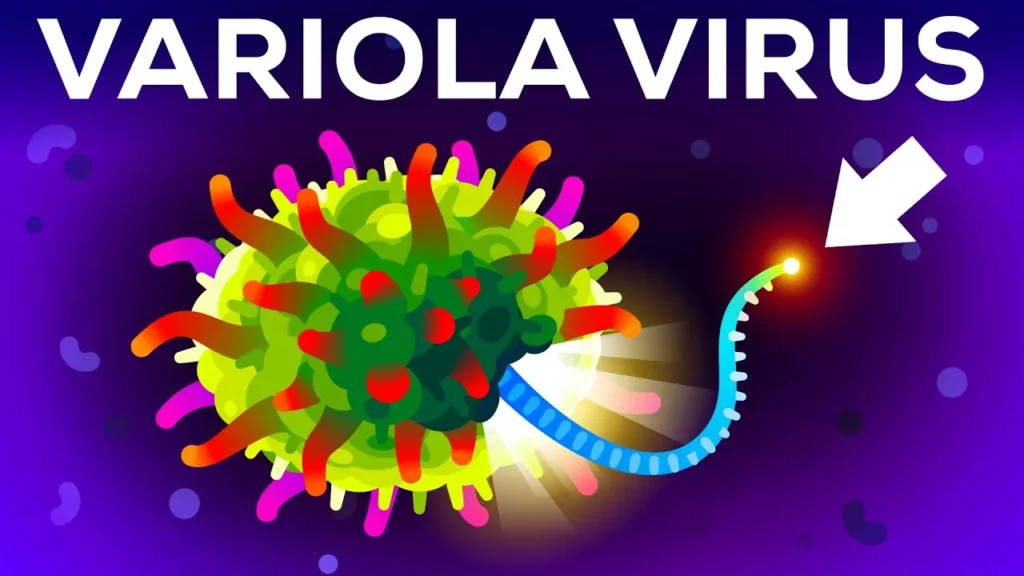
The lesson on “The Triumph Over Smallpox” highlights humanity’s remarkable victory against the variola virus, which caused widespread devastation for centuries. Through the development of vaccinations derived from cowpox, a related but milder virus, and a concerted global effort led by the World Health Organization, smallpox was eradicated by 1980, freeing future generations from its lethal threat. This achievement underscores the importance of vaccines and human ingenuity in overcoming natural adversities.
The Last Thing To Ever Happen In The Universe
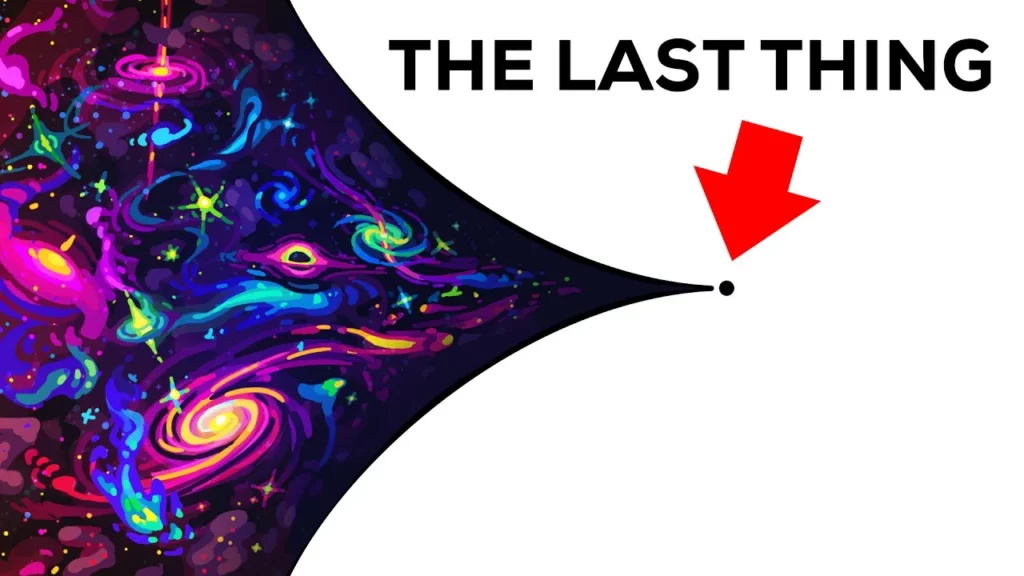
The lesson explores the eventual fate of the universe, detailing its birth, evolution, and the slow decline toward a dark, empty existence. It highlights that the final cosmic event will be the explosion of a black dwarf supernova, marking the end of all stellar activity and illuminating the dark universe one last time. Despite this distant conclusion, the lesson emphasizes the current vibrancy of the universe and encourages curiosity and exploration through STEM education.