
Why Aliens Might Already Be On Their Way To Us
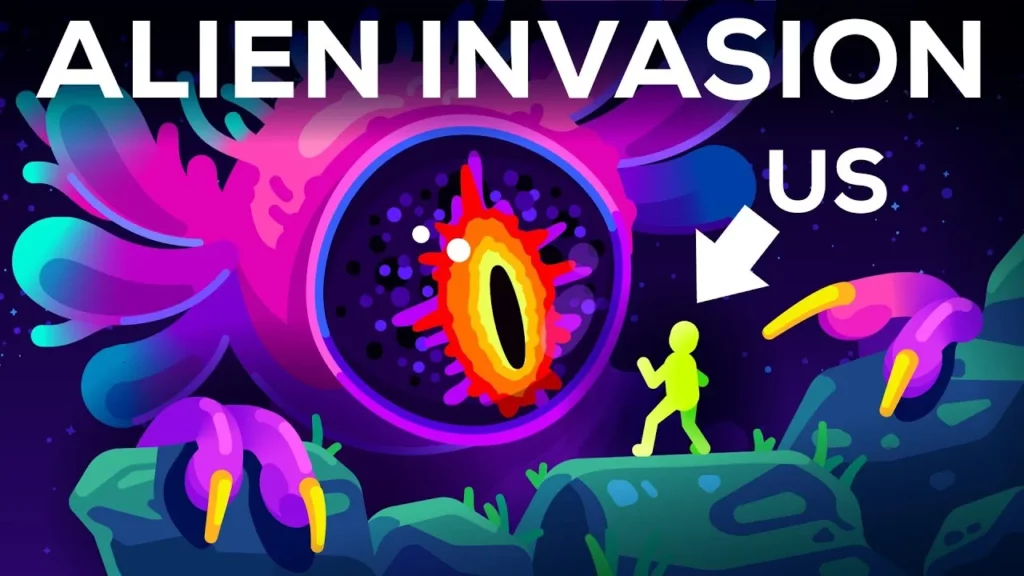
The lesson explores the vastness of the universe and the intriguing question of why we have not yet encountered other intelligent life forms, known as the Fermi Paradox. It suggests that humanity may be early in the timeline of technological civilizations, with the potential for future galactic competition as other civilizations emerge. The discussion emphasizes the importance of understanding our evolutionary timeline, the nature of “loud” versus “quiet” civilizations, and the implications of our actions as we strive to explore and potentially expand into the cosmos.
Why Don’t We Shoot Nuclear Waste Into Space?
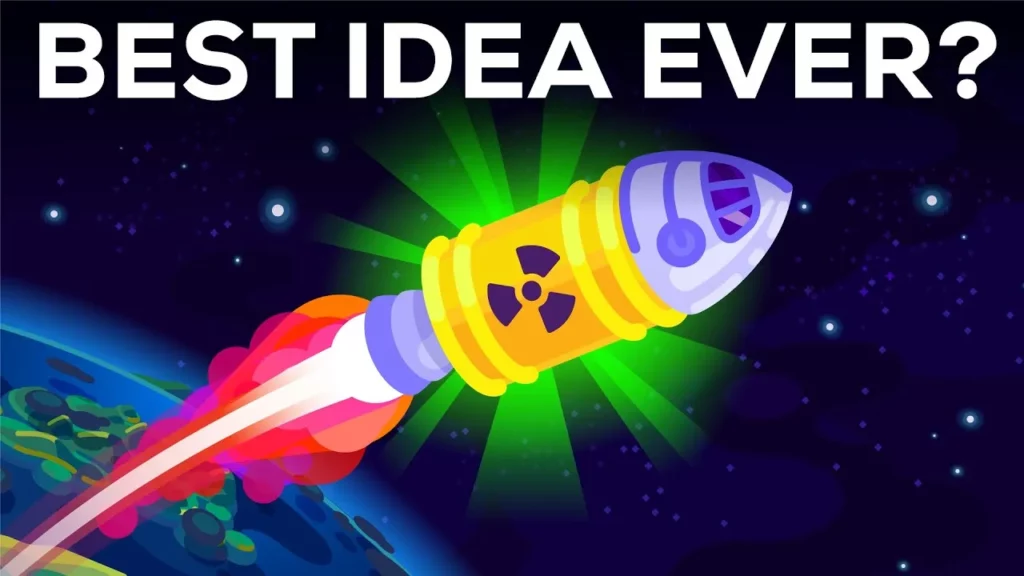
The lesson discusses the impracticality and dangers of the idea of launching nuclear waste into space, which may initially appear to be a simple solution to a complex problem. It highlights the significant financial costs, logistical challenges, and risks associated with rocket failures that could lead to catastrophic consequences. Ultimately, the lesson concludes that there are more viable and safer methods for managing nuclear waste, making space disposal a flawed and misguided approach.
Let’s Travel to The Most Extreme Place in The Universe
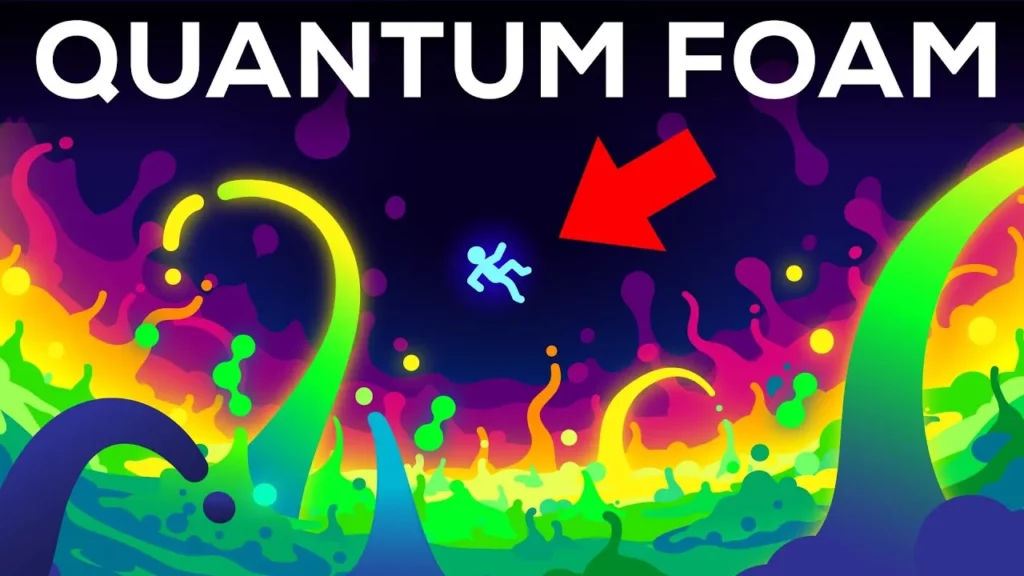
The lesson explores the incredible journey from the vastness of the universe to the intricacies of the subatomic realm, illustrating how scale transforms our perception of reality. Starting from a park, the narrative guides us through increasingly smaller dimensions, revealing the complexities of microscopic life, molecular motion, and the chaotic nature of subatomic particles. Ultimately, it emphasizes the profound interconnectedness of all scales, highlighting the wonder of existence at both cosmic and quantum levels.
What Happens If You Destroy A Black Hole?
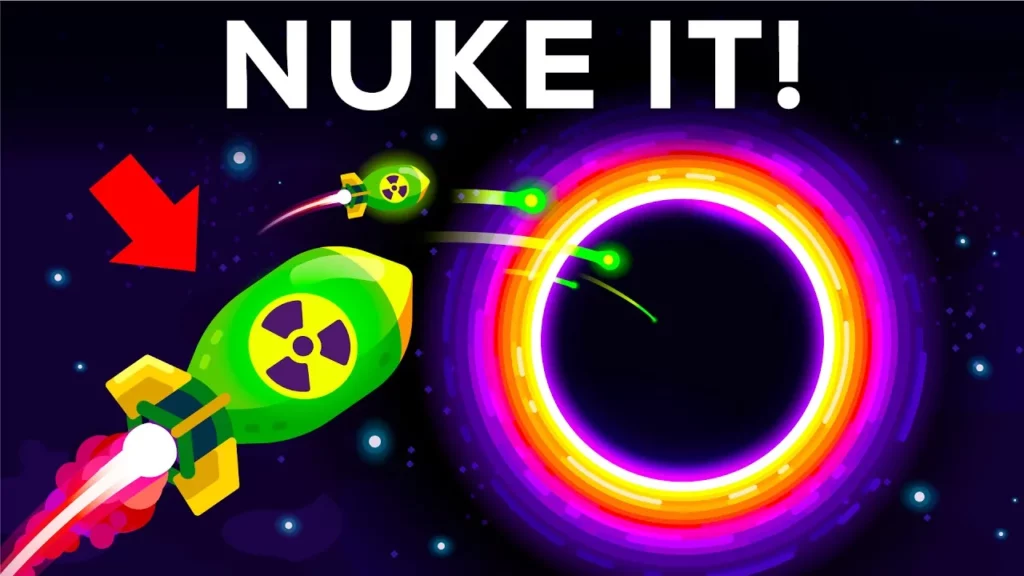
The lesson explores the intriguing question of whether black holes can be destroyed, revealing that traditional methods, such as nuclear explosions or antimatter collisions, would only increase their mass. It discusses theoretical approaches like overfeeding a black hole to dissolve its event horizon, but highlights the potential dangers of creating a “naked singularity.” Ultimately, the only guaranteed way to eliminate a black hole is through the slow process of Hawking radiation, which leads to their gradual evaporation over an astronomical timescale.
How A Nuclear War Will Start – Minute by Minute
The lesson presents a fictional scenario where a newly inaugurated president must make a rapid decision regarding nuclear retaliation in response to an imminent missile threat, highlighting the terrifying reality of nuclear warfare and the complexities of crisis decision-making. It draws parallels to historical near-misses in nuclear incidents, emphasizing the fragility of deterrence systems and the potential for catastrophic consequences. Ultimately, the lesson advocates for nuclear disarmament and public awareness as essential steps in preventing future crises, encouraging individuals to engage with the issue and demand action from their leaders.
The Black Hole That Kills Galaxies – Quasars
The lesson explores the significant role of quasars in shaping the universe, highlighting their immense power and influence on galaxies. Quasars, which are the active cores of distant galaxies powered by supermassive black holes, emit extraordinary amounts of energy that can disrupt star formation and alter the cosmic landscape. Despite their destructive potential, quasars also contribute to the recycling of gas within galaxies, playing a crucial role in the cosmic ecosystem and the evolution of the universe.
Black Hole Star – The Star That Shouldn’t Exist
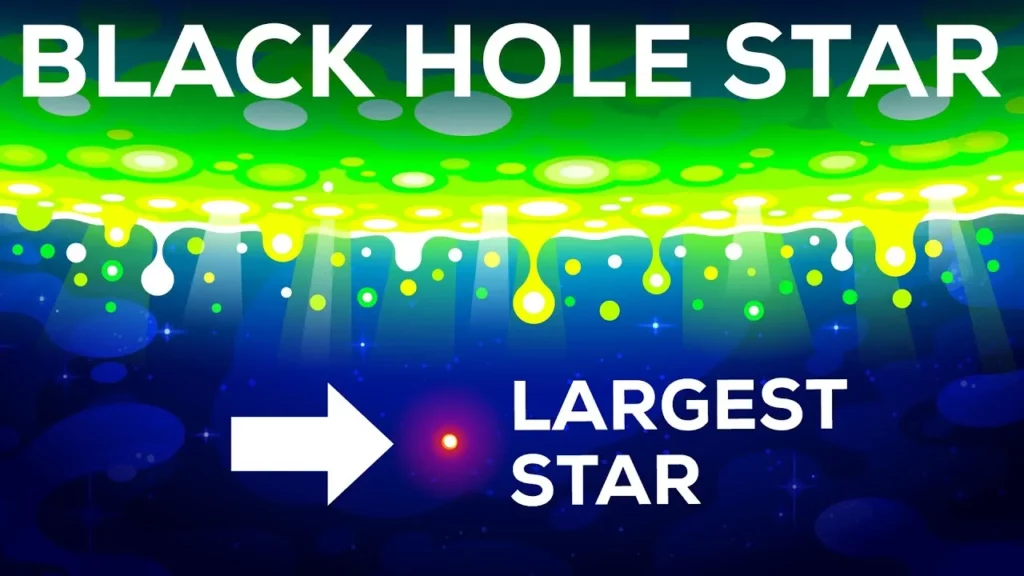
The lesson explores the fascinating concept of black hole stars, colossal entities that existed shortly after the Big Bang and housed a black hole at their core. These stars, which could reach up to 10 million solar masses, challenge our understanding of stellar formation and lifecycle, as they grow by consuming surrounding matter and ultimately collapse into supermassive black holes. Their potential existence may provide insights into the formation of supermassive black holes at the centers of galaxies, with future observations from the James Webb Space Telescope poised to uncover more about these enigmatic cosmic phenomena.
What’s Hiding at the Most Solitary Place on Earth? The Deep Sea
The lesson “Exploring the Mysteries of the Deep Sea” takes students on a journey through the various zones of the ocean, highlighting the unique adaptations and survival strategies of marine life in extreme environments. From the sunlit surface teeming with phytoplankton to the dark, pressure-filled depths where bioluminescence and teamwork are crucial for survival, the lesson emphasizes the importance of ocean preservation and the mysteries that remain to be uncovered. Ultimately, it calls for a greater understanding and protection of these vital ecosystems for future generations.
The Biggest Eruptions That Changed Earth Forever
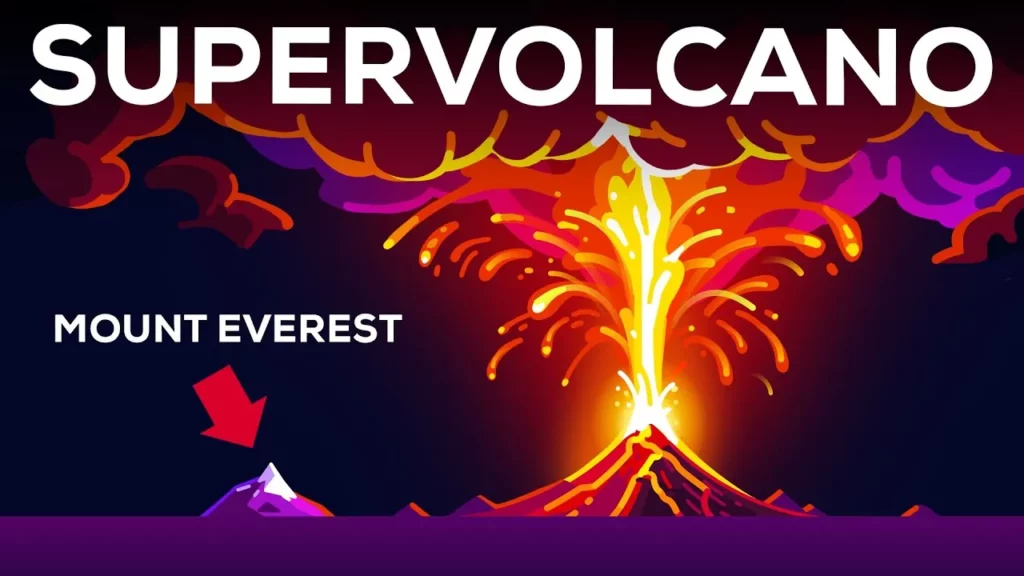
The lesson “The Fiery Heart of Earth: Understanding Supervolcanoes” explores the nature and potential impact of supervolcanoes, which are capable of catastrophic eruptions that can drastically alter the climate and affect global ecosystems. It explains the formation of volcanoes through tectonic plate interactions and mantle plumes, introduces the Volcanic Explosivity Index to measure eruption severity, and reassures that while supervolcanoes pose significant risks, their likelihood of imminent eruption is low. Additionally, the lesson highlights the potential for harnessing geothermal energy from these geological giants as a positive resource for humanity.
What Happened Before History? Human Origins
The lesson “The Evolution of Humanity: From Survival to Civilization” explores the remarkable journey of humans from their early ancestors to the sophisticated societies we inhabit today. It highlights key milestones, such as the mastery of fire, the development of agriculture, and the transformative Scientific and Industrial Revolutions, which collectively shaped human civilization. Despite our advanced lifestyle, the lesson encourages reflection on our shared history and the fundamental similarities we still share with our ancestors, reminding us to appreciate the extraordinary nature of our modern world.