
The Deadliest Being on Planet Earth – The Bacteriophage
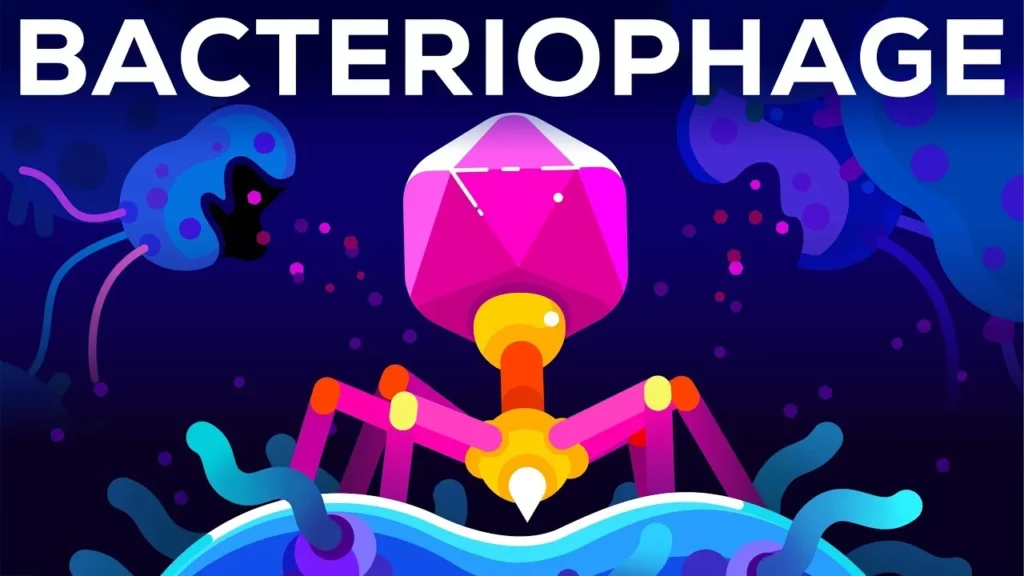
The lesson discusses the critical role of bacteriophages, viruses that specifically target bacteria, in addressing the growing crisis of antibiotic resistance. With their ability to selectively eliminate harmful bacteria while sparing beneficial ones, phages present a promising alternative to traditional antibiotics, especially as superbugs become increasingly prevalent. Ongoing research and clinical trials indicate that phage therapy could revolutionize the treatment of bacterial infections, potentially saving millions of lives in the face of rising antibiotic resistance.
You Are Not Where You Think You Are
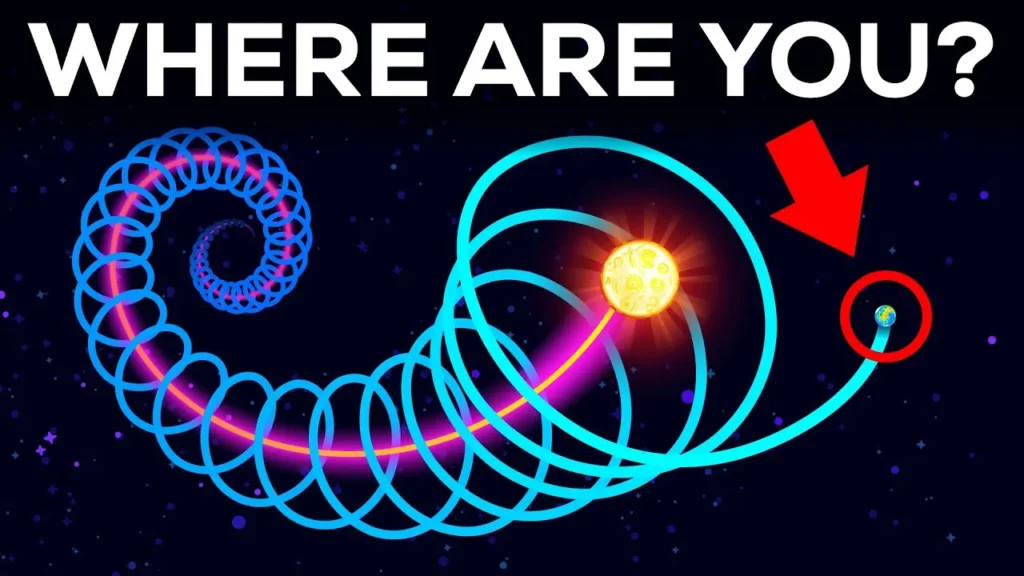
The lesson “Understanding Our Place in the Universe” explores the concept of relative positioning within the vastness of space, emphasizing that our sense of location is a human construct shaped by our frame of reference. It illustrates how Earth, the solar system, and galaxies move through space in complex ways, highlighting the arbitrary nature of “up” and “down” when viewed from different perspectives. Ultimately, it encourages us to embrace our current existence, reminding us that despite the overwhelming scale of the universe, we each occupy a unique and significant place within it.
Genetic Engineering and Diseases – Gene Drive & Malaria
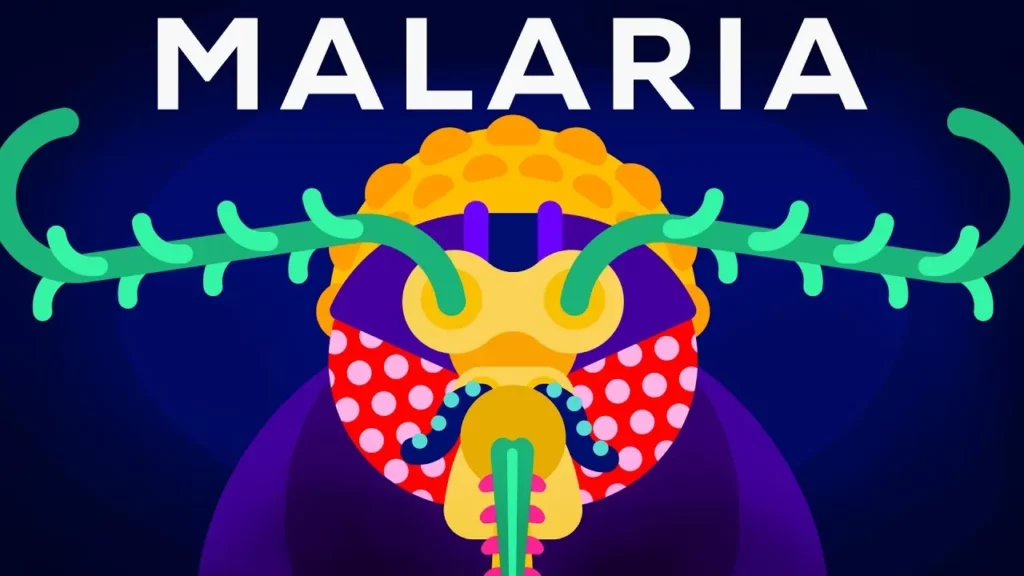
The lesson discusses the revolutionary potential of genetic engineering, specifically using CRISPR technology, to eradicate malaria by modifying mosquito populations to be immune to the malaria parasite. While this approach offers a promising solution to a disease that has historically caused immense suffering and death, it raises ethical and ecological concerns about the implications of altering entire species. The lesson emphasizes the urgent need for public discourse and careful consideration of the risks and benefits associated with such groundbreaking interventions in disease control.
What Happens If We Throw an Elephant From a Skyscraper? Life & Size 1
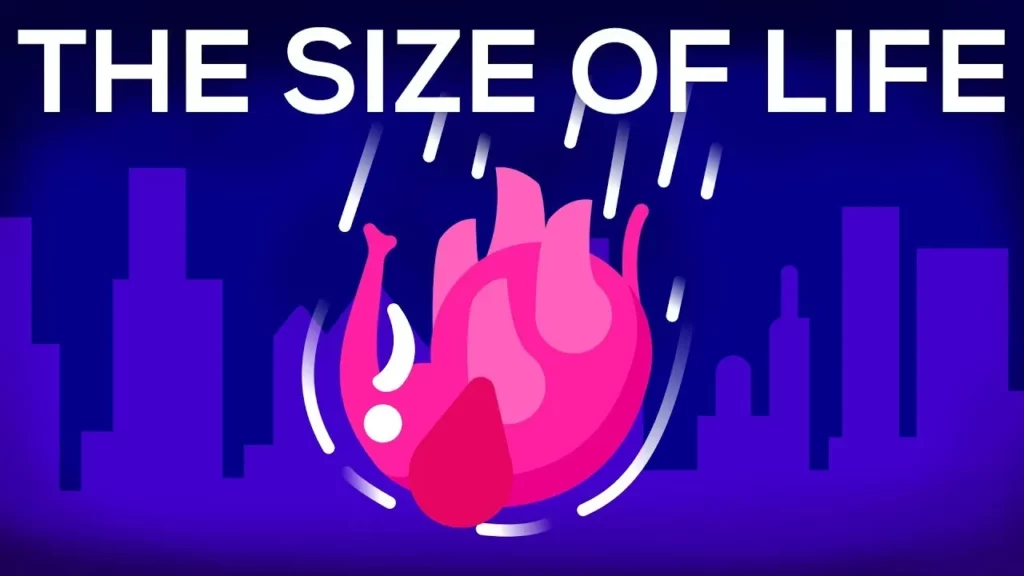
The lesson explores the critical role of size in biology, illustrating how it influences the survival and behavior of organisms through the example of a mouse, dog, and elephant dropped from a height. It explains the principles of scaling, highlighting that smaller creatures experience less impact due to their favorable surface area-to-volume ratio, while larger animals face greater risks. Additionally, the lesson addresses the unique challenges small organisms encounter, such as surface tension in water, and hints at the evolutionary adaptations that arise from these size-related factors.
How Bacteria Rule Over Your Body – The Microbiome
The lesson “The Invisible World Within: Understanding the Microbiome” explores the complex relationship between humans and the myriad of microorganisms that inhabit our bodies and environment. It highlights the critical role of the microbiome in health, from its development during birth to its influence on digestion, mental health, and disease susceptibility. The lesson emphasizes the importance of maintaining a balanced microbiome through dietary choices and ongoing research to fully understand its impact on overall well-being.
Why Earth Is A Prison and How To Escape It
The lesson “The Gravity Prison: Understanding Our Cosmic Confinement” explores the concept of gravity as an invisible force that binds us to Earth, creating a “gravity well” that poses challenges for space exploration. It explains the energy required to escape this gravitational pull, the complexities of rocket science, and the innovative solutions, such as multistage rockets, that are necessary for successful space missions. Ultimately, the lesson emphasizes the ongoing efforts and advancements in technology aimed at overcoming our cosmic confinement and venturing into the universe.
The Last Light Before Eternal Darkness – White Dwarfs & Black Dwarfs
The lesson explores the concept of white dwarfs as potential long-term refuges for humanity in a universe that is gradually fading away. It explains the formation of white dwarfs from stars that have exhausted their nuclear fuel, highlighting their unique characteristics, such as extreme density and longevity, which could allow them to exist for trillions of years. Ultimately, while the universe is destined for heat death, the distant future of black dwarfs remains uncertain, reminding us of the transient yet remarkable nature of our cosmic existence.
The World War of the Ants – The Army Ant
The lesson “The World War of the Ants: A Battle for Survival” explores the relentless and ancient conflicts among ant species, highlighting their complex social structures and survival strategies. It emphasizes the dominance of army ants, which engage in aggressive raids against other colonies, and the adaptive defenses of species like leafcutter ants that have evolved to withstand such attacks. Ultimately, the lesson illustrates that warfare is a fundamental aspect of ant life, reflecting their struggle for survival in diverse ecological niches.
The Most Efficient Way to Destroy the Universe – False Vacuum
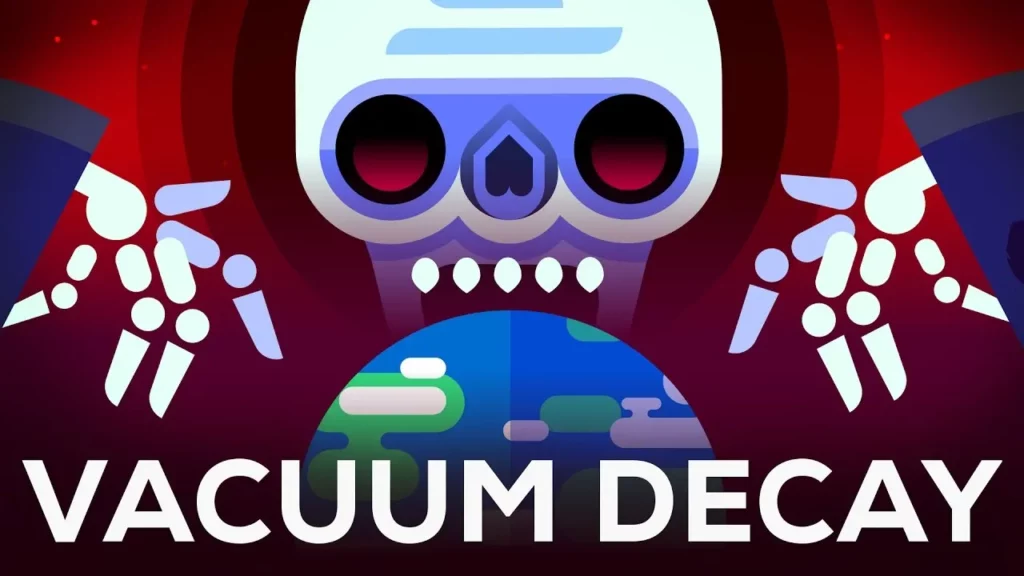
The lesson discusses the concept of vacuum decay, a theoretical scenario in which the universe could self-destruct due to the instability of the Higgs Field, potentially leading to an irreversible collapse into a lower energy state. This catastrophic event would obliterate everything in its path, fundamentally altering the laws of physics and rendering life impossible. While the idea is alarming, it remains speculative and unlikely to pose an immediate threat, allowing us to focus on more pressing concerns.
Fusion Power Explained – Future or Failure
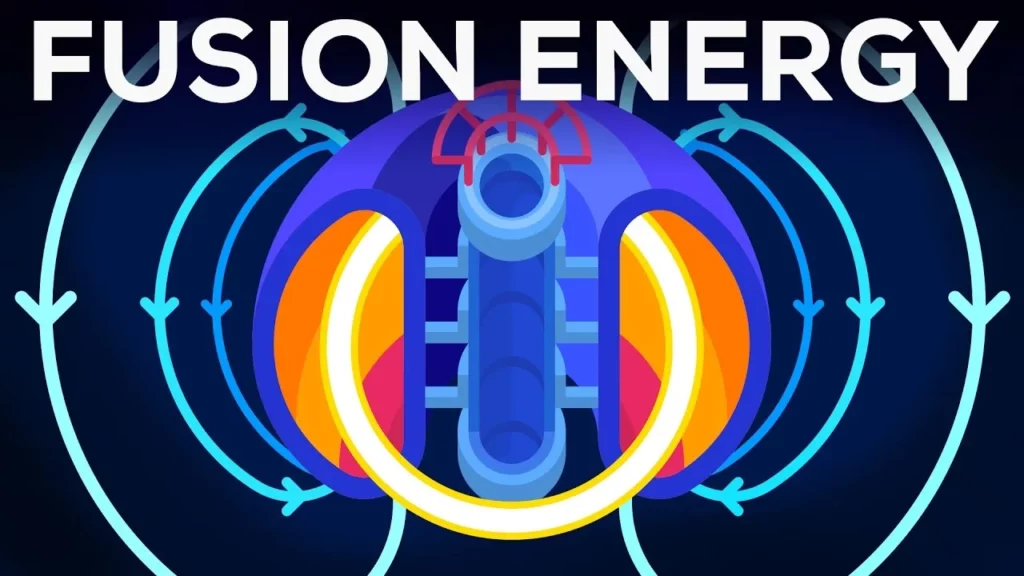
The lesson explores the quest to harness fusion energy, which mimics the sun’s energy production on Earth. It discusses the science behind nuclear fusion, the two primary methods for achieving it—magnetic and inertial confinement—and the challenges associated with fuel sources like Deuterium and Tritium. Despite the potential for safe, clean, and nearly limitless energy, the economic feasibility and technological hurdles remain significant obstacles to commercial viability.