
The Fermi Paradox II — Solutions and Ideas – Where Are All The Aliens?
The lesson on the Fermi Paradox examines the mystery of why, despite the vastness of the universe and the potential for countless extraterrestrial civilizations, we have yet to encounter any signs of alien life. It explores various theories, including the immense challenges of space travel, the cyclical nature of intelligent life, communication barriers, and the potential motivations of advanced civilizations, suggesting that humanity’s understanding of its place in the cosmos is still evolving. Ultimately, the lesson emphasizes the importance of continued exploration and questioning to grasp our role in the universe.
The Most Dangerous Stuff in the Universe – Strange Stars Explained
The lesson explores neutron stars, the densest objects in the universe, and the intriguing concept of strange matter that may exist within them. Strange matter, a potentially hazardous substance formed under extreme conditions, could either unravel the universe or provide insights into its origins. By studying neutron stars and the fundamental particles within them, scientists hope to unlock the mysteries of the cosmos and understand the implications of strange matter on the universe’s structure and fate.
Aliens under the Ice – Life on Rogue Planets
The lesson explores the intriguing phenomenon of rogue planets—celestial bodies that drift through space without a star, potentially harboring life despite their inhospitable conditions. It discusses the formation of these planets, their potential to sustain life through geothermal energy and sub-glacial oceans, and the possibility of complex ecosystems thriving in isolation beneath thick ice layers. Ultimately, the lesson highlights the enigmatic nature of rogue planets and the secrets they may hold about life beyond our solar system.
1,000km Cable to the Stars – The Skyhook

The lesson discusses the revolutionary potential of tether technology, specifically the Skyhook, in transforming space travel by providing a more efficient and cost-effective means of reaching orbit and exploring beyond Earth. By utilizing long, spinning cables in space, spacecraft can gain significant speed and reduce reliance on traditional rockets, which are limited in payload capacity and fuel efficiency. The implementation of a network of tethers could drastically shorten travel times between planets and facilitate resource transport throughout the solar system, making space exploration more accessible and sustainable.
Neutron Stars – The Most Extreme Things that are not Black Holes
Neutron stars are extraordinary remnants of massive stars that have undergone a supernova explosion, resulting in incredibly dense objects only a few kilometers wide but with the mass of entire stars. Their formation involves a delicate balance of gravitational forces and nuclear fusion, which ultimately collapses into a neutron star when fusion ceases, creating extreme conditions such as intense gravity and temperatures. These cosmic giants play a crucial role in the universe’s element formation, particularly through neutron star collisions that produce heavy elements, linking their existence to the very building blocks of our solar system and life itself.
Quantum Computers Explained – Limits of Human Technology
The lesson discusses the evolution of computing technology, highlighting the transition from traditional computers to quantum computing as a solution to the limitations posed by shrinking transistor sizes. Traditional computers rely on bits and transistors, but as components approach atomic scales, quantum phenomena like tunneling create challenges. Quantum computers, utilizing qubits that can exist in multiple states and exhibit entanglement, promise significant advancements in computational power, with potential applications in database searching, encryption, and molecular simulations, showcasing the future possibilities of human technology.
Why Meat is the Best Worst Thing in the World ????
The lesson discusses the complex relationship between meat consumption, environmental sustainability, and ethical considerations. While meat is a cherished part of many diets, its production has significant environmental impacts, including resource inefficiency and animal welfare concerns. To address these issues, the lesson suggests reducing meat consumption, choosing ethically sourced products, and exploring innovative alternatives like lab-grown meat, ultimately advocating for a more responsible approach to enjoying meat.
Why Beautiful Things Make us Happy – Beauty Explained
The lesson explores the profound influence of beauty on human experience, emphasizing its evolutionary roots and biological basis. It highlights how our attraction to beauty, characterized by symmetry and natural patterns, has shaped our survival and well-being throughout history. Furthermore, the lesson underscores the importance of integrating beauty into modern environments, as it significantly enhances mental and physical health, overall happiness, and enriches our daily lives.
What if We Nuke the Moon?
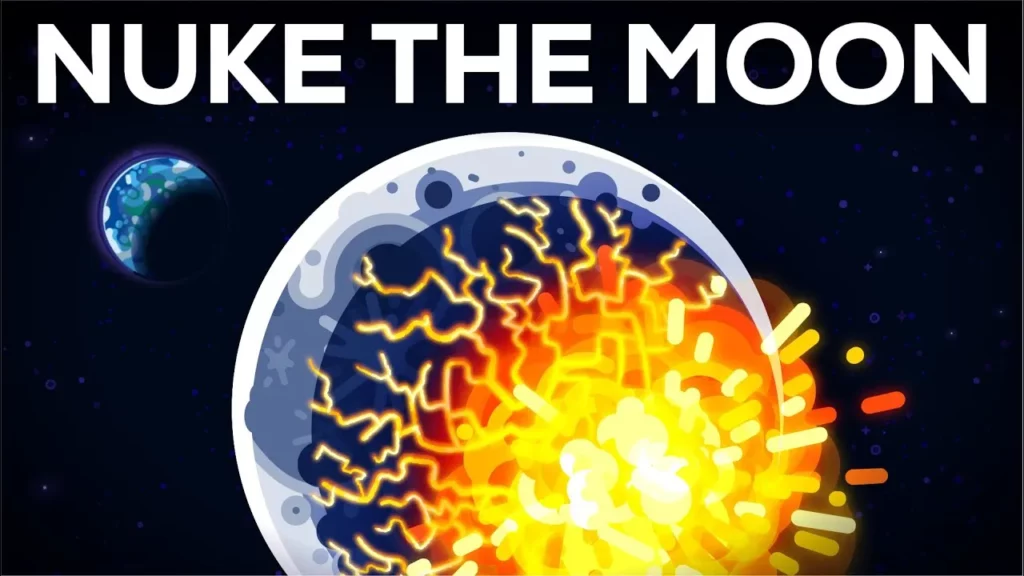
The lesson explores the hypothetical consequences of detonating a powerful nuclear weapon on the moon, highlighting that while the explosion would create a significant crater and release debris into space, it would not alter the moon’s orbit or destroy it. The lack of atmosphere on the moon would result in a silent explosion, with lethal radiation affecting any nearby astronauts, and the lunar surface would become contaminated with radioactive material, making future exploration hazardous. Ultimately, the moon would remain largely intact, but the long-term effects would render it inhospitable for human activity and detrimental to scientific endeavors.
How to Cure Aging – During Your Lifetime?
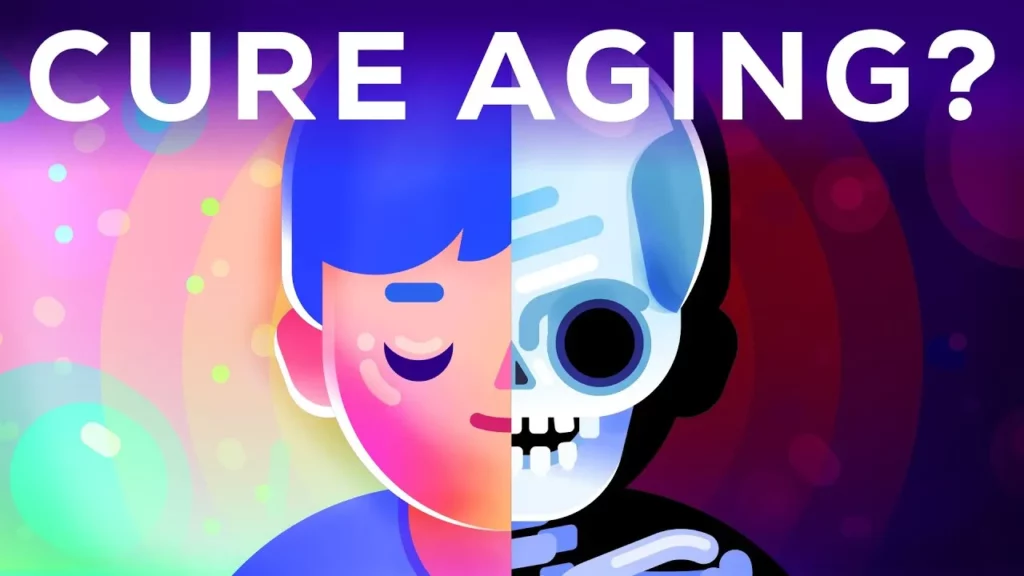
The lesson emphasizes the importance of extending our healthspan—the period of life spent free from disease—rather than merely increasing lifespan. It highlights recent scientific advancements targeting the root causes of aging, such as the elimination of senescent cells, the role of NAD+ in cellular health, and the potential of stem cell therapies to rejuvenate bodily functions. A multifaceted approach combining these strategies could pave the way for healthier aging, though further research and human trials are necessary to validate these findings.