
Pixar: The math behind the movies – Tony DeRose
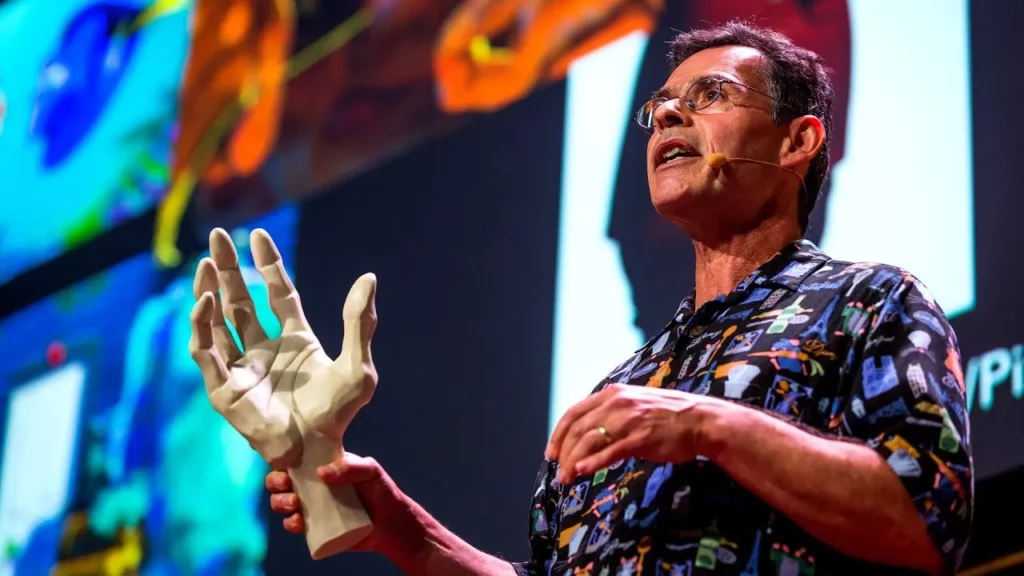
The lesson highlights the crucial yet often overlooked role of mathematics in Pixar’s animation process, emphasizing how concepts learned in middle and high school, such as coordinate geometry, scaling, rotation, and subdivision, are integral to creating beloved characters and scenes. By employing mathematical techniques, Pixar artists can accurately depict movements and complex shapes, ultimately bringing animated stories to life. The takeaway is that the math students learn in school has practical applications in the creative industry, particularly in animation.
What is a butt tuba and why is it in medieval art? – Michelle Brown
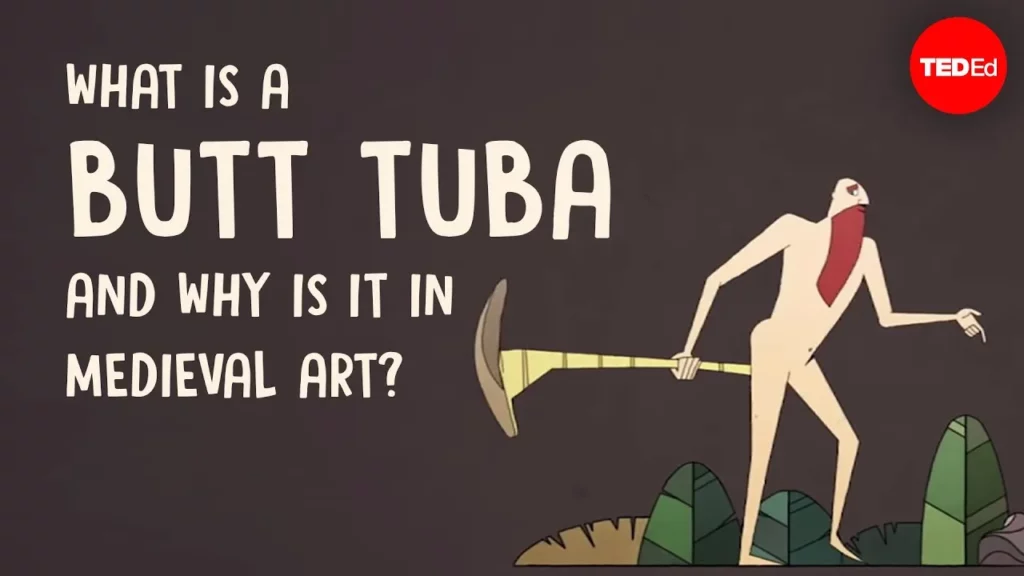
The lesson explores the fascinating world of medieval illuminated manuscripts, highlighting the whimsical and often bizarre illustrations found in their margins, which serve as secondary narratives to the texts they accompany. These images, rich in symbolism and personal stories, reflect the cultural, religious, and political contexts of the time, revealing insights into the artists’ intentions and societal commentary. Ultimately, illuminated manuscripts represent a unique blend of artistry and storytelling that has endured for over a millennium.
The life cycle of the butterfly – Franziska Bauer
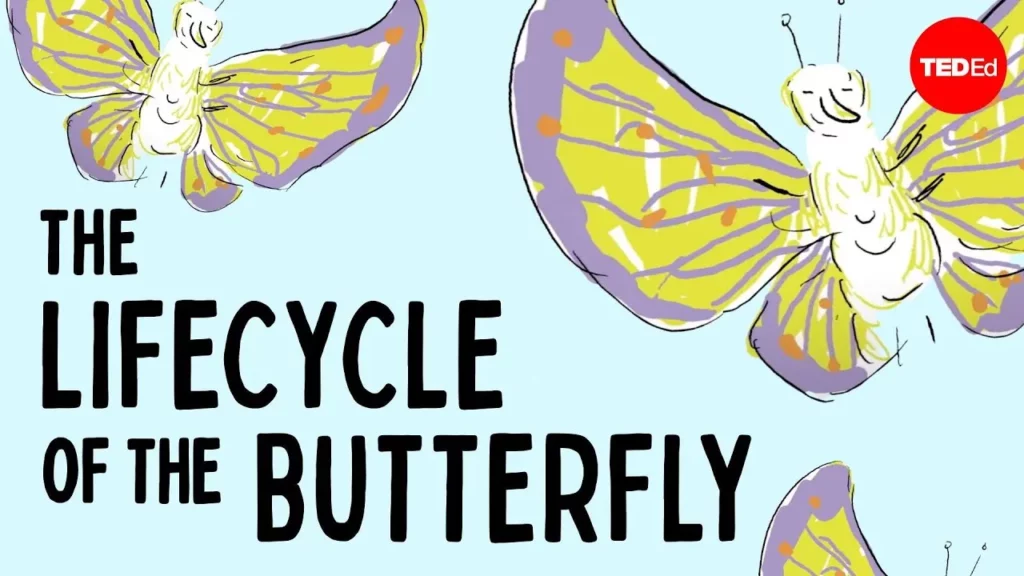
The lesson explores the fascinating metamorphosis of a caterpillar into a butterfly, highlighting the complete dissolution and reconstruction of its body during this process. It details the stages of growth, including the caterpillar’s intense feeding, the transition to the pupal stage, and the eventual emergence of the butterfly, while also discussing the evolutionary significance of complete metamorphosis in insects. This remarkable transformation not only showcases the complexities of nature but also emphasizes the survival advantages it provides to various species.
Beatboxing 101 – BEAT NYC

In this lesson on beatboxing, we explore the foundational sounds that form its core: the kick drum, snare, and hi-hat. By mastering these sounds—created by combining specific letters—you can craft intricate rhythms and patterns, allowing for personal expression and collaboration in music. With practice and experimentation, you’ll unlock a world of creative possibilities in this dynamic art form.
Earth’s mysterious red glow, explained – Zoe Pierrat
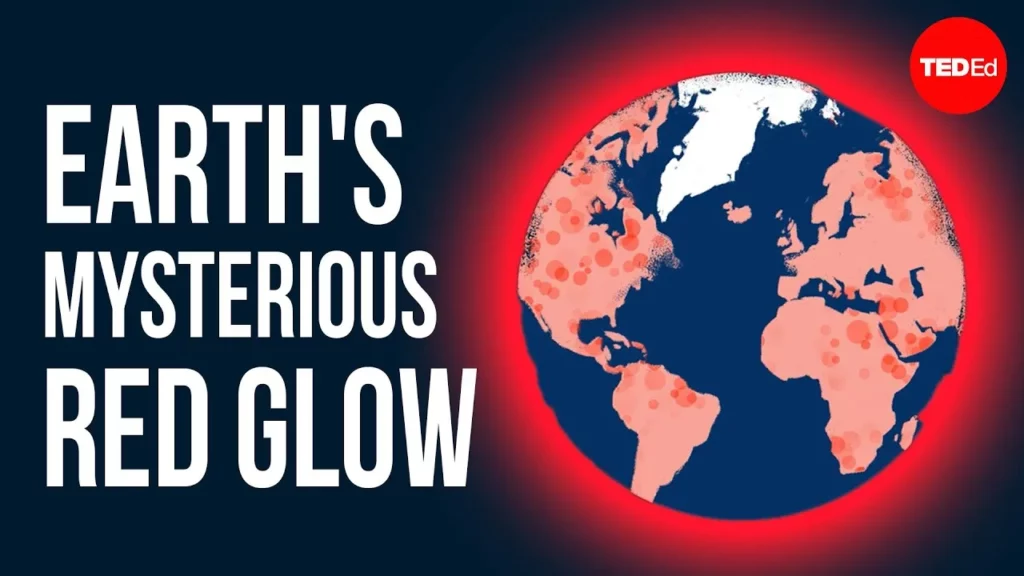
In 2009, researchers discovered an unexpected red glow from Earth while analyzing wavelengths reflected from the planet’s surface, which was later identified as chlorophyll fluorescence resulting from photosynthesis. This phenomenon allows scientists to monitor the health of ecosystems in real time, providing a more reliable measure of plant stress and photosynthetic activity compared to traditional methods. The ongoing study of chlorophyll fluorescence from space holds promise for enhancing our understanding of plant health and supporting environmental conservation efforts.
The Furnace Bots | Think Like A Coder, Ep 3
In a dystopian future where art is threatened, Ethic and her robotic companion, Hedge, join forces with resistance leader Adila to sabotage the destructive furnace-bots. Their mission involves locating the original furnace-bot, known as the 0 bot, to gain control over the entire army, which Hedge accomplishes through a strategic programming loop. With the furnace-bots now repurposed to protect art, Ethic and Hedge are guided to the next step in their quest: acquiring the Node of Power.
‘What happened when we all stopped’ narrated by Jane Goodall
In “The Whisper of Change: A Call for Environmental Renewal,” Dr. Jane Goodall shares a compelling narrative about awakening to environmental challenges and the urgent need for renewal. Initially met with pain and sadness over the loss of nature, individuals find hope and purpose in taking action to restore the Earth, transforming a quiet realization into a powerful movement for change. The lesson emphasizes the importance of collective effort in amplifying this call to action and fostering a sustainable future.
How we can detect pretty much anything – Hélène Morlon and Anna Papadopoulou

The lesson highlights the revolutionary impact of environmental DNA (eDNA) and DNA metabarcoding in biodiversity monitoring and species identification, exemplified by the successful detection of the elusive Canada lynx in Montana. By analyzing environmental samples, researchers can uncover the presence of various organisms, track invasive species, and even explore ancient ecosystems, thus enhancing our understanding of complex ecological interactions and the effects of climate change on biodiversity. This innovative approach not only streamlines the process of species identification but also offers critical insights for conservation efforts.
The Sun’s surprising movement across the sky – Gordon Williamson
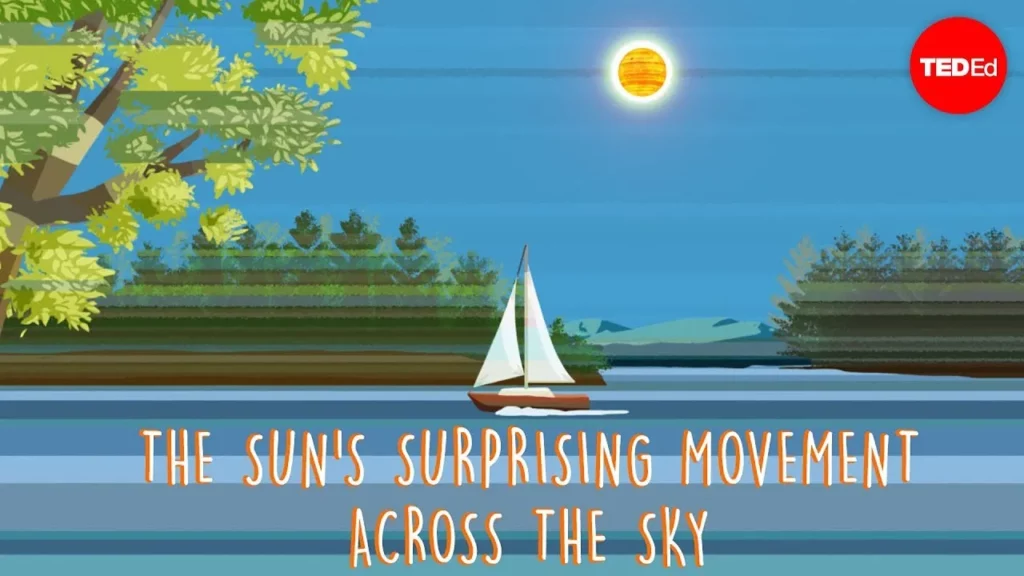
The lesson explores the concept of the analemma, a figure-eight pattern formed by the sun’s path in the sky when observed from a fixed point over a year. This intriguing shape results from the Earth’s axial tilt and its elliptical orbit around the sun, which affects the timing of solar noon and leads to variations in solar declination throughout the seasons. Additionally, the analemma serves as a historical tool for understanding timekeeping, illustrating the complex relationship between Earth’s movements and its position relative to the sun.
The lovable (and lethal) sea lion – Claire Simeone

The lesson highlights the remarkable adaptations and hunting abilities of sea lions, showcasing their agility, endurance, and specialized sensory skills that enable them to thrive in the ocean. Despite their impressive capabilities, sea lions face significant challenges due to climate change and environmental shifts, which threaten their health and habitat. Understanding these challenges is crucial for protecting sea lions and maintaining the health of marine ecosystems.