
The Train Heist | Think Like A Coder, Ep 4
In “The Daring Heist for the Node of Power,” Ethic, Hedge, and Adila, leaders of a resistance movement, orchestrate a complex plan to steal a vital artifact that powers a fortified train delivering essential supplies. Utilizing programming logic, Ethic guides Hedge to time the lowering of a force field around the artifact as the train moves through a series of calculated positions. Successfully retrieving the Node of Power, they glimpse Ethic’s past as a robotics engineer, and with another artifact detected nearby, they prepare for their next mission.
When is a pandemic over?
The lesson explores various strategies for managing a pandemic, focusing on three main approaches: “Race Through It,” “Delay and Vaccinate,” and “Coordinate and Crush.” While the first strategy risks overwhelming healthcare systems and resulting in high mortality, the second offers a more measured response by allowing time for vaccine development, and the third emphasizes global coordination to effectively contain the virus. Ultimately, the “Delay and Vaccinate” strategy, combined with global cooperation, is deemed the most viable path forward for minimizing loss of life and ensuring long-term public health resilience.
‘To Make Use of Water’ by Safia Elhillo
In “To Make Use of Water,” Safia Elhillo explores the intricate relationship between identity, language, and the immigrant experience, highlighting the challenges of navigating multiple cultures. Through her reflections on linguistic disconnection and the societal constraints of politeness, she conveys a deep longing for home and the emotional turmoil that accompanies the immigrant journey. The poem ultimately prompts readers to consider the sacrifices involved in seeking a new life and the complex interplay of gratitude and homesickness that defines this experience.
What causes yeast infections, and how do you get rid of them? – Liesbeth Demuyser
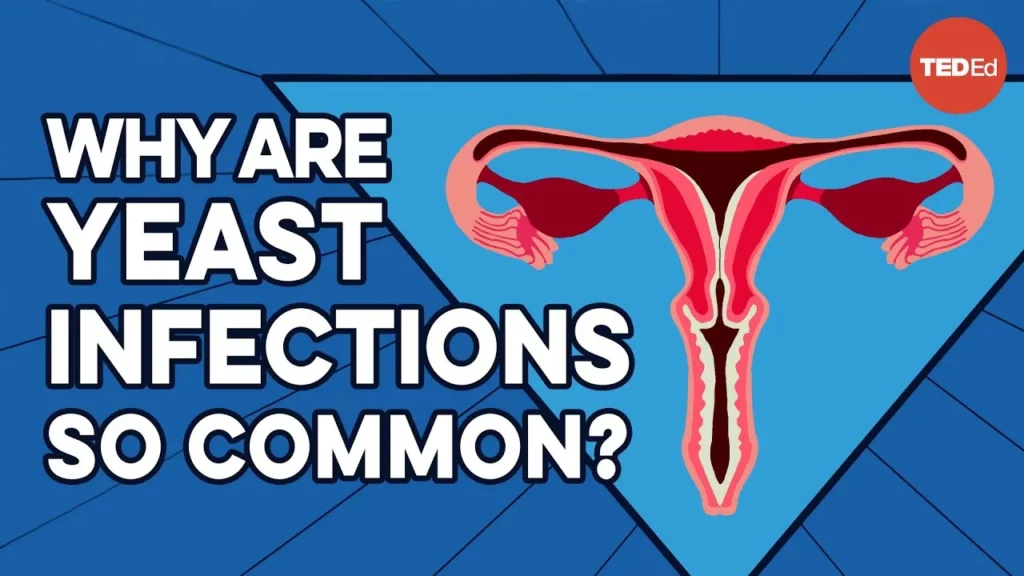
The lesson explores the vaginal microbiome, highlighting the essential role of beneficial bacteria like *Lactobacilli* in maintaining vaginal health by regulating pH and preventing infections. It discusses how disruptions in this balance can lead to yeast infections caused by *Candida albicans*, detailing the symptoms, contributing factors, and treatment options while emphasizing the need for further research in this area due to historical underfunding and stigma surrounding women’s health issues.
Gyotaku: The ancient Japanese art of printing fish – K. Erica Dodge
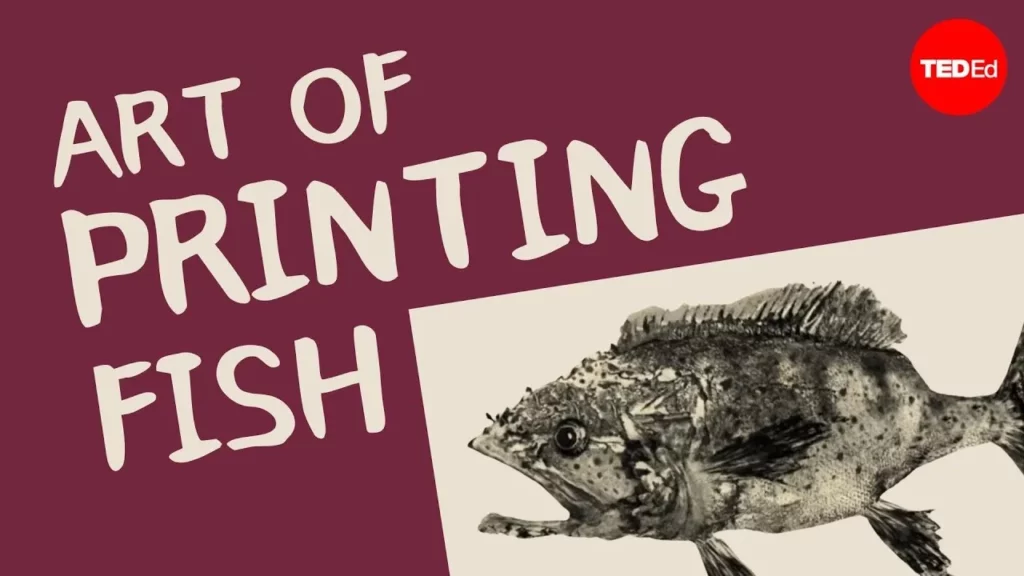
The lesson on Gyotaku, the Japanese art of fish printing, explores its origins as a practical method for fishermen to document their catches before the advent of photography. Initially a straightforward record-keeping technique, Gyotaku evolved into a celebrated art form, particularly during the Edo period, and has seen a resurgence in popularity today. The process involves meticulous preparation of the fish and the application of ink to create unique prints, which not only serve as artistic expressions but also symbolize good luck for fishermen.
The wacky history of cell theory – Lauren Royal-Woods
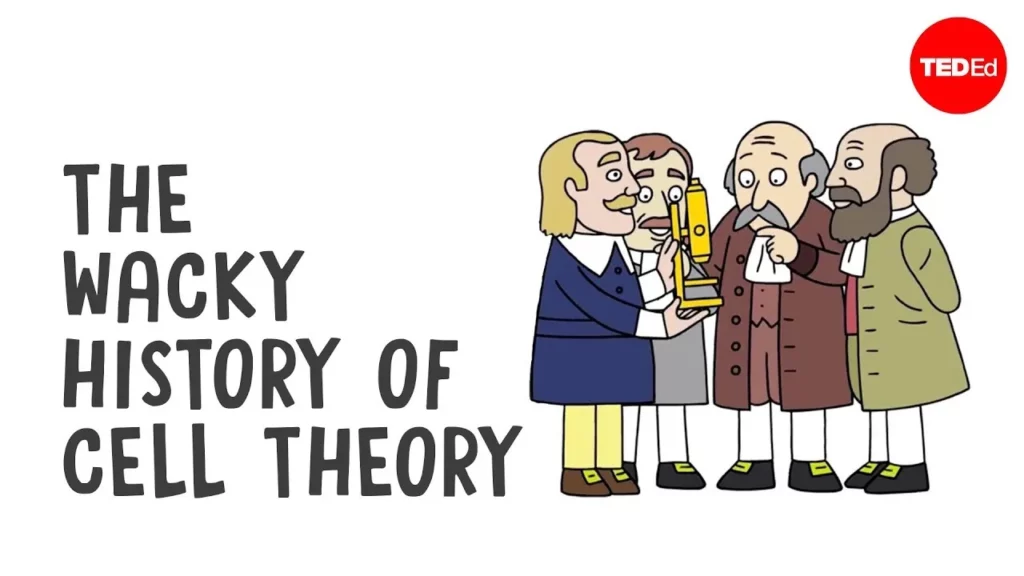
The lesson explores the intriguing history of cell theory, highlighting its three core principles: all living organisms are made of cells, the cell is the basic unit of structure, and all cells arise from preexisting cells. It traces the development of the theory from the invention of the microscope in the 1600s, through the discoveries of Anton van Leeuwenhoek and Robert Hooke, to the pivotal contributions of Matthias Schleiden, Theodor Schwann, and Rudolph Virchow in the 1800s. Ultimately, the lesson emphasizes that the journey of scientific discovery is often filled with unexpected events and colorful characters, making the history of cell theory a captivating tale.
A brief history of plastic
The lesson explores the historical evolution of plastics, beginning with the invention of celluloid as a substitute for ivory billiard balls and highlighting key advancements in plastic materials, such as Bakelite and polyethylene. It discusses the revolutionary impact of injection molding on production and the extensive use of plastics during and after World War II, which led to their dominance in consumer products. However, the lesson also addresses the significant environmental challenges posed by plastic waste and the need for innovative solutions to promote sustainability in the future.
The hidden life of Rosa Parks – Riché D. Richardson
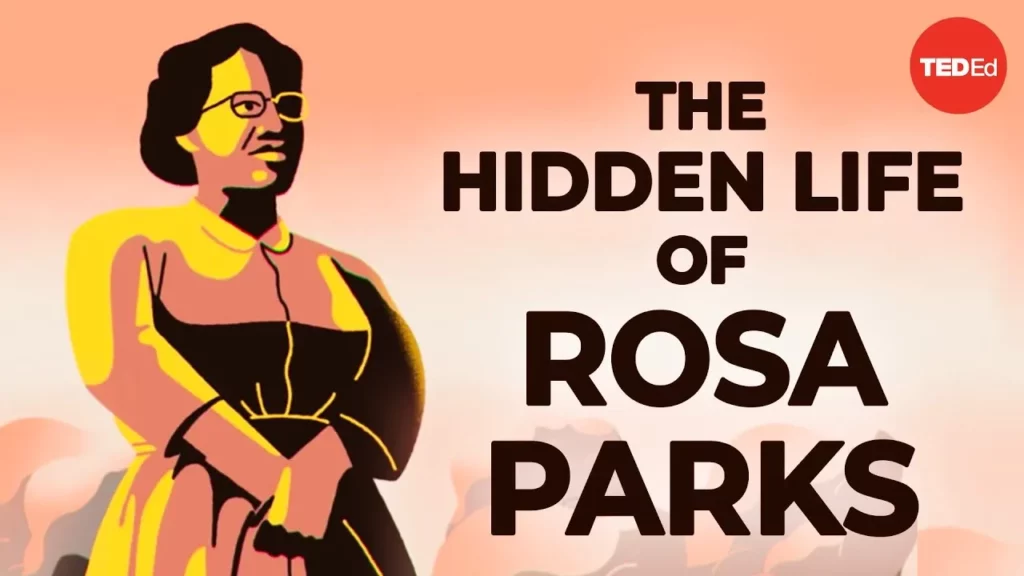
The lesson on Rosa Parks highlights her early activism and unwavering commitment to justice long before her famous act of defiance on a Montgomery bus in 1955. As a dedicated member of the NAACP, Parks fought against racial violence and systemic injustice, advocating for victims like Recy Taylor and empowering youth in the civil rights movement. Her legacy is marked by her courage and strategic leadership, which not only sparked the Montgomery Bus Boycott but also inspired future generations to continue the struggle for equality and justice.
Why good ideas get trapped in the valley of death— and how to rescue them
The lesson highlights the significant challenges innovators face when bringing new technologies to market, particularly during the critical “valley of death” phase, where many promising inventions risk being abandoned due to high costs and regulatory hurdles. This is especially true for zero-carbon technologies, which are essential for combating climate change but struggle with development due to their expense and low initial demand. The lesson emphasizes the importance of government intervention, citing successful historical initiatives that have bridged funding gaps and supported the adoption of renewable technologies, ultimately advocating for policies that foster innovation and address pressing global issues.
How bones make blood – Melody Smith
The lesson explores the vital role of bone marrow in the production of blood cells and the intricate journey these cells take from the marrow to the bloodstream. It highlights the significance of bone marrow in addressing blood disorders, particularly through procedures like bone marrow transplants, which can offer cures for conditions such as leukemia and lymphoma. Additionally, the lesson discusses the potential benefits and risks associated with transplants, including graft-versus-host disease, and encourages individuals to consider becoming bone marrow donors to help those in need.